Why One Overhead Light Is Never Enough
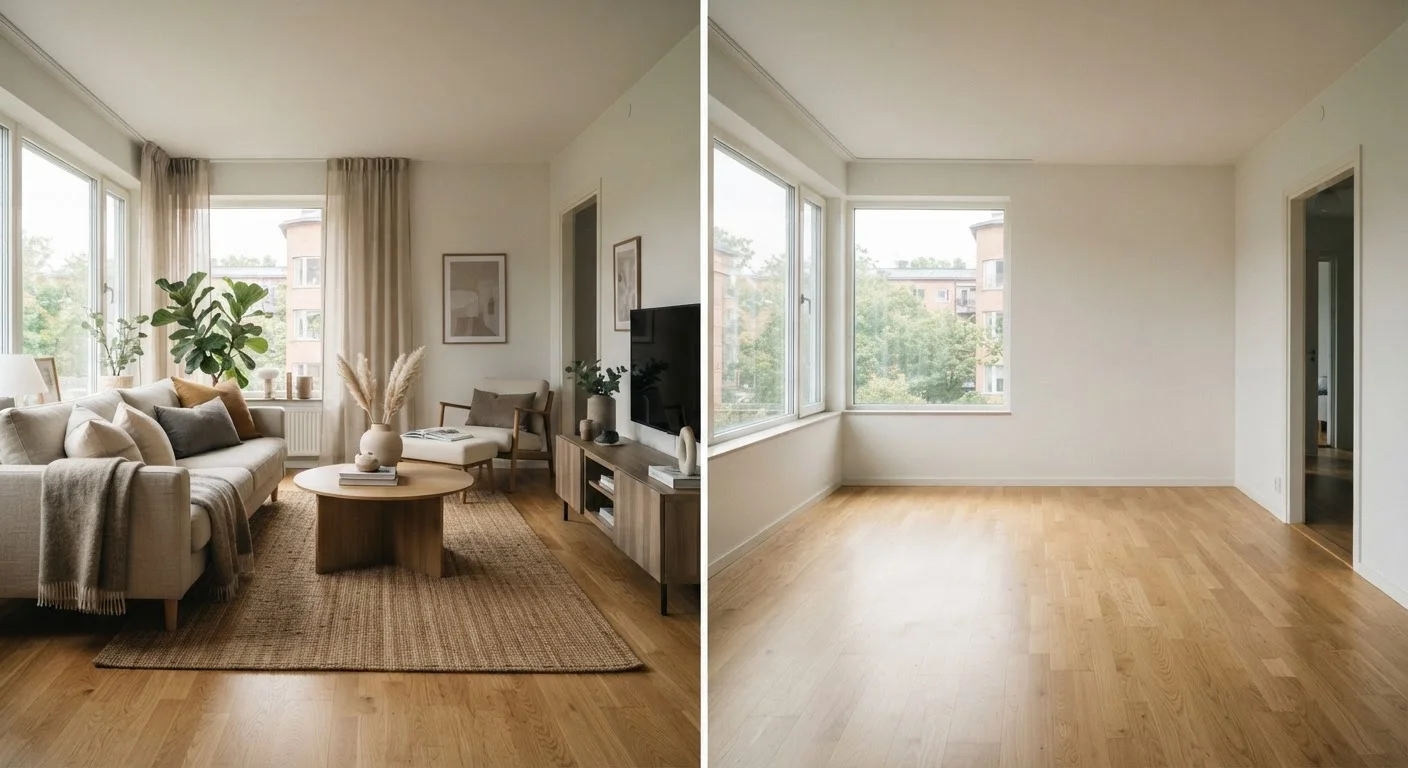
If you've ever moved into a new place and flipped on the single ceiling fixture only to find the room still felt gloomy or harsh, you've experienced the limits of single-source lighting firsthand. One light does one job. It can't create atmosphere, highlight what matters, or make a workspace comfortable all at once.
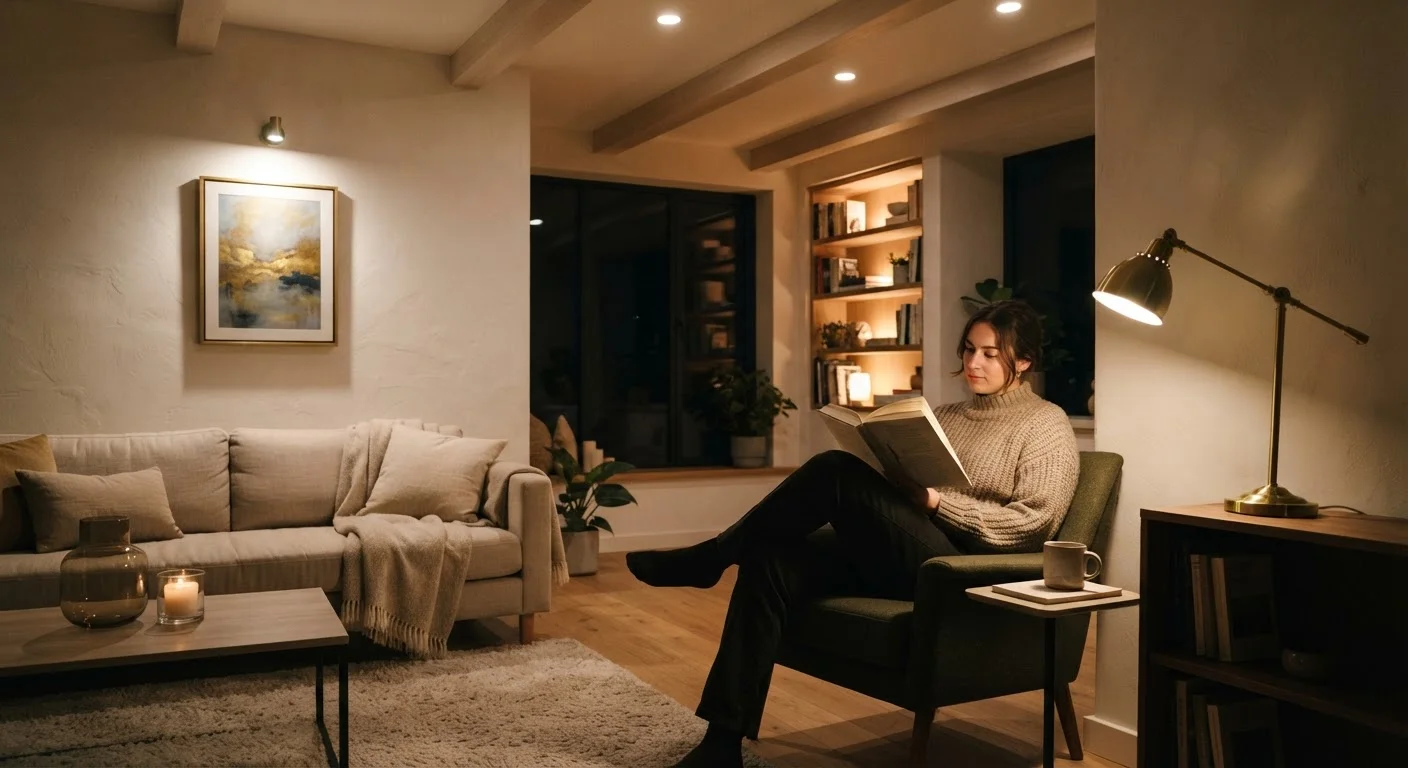
That's the core problem layered lighting solves. By using multiple light sources - each with a specific role - you create a room that works for whatever you're doing, whether that's watching a movie, reading, cooking, or having people over. The goal isn't more light, it's the right light in the right place.
~90%
Time Americans spend indoors daily
According to the U.S. Environmental Protection Agency, Americans spend approximately 90% of their time indoors, making interior lighting quality a meaningful factor in daily wellbeing.
20 lumens
Per square foot for ambient lighting
Lighting designers commonly recommend roughly 20 lumens per square foot as a baseline for comfortable ambient light levels in living areas.
3x
Accent light intensity vs. ambient
To create a visible focal point, accent lighting typically needs to be approximately three times brighter than the surrounding ambient light level, according to general lighting design principles.
Layer 1: Ambient Lighting (Your Foundation)
Ambient light is the baseline - the general glow that lets you move through a room safely and comfortably without squinting or stumbling. Think of it as the layer that replaces daylight once the sun goes down.
Common ambient sources include:
- Ceiling-mounted fixtures or flush mounts
- Recessed (can) lights
- Large floor lamps pointed upward toward the ceiling
- Pendant lights hung centrally in a room
The key quality of good ambient light is that it's even - no bright spots or dark corners. It doesn't need to be bright enough to read by or dramatic enough to showcase art. It just needs to fill the room.
Start With a Single Floor Lamp
If you're setting up a new space on a tight budget, a single upward-facing floor lamp is the fastest way to add ambient light without touching any wiring. Position it in a corner to bounce light off two walls at once, which spreads the glow more evenly across the room. It's a rental-safe starting point you can build on over time.
Layer 2: Task Lighting (Light Where You Need It)
Task lighting is exactly what it sounds like: light designed for doing something specific. It's brighter and more focused than ambient light, and it's positioned close to the activity rather than far above it.
You'll find task lighting at work in these situations:
- A desk lamp positioned over a workspace
- Under-cabinet lights in a kitchen above the prep counter
- A bedside lamp for reading at night
- A lighted vanity mirror in a bathroom
Without task lighting, you end up leaning toward the nearest lamp or straining your eyes under overhead ambient light that was never meant for close-up work. A well-placed task light removes that friction immediately.
Layer 3: Accent Lighting (Depth and Character)
Accent lighting is what separates a room that looks finished from one that looks like a furniture showroom. It's directional light used to draw the eye toward something worth seeing - a piece of art, a bookshelf, an architectural feature, or even a potted plant.
Typical accent lighting options include:
- Track lighting or adjustable spotlights aimed at wall art
- LED strip lights behind a TV or along the underside of shelving
- Small directional lamps pointing at a sculpture or decorative object
- Picture lights mounted above a framed piece
Accent light typically requires about three times the illumination of the ambient level to create a genuine focal point. The contrast between the lit subject and its surroundings is what makes it pop.
How to Put All Three Layers Together
You don't need to overhaul your space or hire a designer to get layered lighting right. A practical approach is to build the layers one at a time, starting with ambient, then adding task sources where you work or read, and finally introducing accent light once you know where your room's focal points are.
A few practical tips to keep in mind:
- Use dimmers where you can. Plug-in dimmer adapters exist for floor and table lamps, making them rental-friendly. Dimmers give you the flexibility to shift between a bright work environment and a relaxed evening mood without changing anything else.
- Match color temperatures. Mixing a cool-white task lamp with warm ambient bulbs in the same room creates a visual disconnect. Aim for consistency - pick a temperature range and stick to it across the room.
- Layer vertically. Light sources at different heights - ceiling, mid-room on a table, and low on a shelf - naturally create a more dimensional, comfortable space than fixtures all at one level.
Building your lighting in layers is one of the highest-impact, lowest-effort upgrades you can make to a new home. Most of it requires nothing more than a few extra lamps and some thought about where they go.
A Note on Electrical Work
Adding new hardwired fixtures - such as recessed lights or ceiling fans with lights - typically requires a licensed electrician and, in many jurisdictions, a permit. If you're renting, hardwired changes are generally not permitted without landlord approval. Stick to plug-in solutions unless you own the space and have confirmed local code requirements.