
What Bleisure Travel Actually Means
Bleisure - a blend of "business" and "leisure" - refers to extending a work trip to include personal travel days at the same destination. You fly out for a conference or client meeting, then stay an extra weekend (or longer) to explore before heading home. The concept isn't new, but it's become more common as remote work has blurred the lines between professional and personal schedules.
The appeal is straightforward: if your employer is already sending you somewhere, you're not paying for the flight. Tacking on a few personal days means you arrive at a destination with your biggest travel cost already covered. But that's where the simple math ends - and where the real questions begin.
Before building any bleisure plan, it's worth doing proper groundwork. See our travel budgeting guide to understand the full cost categories involved before you commit to extending a trip.
The Real Pros: Where the Savings Come From
The financial case for bleisure is strongest at the point of entry: the flight. On expensive long-haul routes - transatlantic, transpacific, or cross-country - business airfare can run hundreds to well over a thousand dollars. When that's covered by your employer, even a partial saving on your return date can represent meaningful value.
Employer covers the most expensive part: the flight
On long-haul routes, airfare is often the largest single travel expense. When your employer pays it, your personal cost to reach the destination drops significantly.
Access to destinations you might skip otherwise
Work trips take you to cities that may not top your personal bucket list, giving you low-effort exposure to places worth exploring while you're already there.
Reduces the per-day cost of accommodation
If your employer covers hotel nights during the work portion, your effective cost per night averaged across the whole trip is lower than if you'd booked entirely on your own.
Can leverage existing loyalty points and status
Frequent travelers who earn points through business travel can use accumulated rewards to offset personal costs during leisure days, stretching the value further.
Beyond cost, bleisure offers something pure vacation planning doesn't: a reason to visit places you might never have prioritized on your own. Cities that seem like an odd choice for a personal trip often make perfect sense when you're already there for work. That low-friction access to new destinations is genuinely underrated.
The Real Cons: Where Costs Quietly Add Up
Here's what the bleisure pitch often glosses over: once your work obligations end, your employer's financial support typically ends too. Hotels during leisure days, meals, local transport, entry fees - all of it lands on your card. In business-oriented cities, hotels are often priced for expense accounts, not personal budgets.
Personal days are entirely self-funded
Once work obligations end, accommodation, meals, and activities come out of your own pocket - often at business-city prices that aren't budget-friendly.
Changing return flights can cost real money
If your company books a fixed return ticket, extending your stay may require purchasing a new flight or paying a change fee, potentially erasing flight savings.
Company policies may prohibit or limit extensions
Not all employers allow bleisure arrangements. Some require immediate return travel; others have policies that create tax or liability complications for extended trips.
Work fatigue can undercut leisure enjoyment
Spending two days in back-to-back meetings before trying to sightsee often leads to exhaustion, meaning you may not get full value from the personal days you planned.
Possible tax implications on employer-paid travel
If the primary purpose of a trip is deemed personal, a portion of employer-covered costs could be treated as taxable income under IRS rules - an often-overlooked risk.
There are also policy and tax complications that catch people off guard. Some company travel policies require employees to book return flights immediately after the work event; extending the trip may require rebooking at personal cost. In some cases, the IRS considers a portion of employer-paid travel taxable income if the primary purpose of the trip shifts toward personal. These details matter - verify your company's policy in writing before assuming flexibility.
For a sharper look at the costs that surprise first-time budget travelers, the hidden costs of travel guide is a useful next read.
Check Your Company's Policy Before You Plan
Bleisure arrangements are not universally permitted or straightforward. Some employers require pre-approval to extend a business trip; others have legal or insurance reasons that restrict it. A few even require travelers to cover the full cost of return travel if personal days are added. Review the written policy and confirm with your manager or HR before making any bookings based on assumed flexibility.
When Bleisure Actually Makes Financial Sense
Bleisure works best in specific circumstances. The savings potential is highest when: the work destination is genuinely somewhere you want to visit; the flight is long-haul and expensive; your employer's policy permits flexible return dates without penalty; and you keep the leisure extension short - two to four days, not two weeks.
It also helps to think about shoulder season timing when planning leisure days. If your work trip falls outside peak tourist season, accommodation and activity costs during your personal days will likely be lower.
60%+
Business travelers who have added leisure days to a work trip
Industry surveys from GBTA (Global Business Travel Association) and similar bodies consistently find a majority of business travelers have blended personal time into at least one work trip.
$800-$2,000+
Typical employer-covered airfare on long-haul business routes
Published airfare ranges for transatlantic and transpacific business travel reflect why flight cost-sharing is the primary financial draw of bleisure arrangements.
If your company pays for business-class or premium economy flights, the cost comparison with a self-funded trip becomes even more favorable - that seat alone might cost $800-$2,000+ on popular routes, representing your largest single saving.
How to Approach a Bleisure Trip Without Getting Burned
Start with your company's travel policy - not assumptions. Find out whether extending a business trip for personal days is permitted, whether you need to cover the cost difference on a changed return flight, and whether any reimbursable expenses end at a specific date. Get this in writing or from a documented policy document.
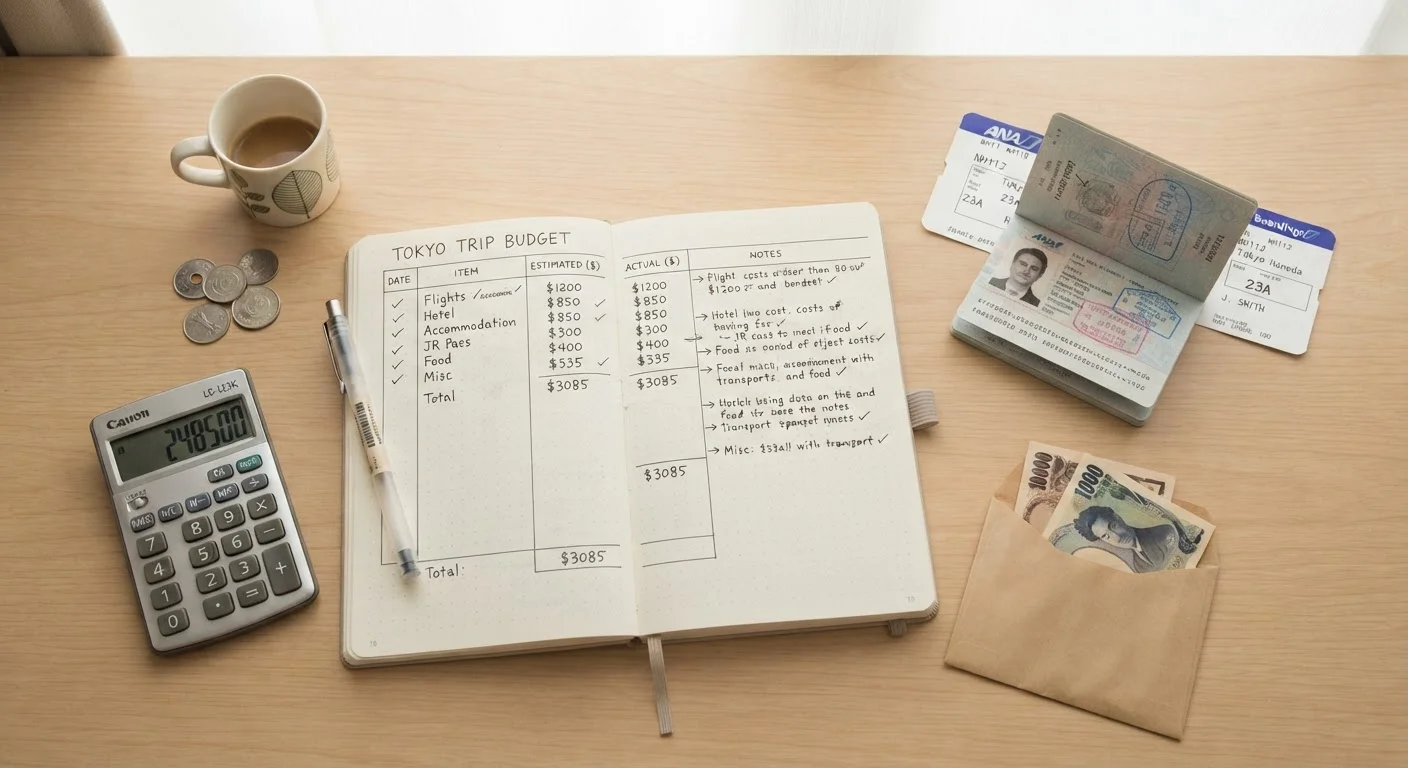
Then build a realistic personal budget for your leisure days using the same rigor you'd apply to any trip. Accommodation, food, transport, and activities in a business-travel city can exceed what you'd spend in a more tourist-oriented destination. Watch out for the common spending traps that inflate costs once the expense account stops covering things.
Finally, be honest about opportunity cost. A few days spent recovering from work obligations before sightseeing is a legitimate pattern - but if you're too exhausted to enjoy the destination, the financial savings don't translate into a better trip. Bleisure is a tool, not a guaranteed win.
This article is for general informational purposes only. Tax and employer policy details vary; consult your HR department and a qualified tax professional for guidance specific to your situation.