Why Some Places Make Every Dollar Work Harder
Not all travel dollars are equal. Spend $60 in one country and you might get a budget guesthouse and a convenience store meal. Spend the same amount somewhere else and you could cover a private room with air conditioning, three full sit-down meals, a local SIM card, and two bus rides. That gap isn't luck - it's the product of structural factors: local wage levels, cost of imports, tourism infrastructure, and how competitive the hospitality market is.
Understanding why value differences exist helps you choose destinations more strategically rather than just chasing wherever seems cheapest on a headline list. It also keeps expectations realistic. A destination that's affordable for daily living doesn't automatically mean every tourist experience is cheap - popular activities, entry fees, and tourist-zone restaurants can erode your advantage quickly. Before you commit to a destination, make sure you've accounted for all the costs involved. Our guide on hidden travel costs breaks down what most budgets forget to include, from airport transfers to tipping norms.
Value Can Shift Quickly Inside a Destination
Purchasing power advantages are not uniform across an entire country. Popular tourist districts, resort zones, and major city centers often price at or near international norms, especially for accommodation. The structural value gap is most accessible in secondary cities, local neighborhoods, and non-resort areas. Research at the city or region level, not just the country level, for a more accurate picture of what your budget will actually cover.
Below are seven destination types - framed by the structural factors that drive their value - so you can identify similar places on your own and make genuinely informed choices.
Southeast Asian countries with established backpacker infrastructure
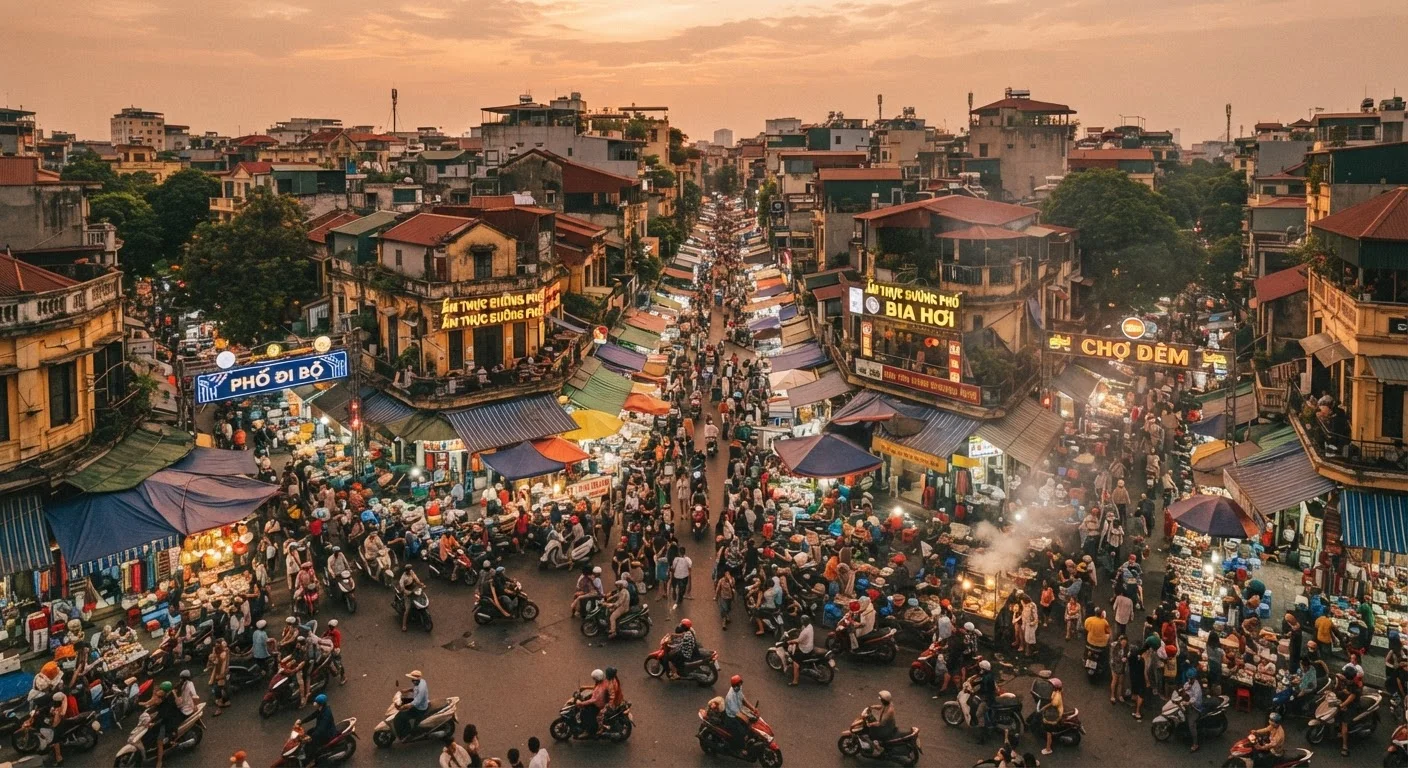
Countries like Vietnam, Cambodia, Laos, and Indonesia (particularly outside of Bali's tourist centers) have built decades of low-cost tourism infrastructure around budget travelers. Local wages remain significantly lower than in Western economies, which keeps guesthouses, street food, and local transport inexpensive relative to what US travelers are accustomed to.
In practical terms, a traveler can often find a clean private room for $10-$20 per night in mid-sized cities, eat filling meals at local restaurants for $1-$4, and use intercity buses or trains at a fraction of US transport costs. The competition among guesthouses and tour operators also keeps quality up - a high density of options means poor-quality services don't survive long.
Decades of budget tourism infrastructure keep quality high and prices structurally low across the region.
Eastern European countries outside the euro zone
Countries like Georgia, Albania, North Macedonia, and Moldova retain their own currencies and have not experienced the tourism inflation of Western European neighbors. Local cost of living is substantially lower, and the tourism industry - while growing - hasn't yet reached saturation pricing in most areas.
A daily budget of $40-$60 can cover comfortable accommodation, meals at local restaurants, and intercity transport in many of these destinations. Georgia in particular has developed a reputation among budget travelers for generous hospitality, affordable wine, and a high concentration of free or low-cost cultural sites. Always check current visa requirements with official sources, as policies vary.
Non-euro Eastern European countries offer Western-quality experiences at a fraction of the typical price point.
South Asian destinations with low local cost of living
India, Nepal, and Sri Lanka (outside of resort-heavy coastal areas) offer some of the widest purchasing power gaps available to US travelers. Local food and transport costs are low by any global measure, and accommodation ranges from bare-bones guesthouses at a few dollars per night to comfortable mid-range options still well under Western prices.
The key variable here is geography within the country. Tourist hubs and major cities trend toward higher prices, while secondary cities and rural areas preserve the value gap more reliably. Nepal, in particular, offers remarkable trekking infrastructure where a permit, teahouse lodging, and meals are all available at predictable, modest costs - though those costs can add up over a multi-week trek.
Choosing secondary cities over tourist hubs is where South Asia's value advantage is most pronounced.
Central American countries with lower tourism saturation
While Costa Rica has seen significant tourism-driven price increases in popular areas, neighbors like Guatemala, Honduras, and Nicaragua offer notably lower daily costs. Guatemala, in particular, draws budget travelers to destinations like Antigua and Lake Atitlán, where accommodation and food remain accessible on tight budgets despite growing visitor numbers.
Proximity to the US also matters here: flight costs from major US cities to Central America are often lower than long-haul routes to Asia or Europe, which can make the total trip cost competitive even if the daily spend isn't quite as low. Safety conditions vary by region and can change - consult current US State Department travel advisories before planning.
Proximity to the US makes Central America's value proposition stronger once flight costs are factored in.
Portugal and its lower-cost inland and island regions
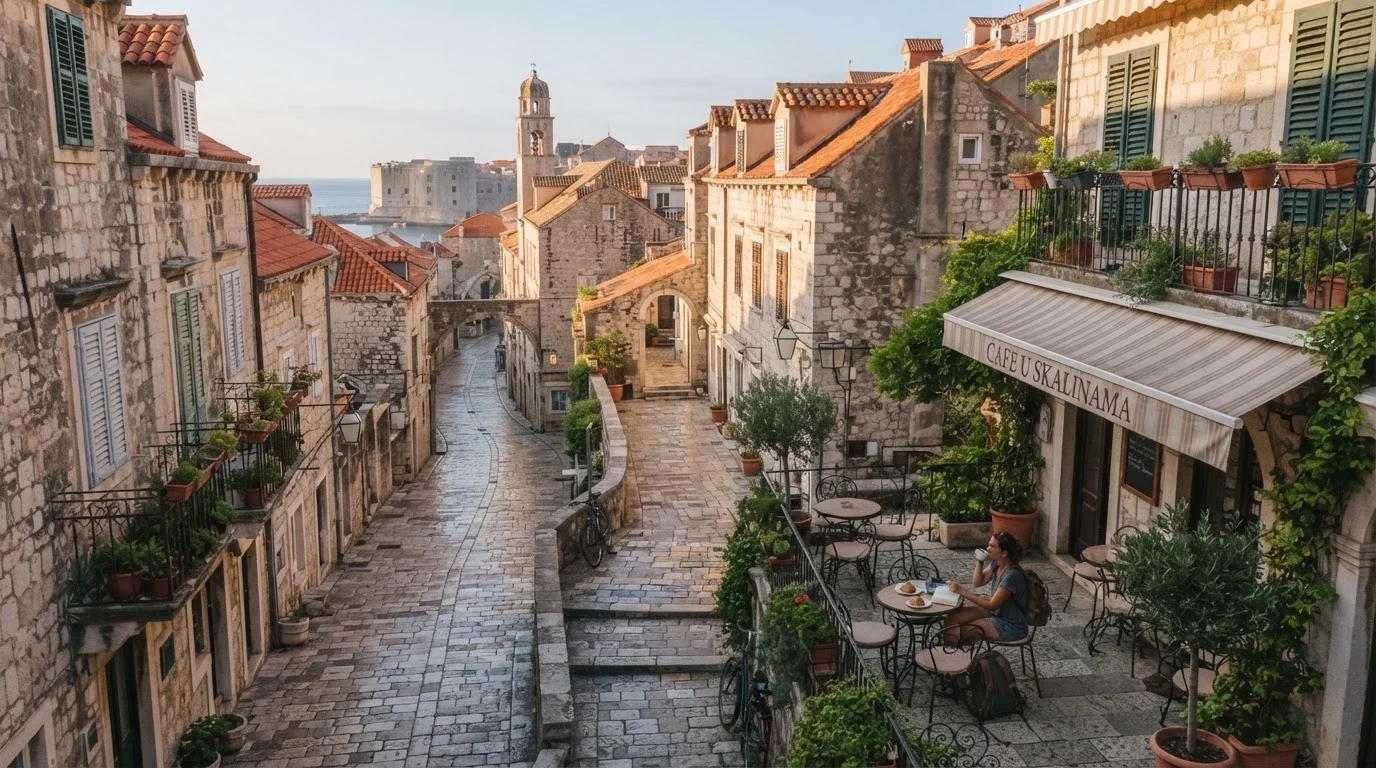
Within Europe, Portugal - especially inland regions and the Azores - remains meaningfully more affordable than Spain, France, or Italy. While Lisbon and the Algarve coast have seen rapid price increases, towns in the Alentejo, the interior north, and smaller Azorean islands still offer accommodation and meals at prices that undercut most of Western Europe.
Portugal is also inside the Schengen Area, which simplifies movement for travelers already visiting Europe. For US travelers who want a European experience without the sticker shock of Paris or Amsterdam, focusing on less-visited regions of Portugal is a structurally sound approach - and the tourism density in those areas is low enough that the experience itself is different: quieter, more local, less curated.
Inland Portugal and the Azores offer a genuinely European experience at costs well below the continent's average.
Mexico's secondary cities and non-resort coastal towns
Resort zones like Los Cabos and Cancún's hotel strip are priced for international visitors and don't represent Mexico's actual cost structure. Move outside those areas - to cities like Oaxaca, Mérida, or San Cristóbal de las Casas, or smaller Pacific coast towns - and the picture changes substantially. Street food is affordable and excellent, locally owned accommodation is inexpensive, and intercity buses are reliable and cheap.
Mexico's proximity to the US makes flights relatively accessible, and its range of climates, cultures, and landscapes means there's significant variety within one country. Spanish-language familiarity is a practical advantage for US travelers trying to navigate local rather than tourist-facing services.
Mexico's real value lies outside resort zones, in its cities and smaller coastal towns with genuine local economies.
North African destinations with active independent travel infrastructure
Morocco has an established independent traveler infrastructure with a wide range of accommodation options - from budget hostels to mid-range riads - at prices substantially below European equivalents. Daily food and transport costs in non-tourist areas are low, and the country's rail network makes intercity travel affordable and straightforward.
The value equation here depends on where you eat and stay. Tourist-facing restaurants in medina squares price accordingly; a short walk into residential streets typically cuts food costs significantly. As with any destination, check current entry requirements and regional safety conditions through official government sources before traveling, as situations can change.
Stepping just outside tourist-facing zones in Morocco cuts daily costs while improving the authenticity of the experience.
Making the Most of Wherever You Land
The destination you choose sets a ceiling on value, but your habits inside that destination determine whether you reach it. Slow travel - spending more nights in fewer places - consistently produces lower daily costs because transit is often the most expensive single line item per day. In high-value destinations, this approach is especially powerful: every extra night compounds the savings already built into local prices.
Compound Your Savings With Fewer Moves
In high-value destinations, every transit day dilutes your savings - you pay for transport, often eat at transit hubs, and may need last-minute accommodation. Building longer stays into fewer locations keeps your daily average low and gives you time to find the local spots that aren't priced for tourists. Even adding two or three extra nights in one place over a two-week trip can meaningfully shift your total cost downward.
Transport choices between destinations matter too. Overland options like regional buses, trains, and ferries frequently beat short-haul flights once baggage fees and airport transfers are counted - and in many of the regions listed above, overland networks are reliable and inexpensive. If you're still deciding where to go, narrowing down destinations by budget, travel experience, and time available will help you match a region to your actual situation. And if this is your first trip abroad, our first-time international travel guide walks through every practical step from departure prep to daily money management.
All cost figures and conditions described in this article are general and illustrative. Prices, visa requirements, safety conditions, and entry rules change - always verify current information through official government and provider sources before booking or traveling.