How Foreign Transaction Fees Actually Work
Every time you use a US-issued card abroad, up to three separate fees can apply simultaneously. First, your card network (Visa, Mastercard, etc.) charges a cross-border assessment - typically around 1%. Second, your issuing bank may add its own foreign transaction surcharge on top of that, often 1-2%. Third, if you're withdrawing cash from an ATM, the ATM operator may charge its own flat fee regardless of which bank you use. These charges are usually itemized on your statement days after the transaction, making them easy to overlook until the damage is done.
Understanding this structure matters because it shapes where you lose money. Card purchases at shops and restaurants are primarily exposed to the foreign transaction fee. ATM withdrawals carry both that fee and the flat ATM charge. Currency exchange booths operate differently - they make their margin through the spread between the mid-market rate and the rate they offer you, which is why a booth advertising 'zero commission' can still be expensive. For a broader look at costs that quietly inflate travel budgets, see The Real Cost of Travel.
Airport Exchange Booths: Proceed With Caution
Currency exchange booths in airports and tourist-heavy areas often advertise 'no commission' but offset this with exchange rates significantly below the mid-market rate. The difference can amount to 10-15% of your money quietly disappearing. If you need local currency immediately on arrival, withdraw a small amount from an airport ATM that belongs to a major local bank rather than a standalone exchange kiosk.
What You Need Before You Start
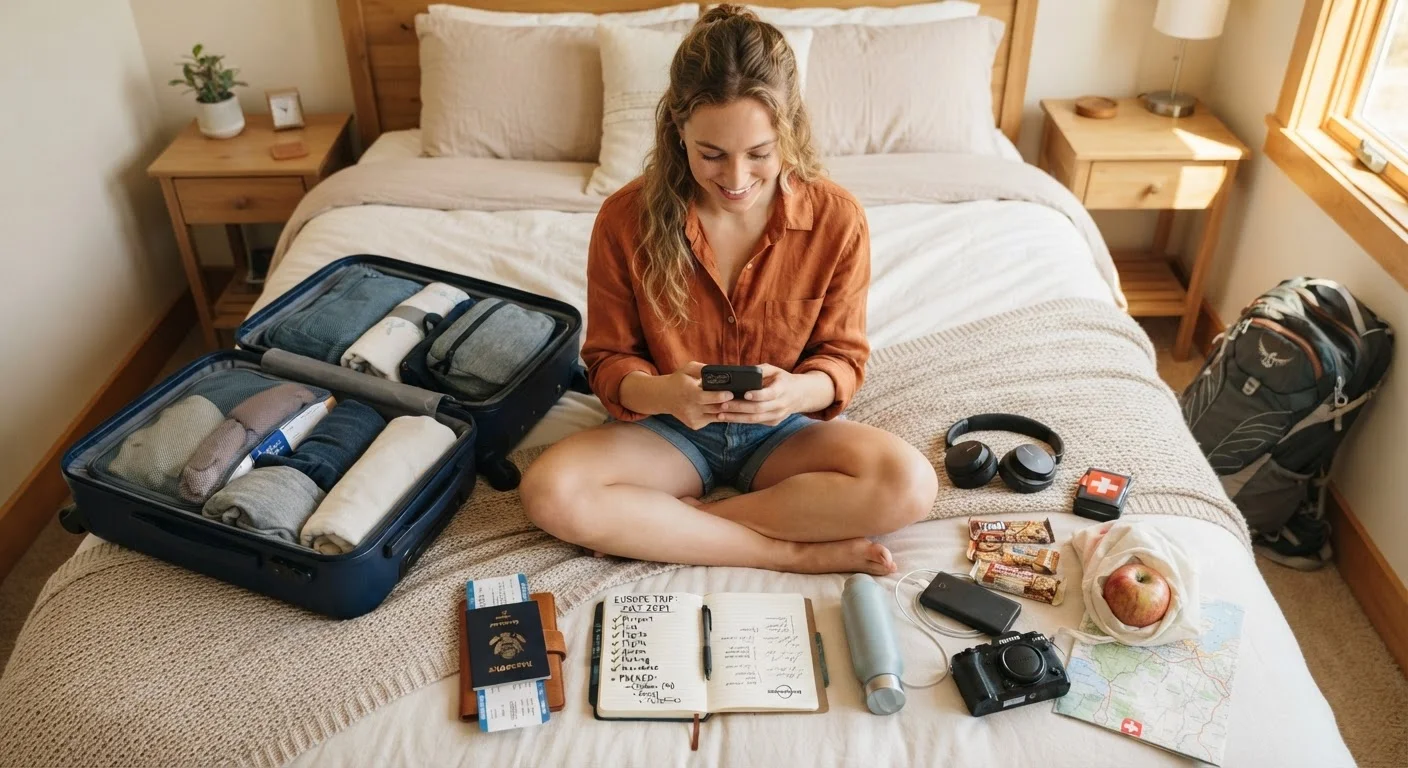
Minimising fees starts at home, not at the airport. The steps below require a few straightforward prep tasks. Make sure you have the following in place before you travel.
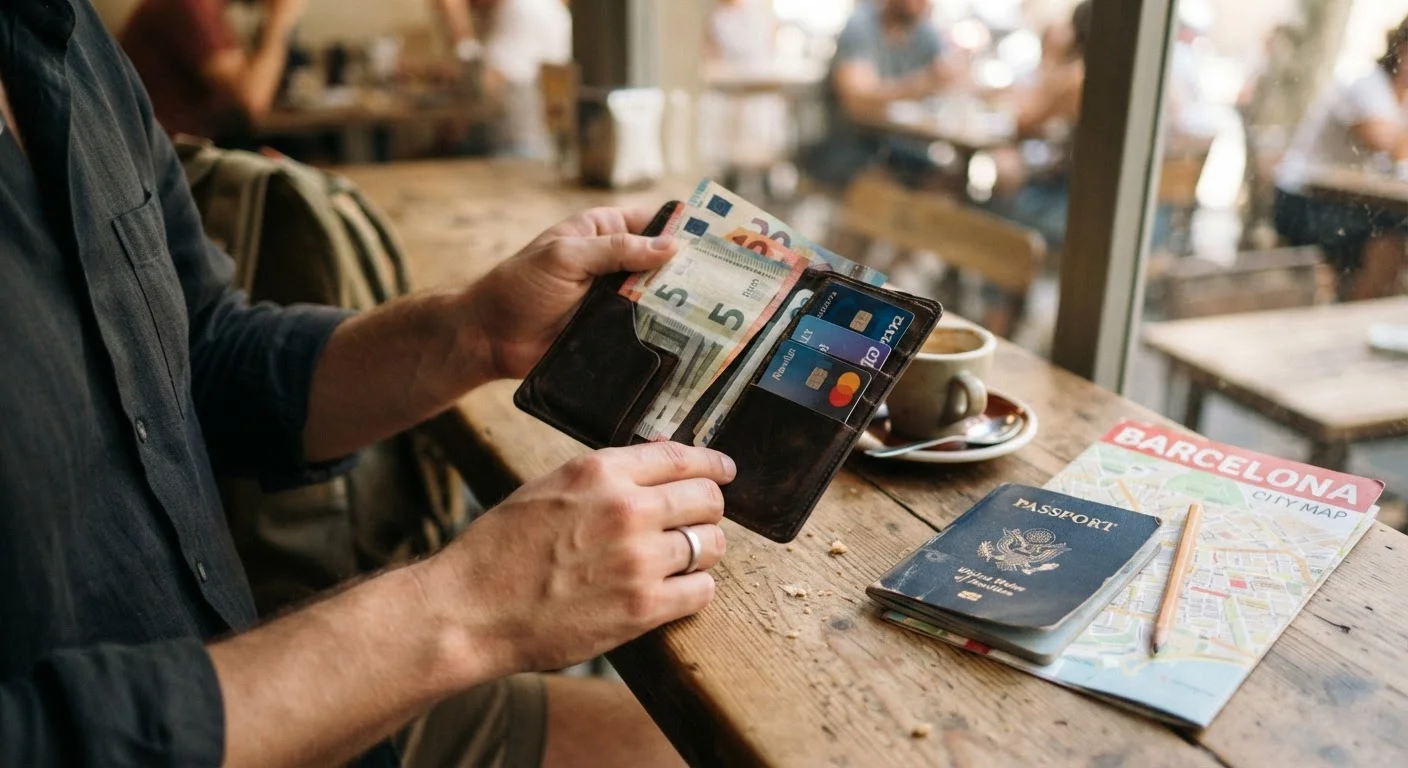
What you will need
Bank or credit union debit card
Primary tool for ATM withdrawals abroad; check your institution's foreign transaction and ATM fees before departure.
A second payment card
Backup card from a different network in case your primary card is blocked, lost, or not accepted.
Mid-market rate reference (e.g. a currency converter app)
Lets you verify whether the rate you're being offered is close to the real exchange rate before you commit.
Money belt or hidden travel wallet
Keeps cash and cards secure against pickpocketing, reducing the financial impact of losing a single method.
Step-by-Step: Managing Cash and Card Fees Abroad
Follow these steps in order - most of the work happens before you board. The decisions you make at home directly determine how much you lose (or keep) once you're travelling.
Review your cards' foreign transaction fees before you pack
Log into your bank account or call customer service and ask two specific questions: does this card charge a foreign transaction fee, and does it charge an ATM withdrawal fee abroad? Foreign transaction fees typically range from 1-3% per purchase. ATM fees often combine a flat charge (commonly $3-$5) with a percentage of the amount withdrawn. Write these numbers down - they determine how you should pay for things once you arrive.
Notify your bank of your travel dates and destinations
Banks flag unusual foreign activity as potential fraud and may freeze your card without warning. Call your bank or use its app to add a travel notice covering every country on your itinerary, including layover countries if you'll use your card there. Confirm your international customer service number and save it in your phone - you'll need it if your card is blocked while abroad.
Get a small amount of local currency before or on arrival - strategically
You'll likely need local cash immediately for transit, tips, or small vendors who don't accept cards. Ordering a modest amount through your US bank before departure often gives a better rate than airport kiosks. If that's not possible, use an ATM inside the arrivals terminal that belongs to a major local bank - not a standalone third-party machine, which typically charges higher fees. Withdraw enough to cover your first 24-48 hours, not your entire trip.
Always pay in local currency when using your card
At restaurants, shops, and hotels, card machines frequently prompt you to pay in USD - this is dynamic currency conversion (DCC). It sounds convenient but the rate applied is set by the merchant's payment processor, not your bank, and is almost always unfavorable. When asked, select the local currency option every time. The same rule applies at ATMs: if the machine offers to convert the amount to USD for you, decline and proceed in local currency.
Track your spending and remaining cash daily
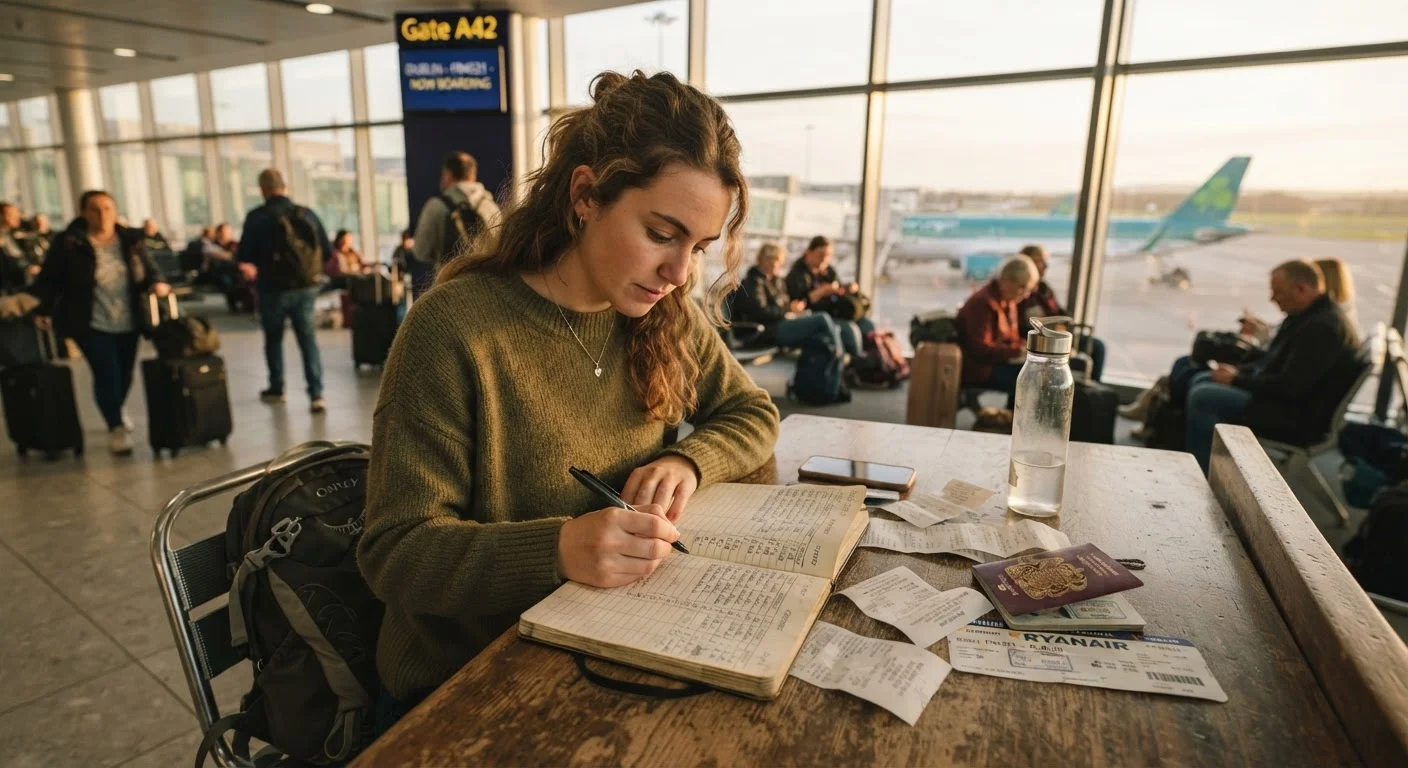
Set a simple daily cash budget and check it each evening. Knowing how much local currency you have left prevents both running out at an inconvenient moment and over-withdrawing more than you need - leaving you with leftover foreign bills that are harder to convert back without losing value. A basic notes app or small notebook works fine for this. If you consistently run short, you can adjust your daily withdrawal amount rather than making emergency exchanges at tourist-rate booths.
Handle leftover currency before you leave
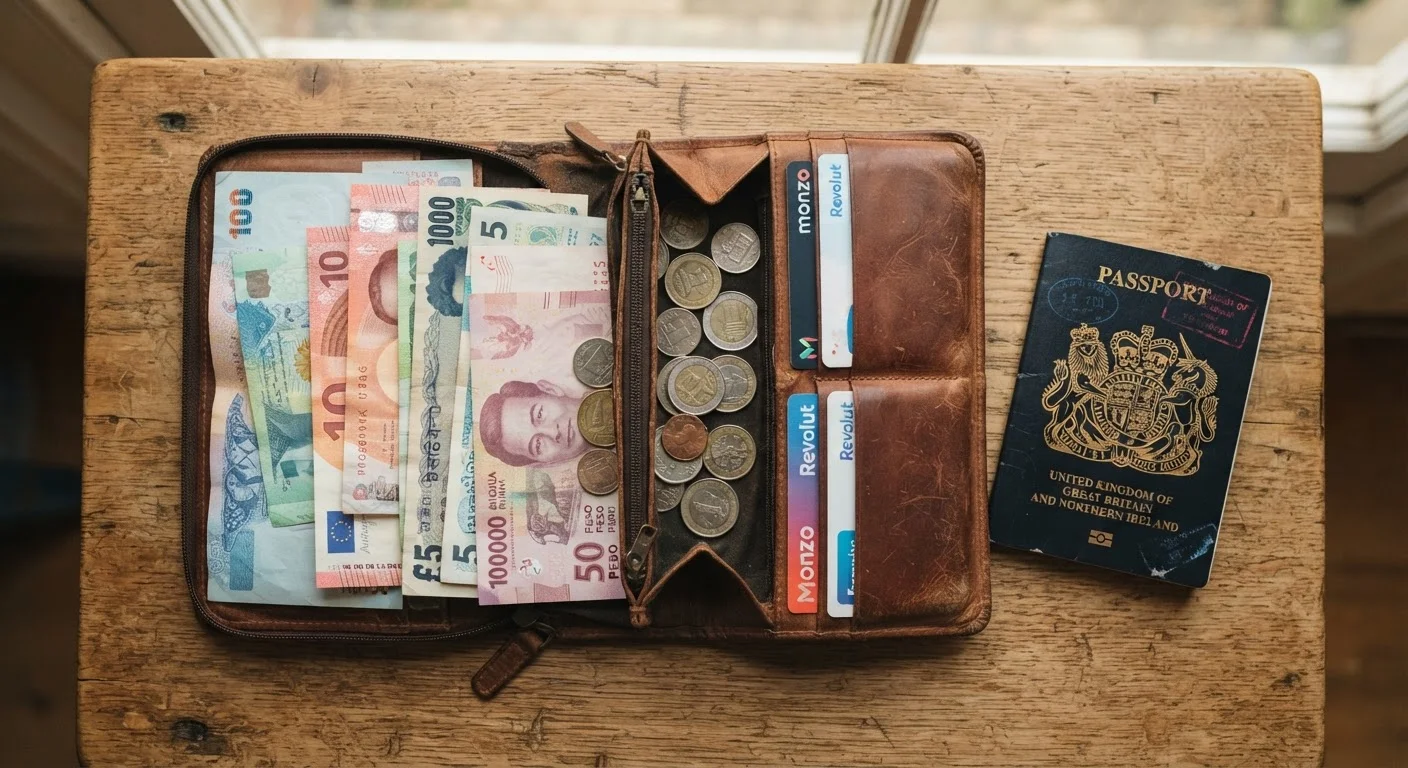
Converting leftover foreign currency back to USD at the airport on the way home typically gets you the worst rate of the entire trip. Instead, spend remaining coins and small bills on food or transport, use notes to pre-pay for anything you'd buy anyway, or keep them if you plan to return. If you do need to convert, a bank in your destination city will generally give a better rate than an airport booth.
Always Choose Local Currency at the Terminal
When a card reader or ATM asks whether you want to pay in your home currency (USD) or the local currency, always choose local currency. The merchant's dynamic currency conversion rate is set by a third party and is almost always worse than your card's rate. This single habit can save you 3-8% on every transaction.
Common Pitfalls and How to Sidestep Them
Even well-prepared travelers get caught by a few recurring traps. Dynamic currency conversion is the most expensive one, covered above, but it's not the only one. Prepaid travel money cards marketed at travelers often come with reload fees, inactivity fees, and exchange rates padded above the mid-market rate - read the fee schedule carefully before committing to one. Similarly, traveler's cheques have largely fallen out of practical use and are rarely accepted without a hassle.
Another overlooked issue is card acceptance gaps. Some destinations - particularly rural areas, local markets, and smaller guesthouses - operate primarily on cash, meaning heavy reliance on cards isn't always an option. The safety trade-offs between cash and cards are worth reading through before you decide how to weight your mix. And for the full picture of first-time travel money mistakes, spending traps that catch first-time budget travelers covers the broader landscape.
Check Your Bank's International ATM Network
Many US banks belong to international ATM alliances or partner networks where withdrawal fees are reduced or waived entirely. Log into your bank's app or website before you leave and search for partner ATMs at your destination. Using a network ATM instead of a random machine can eliminate the flat withdrawal fee altogether.
This article provides general financial information for educational purposes only and does not constitute personalised financial advice. Fees, rates, and card policies vary by institution and are subject to change - verify current terms directly with your bank before travelling.