Why Car Fluids Matter Beyond Engine Oil
Most new drivers know they need to change the engine oil - but a car actually depends on five or more distinct fluids to run safely. Each one serves a specific system, and letting any of them run low or go bad can lead to expensive repairs or, worse, a dangerous situation on the road.
This reference guide covers the six fluids you're most likely to encounter, what each one does, how to locate it, and what warning signs to watch for. For a broader picture of routine upkeep, see our plain-language maintenance overview.
| Number of key car fluids | 6 (coolant, brake fluid, power steering, transmission, washer fluid, engine oil) |
| Coolant replacement interval | Typically every 30,000-50,000 miles (Varies by manufacturer; check your owner's manual) |
| Brake fluid replacement interval | Every 2-3 years regardless of mileage (General industry guidance; confirm with owner's manual) |
| Transmission fluid interval (automatic) | 30,000-60,000 miles (varies widely) (Driving conditions and vehicle type affect interval) |
| Healthy brake fluid color | Clear to light yellow |
| Monthly fluid check time | Under 5 minutes (Engine should be cold before checking most reservoirs) |
The Six Essential Car Fluids
Coolant (Antifreeze)
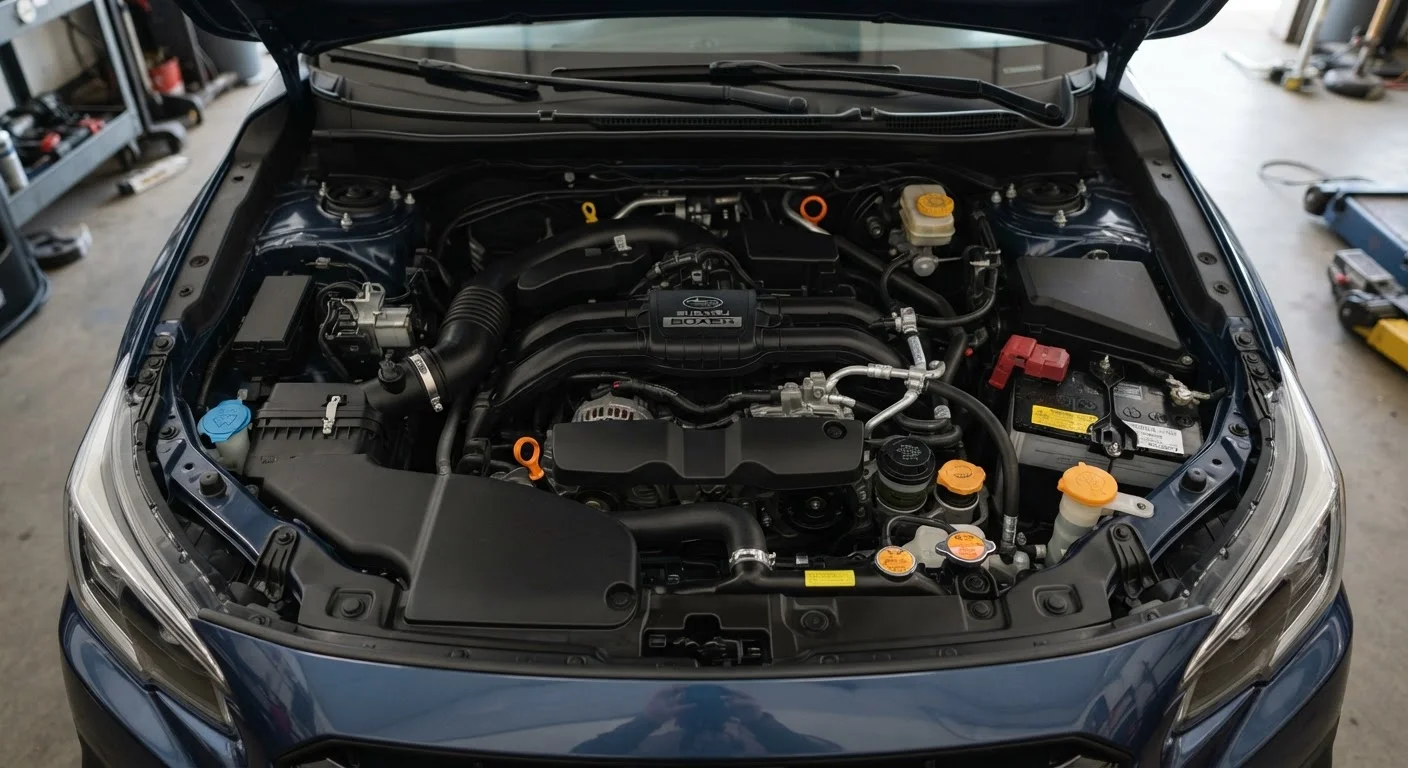
Coolant circulates through the engine to regulate temperature - preventing overheating in summer and freezing in winter. It's stored in a translucent plastic reservoir near the radiator and is typically bright green, orange, or pink. Low or milky coolant can signal a leak or a failing head gasket; either warrants a mechanic's inspection. Most manufacturers recommend flushing and replacing coolant every 30,000-50,000 miles, but always defer to your owner's manual. Before checking, make sure the engine is fully cool - opening a hot radiator cap is a burn hazard.
Brake Fluid
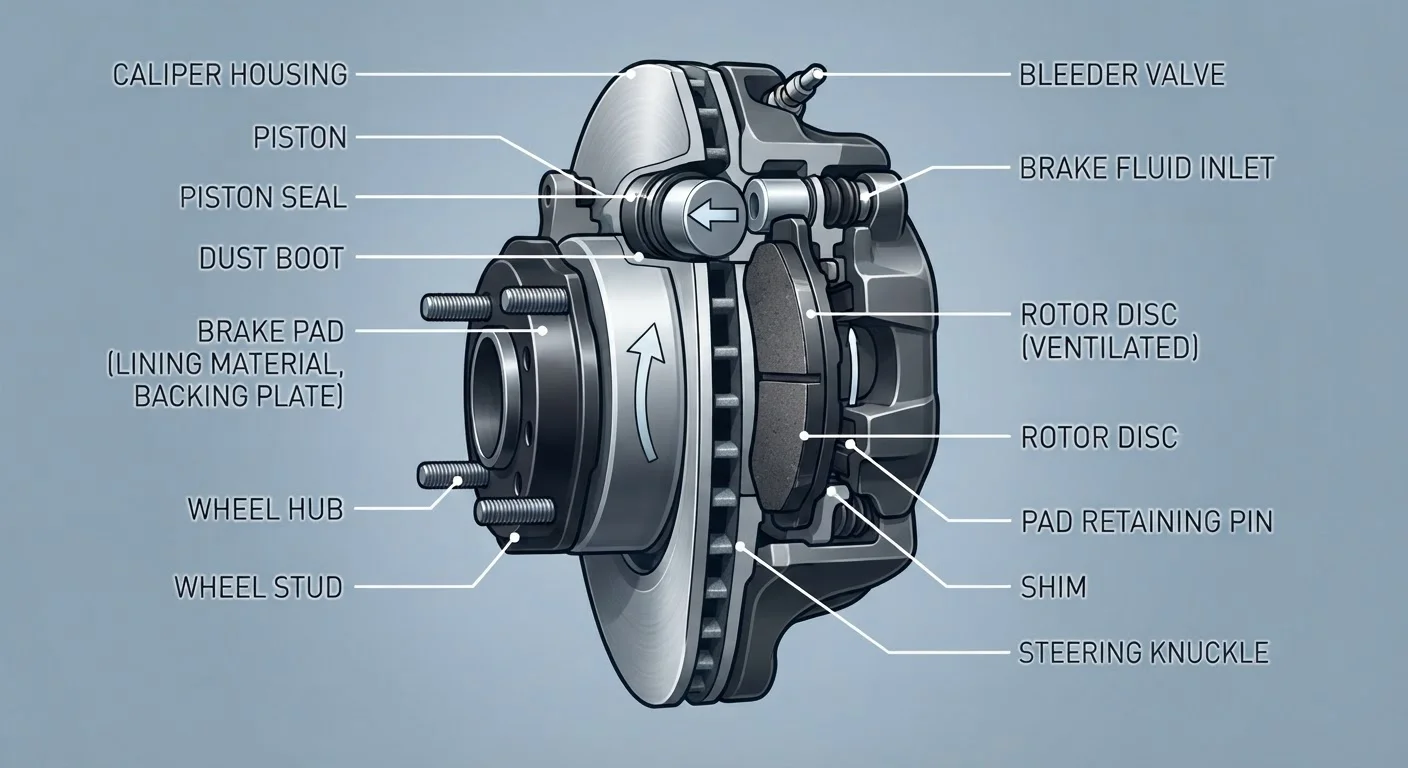
Brake fluid transfers the force of your foot pedal through hydraulic lines to stop the vehicle. It lives in a small reservoir on top of the brake master cylinder, usually near the firewall on the driver's side. Fresh brake fluid is nearly clear to light yellow; dark brown fluid means it has absorbed moisture and lost effectiveness. Brake fluid is hygroscopic (it absorbs water from the air), so it typically needs replacing every 2-3 years regardless of mileage. Because brakes are a primary safety system, low or contaminated fluid should be addressed by a qualified mechanic promptly. Learn more about the full braking system in our article on how brakes actually work.
Power Steering Fluid
Power steering fluid (in non-electric systems) pressurizes the steering rack so you can turn the wheel with minimal effort. Its reservoir is typically labeled and located near the engine's accessory belt. A whining noise when you turn the wheel or stiff steering often signals low fluid. Many vehicles now use electric power steering with no fluid to check - consult your owner's manual to confirm which type you have.
Transmission Fluid
Transmission fluid lubricates the gears and internal components of your transmission. In many automatic vehicles, it's checked via a dipstick (some sealed transmissions have no dipstick - a dealer or mechanic must check these). Healthy fluid is red and slightly sweet-smelling; dark or burnt-smelling fluid indicates degradation. Typical replacement intervals range from 30,000 to 60,000 miles for automatic transmissions, though driving habits and vehicle type affect this significantly.
Windshield Washer Fluid
The only fluid on this list that doesn't affect mechanical performance - but running out mid-drive in dusty or wintry conditions is a real safety issue. Use a washer fluid formulated for your climate; plain water can freeze in cold temperatures and may leave mineral deposits on your wiper blades.
Engine Oil
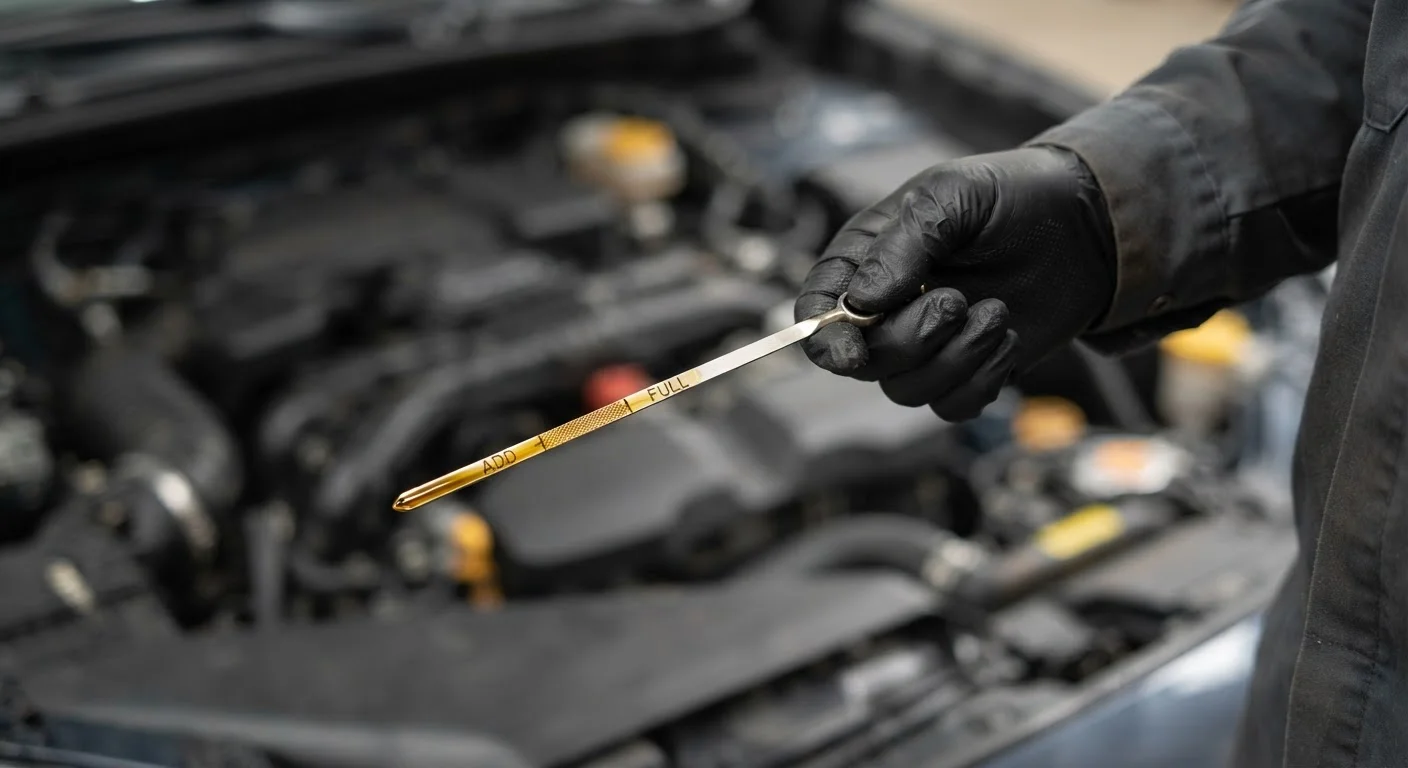
While not the focus of this guide, engine oil is the most frequently checked fluid. For a detailed breakdown of grades and change intervals, see our guide on engine oil grades and change intervals.
Coolant (Antifreeze)
A liquid mixture - typically water and ethylene glycol - that circulates through the engine to regulate temperature. It prevents the engine from overheating in summer and the fluid from freezing in winter.
Brake Fluid
A hydraulic fluid that transmits pressure from the brake pedal through brake lines to activate the brakes. It must maintain consistent performance under high heat and pressure.
Hygroscopic
Describes a substance that readily absorbs moisture from the surrounding air. Brake fluid is hygroscopic, which is why it degrades over time even without heavy use.
Transmission Fluid
A lubricating fluid that keeps the gears and internal components of your transmission cool and properly lubricated. Automatic and manual transmissions typically use different types.
Power Steering Fluid
A hydraulic fluid used in vehicles with traditional (non-electric) power steering systems. It allows the driver to turn the steering wheel with less physical effort.
Master Cylinder
The component in a hydraulic brake system that converts the physical pressure of the brake pedal into hydraulic pressure. It contains the brake fluid reservoir on most vehicles.
Building a Simple Fluid Check Habit
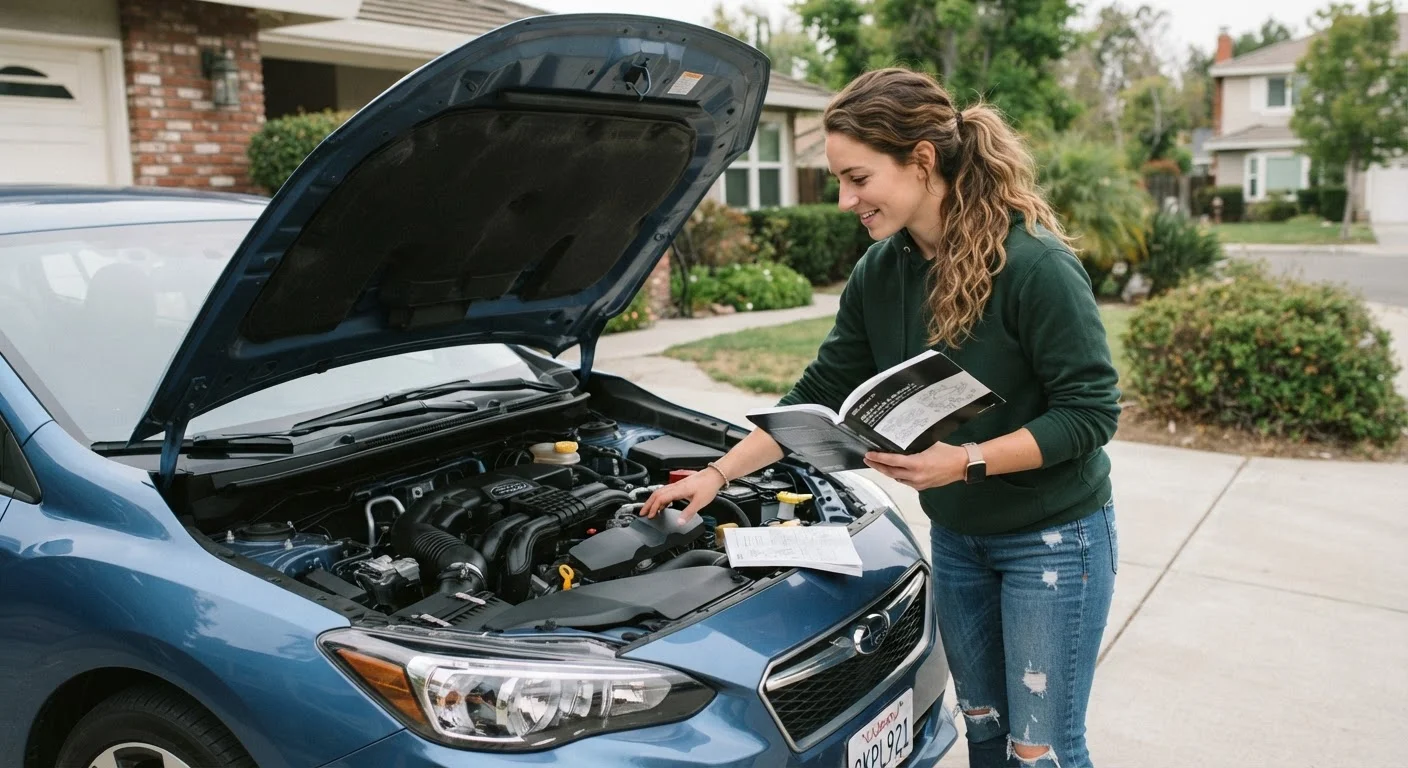
You don't need a mechanic's background to stay on top of these fluids. A quick visual check of your reservoirs once a month - ideally when the engine is cold - takes under five minutes. Look for the fill lines marked on each reservoir and compare the fluid's color to what's described above.
Seasons place extra stress on coolant and washer fluid in particular. Our seasonal car check guide walks through what to inspect before temperature extremes hit. If you want a structured view of when manufacturers typically schedule fluid services, reading your service schedule explains how to decode the intervals in your owner's manual.
When in doubt about any fluid's condition or level, having a trusted mechanic take a look is always a sound call - catching a minor issue early is nearly always less costly than waiting.
This article is for general informational purposes only. Always consult your vehicle's owner's manual and a qualified mechanic for maintenance decisions specific to your car.