The Real Question: Risk vs. Reward
Most new car owners face the same dilemma: pay a mechanic for everything, or try to save money by doing it yourself? The honest answer is that both approaches have a place - the trick is matching the task to the right person.
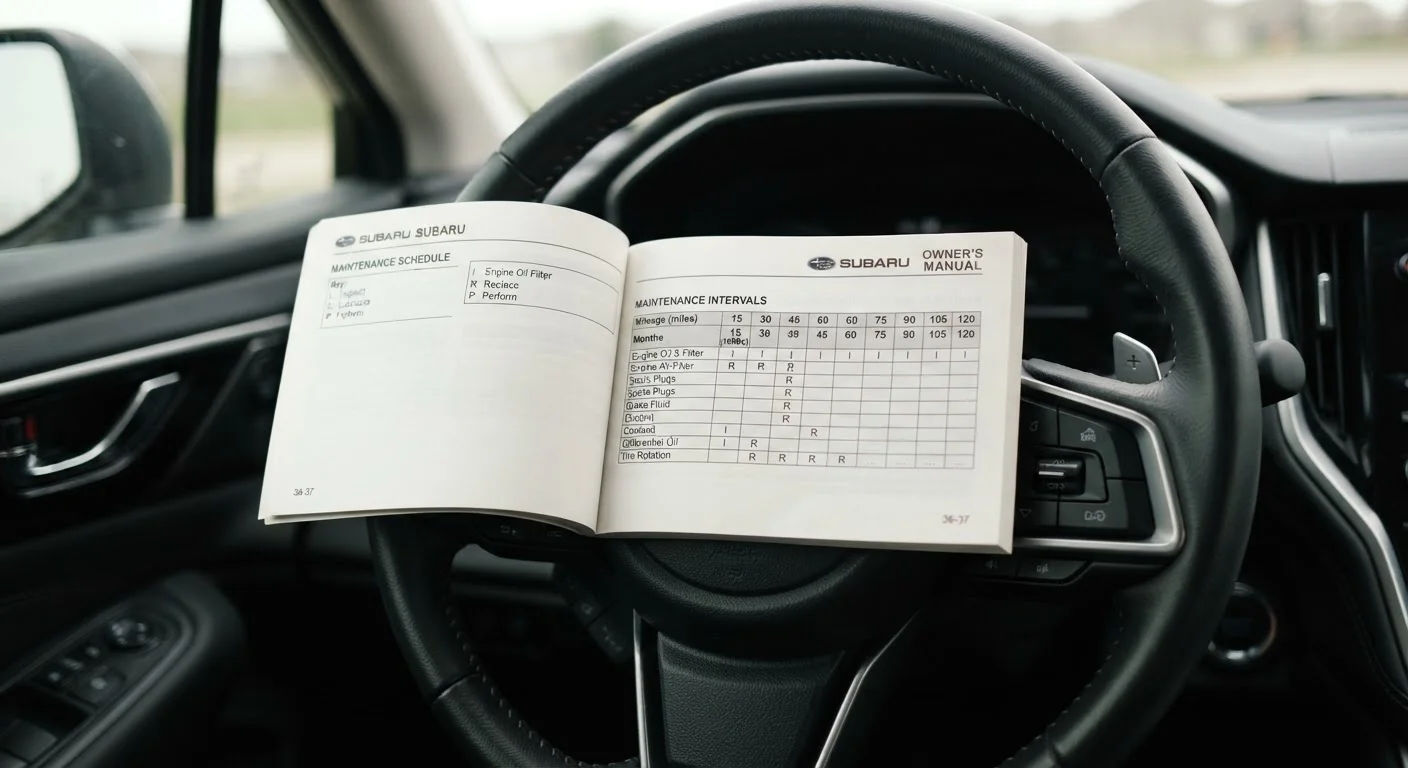
DIY car maintenance is genuinely worth it when the job is low-risk, well-documented, and doesn't require specialized tools or a lift. It becomes a problem when overconfidence leads someone into brake or fuel system territory without the proper training. To understand what your vehicle actually needs and when, start by reading your service schedule - it tells you exactly what's due and at what mileage.
Before picking up a wrench, ask yourself three questions: Could a mistake here cause an accident or injury? Does this job require tools I don't own? Would a failed attempt cost more to fix than a professional would have charged? If the answer to any of these is yes, the job belongs at a shop.
Tasks Most Beginners Can Handle Safely
The following jobs are widely considered beginner-accessible when you follow your owner's manual, use the right parts, and work carefully:
- Engine air filter replacement - Usually tool-free and takes under 10 minutes. A clogged filter reduces fuel efficiency and engine performance.
- Windshield wiper blades - Straightforward swap with instructions on the packaging. Replace when streaking starts.
- Cabin air filter - Typically behind the glove box. Improves interior air quality and HVAC efficiency.
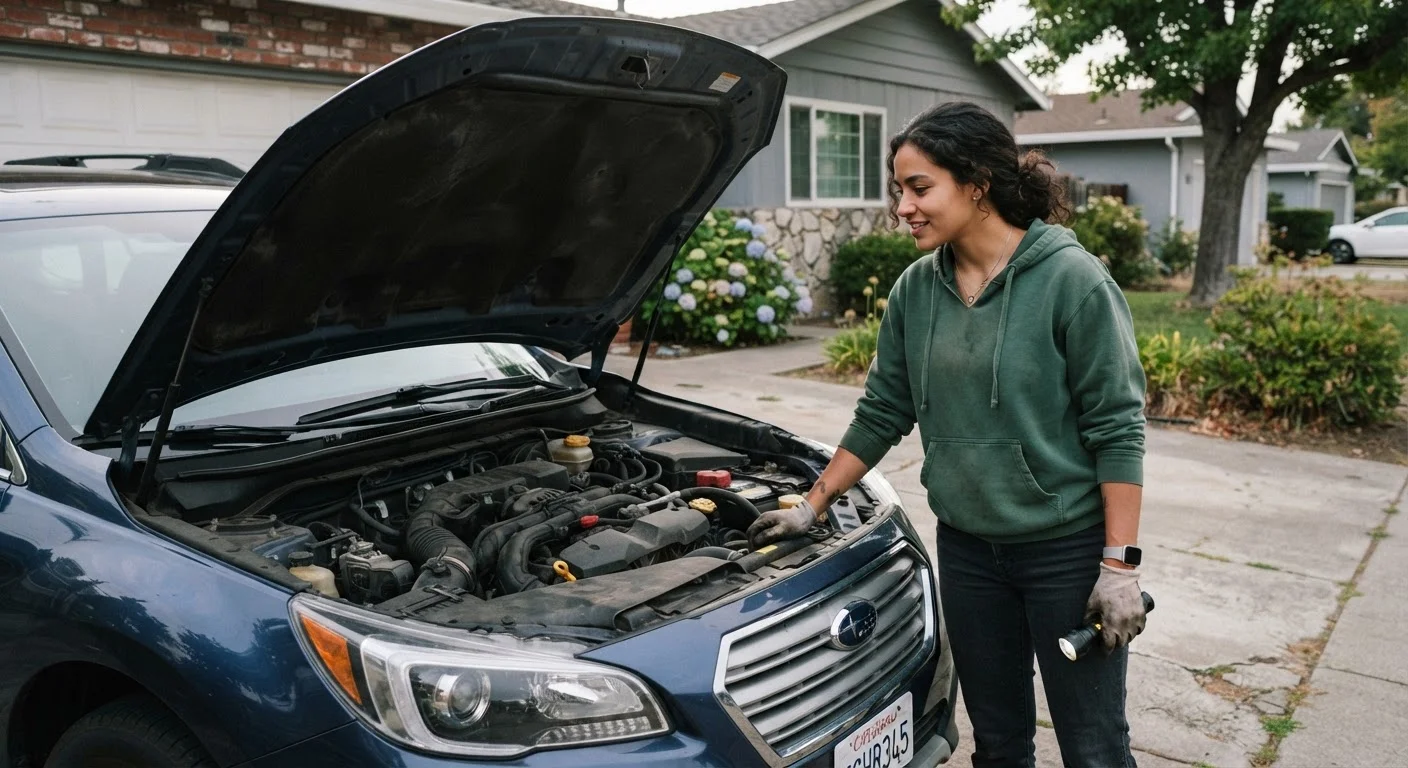
- Checking and topping off fluids - Coolant, washer fluid, and power steering fluid (where applicable) have clearly labeled reservoirs. Check levels monthly.
- Battery terminal cleaning - Corrosion buildup on terminals causes starting problems. A wire brush and baking soda solution handle this safely when the car is off and terminals are disconnected in the correct order.
- Tire pressure checks - A basic gauge costs a few dollars. Under-inflated tires wear faster and reduce fuel economy. Check cold, before driving.
Start With Your Owner's Manual
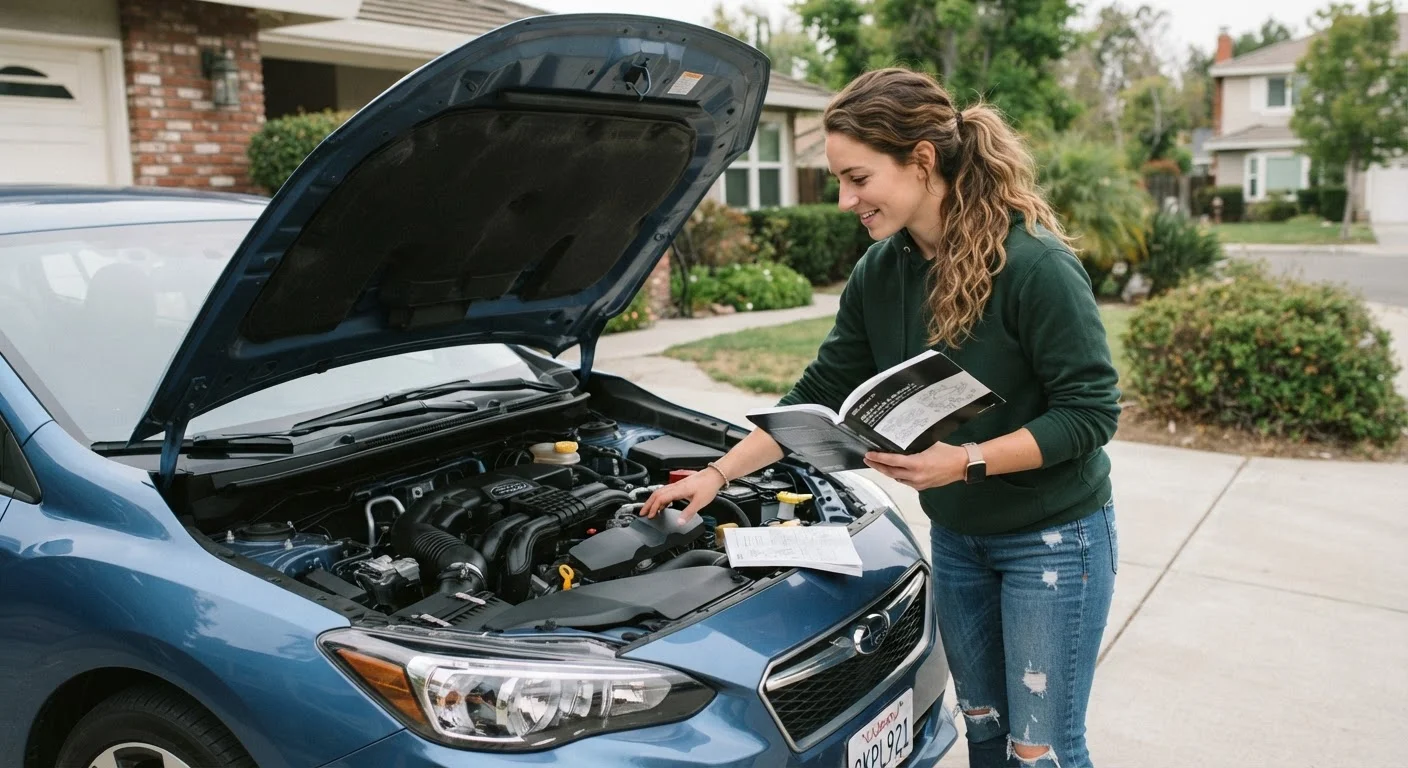
Before attempting any maintenance task, check your vehicle's owner's manual first. It lists the correct fluid specs, filter part numbers, torque values, and service intervals specific to your car. Using the wrong spec - even on a simple job like an oil top-off - can cause real damage. Most manuals are also available as free PDFs on the manufacturer's website if your paper copy is missing.
For more context on how these tasks fit into your vehicle's overall upkeep rhythm, see our plain-language maintenance overview for new drivers.
Work That Should Go to a Professional
Some jobs look approachable in online videos but carry consequences that beginners aren't equipped to manage:
- Brake pads and rotors - Brake failure is one of the leading causes of vehicle accidents. Improper installation can cause brake fade, pull, or complete loss of stopping power. This is a job for a qualified mechanic.
- Suspension and steering components - A misaligned strut or loose tie rod end can make the vehicle unpredictable at speed. Diagnosis also requires a proper alignment rack.
- Timing belt or chain replacement - Getting this wrong can destroy an engine. The intervals and procedures are precise and vehicle-specific.
- Fuel system repairs - Fuel is flammable and pressurized. Fuel line, injector, and pump work should only be performed by someone trained to do it safely.
- Airbag and safety system components - These systems can deploy unexpectedly and cause serious injury during service.
DIY Mistakes Can Cost More Than a Mechanic
A stripped oil drain plug, an incorrectly seated brake pad, or a broken sensor clip can quickly turn a money-saving project into a costly repair. If a task is more complicated than your research suggested, stopping and consulting a mechanic is always the right call. Never continue a job you're unsure about on safety-critical systems.
If your vehicle is still under warranty, always confirm with your manufacturer what maintenance must be performed at an authorized service center to keep coverage intact. DIY work on certain systems may affect your warranty - read the fine print or ask before you start.
How to Make the Comparison Work for You
A useful habit is treating DIY and professional service as complementary rather than competing. Handle the straightforward upkeep yourself to build familiarity with your car, and budget those savings toward professional service on the jobs that matter most for safety.
| DIY Maintenance | Professional Mechanic | |
|---|---|---|
| Cost | Parts cost only; no labor charge | Parts plus labor; higher upfront cost |
| Safety risk | Low on routine tasks; high if misjudged | Managed by trained technician |
| Tools required | Basic hand tools for simple jobs | Specialized equipment available on-site |
| Warranty impact | May affect coverage on some systems | Generally preserves manufacturer warranty |
| Skill needed | Varies; some tasks are beginner-friendly | Certified training for complex work |
| Best for | Filters, fluids, wipers, tires | Brakes, suspension, fuel, timing systems |
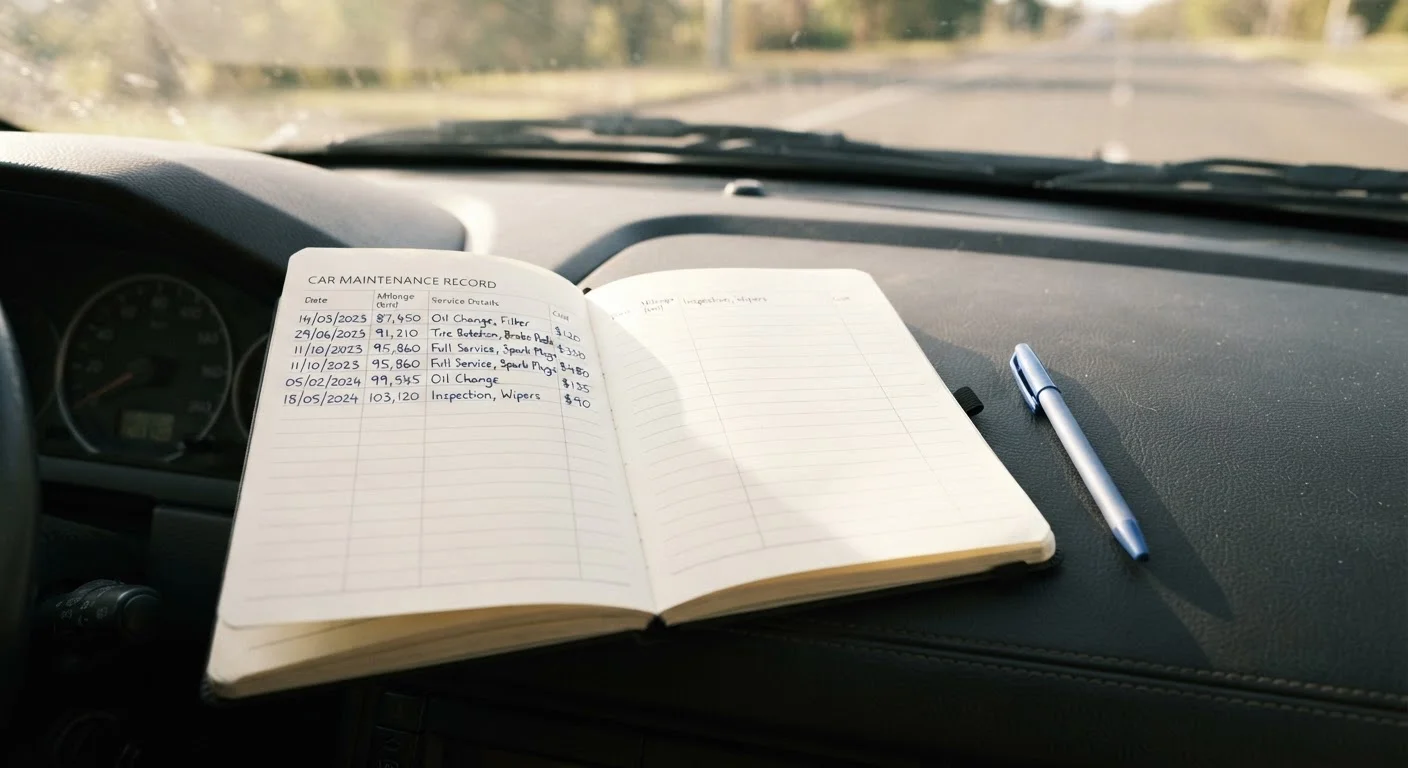
Keeping a running record of every service - whether you did it yourself or paid a shop - makes this partnership more effective. Our guide on keeping a car maintenance log explains how to start one and why it pays off at resale and when diagnosing future problems.
When you do go to a shop, go prepared. Knowing what you've already checked, what symptoms you've noticed, and what your service schedule says is due puts you in a much stronger position. See our article on talking to a mechanic with confidence for what to ask and when to seek a second opinion.