Why Many New Drivers Leave the Shop Confused
Walking into an auto repair shop without much experience can feel like entering a foreign country. The terminology is unfamiliar, the stakes feel high, and there's often pressure to make fast decisions about work you don't fully understand. The result: many first-time car owners agree to repairs they didn't need, or leave without a clear picture of what was actually done.
This isn't inevitable. A few straightforward habits - preparing before you go, asking the right questions, and knowing your rights as a customer - can completely change how these visits go. See our car maintenance overview for new drivers if you want background on what kinds of work are typically routine before your next visit.
Best Practices for Every Shop Visit
The practices below apply whether you're going in for a routine oil change or an unexpected repair. Implement even three or four of them and you'll notice an immediate difference in how much you understand - and how much you spend.
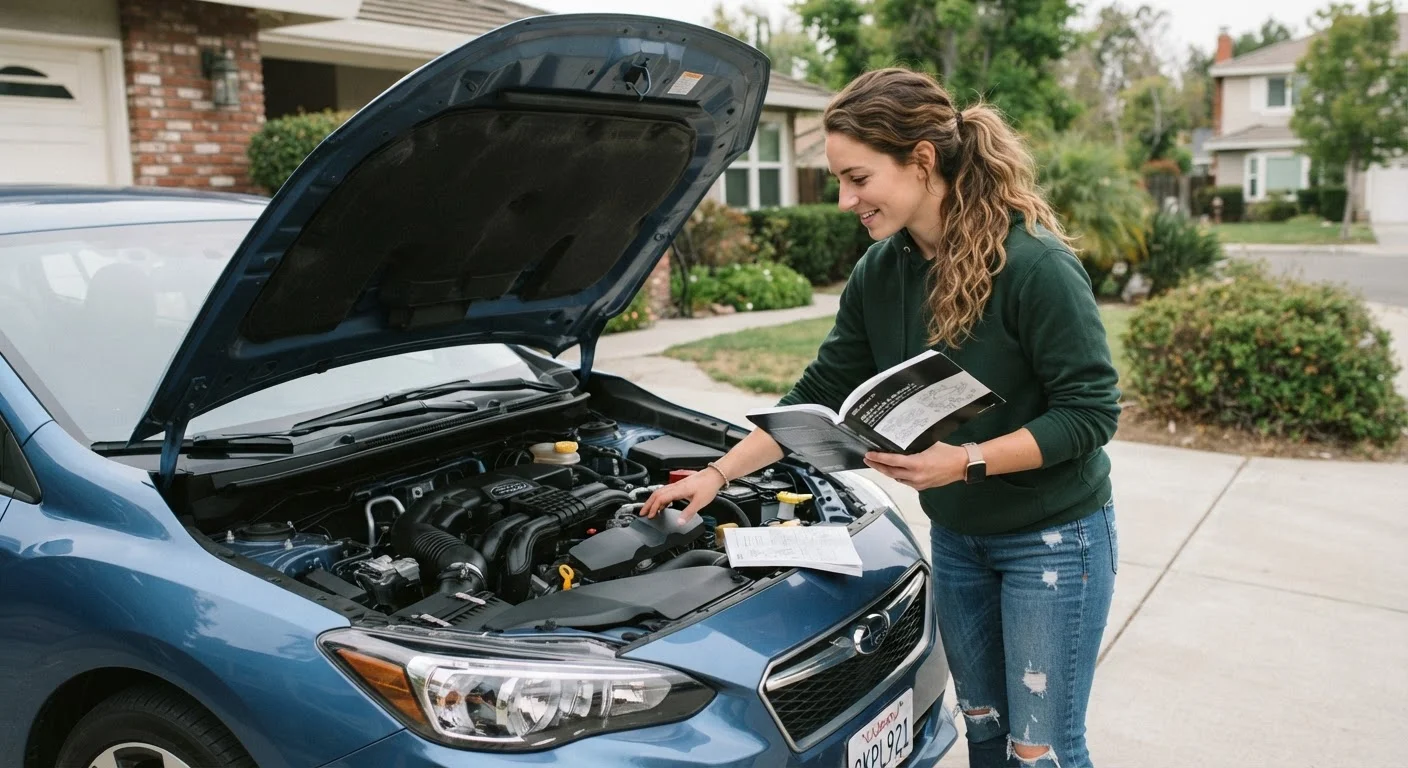
Describe your car's symptoms before you arrive, using specific details
Mechanics diagnose problems faster - and more accurately - when you can tell them when the symptom happens, under what conditions, and how long it's been occurring. Vague descriptions like 'it sounds weird' add time and cost. Specific descriptions narrow the diagnostic window immediately.
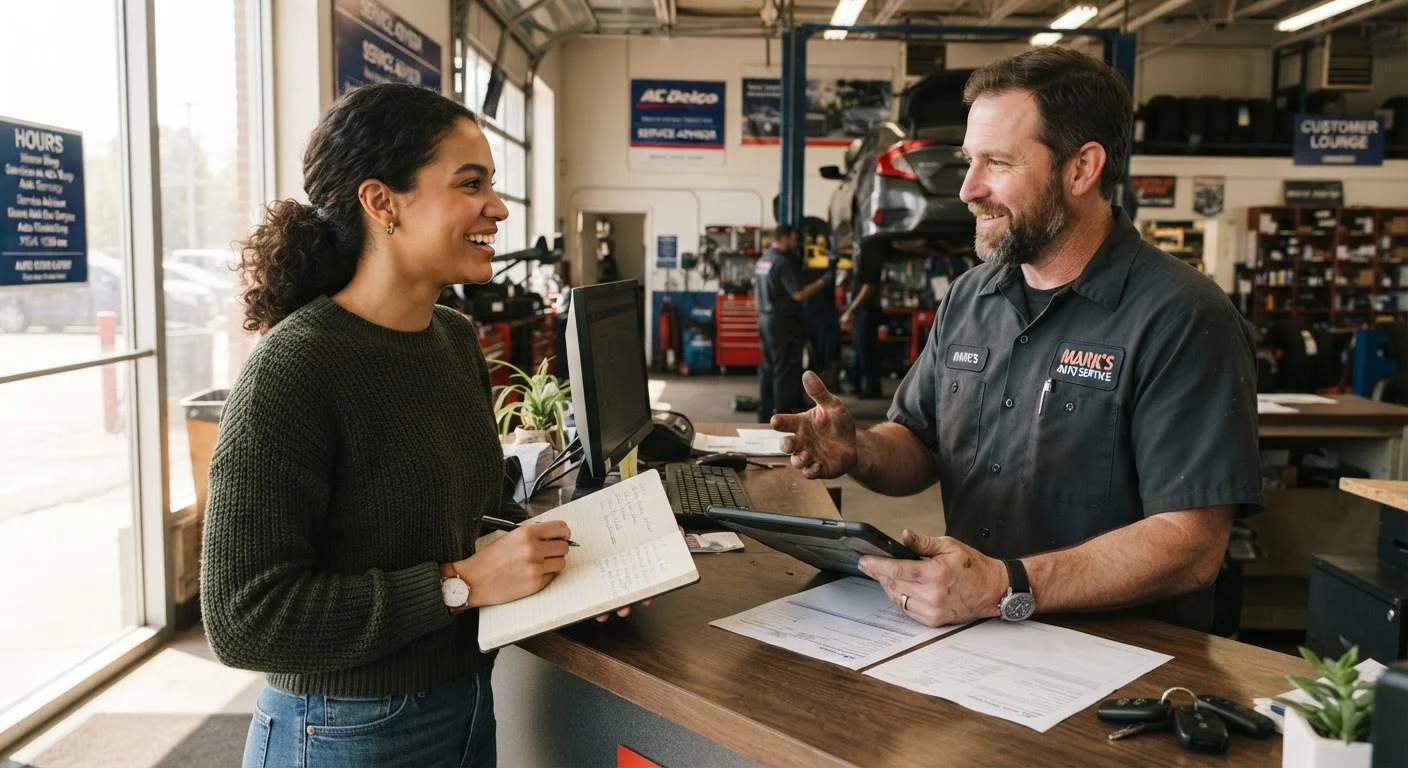
Always ask for a written estimate before authorizing any work
A verbal quote is hard to dispute later. A written estimate lists parts, labor, and fees separately, giving you a clear record of what was agreed upon. Most states require shops to provide one on request, and it protects both parties if there's a disagreement.
Ask the mechanic to show you the problem, or ask for the old part back
Seeing the worn brake pad or the cracked belt yourself removes ambiguity. It confirms the diagnosis is real, helps you learn what deterioration looks like, and builds a working relationship based on transparency.
Separate 'urgent' from 'recommended' repairs before you approve anything
Shops often present a list of items - some safety-critical, some simply advisable. Conflating the two can lead to spending on work that could safely wait. Asking the mechanic to sort repairs into 'needs to be done now' versus 'worth monitoring' helps you prioritize.
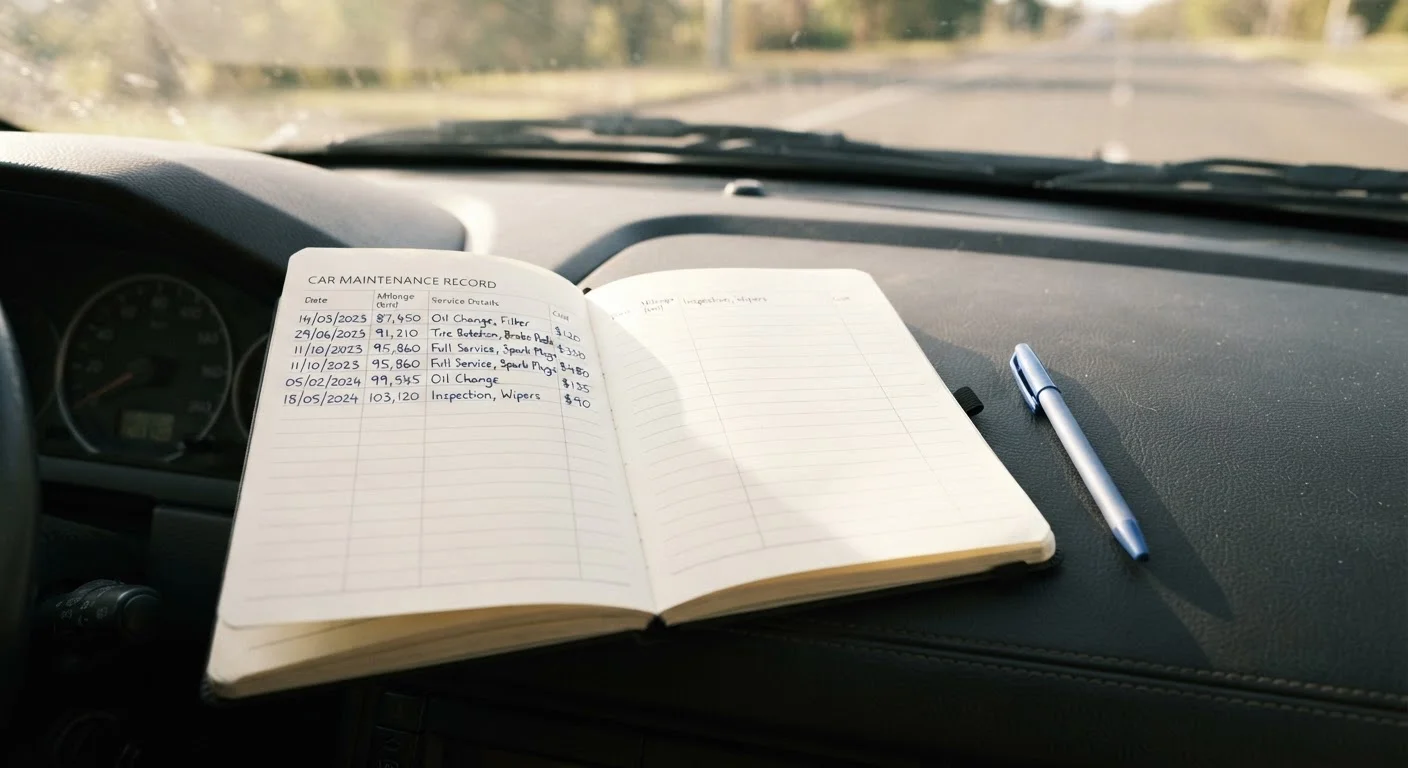
Write down the repair details, mileage, and date before you leave the shop
Memory fades quickly, and the service invoice can get lost. A brief note logged immediately gives you a searchable history that's useful the next time someone recommends the same service, or when you sell the vehicle.
Know that you can decline any repair and come back later
You are never obligated to approve additional work on the spot. Non-urgent repairs can almost always wait while you research the issue, compare estimates, or simply budget for it. Shops expect customers to say 'I'll think about it.'
Quick Wins You Can Use Before Your Next Appointment
You don't need to overhaul your entire approach at once. Start with these concrete actions to build confidence immediately.
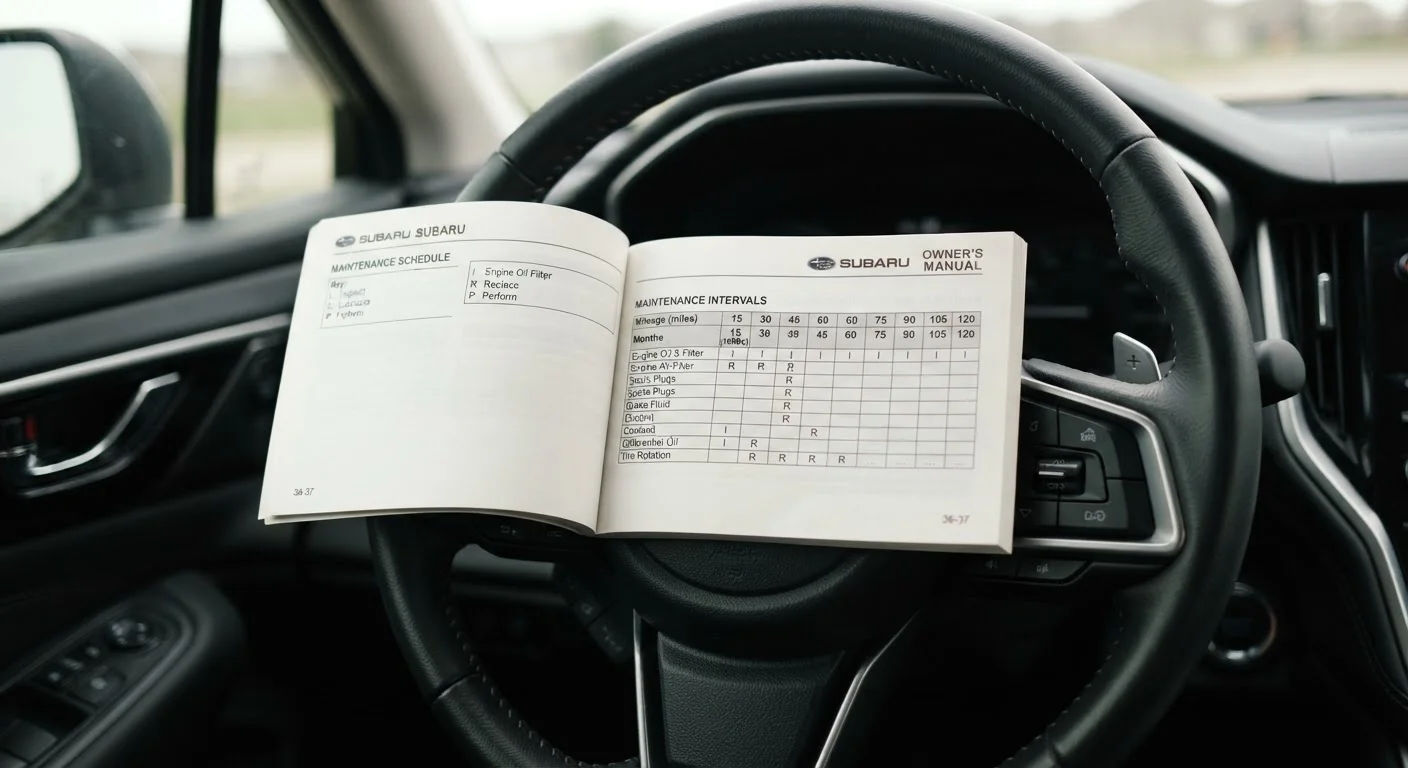
Tracking what gets done also protects you long-term. A simple maintenance log - even a notes app on your phone - lets you confirm whether a service was already performed recently. See our guide on keeping a car maintenance log for a straightforward system to start today.
When a Second Opinion Is the Right Call
Getting a second opinion on a repair estimate is not rude - it's responsible. Any reputable mechanic will understand. Here's when it genuinely makes sense:
- The estimate is unexpectedly high. If you're quoted significantly more than a general online search suggests for a standard repair, another shop's estimate is a useful data point.
- The recommended work wasn't on your radar. If a shop identifies a major issue you've never noticed symptoms of, a second set of eyes confirms whether it's urgent or a watch-and-wait situation.
- You feel rushed. Pressure to approve work immediately - especially expensive work - is a reason to pause, not speed up.
- The explanation is vague. A trustworthy mechanic can explain what's wrong, why it matters, and what happens if you delay, in plain language.
You Don't Need to Decide Immediately
In most situations, a non-emergency repair can wait a day or two while you research or call another shop. The main exceptions are issues that affect immediate safety - brake failure, steering problems, or warning lights tied to systems like the engine or transmission. If a shop tells you the car is unsafe to drive, ask them to explain specifically why before making a decision under pressure.
For context on the broader costs of owning a vehicle, including how to budget for unexpected repairs, the Car Costs & Finance hub covers the full picture in one place.
This article is for general informational purposes only. Repair needs vary by vehicle make, model, mileage, and condition. Always consult a qualified, licensed mechanic for diagnosis and repair decisions specific to your vehicle.