What Each Approach Actually Means
Most people assume that doing something repeatedly is how you get better at it. In many cases, that's partially true - but research in skill acquisition draws a sharp line between two very different types of practice.
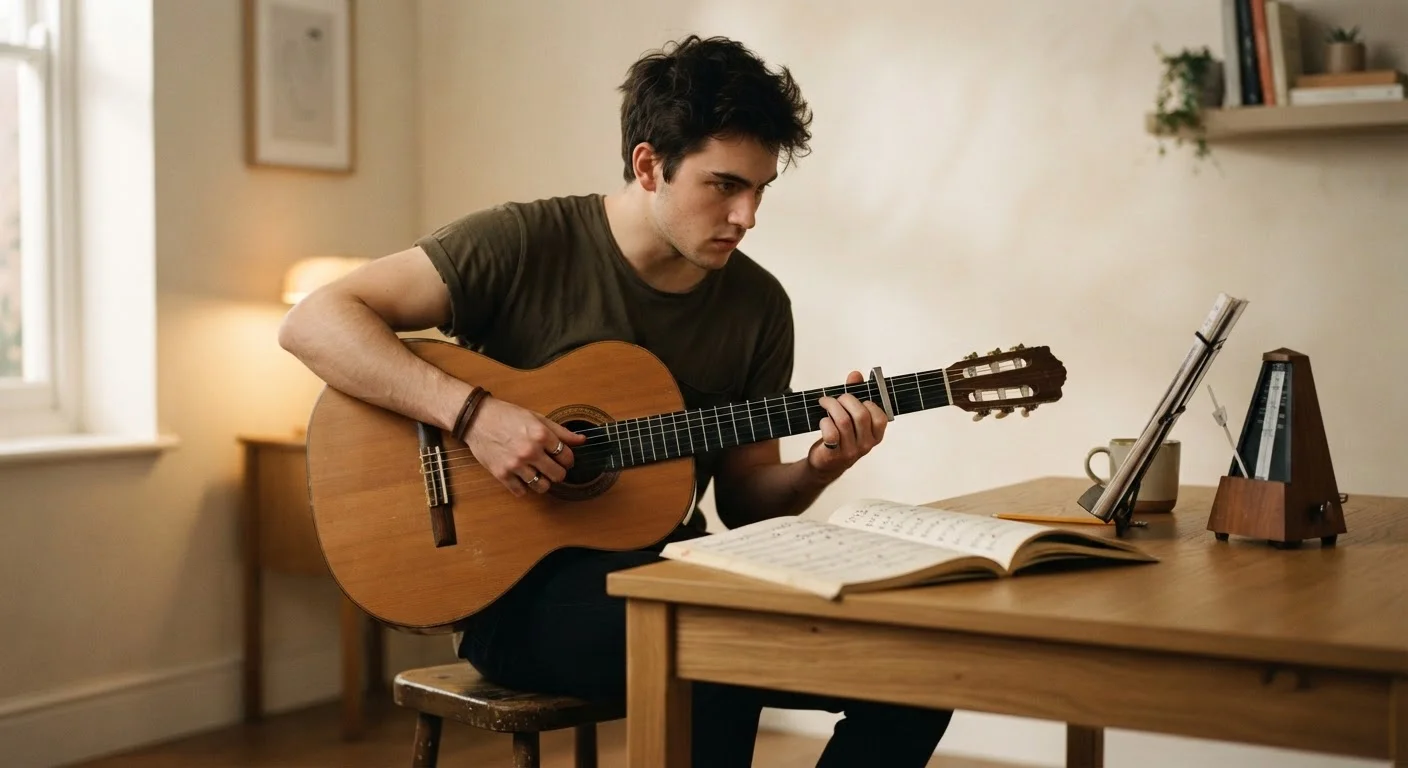
Deliberate practice is a term most closely associated with psychologist K. Anders Ericsson, whose decades of research examined how experts across fields - from chess to music to surgery - actually developed elite skill. His findings, widely discussed in learning science, identified several defining features: deliberate practice targets specific weaknesses, operates just outside your current comfort zone, includes immediate and informative feedback, and demands full concentration. It is, by design, effortful and often uncomfortable.
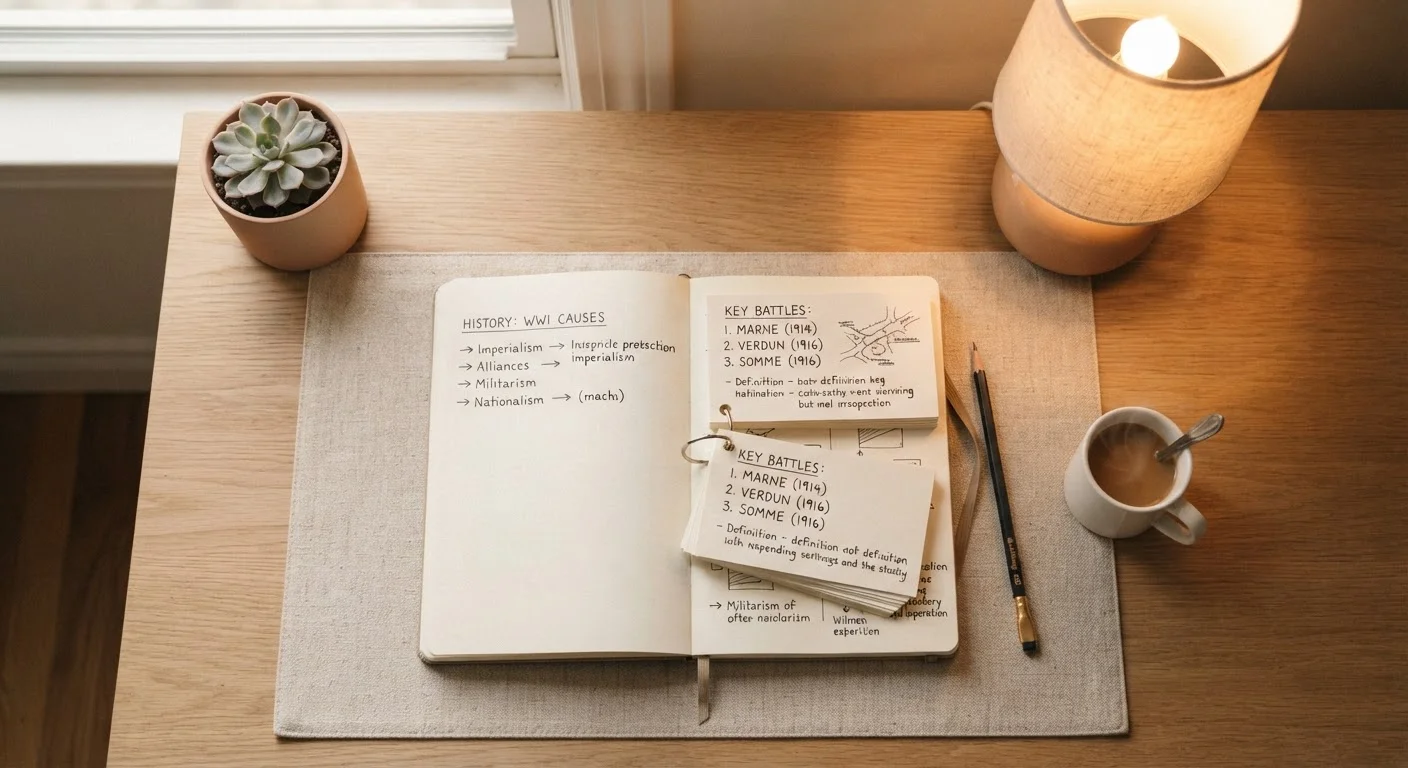
Casual repetition, by contrast, is what most of us default to. You run the same route, play the songs you already know, review notes you've already understood. The activity feels productive because effort is being expended - but the challenge level rarely pushes beyond what's already mastered. Without that productive difficulty, the neural pathways being reinforced are existing ones, not new ones.
The distinction matters because time alone doesn't build expertise. Research consistently shows that hours of low-challenge repetition plateau quickly, while even shorter sessions of deliberate, targeted effort can produce measurable improvement. See our guide to spaced repetition and active recall for related evidence-backed techniques that share deliberate practice's core logic.
Head-to-Head: How They Compare
Looking at both approaches side by side reveals why the gap in outcomes can be so large, even when total time invested looks similar.
| Criterion | Deliberate Practice | Casual Repetition |
|---|---|---|
| Challenge level | Just beyond current ability | Within existing comfort zone |
| Feedback | Immediate and specific | Minimal or absent |
| Mental effort required | High - full concentration needed | Low - can be done on autopilot |
| Skill growth rate | Faster, measurable improvement | Plateaus quickly after basics |
| Sustainability | Tiring - needs limits and recovery | Easy to sustain long-term |
| Best use case | Breaking plateaus, building new skills | Maintaining fluency, building habits |
One element worth highlighting is feedback. Deliberate practice without feedback is significantly less effective - knowing what went wrong and why is what allows a learner to correct and improve. Casual repetition typically provides little corrective information, which means errors can be quietly reinforced rather than resolved. Our article on how feedback loops accelerate skill development explores practical ways to build this into any practice routine.
Why Casual Repetition Isn't Worthless
It would be misleading to frame casual repetition as simply wasted time. It serves real purposes that deliberate practice doesn't always address.
For beginners, casual repetition builds the basic fluency that makes deliberate practice possible. You need to be able to hold a chord before you can focus on your transitions. Relaxed repetition also plays a role in consolidating skills already acquired - a musician running familiar scales isn't improving peak technique, but they're maintaining motor memory and building confidence.
There's also an important motivational dimension. Deliberate practice is cognitively demanding. Sustainable skill-building requires sessions that feel rewarding, and casual repetition can provide that psychological sustenance. The goal isn't to eliminate it - it's to be deliberate about when you're using each mode and what you expect from it. Habits that support learning often include both intense focused work and lower-intensity consolidation periods.
10,000 hrs
Often-cited threshold for expert-level skill
Popularized from Ericsson's research, though Ericsson himself emphasized that only deliberate practice hours count - not any hours spent on an activity.
~1 hr
Typical daily limit for sustained deliberate practice
Ericsson's studies of expert performers found most could sustain high-quality deliberate practice for roughly one hour per day before cognitive fatigue set in.
Applying Deliberate Practice Without Burning Out
Knowing deliberate practice is more effective doesn't automatically make it accessible. Here's how to implement it in a way that's realistic for beginners.
- Set a specific target for each session. Rather than "practice guitar for 30 minutes," aim for "play the chord transition from G to C cleanly at 80 bpm ten times in a row." Specificity creates a feedback mechanism built in.
- Seek immediate feedback. Use recordings, a teacher, a practice partner, or even slow-motion video review. The closer the feedback loop is to the action, the faster the correction happens.
- Work at the edge of ability, not past it. The target difficulty is tasks you can complete roughly 70-80% of the time - hard enough to stretch, achievable enough to learn from.
- Keep sessions shorter and more focused. Research suggests sustained deliberate practice is mentally taxing. Shorter, high-quality blocks often outperform longer, drifting ones.
For readers thinking about longer career trajectories, the professional skills that compound over a career examines which capabilities most reward this kind of consistent, effortful development over time.
This article is for informational and educational purposes only. The learning strategies described reflect general findings from educational and psychological research and are not a substitute for individualized professional guidance.