Why Budget and Nutrition Don't Have to Be in Conflict
A persistent myth says eating well is expensive. In reality, some of the most nutritionally powerful foods - lentils, oats, cabbage, eggs, frozen spinach - cost very little per serving. The challenge isn't usually the price of nutritious food; it's building the habits that make choosing it feel natural.
If you're new to thinking about this, our beginner's guide to balanced eating covers the core principles of food groups and portions in plain language - a useful foundation before layering in budget strategies.
The practices below aren't about restriction or perfection. They're small, repeatable habits that gradually shift how you shop, cook, and eat - without needing a dietitian appointment or a significant lifestyle overhaul.
This article is for general informational purposes only and does not constitute medical or nutritional advice. For personal dietary guidance, please consult a registered dietitian or qualified healthcare professional.
Core Habits That Make Budget Nutrition Work
The following practices are grounded in general nutrition education and practical kitchen experience. Start with one or two rather than attempting all of them at once.
Build your meals around low-cost, high-nutrient staples
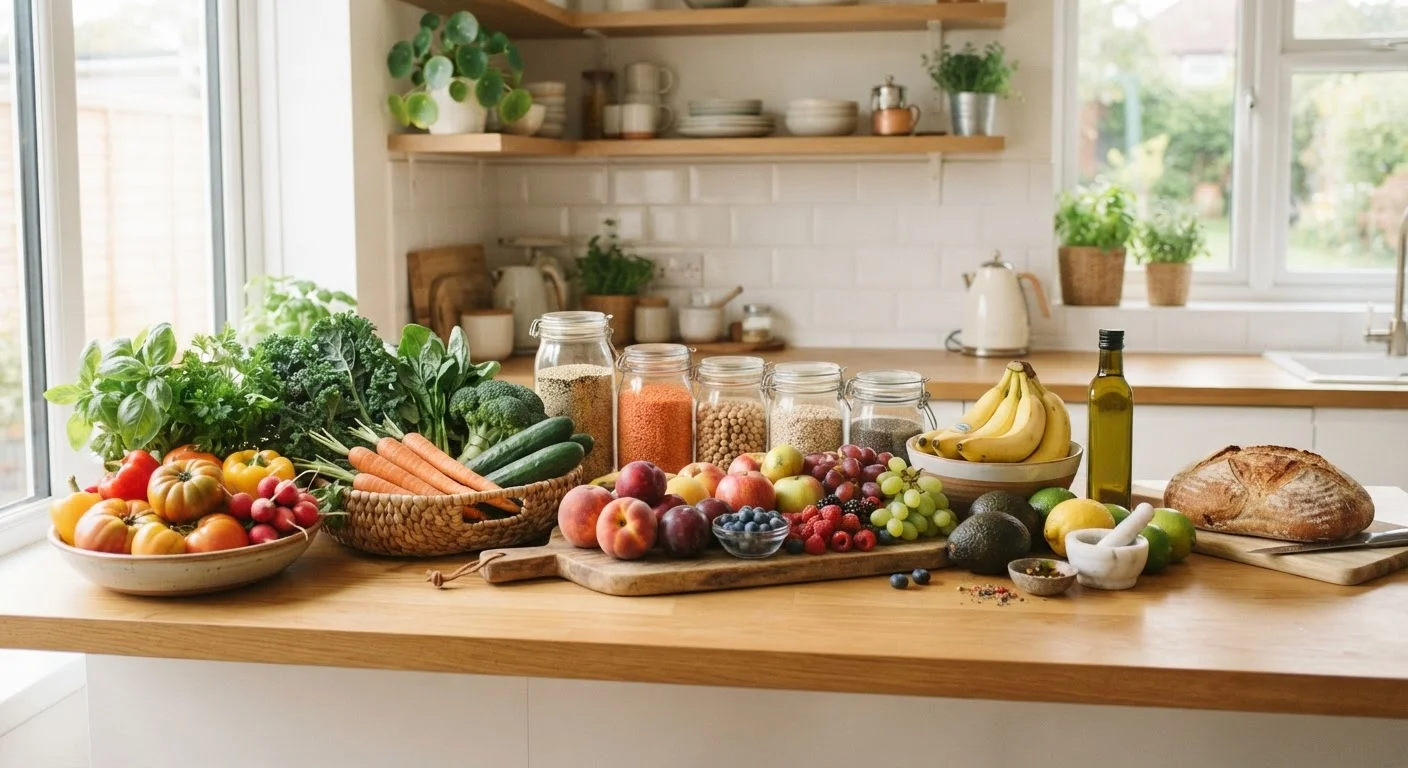
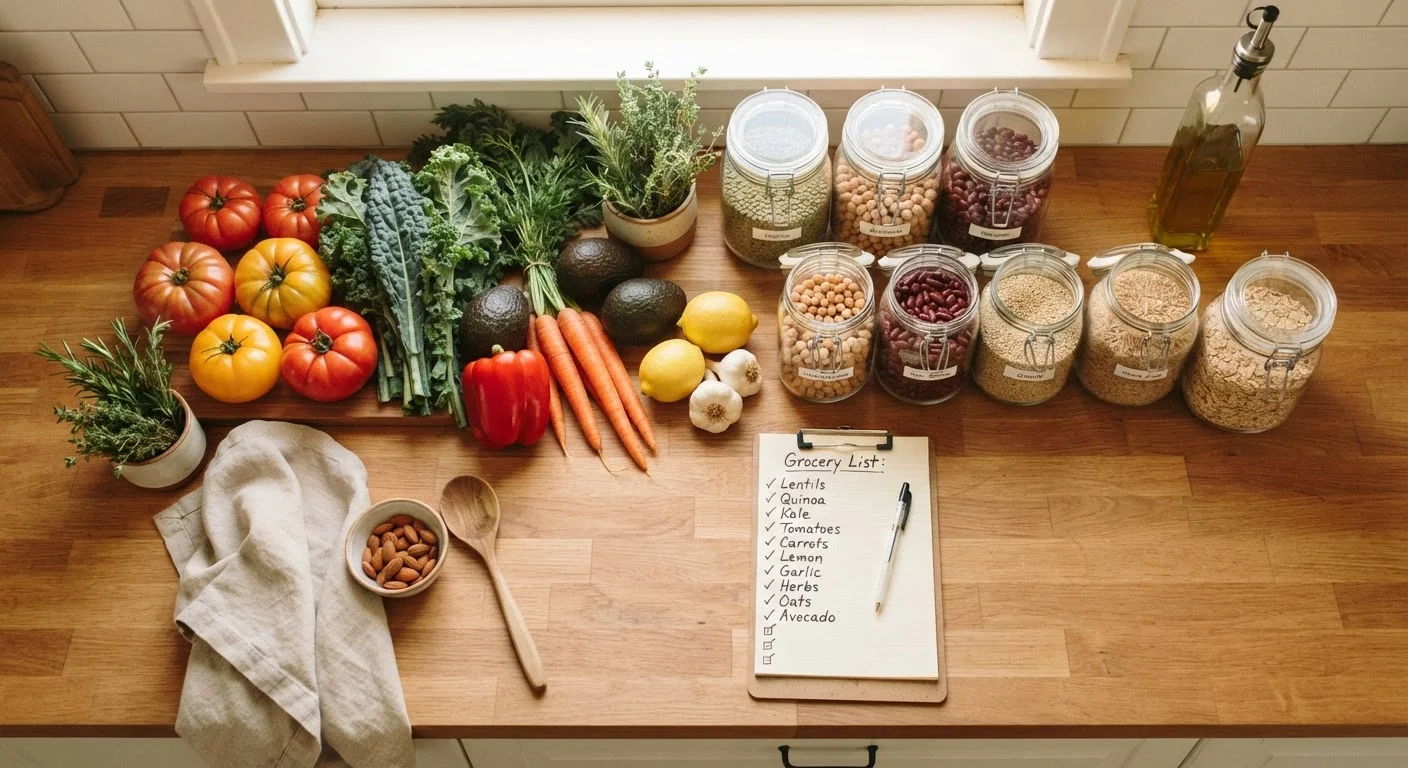
Foods like dried lentils, canned chickpeas, oats, brown rice, and frozen vegetables provide fiber, protein, and micronutrients at a fraction of the cost of processed alternatives. Making these the foundation of most meals - rather than an afterthought - dramatically improves nutritional value without increasing spending.
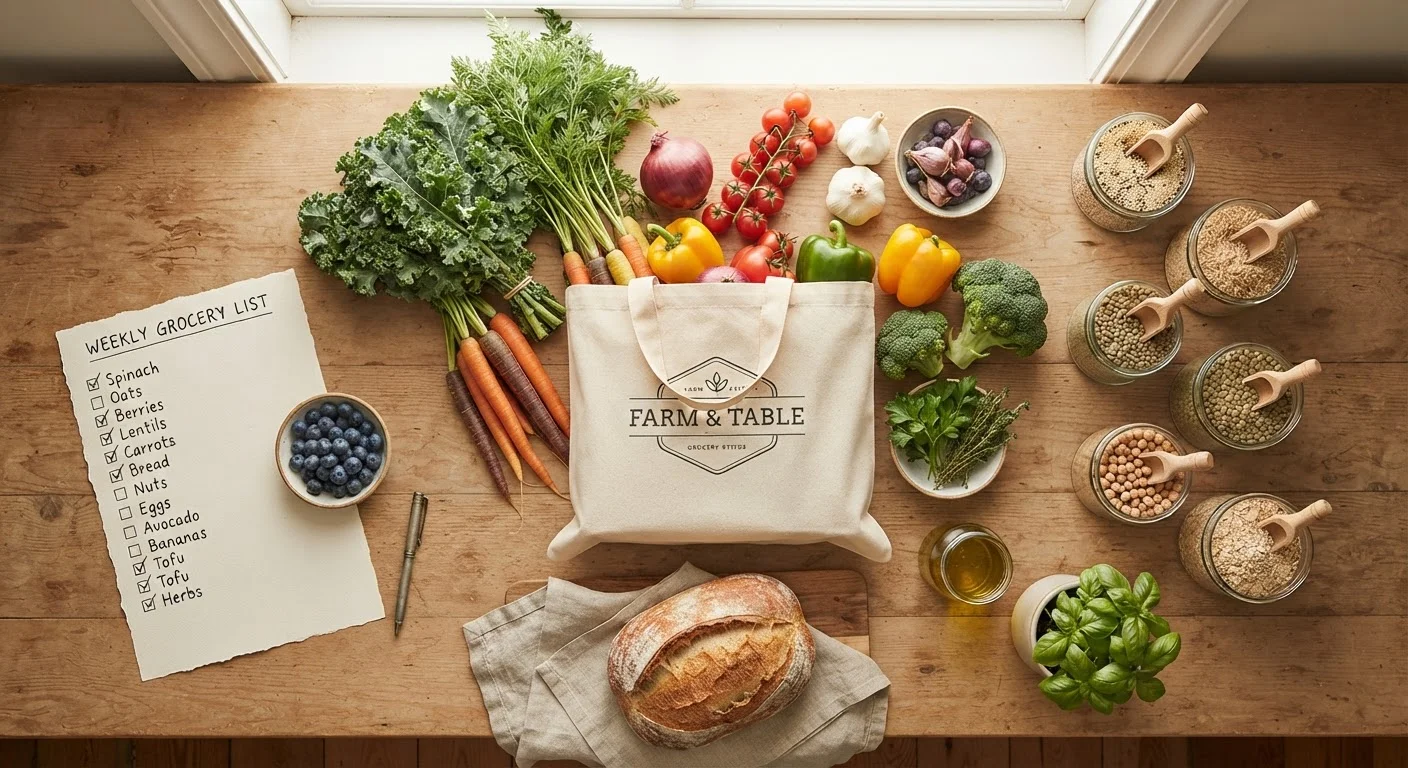
Plan at least three to four meals before you shop
Going to a grocery store without a plan typically leads to redundant purchases, forgotten ingredients, and impulse buys that don't combine into coherent meals. A loose weekly plan reduces waste and ensures you leave with what you actually need. It doesn't need to be detailed - even a rough outline works.
Cook in batches and refrigerate or freeze portions
Batch cooking - preparing larger quantities of grains, proteins, or soups in one session - reduces the daily friction of deciding what to eat. It also makes nutrient-dense homemade food more convenient than takeout when time is short.
Use frozen and canned produce without guilt
Frozen vegetables are often nutritionally comparable to fresh, since they're typically frozen shortly after harvest. Canned legumes and fish are shelf-stable, affordable, and require minimal preparation. Treating these as equals to fresh alternatives rather than inferior substitutes expands your practical options considerably.
Limit highly processed convenience foods as a cost and nutrition strategy
Packaged snacks, instant meals, and sugary drinks tend to be expensive relative to the nutrients they provide. Reducing how often they appear in your cart improves diet quality and frees up budget for whole ingredients. This isn't about elimination - it's about proportion.
Quick Wins You Can Act On Today
Not every change requires planning. Some of the most impactful shifts happen in a single trip to the grocery store or one afternoon in the kitchen. Try any of the following right now:
For a more detailed look at what to consider before your next shopping trip, see our pre-shop checklist for healthier grocery runs. And if you're in your twenties, it's also worth reading about foundational nutrition habits to build early - small investments now tend to pay off for years.
Common Pitfalls and How to Sidestep Them
Even well-intentioned eaters run into predictable traps. Buying a large bag of fresh produce with no plan often leads to waste - and wasted money. Overcomplicating meals makes cooking feel like a chore, which makes takeout feel more appealing. Chasing "superfoods" adds cost without necessarily adding proportional health benefit.
A Note on 'Healthy' Labels and Marketing
Foods marketed as 'healthy,' 'clean,' or 'superfood' are not regulated terms in most contexts and often come with a significant price premium. Many everyday, affordable foods - eggs, oats, cabbage, sardines - are highly nutritious but rarely appear in wellness marketing. Be cautious of assuming that higher cost equals higher nutritional value. When in doubt, a registered dietitian can help you evaluate what genuinely fits your needs.
Our article on where beginners go wrong with eating healthy addresses these traps directly and offers clearer frameworks for thinking about food quality. Avoiding these pitfalls is often as valuable as adding any new habit.
Budget nutrition also connects to broader financial awareness. Understanding how food fits into your overall monthly spending is a useful exercise - the budgeting basics hub offers simple frameworks for tracking where your money goes.