Water in Your Food: More Than You Think
Most of us are taught that staying hydrated means drinking eight glasses of water a day. While fluid intake from beverages is important, that advice overlooks a significant contributor: the food on your plate. Whole foods - especially fruits and vegetables - contain substantial amounts of water that your body absorbs just as it would from drinking.
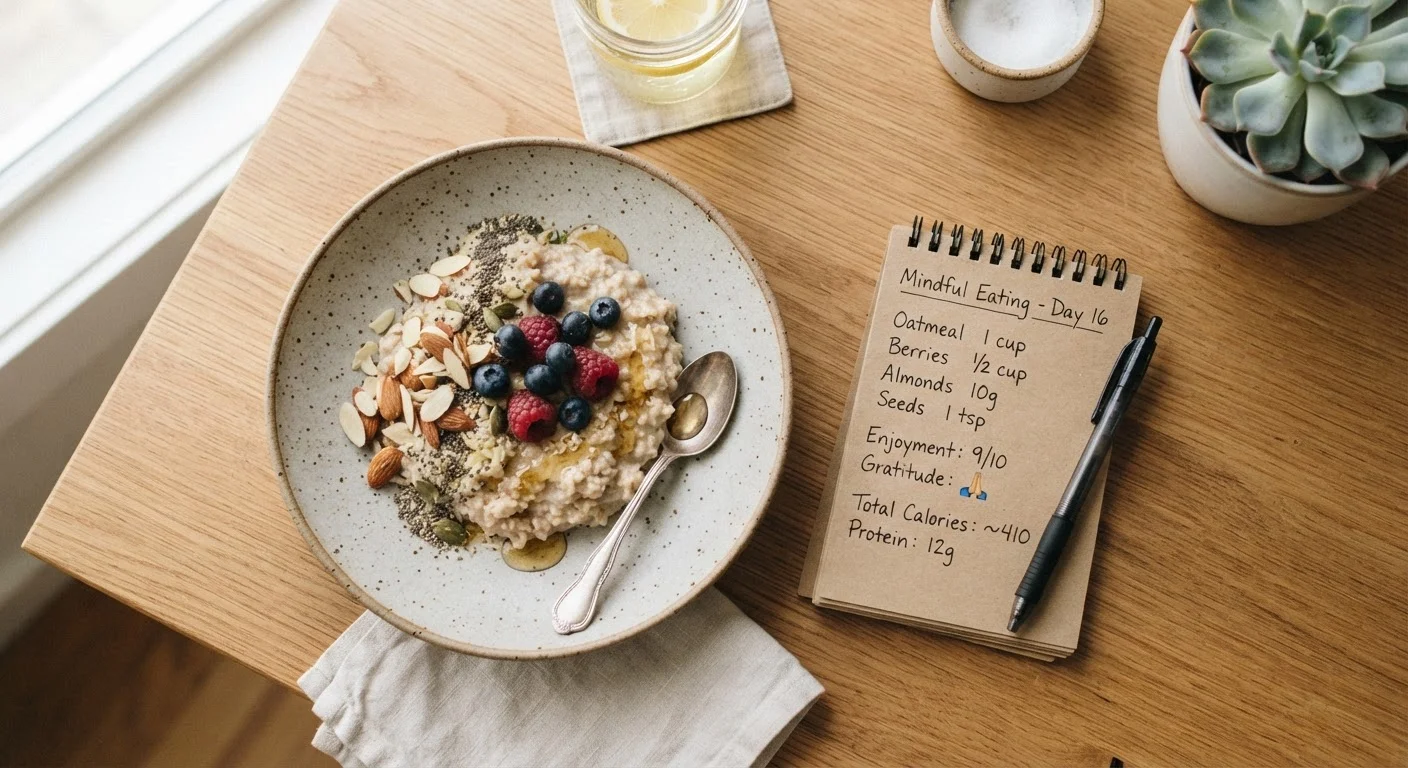
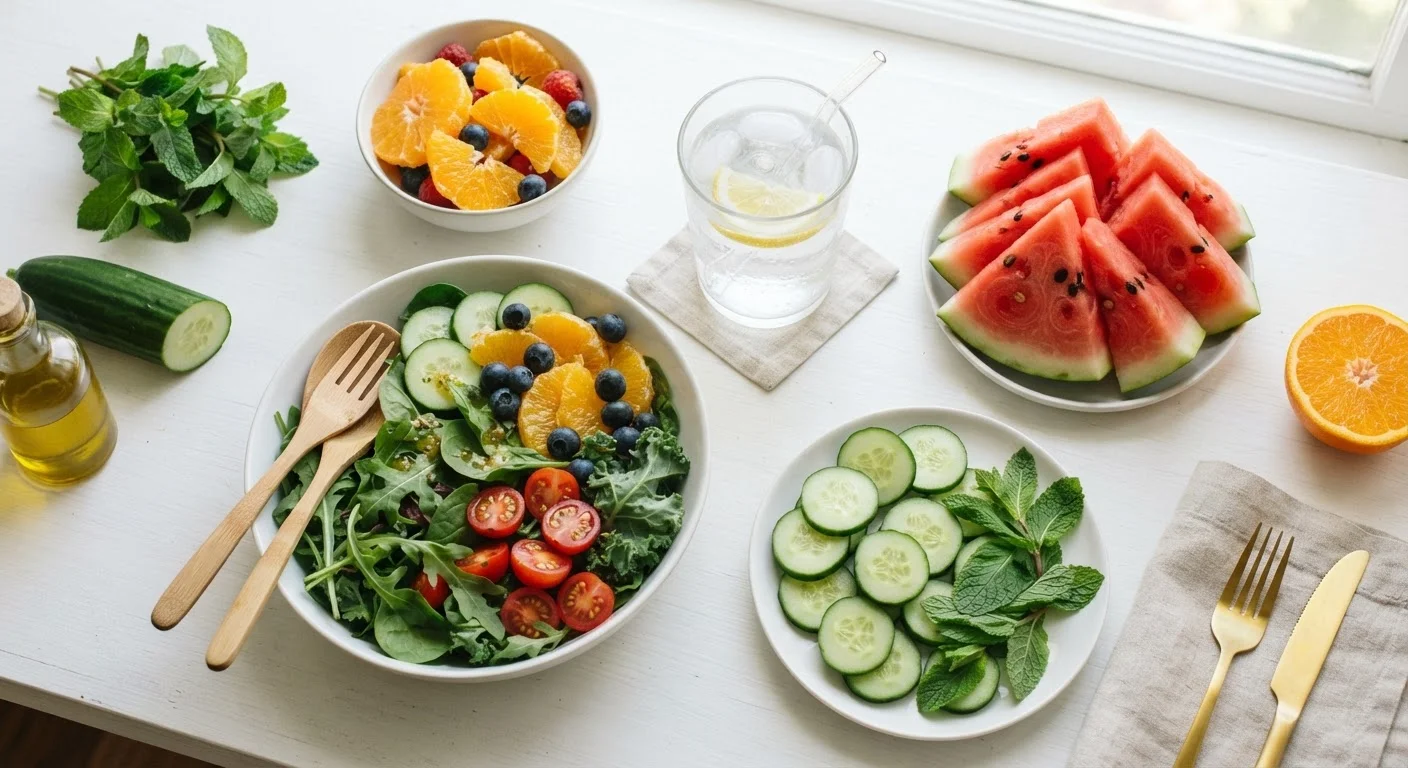
Watermelon, for example, is approximately 92% water by weight. Cucumbers, lettuce, strawberries, and oranges all exceed 90%. Even cooked foods like oatmeal and soups deliver meaningful amounts of fluid. For people who struggle to drink enough water throughout the day, eating more of these foods offers a practical and nutritious way to close the gap.
~20-30%
Daily fluid intake from food
General nutrition research estimates that food contributes roughly 20-30% of total daily fluid intake for most adults eating a varied diet.
92%
Water content in watermelon by weight
Watermelon is one of the most water-dense whole foods available and is commonly cited in dietary hydration guidance.
75%
Of Americans may be chronically underhydrated
This frequently cited estimate is based on surveys of beverage consumption patterns; actual prevalence varies and is difficult to measure precisely.
Electrolytes: The Hidden Hydration Factor
Water alone does not hydrate you optimally - your body needs electrolytes to absorb and retain fluid effectively. Electrolytes are minerals including sodium, potassium, magnesium, and calcium that help regulate how water moves into and out of your cells. These come primarily from food, not from beverages.
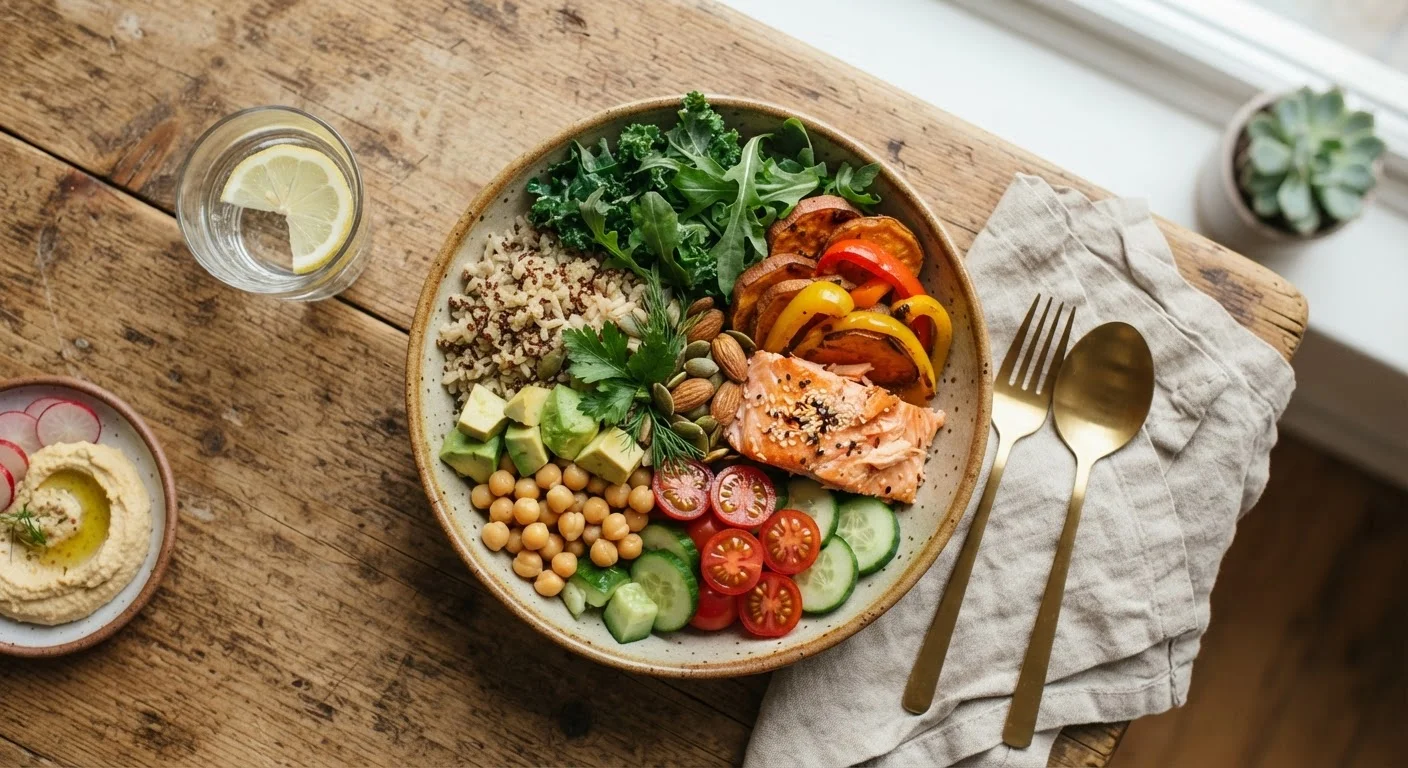
Potassium-rich foods such as bananas, sweet potatoes, and leafy greens support healthy fluid retention. Magnesium, found in nuts, seeds, and whole grains, plays a role in cellular hydration. A diet low in these nutrients - common when people eat mostly processed foods - can impair your body's ability to stay hydrated even if you are drinking plenty of water.
Pair Electrolyte-Rich Foods With Water
Instead of reaching for sports drinks, try pairing plain water with a small banana or a handful of unsalted nuts. This natural combination delivers potassium and magnesium alongside fluid, supporting absorption without added sugar or artificial ingredients. It is a simple, budget-friendly strategy to make every sip count.
Foods That Work Against Fluid Balance
Just as some foods support hydration, others can disrupt it. Highly processed foods - packaged snacks, fast food, cured meats - are often loaded with sodium. When you consume excess sodium, your kidneys work to excrete it through urine, pulling additional water with it. This can elevate your overall fluid needs and make it harder to stay balanced.
Alcohol has a well-documented diuretic effect, suppressing a hormone (antidiuretic hormone, or ADH) that helps your kidneys retain water. This is why drinking alcohol is often associated with increased urination and next-day dehydration. Caffeine, in large amounts, can also have a mild diuretic effect, though moderate consumption - a cup or two of coffee - is generally considered a net positive for fluid intake.
Building Habits That Support Hydration All Day
Understanding the link between food and fluid balance is useful only if it shapes what you do each day. A few practical habits can make a meaningful difference without requiring major dietary overhauls.
- Start meals with water-rich foods: Begin lunch or dinner with a salad or soup to front-load your fluid intake.
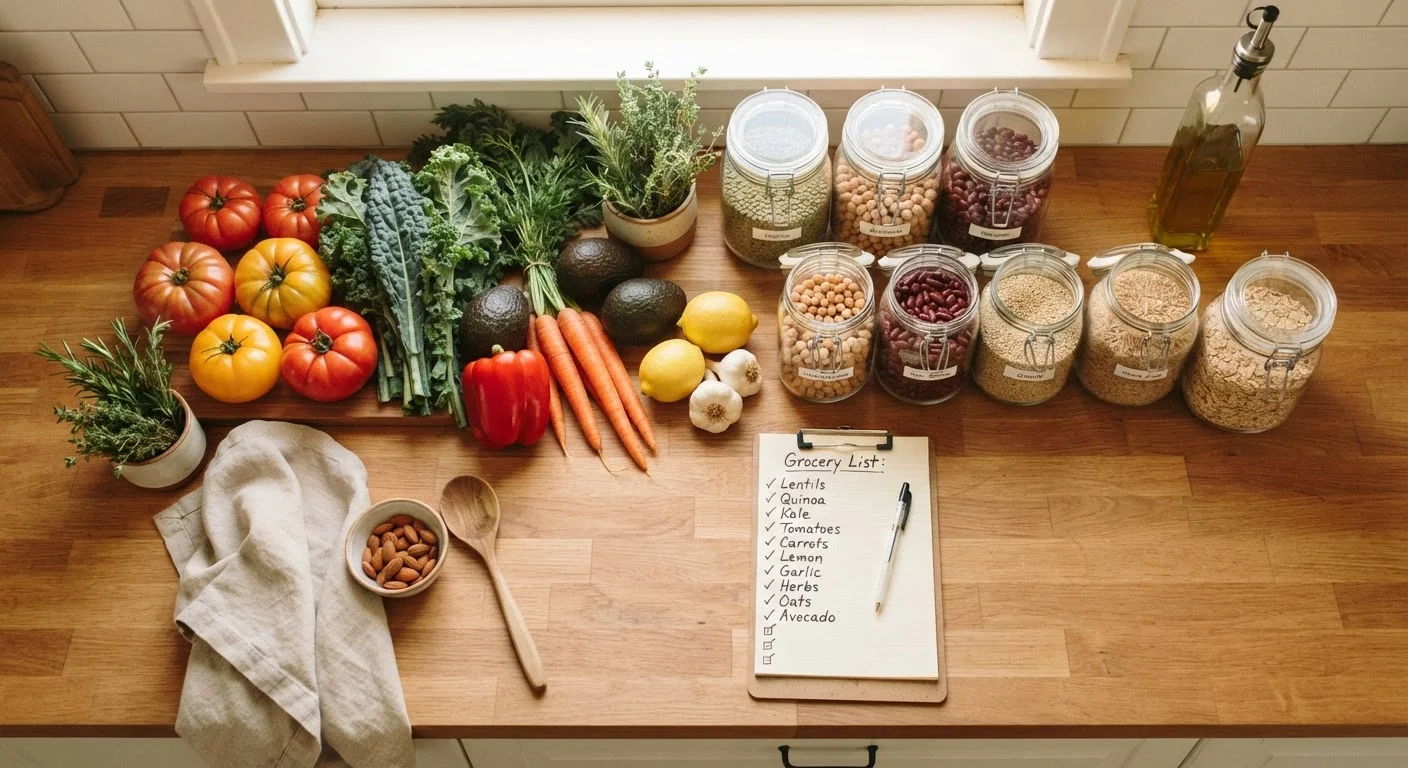
- Limit ultra-processed snacks: Swap salty packaged foods for whole-food alternatives like sliced fruit, raw vegetables, or unsalted nuts.
- Balance sodium with potassium: For each high-sodium meal, pair it with a potassium-rich side dish to help maintain fluid balance.
- Watch alcohol intake: If you drink, follow each alcoholic beverage with a glass of water to partially offset the diuretic effect.
Hydration is a system - one where your plate and your glass work together. Small, consistent dietary choices can keep your body's fluid balance stable throughout the day without relying on willpower or rigid tracking.
This article is for general informational purposes only and does not constitute medical or nutritional advice. Individual hydration needs vary. Consult a qualified healthcare professional for personalized guidance, especially if you have an underlying health condition.