Why a Pre-Shop Checklist Actually Matters
Most nutrition stumbles happen before a single item lands in your cart. Arriving at the supermarket without a clear plan often means defaulting to familiar - and not always nutritious - choices under the low-grade stress of a busy store. A short pre-shop routine changes that dynamic.
If you're new to thinking intentionally about what you eat, our beginner's guide to everyday nutrition is a useful starting point before working through this checklist. And if budget is a concern, the habits covered in eating well on a budget pair naturally with what follows here.
This checklist is designed to take 20-35 minutes total - roughly 10 minutes at home auditing your pantry and planning, then a quicker, more confident trip through the store.
Pen and paper or notes app
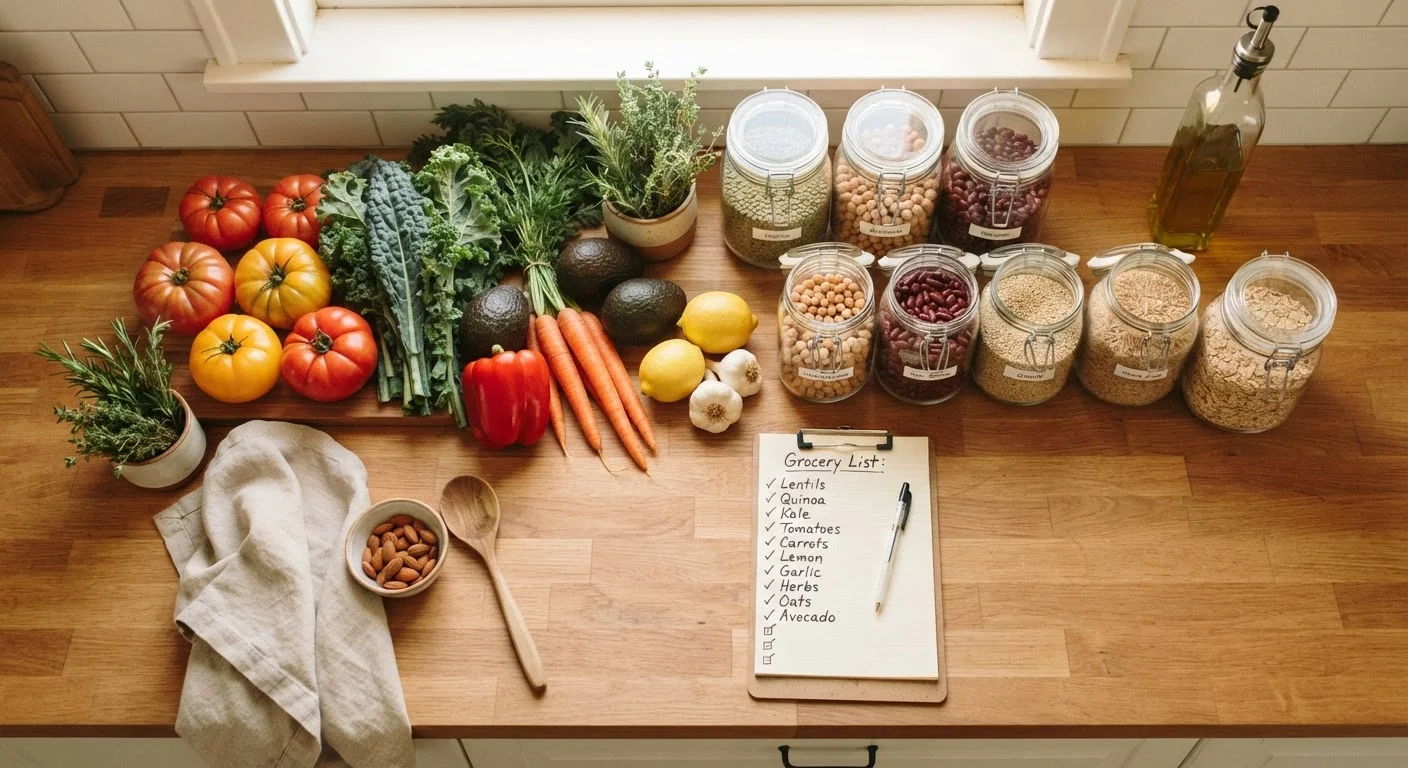
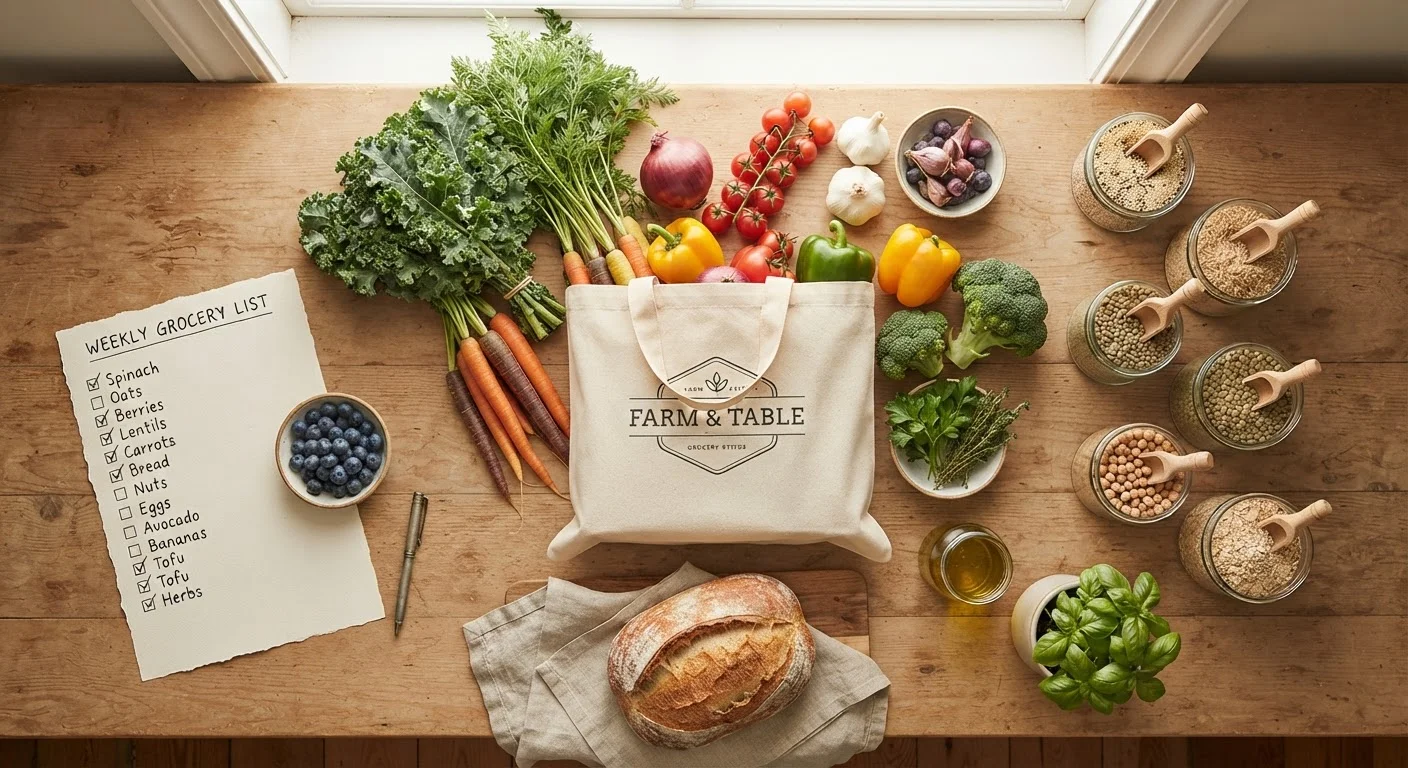
Writing and organising your grocery list before you leave home.
Kitchen inventory list
Tracking current pantry and fridge contents so you can identify gaps and avoid over-buying.
Reusable shopping bags
Practical for carrying produce and reducing reliance on single-use plastic at checkout.
Meal plan template
Mapping out the week's meals in advance so your shopping list reflects actual planned use.
The Checklist: What to Do Before You Leave Home
Work through these steps in order. The first two groups happen in your kitchen; the rest guide how you think and shop once you're in the store.
Pantry Audit (Do This at Home First)
List Building
Produce & Vegetables
Proteins
Grains & Carbohydrates
Label Literacy In-Store
Don't Shop Hungry If You Can Help It
Research consistently suggests that shopping while hungry increases the likelihood of unplanned, calorie-dense purchases. If you can't avoid it, having a small snack beforehand - or keeping a piece of fruit in your bag - can help you stick to your list more easily. This isn't a rigid rule, just a practical pattern worth being aware of.
This article provides general nutritional information for educational purposes only. It is not a substitute for personalised advice from a registered dietitian or qualified healthcare professional. If you have a specific health condition, food allergy, or dietary requirement, please consult a professional before making significant changes to your eating habits.
Reading Labels Without Getting Lost
Nutrition labels can feel like fine print designed to confuse. The key is knowing which numbers to prioritise. Serving size is the most commonly overlooked field - all other values on the label apply to that amount, not the whole package. A bag that looks like a single serving may list two or three.
After serving size, look at saturated fat, added sugars, and sodium - three nutrients most people consume in excess without realising it. General public health guidance from bodies like the U.S. Food and Drug Administration (FDA) suggests keeping daily added sugar intake moderate; the Nutrition Facts panel now separately lists added sugars to make this easier to track.
The ingredients list tells a story the numbers don't. Ingredients are listed in descending order by weight. If a refined grain or a sweetener appears as the first or second ingredient in a product marketed as wholesome, that's a signal worth noting.
Front-of-Pack Claims Are Not Regulated the Same Way
Terms like 'natural', 'clean', or 'wholesome' on packaging are marketing language, not standardised nutritional categories. The FDA regulates specific claims such as 'low sodium' or 'good source of fibre', but many label terms have no fixed legal definition. Always look past the front of the pack and read the Nutrition Facts panel and ingredients list directly.
One pattern worth watching for: common beginner mistakes with healthy eating often involve over-focusing on a single nutrient (like fat or carbs) while missing the bigger picture of overall food quality. Labels are a tool, not a verdict.