
Why Good Intentions Alone Aren't Enough
Most people who start eating 'healthier' do so with genuine motivation. They cut out fast food, swap soda for juice, and start reading labels. But within weeks, many feel confused, deprived, or stuck - not because their goals were wrong, but because common misconceptions set them up for unnecessary struggle.
The good news: these missteps are predictable, and understanding them makes course-correction straightforward. This article walks through the most frequent beginner mistakes in nutrition - not to shame, but to reframe. For a broader foundation, this beginner's guide to balanced eating is a useful companion read.
Treating entire food groups as off-limits from the start.
Why it happens: Popular diet culture often frames carbohydrates, fats, or dairy as the enemy, leading beginners to eliminate whole categories in pursuit of fast results.
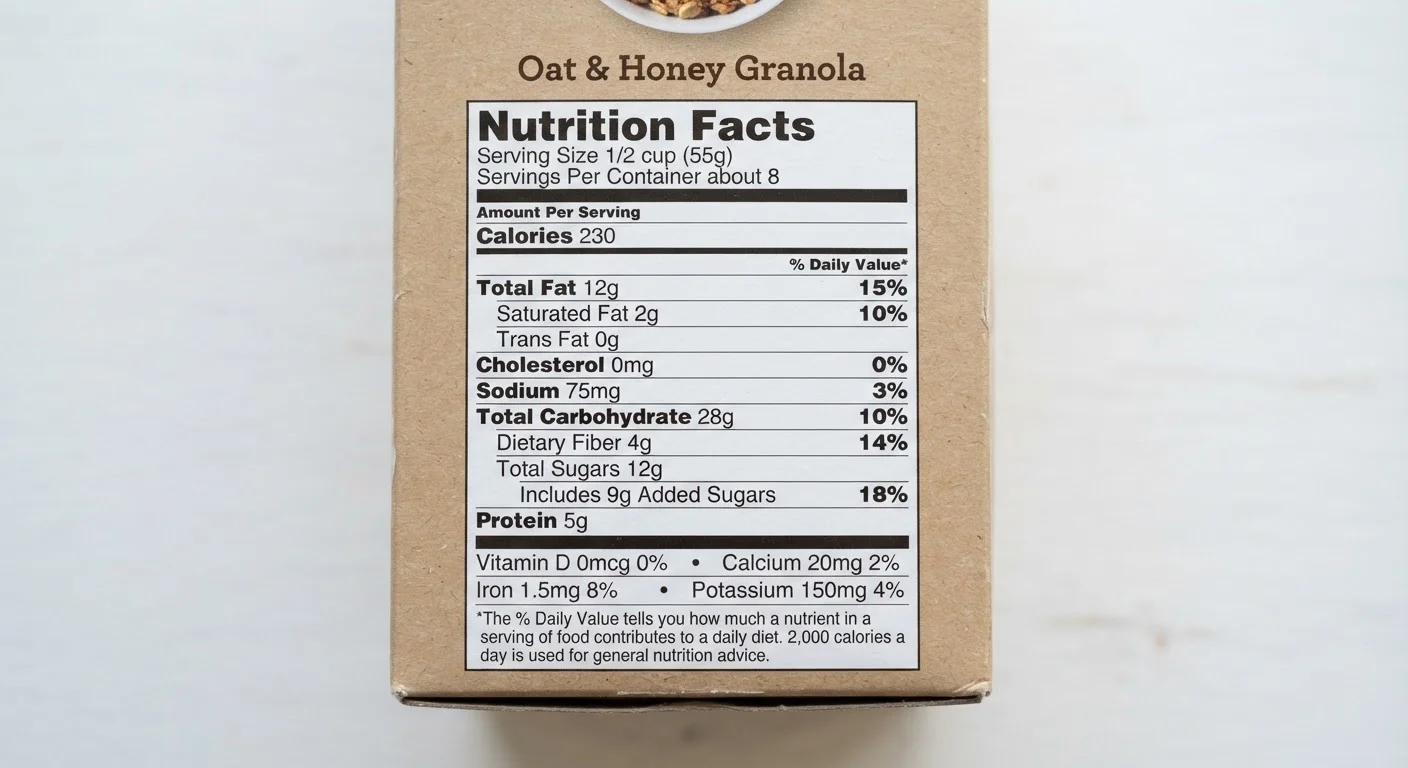
Confusing 'marketed as healthy' with 'actually nutritious.'
Why it happens: Food packaging uses terms like 'natural,' 'low-fat,' or 'high-protein' in ways that can be misleading - and beginners often take these claims at face value.
Focusing almost entirely on calories while ignoring nutrient quality.
Why it happens: Calorie counting is visible, quantifiable, and widely promoted - making it feel like the primary measure of whether a diet is 'working.'
Skipping meals as a way to 'make up' for eating more earlier.
Why it happens: This feels logical - eat more, compensate less - but it misunderstands how hunger and metabolism actually work over the course of a day.
Underestimating the role of protein in everyday eating.
Why it happens: Protein is often associated only with athletic performance or muscle building, leading beginners who aren't exercising heavily to overlook it.
Neglecting hydration as part of the nutrition picture.
Why it happens: Hydration tends to be treated as a separate health topic, so beginners focused on food often don't consider how fluid intake connects to energy levels, digestion, and hunger cues.
How to Build a More Grounded Approach
Avoiding these mistakes is less about willpower and more about perspective. Nutrition isn't a test you pass or fail meal by meal - it's a pattern that develops over weeks and months. A few practical mindset shifts go a long way.
Progress Beats Perfection Every Time
Nutrition research consistently points to patterns - not individual meals - as what shapes long-term health outcomes. Eating one unplanned meal doesn't undo a week of thoughtful choices, just as one salad doesn't correct months of imbalance. What matters most is the overall direction of your habits over time. Give yourself room to learn and adjust.
Focus on addition before subtraction. Rather than starting by eliminating things, ask what's missing from your plate. More vegetables, more protein, more water - these additions often crowd out less nutritious choices naturally. For a more concrete guide on making sense of what you eat, reading a nutrition label clearly is a practical next step.
It also helps to separate health from restriction. Eating well on a consistent budget is entirely possible - and doesn't require expensive superfoods. Practical budget-friendly nutrition habits show how small, consistent choices make a real difference. And if you're pairing better nutrition with movement, beginner exercise missteps to avoid covers the fitness equivalent of what's outlined here.
Don't Use 'Healthy Eating' to Justify Restriction
An intense focus on eating 'perfectly' can sometimes tip into disordered patterns - including excessive food restriction, anxiety around eating, or guilt after normal meals. These are signs worth paying attention to. If eating feels stressful or controlling rather than nourishing, speaking with a registered dietitian or mental health professional is a constructive next step.
This article is for general informational purposes only and is not a substitute for personalised medical or dietary advice. Consult a qualified healthcare professional or registered dietitian before making significant changes to your diet.