Why Nutrition Labels Feel Overwhelming - And How to Fix That
Nutrition labels are designed to be informative, but their dense rows of numbers can make even a simple snack feel like a pop quiz. The good news is that the label follows a consistent, logical structure - once you understand the layout, reading it becomes a quick habit rather than a chore.
This guide walks through each section of the standard U.S. Nutrition Facts label in the order it appears, explaining what each part means and what to actually pay attention to. If you want broader context on eating well day-to-day, our beginner's guide to everyday nutrition is a helpful starting point.
What you will need
Step-by-Step: Decoding Every Section of the Label
Follow these steps each time you pick up a packaged product. With practice, this process takes under a minute.
Start With Serving Size
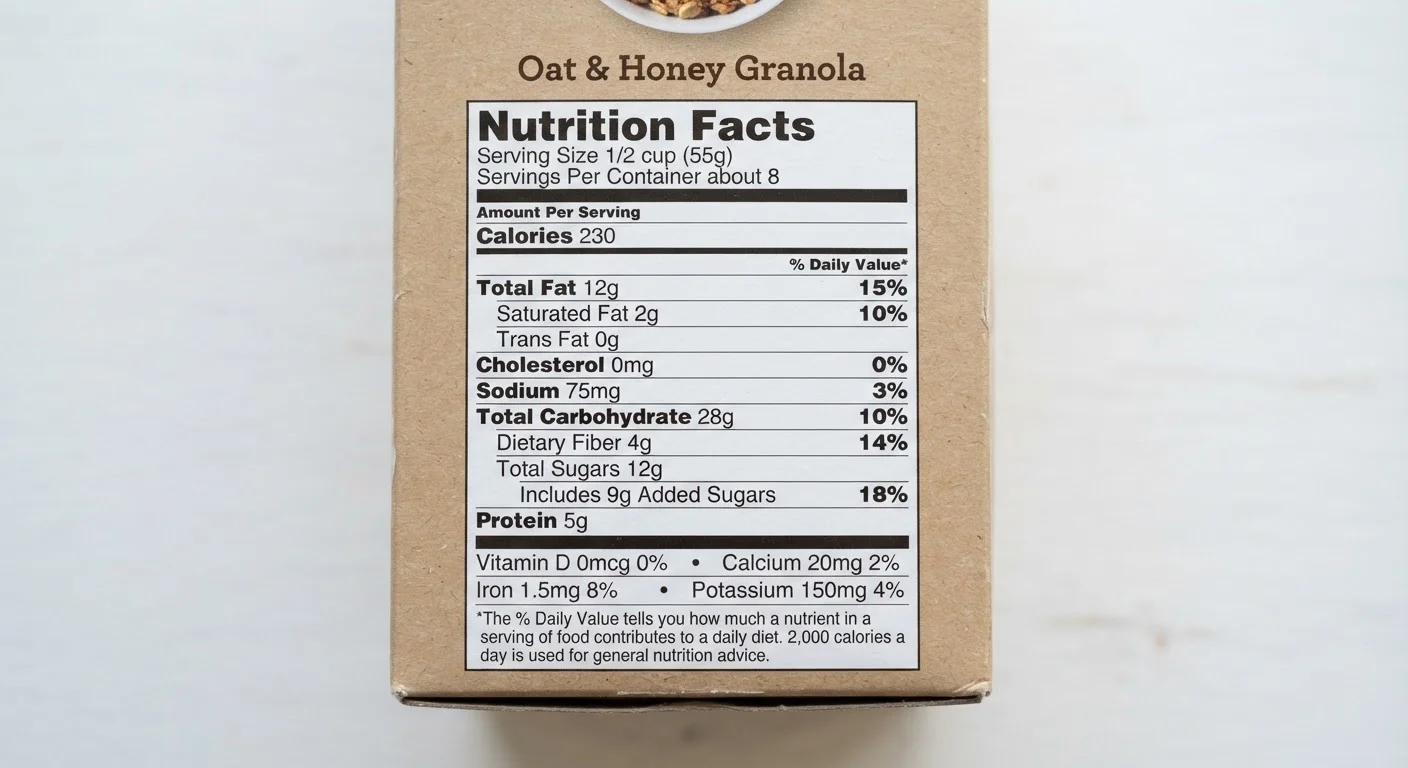
The very first line under "Nutrition Facts" tells you what portion the rest of the label describes. All calorie counts and nutrient values apply to one serving - not necessarily the whole package. Check the servings per container to understand how much nutrition you get if you eat the entire product.
Read the Calories
Calories measure the total energy in one serving. This number is prominent on the label for a reason - it gives you a quick sense of how energy-dense the food is. A food providing 400+ calories per serving is significantly different from one providing 80, even if the packages look similar in size.
Understand Percent Daily Value (%DV)
The %DV column shows what percentage of a standard daily intake a single serving provides for each nutrient, based on a 2,000-calorie reference diet. Use it as a quick gauge: 5% DV or less is generally considered low; 20% DV or more is considered high. You don't need to hit exactly 100% for every nutrient - use %DV to compare products and identify outliers.
Check What to Limit
The middle section of the label lists nutrients most people consume in excess: saturated fat, trans fat, sodium, and added sugars. High intake of these is associated with increased risk of chronic health conditions according to major dietary guidelines. Look for lower %DV here - ideally under 10-15% per serving for saturated fat and sodium.
Look for Nutrients to Prioritize
Below the nutrients to limit, you'll find dietary fiber, vitamin D, calcium, iron, and potassium - nutrients many people don't get enough of. Higher %DV here is generally a positive sign. Fiber in particular supports digestive health and satiety.
Scan the Ingredient List
The ingredient list appears below the Nutrition Facts panel and is ordered by weight - the first ingredient makes up the largest proportion of the product. A short, recognizable list usually means less processing. If sugar (under any of its many names: high-fructose corn syrup, cane juice, dextrose, etc.) appears among the first three ingredients, the product is likely high in added sugar regardless of what the front of the package claims.
Common Pitfalls and What They Mean for Your Choices
Even after learning the basics, a few common misreads trip people up consistently.
"Low fat" doesn't mean low calorie or healthy
When fat is reduced in a product, manufacturers often add sugar or sodium to compensate for lost flavor. Always scan the full label rather than relying on front-of-pack marketing claims.
Serving sizes can be surprisingly small
A bag of chips labeled "3 servings" contains three times the listed calories if you eat the whole bag. This is one of the most reliable sources of unintentional over-eating. Our article on what calories actually measure explores how calorie figures fit into the bigger picture.
"No added sugar" vs. "sugar free" are different claims
"No added sugar" means no sugar was added during processing, but the product may still contain natural sugars from fruit or dairy. "Sugar free" means the total sugars are below a regulatory threshold. Neither automatically makes a product nutritious.
Use Labels to Compare, Not Just Evaluate
Nutrition labels are most powerful when you hold two similar products side by side - for example, two breakfast cereals or two types of bread. Comparing serving-size-adjusted numbers helps you make a more informed choice without needing to memorize exact targets. This habit is especially useful in grocery stores where front-of-pack claims compete for attention. For more on avoiding common nutrition missteps, see our article on where beginners go wrong with eating healthy.
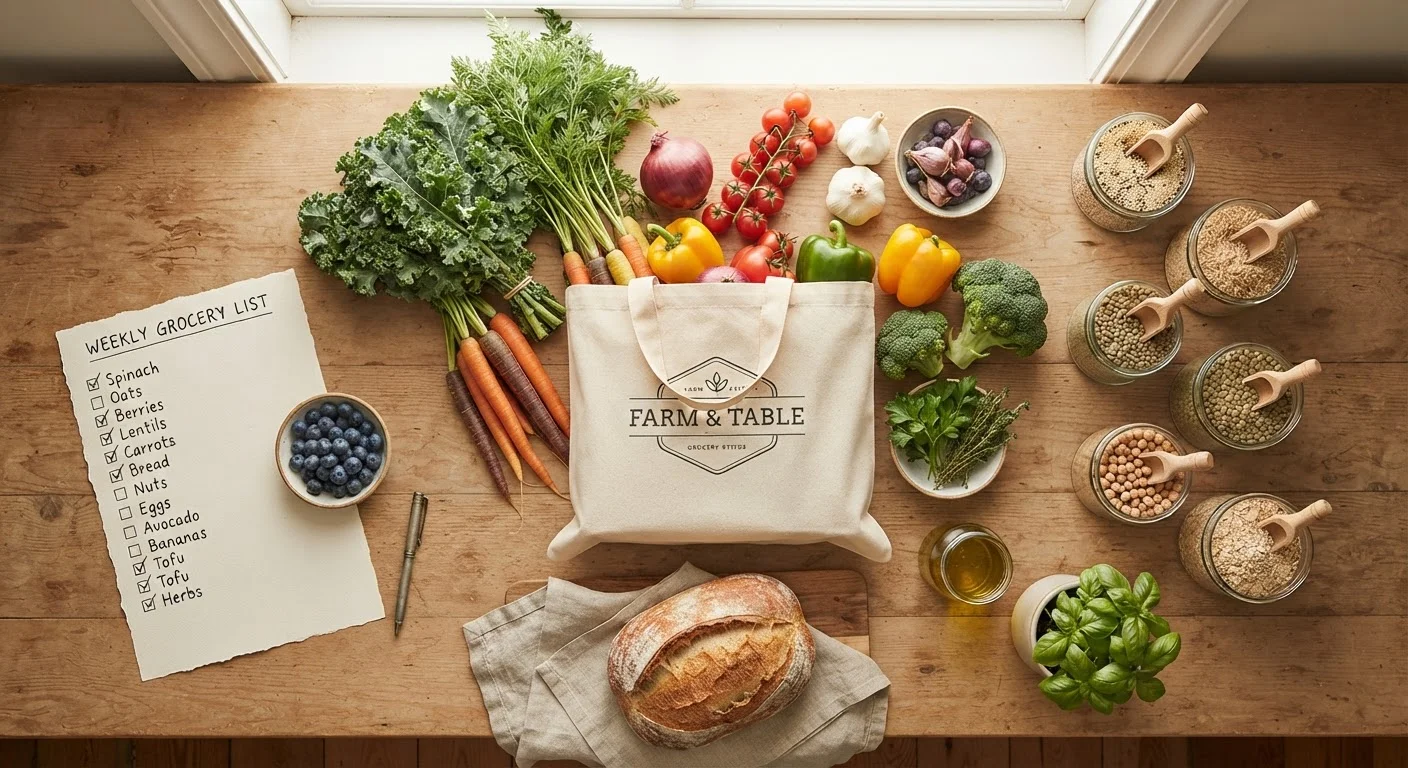
For a practical next step, see our pre-shop grocery checklist, which applies label literacy directly to supermarket decisions. And if you're curious about vitamins and minerals listed at the bottom of the label, our micronutrients guide explains why they matter.
This article is for general informational and educational purposes only and is not a substitute for advice from a registered dietitian or qualified healthcare professional. Individual nutritional needs vary; consult a professional for guidance specific to your health situation.