What Are Micronutrients?
When people talk about eating well, the conversation usually centers on macronutrients - carbohydrates, protein, and fat. But micronutrients are equally essential, even though your body needs them in far smaller amounts. These are the vitamins and minerals that drive nearly every biological process, from converting food into energy to keeping your immune system functional.
Unlike macronutrients, micronutrients provide no calories. What they do provide is the biochemical infrastructure your body relies on to actually use the fuel macronutrients supply. Think of them as the tools that make the engine run. For a fuller picture of how macros and micros work together, see our guide to macronutrients.
There are two broad categories: vitamins (organic compounds your body generally can't produce in sufficient quantities on its own) and minerals (inorganic elements absorbed from soil and water through the foods you eat).
Micronutrients
Vitamins and minerals required by the body in small amounts to support essential biological functions. Unlike macronutrients, they provide no calories but are critical for health.
Fat-soluble vitamins
Vitamins (A, D, E, and K) that dissolve in fat and are stored in the body's fatty tissues and liver. Because they accumulate, excess intake - usually through high-dose supplements - can potentially be harmful.
Water-soluble vitamins
Vitamins (C and the B-complex group) that dissolve in water and are not stored in significant amounts. They must be replenished regularly through diet.
Trace minerals
Minerals the body needs in very small quantities, including iron, zinc, iodine, and selenium. Despite the tiny amounts required, deficiencies can have significant health consequences.
Macrominerals
Minerals needed in relatively larger amounts compared to trace minerals, including calcium, magnesium, potassium, and sodium. They play roles in bone structure, fluid balance, and muscle function.
Antioxidant
A compound - including certain vitamins such as C and E - that helps neutralize unstable molecules called free radicals, which can damage cells if they accumulate.
Key Vitamins and What They Do
Vitamins are divided into two groups based on how your body stores them:
- Fat-soluble vitamins (A, D, E, K) are stored in fatty tissue and the liver. Because they accumulate, excessive supplementation over time can potentially cause toxicity - another reason food sources are generally preferable to high-dose supplements for most people.
- Water-soluble vitamins (C and the eight B vitamins) are not stored in meaningful amounts, so you need a regular supply through your diet. Excess amounts are typically excreted in urine.
A few standouts worth knowing:
- Vitamin D supports calcium absorption and bone health, and is also produced when skin is exposed to sunlight. Many people, particularly those in northern latitudes or who spend limited time outdoors, have low levels.
- Vitamin B12 is critical for nerve function and red blood cell production. It's found almost exclusively in animal products, making it an important consideration for people following plant-based diets.
- Vitamin C acts as an antioxidant and plays a central role in collagen synthesis and immune function. It also enhances the absorption of non-heme iron (the type found in plant foods).
- Folate (B9) is especially important for DNA synthesis and cell division - and is critical during early pregnancy for fetal neural tube development.
| Total essential vitamins | 13 (4 fat-soluble, 9 water-soluble) (National Institutes of Health, Office of Dietary Supplements) |
| Most common deficiency globally | Iron deficiency (World Health Organization) |
| Vitamin produced by sunlight exposure | Vitamin D |
| Vitamin critical in early pregnancy | Folate (Vitamin B9) (CDC - for neural tube defect prevention) |
| Mineral involved in 300+ reactions | Magnesium (National Institutes of Health, Office of Dietary Supplements) |
| Nutrient absent from most plant foods | Vitamin B12 |
Essential Minerals: Small Quantities, Big Impact
Minerals are split into macrominerals (needed in larger amounts, such as calcium, magnesium, potassium, and sodium) and trace minerals (needed in tiny amounts, such as iron, zinc, iodine, and selenium).
- Calcium is the most abundant mineral in the body and is foundational to bone density, muscle contraction, and nerve signaling. Dairy products, leafy greens, and fortified plant milks are common sources.
- Iron carries oxygen through the blood via hemoglobin. Iron deficiency is one of the most common nutritional deficiencies globally. Heme iron from meat is more readily absorbed; pairing plant-based iron sources with vitamin C improves absorption.
- Magnesium is involved in over 300 enzymatic reactions, including energy production and muscle function. Nuts, seeds, and whole grains are reliable sources.
- Iodine is essential for thyroid hormone production, which regulates metabolism. Iodized salt and seafood are primary dietary sources.
- Zinc supports immune function, wound healing, and the senses of taste and smell.
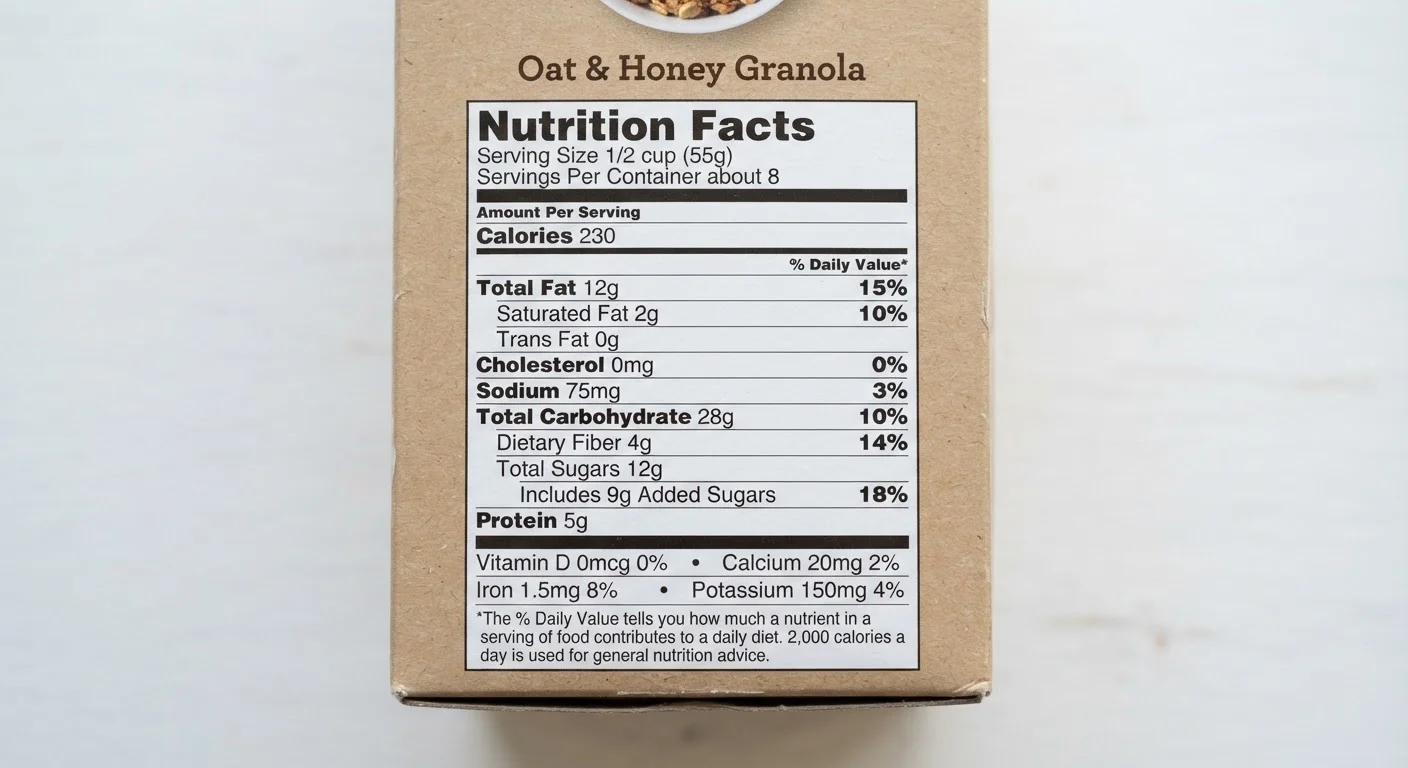
You can learn more about spotting these nutrients on product packaging in our guide to reading nutrition labels.
Supplements Aren't a Shortcut
While supplements can address genuine deficiencies, they don't replicate the full spectrum of nutrients, fiber, and beneficial compounds found in whole foods. Some micronutrients also compete for absorption - meaning taking high doses of one can interfere with another. A healthcare provider or registered dietitian can help identify whether supplementation is appropriate for your specific situation.
How to Get Enough Through Food
The good news: a varied, whole-food diet covers micronutrient needs for most healthy adults without requiring detailed tracking or supplementation. A few practical principles help:
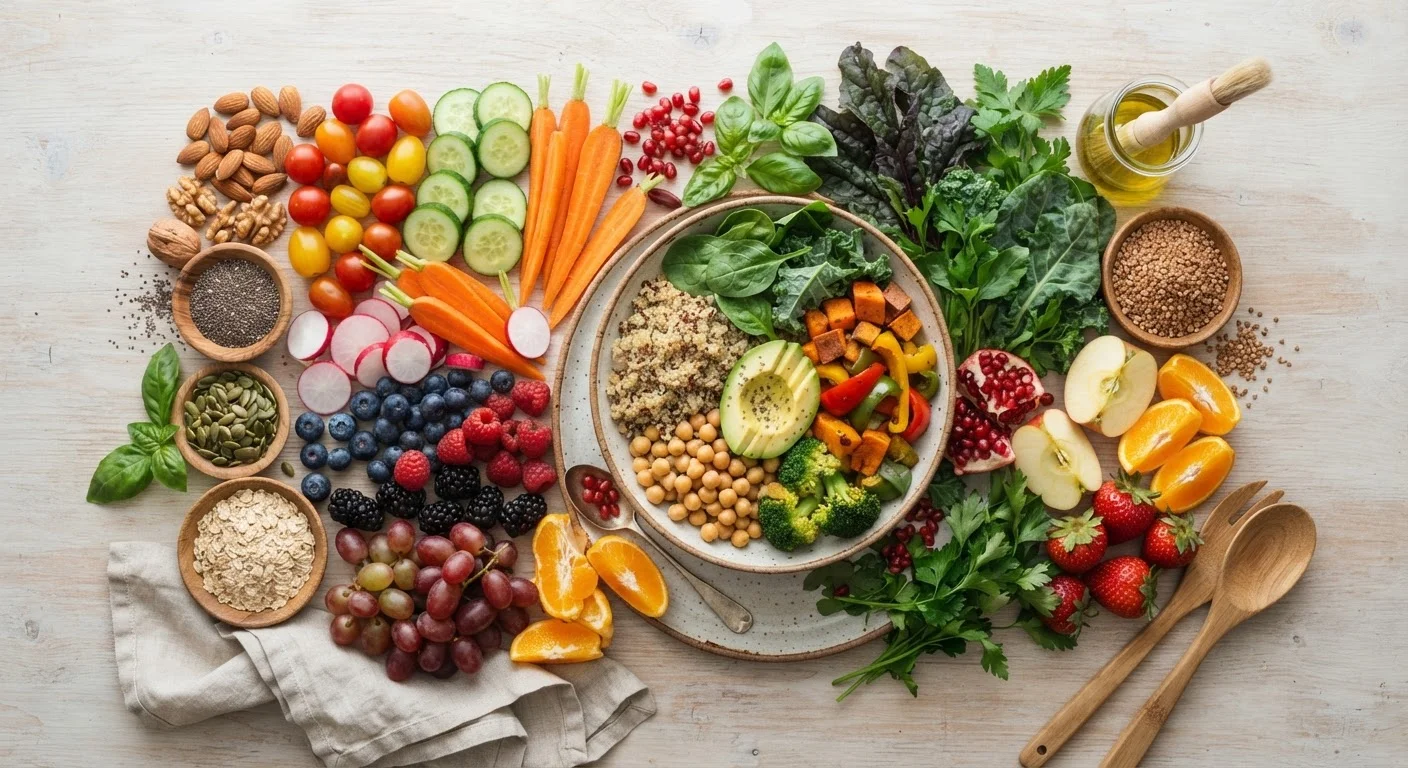
- Eat a wide range of colors. Different pigments in fruits and vegetables correspond to different phytonutrients and vitamins. Rotating your choices - rather than eating the same salad every day - naturally broadens your micronutrient intake.
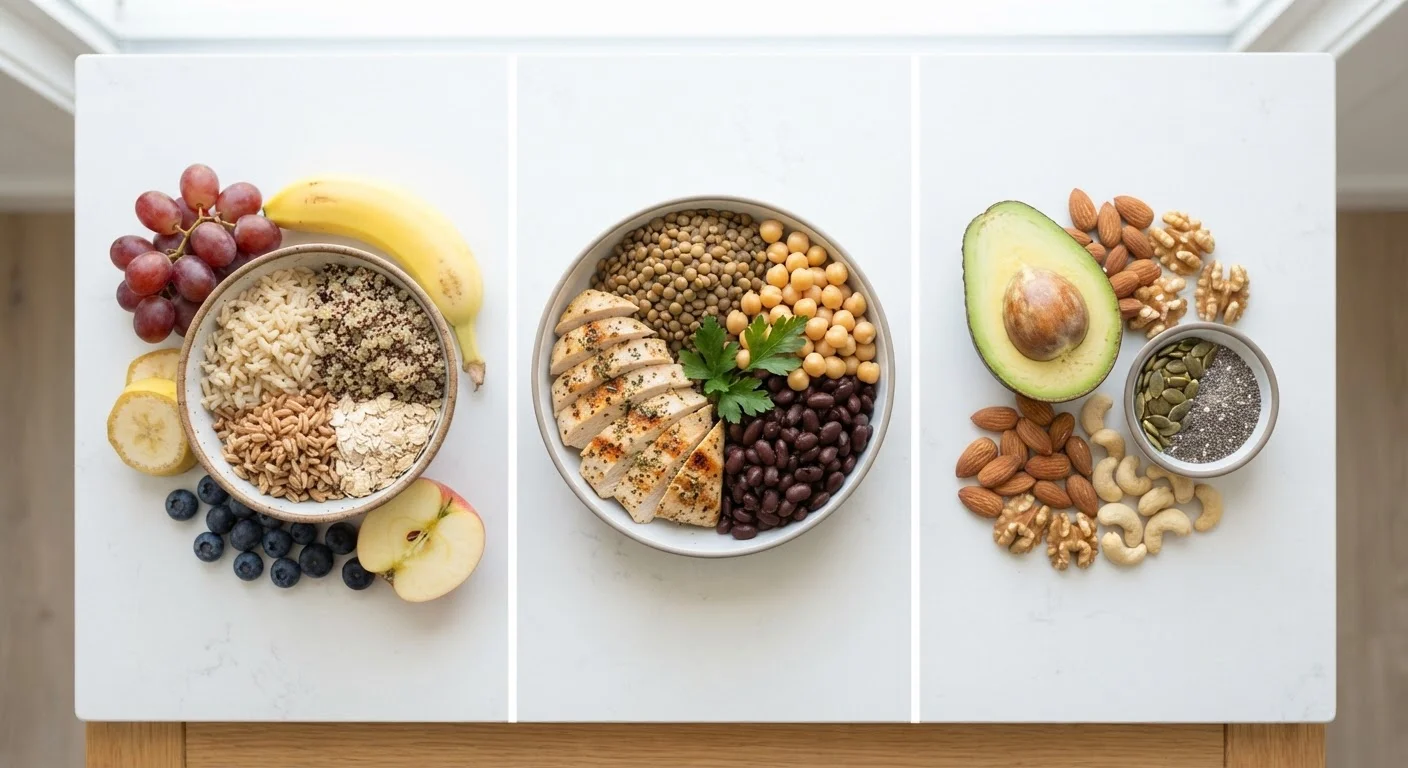
- Don't skip whole grains. Fortified cereals and whole grains are often overlooked sources of B vitamins, iron, and magnesium.
- Include legumes and nuts regularly. These provide folate, magnesium, zinc, and iron alongside fiber and plant protein.
- Be mindful of dietary restrictions. Vegan and vegetarian diets can meet most micronutrient needs with thoughtful planning, but vitamin B12, vitamin D, iron, zinc, and omega-3s may need extra attention.
Supplements can fill genuine gaps - especially for B12, vitamin D, and folate for those who are pregnant or planning to be - but they're best used to complement a healthy diet, not replace it. Always consult a qualified healthcare provider before starting any supplement regimen, particularly if you have a health condition or take medications.
For a practical look at putting all of this together on your plate, see our beginner's guide to building a balanced plate.
This article is for general informational and educational purposes only and is not a substitute for professional medical or dietary advice. Consult a qualified healthcare professional for guidance specific to your health needs.