
Why Exercise Requirements Vary So Much Between Pets
Exercise is not one-size-fits-all in the animal world. Each species evolved with distinct movement patterns, social behaviors, and energy demands - and domestication did not erase those instincts. A dog bred to herd or retrieve still carries the drive for sustained physical activity. A rabbit is a prey animal built to sprint and forage. A parrot is wired to fly, problem-solve, and interact socially for much of the day.
For new owners, the gap between expectation and reality is one of the most common sources of early-stage stress. Understanding what your specific pet actually needs - not just what seems manageable - sets the foundation for a genuinely healthy relationship. See our introduction to pet health basics for a broader look at what first-time owners should understand.
| Dogs | Cats | Rabbits | Birds | |
|---|---|---|---|---|
| Daily exercise time needed | 30 min - 2+ hours | 20-45 min active play | 3+ hours free-roam | 1-2 hours out-of-cage |
| Type of activity | Walks, fetch, training | Wand toys, puzzle feeders | Running, exploring, foraging | Flying, foraging toys, social interaction |
| Owner involvement required | High - daily commitment | Moderate - scheduled play | Moderate - space setup | High - daily interaction |
| Risk if under-exercised | Destructive behavior, anxiety | Weight gain, boredom behaviors | Muscle loss, GI problems | Feather-plucking, aggression |
| Suitable for smaller living spaces | Breed-dependent | Generally yes | Needs dedicated floor space | Cage size matters; interaction key |
| Mental stimulation needs | High | Moderate to high | Moderate | Very high |
Dogs: Structured Activity Is Non-Negotiable
Dogs are the most activity-dependent common pet. Most adult dogs need between 30 minutes and 2 hours of exercise daily, and that range varies widely by breed, age, and individual temperament. High-energy breeds - such as working, herding, or sporting types - sit at the higher end and can develop destructive or anxious behaviors when under-exercised. Toy breeds and senior dogs typically need less, but still benefit from consistent daily movement.
Exercise for dogs should include more than a backyard - leash walks, off-leash play, fetch, or structured training sessions all contribute to both physical fitness and mental engagement. Dogs are social animals, so interactive play with their owner counts double. If you're structuring your household schedule, building a predictable daily routine makes exercise windows easier to maintain consistently.
Tailor Exercise to Your Dog's Life Stage
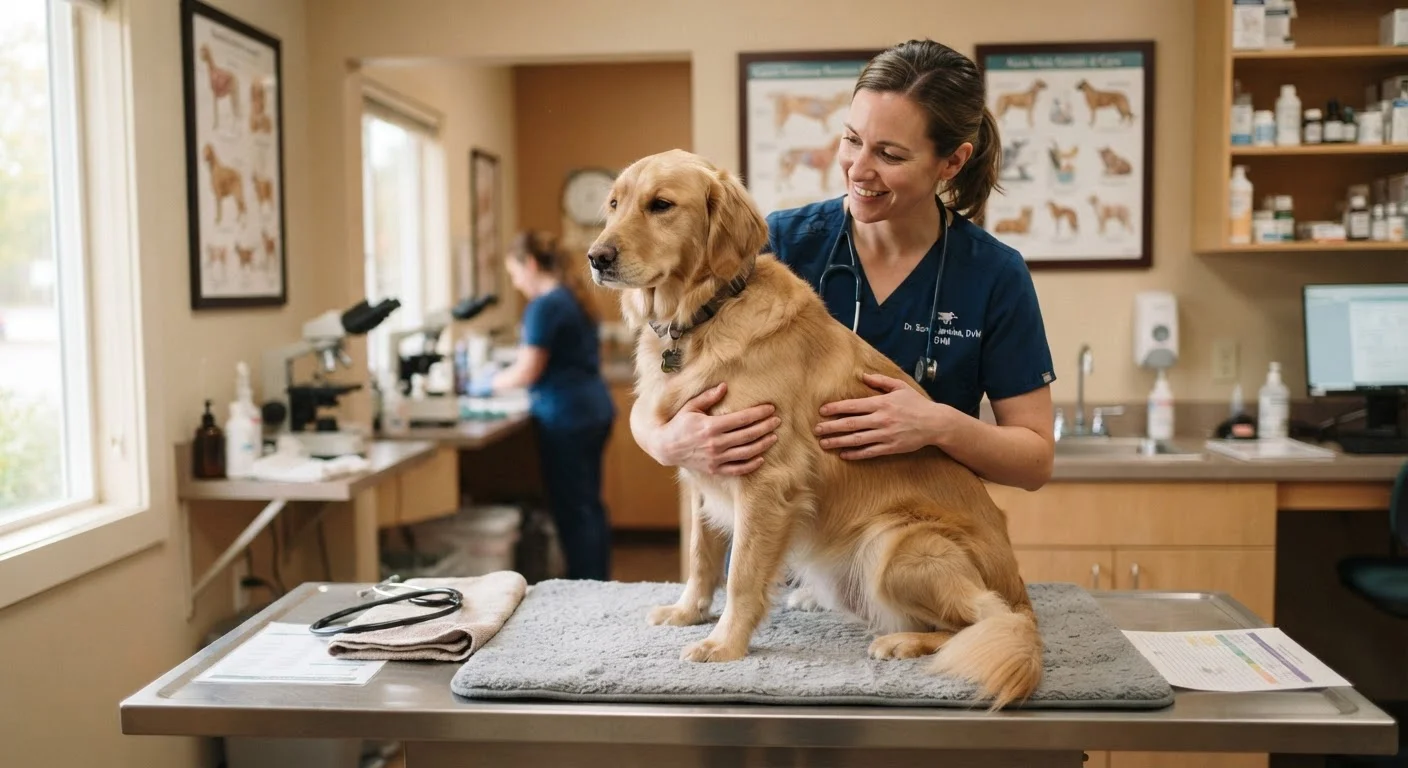
Puppies should not do excessive repetitive exercise on hard surfaces while their joints are developing - shorter, varied sessions are safer. Senior dogs may still enjoy walks but benefit from gentler pacing and shorter distances. Your veterinarian can help you calibrate an exercise plan appropriate to your dog's age, breed, and health status.
Cats: Active Play Matters More Than Most Owners Realize
Cats are often assumed to be self-sufficient when it comes to exercise, but indoor cats in particular can become sedentary without deliberate stimulation. Two to three 10-15 minute interactive play sessions per day - using wand toys, puzzle feeders, or laser pointers - meaningfully support a cat's physical fitness and reduce boredom-related behaviors like overgrooming or aggression.
Weight gain is a common and underappreciated issue in indoor cats. The relationship between activity and healthy weight is more nuanced than the scale alone suggests. Enriched environments - cat trees, window perches, and rotating toys - extend your cat's activity between dedicated play sessions. For a broader comparison of how cat and dog wellness needs differ, see how cats and dogs actually differ in health requirements.
Rabbits and Birds: Often Underestimated, Always Active
Rabbits are frequently kept in ways that don't meet their activity needs. A healthy adult rabbit should have access to a large exercise area - at minimum a few hours of free-roam space daily outside of any enclosure. They are crepuscular (most active at dawn and dusk), and they benefit from tunnels, platforms, and objects to investigate. Confining a rabbit to a small cage around the clock is linked to muscle atrophy, obesity, and GI problems. For a deeper look at small animal care, what rabbits and other small pets actually need is worth reading alongside this comparison.
Birds - especially parrots and cockatiels - need both physical activity and cognitive stimulation. Out-of-cage time of at least one to two hours daily, foraging toys, and social interaction all address the behavioral complexity these animals carry. A bored bird may feather-pluck, scream excessively, or become aggressive. Whether your bird is a budgie or a larger parrot, treating out-of-cage time as a daily non-negotiable will make a significant difference in temperament and wellbeing.
Both species thrive when their indoor environment is considered thoughtfully. Weighing indoor and outdoor setups is relevant here, particularly for rabbit owners considering safe outdoor access.
Matching Your Lifestyle to Your Pet's Needs
The honest question before adoption - or shortly after - is whether your daily schedule realistically accommodates your pet's activity requirements. A high-energy dog in a studio apartment with an owner who works long hours faces a genuine welfare concern. A rabbit left in a small cage while a family travels frequently is similarly at risk.
This doesn't mean lifestyle mismatch is permanent. Owners can adapt with dog walkers, puzzle feeders, enrichment rotations, and scheduled play times. Building those habits early pays off: monthly health habits established in the first year make it easier to catch changes in your pet's activity level before they become health issues.
This article is for general informational and educational purposes only. For health concerns specific to your pet, consult a licensed veterinarian.