
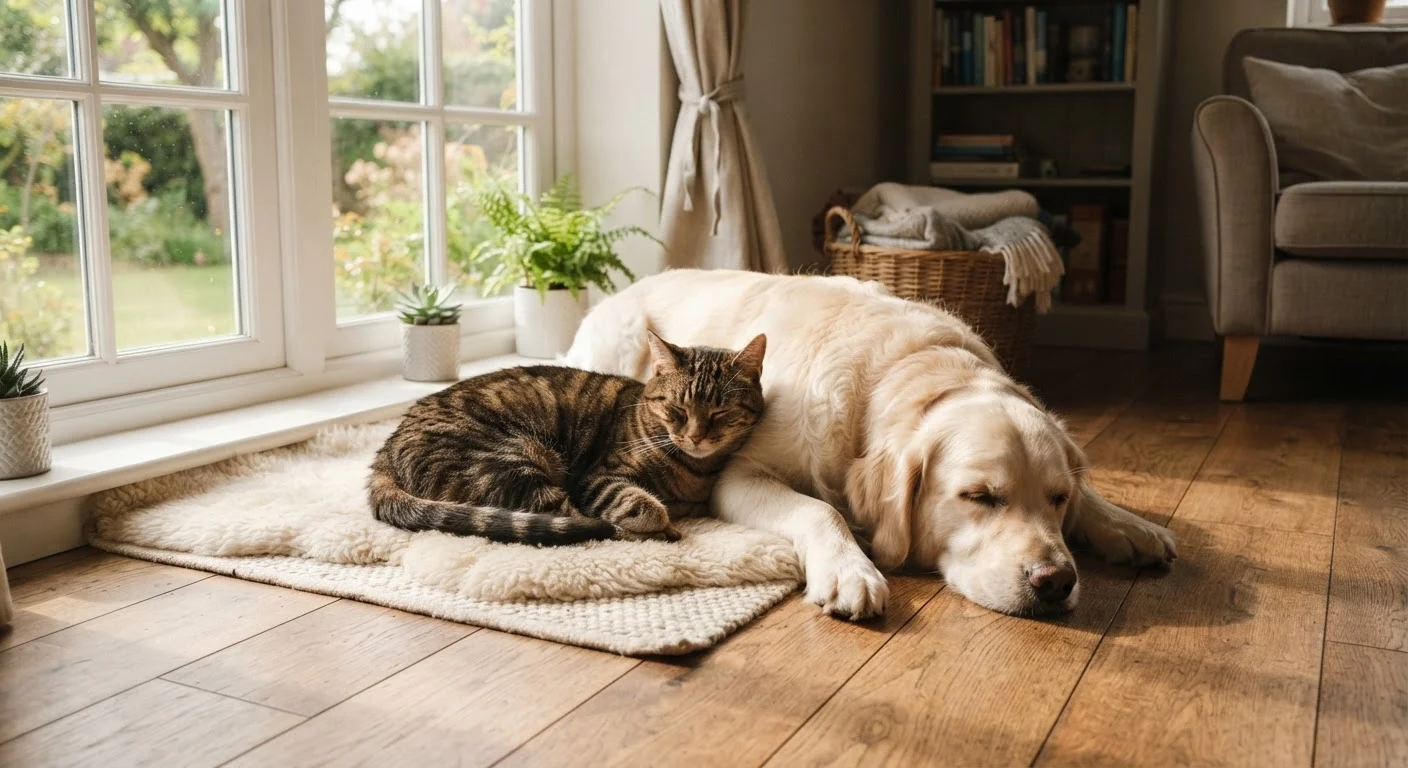
Diet: Same Protein Goal, Very Different Biology
Both cats and dogs are primarily carnivorous, but cats are obligate carnivores - meaning their bodies cannot produce certain essential nutrients on their own. Taurine, arachidonic acid, and preformed vitamin A must come directly from animal tissue in a cat's diet. Dogs, by contrast, can synthesize some of these compounds, giving them slightly more dietary flexibility.
This distinction matters enormously when choosing food. Feeding a cat dog food - or vice versa - over time can lead to nutritional deficiencies or excesses. Cats also require higher overall protein concentrations and have a limited ability to regulate protein metabolism, which means consistent, species-appropriate nutrition is essential.
Hydration is another key difference. Cats evolved from desert-dwelling ancestors and have a naturally low thirst drive, making wet food an important moisture source for many cats. Dogs typically drink water more readily. For a deeper look at how food format affects both species, see how wet and dry pet food differ.
Exercise and Mental Stimulation: Structured vs. Self-Directed
Dogs require regular, structured physical activity - most breeds need at least one or two daily walks, plus interactive play. Without adequate exercise, many dogs develop behavioral issues including destructive chewing, excessive barking, and anxiety. The specific amount varies considerably by breed, age, and health status.
Cats exercise more on their own terms. Indoor cats benefit from enrichment tools like climbing structures, puzzle feeders, and short interactive play sessions using wand toys, but they do not typically require scheduled outdoor walks. That said, a sedentary indoor cat can still become overweight or understimulated without deliberate enrichment.
| Criterion | Cats | Dogs |
|---|---|---|
| Daily exercise need | Self-directed; enrichment-based | Structured walks required |
| Social stimulation | More independent | Highly social; needs interaction |
| Dietary flexibility | Low; obligate carnivore | Moderate; more adaptable |
| Grooming burden on owner | Generally lower | Varies widely by breed |
| Illness concealment | High; symptoms often hidden | Moderate; more visible signals |
| Vet visit frequency | Annual or biannual recommended | Annual recommended |
Mental stimulation is equally important for both species. Dogs are generally more pack-oriented and can develop separation-related distress when left alone for extended periods - a topic worth understanding before adopting. See what separation anxiety in dogs actually looks like for a helpful breakdown. For a broader comparison of activity requirements across pet types, exercise needs across common pet types offers practical context.
Grooming and Coat Care
Most cats groom themselves consistently and rarely need baths. Regular brushing helps reduce hairballs in long-haired breeds and minimizes shedding, but the overall grooming burden on the owner is typically lower than with dogs.
Dogs vary enormously by breed. Double-coated breeds like Huskies shed heavily and need frequent brushing; curly-coated breeds like Poodles require professional grooming to prevent matting. Dogs also generally need their nails trimmed more frequently and may need ear cleaning depending on ear shape - floppy-eared dogs are more prone to moisture buildup and infections.
For both species, oral health is an often-overlooked aspect of grooming. Plaque and tartar buildup can lead to serious systemic health issues if left unaddressed. Dental health in cats and dogs is more serious than most owners realize - regular tooth brushing or veterinarian-recommended alternatives are worth incorporating early.
Veterinary Care: Reading the Signs and Staying Proactive
Both cats and dogs benefit from routine wellness visits regardless of whether they appear sick. However, cats are particularly skilled at concealing discomfort or illness - a behavior rooted in prey animal instincts. By the time a cat shows obvious symptoms, a condition may already be significantly advanced. This makes annual or biannual checkups especially important for cats.
Dogs tend to show behavioral changes more visibly when something is off - decreased appetite, lethargy, or changes in gait are usually more apparent. That said, dogs also hide pain to varying degrees, so owners should not rely solely on obvious signals.
When to Contact Your Vet Promptly
For either species, certain signs warrant a prompt veterinary call rather than a wait-and-see approach. These include complete loss of appetite lasting more than 24-48 hours, difficulty breathing, sudden changes in mobility, or any significant behavioral shift that appears abruptly. This list is not exhaustive - your veterinarian is always the right resource when something feels off about your pet's health.
Signs of general wellness to monitor in both species include consistent appetite, regular water intake, normal energy levels for the individual animal, a clean coat or skin condition, and normal urination and defecation. Noticeable deviations from any of these are worth discussing with a veterinarian. To understand what a routine checkup actually covers, pet wellness visits explained is a useful starting point.
This article is for general informational and educational purposes only and is not a substitute for professional veterinary advice, diagnosis, or treatment. Always consult a qualified veterinarian regarding your pet's specific health needs.