What Actually Happens During a Wellness Exam
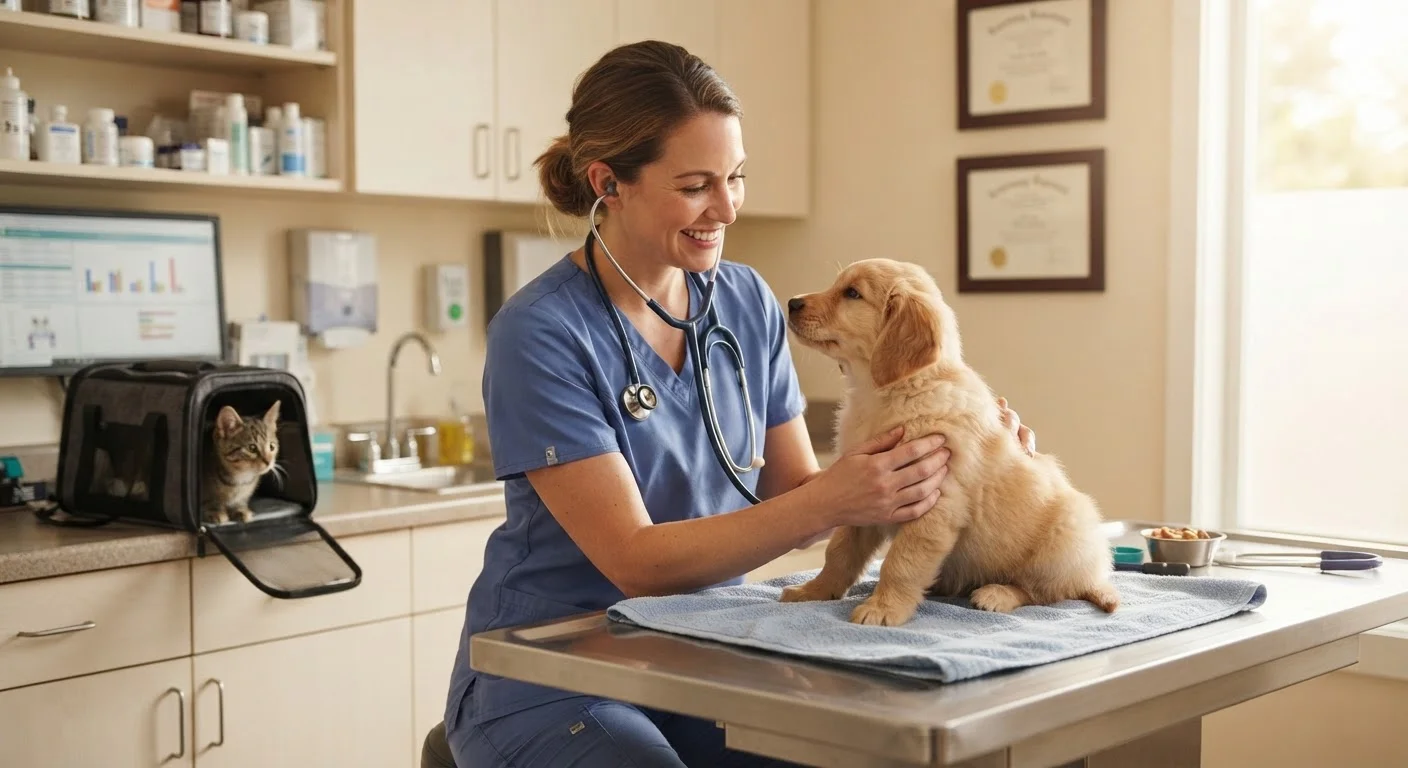
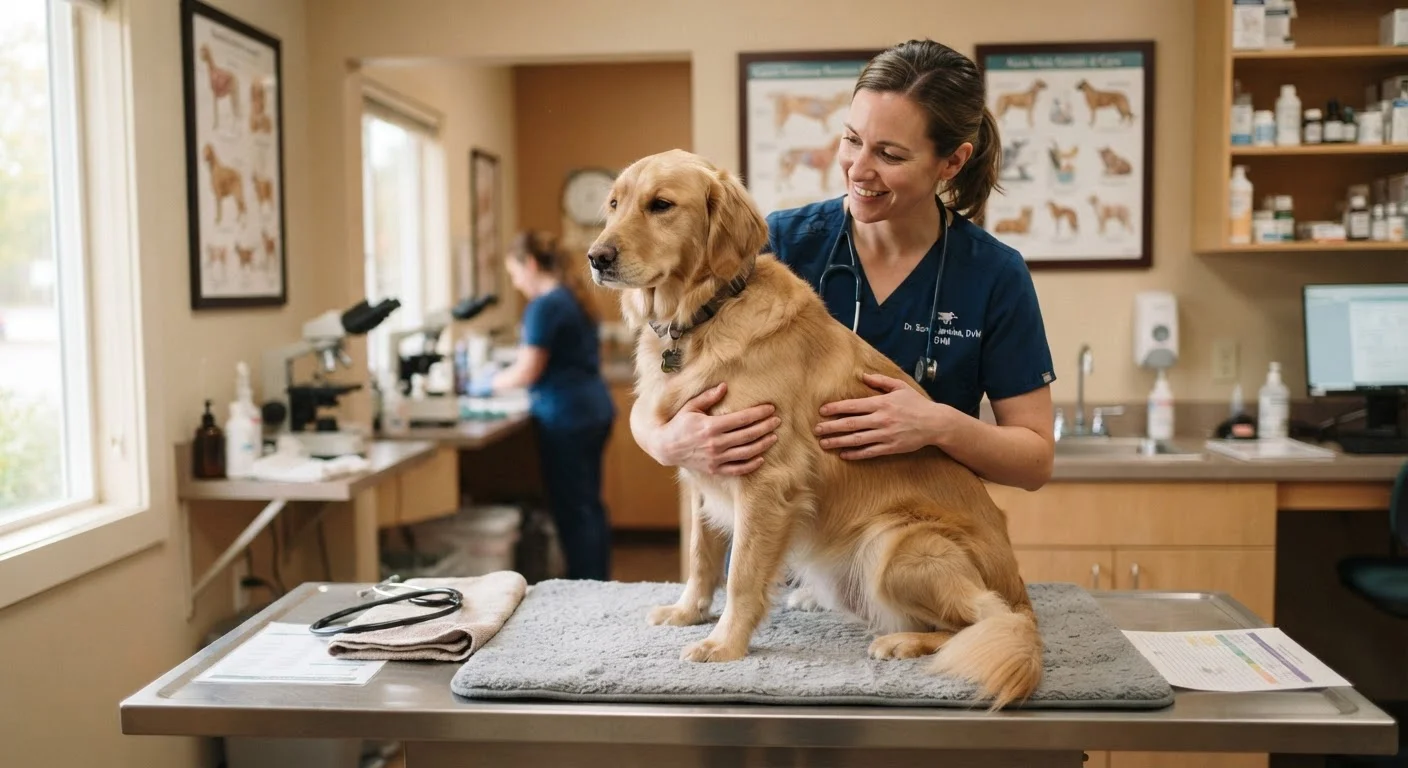
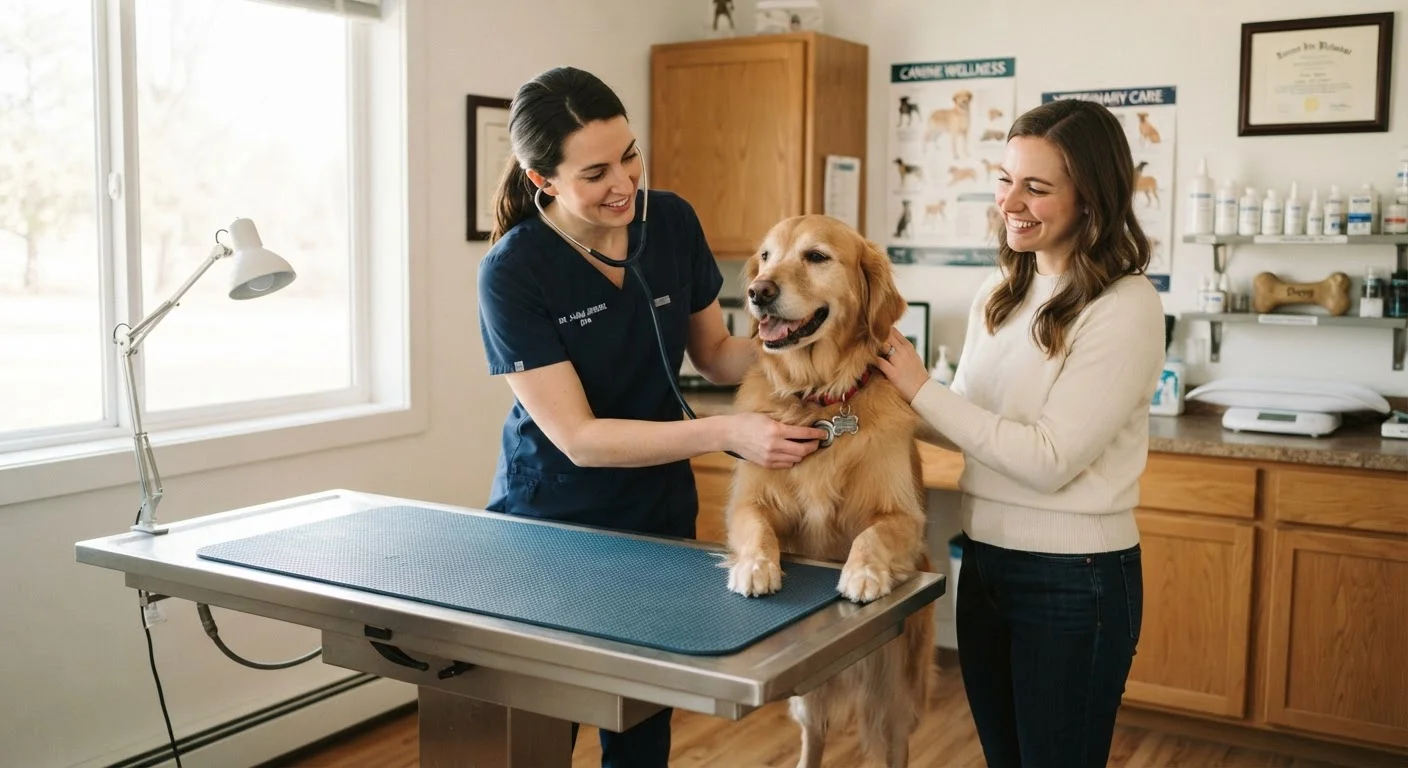
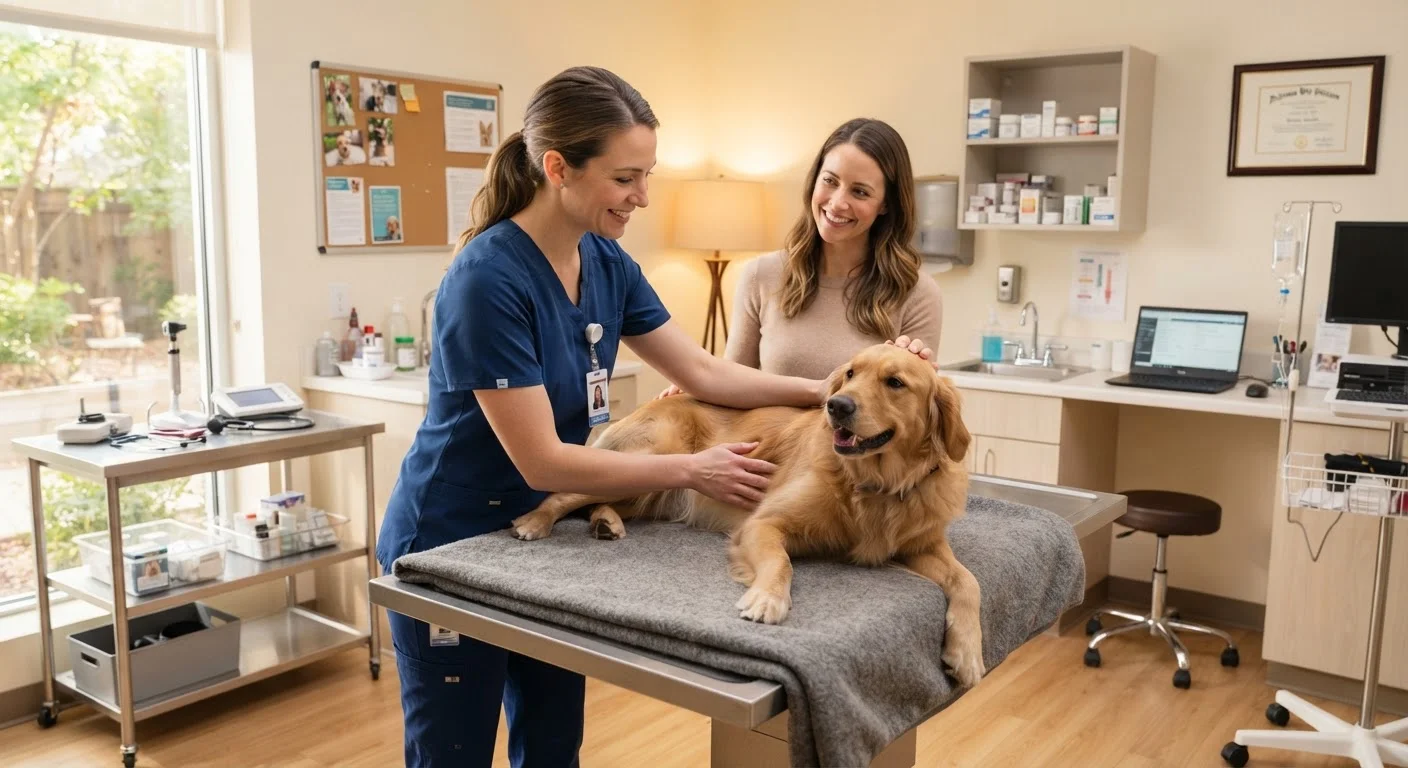
When you arrive at the clinic, a veterinary technician typically records your pet's weight and temperature and asks about any changes since the last visit. The vet then conducts a systematic physical examination - working from nose to tail - that covers far more ground than most owners expect.
Here is what is usually assessed:
- Eyes and ears: Checked for discharge, redness, cloudiness, or signs of infection.
- Mouth and teeth: Dental health is a major focus. Tartar buildup, gum inflammation, and tooth fractures are common findings.
- Coat and skin: The vet looks for parasites, lumps, dry patches, or unusual odor.
- Heart and lungs: Listened to with a stethoscope for irregular rhythms or abnormal breathing sounds.
- Abdomen: Gently palpated to check organ size and detect any tenderness or masses.
- Lymph nodes and joints: Swelling or stiffness may suggest inflammation or other issues worth monitoring.
- Weight and body condition: Not just a number on a scale - vets assess muscle mass and fat distribution. For more on this, see how vets assess healthy weight.
The exam typically closes with a conversation about diet, exercise, parasite prevention, and whether any diagnostic tests - such as bloodwork or a fecal screen - are appropriate given your pet's age or history.
Make the Most of Your Appointment
Write down two or three specific questions before you go - changes in appetite, unusual lumps, shifts in energy level. Vets appreciate concrete observations, and a short list ensures you don't forget anything important during the visit. Even small behavioral changes are worth mentioning.
Why Routine Visits Matter Even for Healthy Animals
The clearest value of a wellness visit is establishing a health baseline. When a vet examines your pet annually, they accumulate a record of what is normal for that individual animal. A slightly elevated heart rate or a mild murmur means something different if it was present last year versus appearing for the first time.
Pets age faster than humans, and health changes can progress quickly between visits. A condition that is easy to manage when caught early - dental disease, early kidney changes, weight gain - may require more intervention if left unaddressed. Preventive vet care catches issues before they become serious, and consistent annual exams are the foundation of that approach.
Wellness visits also give you a structured moment to ask questions you might otherwise forget. Many owners notice subtle behavioral shifts at home - changes in sleep, appetite, or energy - that are worth raising with a vet even if they seem minor. For context on reading your pet's everyday signals, signs of a healthy pet that first-time owners often overlook offers a useful complement to what you'll learn in the exam room.
1 in 3
Pets appear healthy but have an underlying condition
Veterinary organizations have noted that a significant proportion of pets showing no obvious symptoms have detectable health issues found only through physical exam or diagnostics.
~70%
Dogs over 3 show signs of dental disease
According to the American Veterinary Medical Association, dental disease is one of the most common conditions identified during routine wellness exams in dogs.
2x/year
Recommended visit frequency for senior pets
Most veterinary guidelines suggest twice-yearly wellness exams for pets in their senior years due to the faster pace of age-related health changes.
Building a Wellness Routine That Fits Your Pet's Needs
Different life stages call for different visit frequencies. Puppies and kittens often see the vet multiple times in their first year to complete vaccination series and address rapid developmental changes. Adult pets typically thrive with annual visits. Senior pets - generally dogs over seven and cats over ten - benefit from twice-yearly exams because age-related conditions can emerge or progress quickly.
Species also shapes what wellness care looks like. Dogs and cats have meaningfully different health priorities; see how cats and dogs differ in their wellness needs for a fuller picture of those distinctions.
Between visits, building consistent at-home habits helps you catch changes early and gives your vet more useful information when you do come in. Monthly pet health habits worth building early outlines a practical home-monitoring framework. If you are brand new to pet ownership and want a broader starting point, Pet Health for New Owners: A Grounded Starting Point covers the fundamentals in plain language.
This article is for general educational purposes only and is not a substitute for professional veterinary advice. Always consult a licensed veterinarian for guidance specific to your pet's health needs.