Why healthy looks different than you expect
Most first-time pet owners know to look for a shiny coat and bright eyes - but good health shows up in dozens of smaller, easier-to-miss ways. Pets can't tell you they're feeling great, so learning to recognize the everyday signs of thriving is one of the most practical skills you can build as a new owner.
The goal isn't to become your pet's diagnostician. It's to know what normal looks like so that changes stand out. If you're just getting started, our grounded introduction to pet health is a helpful foundation before diving into the specifics below.
Your pet's baseline is unique
What's normal for one pet may not be normal for another. Breed, age, diet, and individual temperament all influence everything from energy levels to coat texture. The most important thing isn't memorizing a checklist - it's learning what's typical for your specific animal. Regular wellness visits help establish that baseline with professional support. See our overview of what wellness exams cover if you're new to routine vet checkups.
Here are seven indicators that healthy pets regularly show - and that new owners often don't know to look for.
Seven signs your pet is quietly thriving
Consistent appetite and interest in food
A pet that approaches mealtimes with reliable enthusiasm - not frantic desperation, but genuine interest - is showing a healthy sign that many first-timers overlook. What matters most is consistency. Healthy pets generally eat at a steady pace, finish meals within a reasonable window, and don't obsessively guard food or ignore it entirely.
Occasional skipped meals can be normal, especially after travel or disruption. But a sustained change in appetite - eating significantly less or far more than usual - is worth noting and discussing with your vet.
Consistent mealtime interest, not just eating, signals a thriving pet.
Predictable, normal elimination habits
This one catches new owners off guard, but your pet's bathroom habits are a reliable window into their digestive and overall health. Healthy dogs and cats produce well-formed stools on a relatively predictable schedule. Urine should be clear to light yellow, and frequency should be consistent day to day.
Getting familiar with what's normal for your pet means you'll notice changes early - things like diarrhea lasting more than a day or two, straining, blood, or unusually frequent urination. These changes are worth a vet conversation. For a broader foundation, see our introduction to pet health essentials.
Your pet's bathroom habits reveal more about their health than most owners realize.
Age-appropriate activity and curiosity
A healthy pet is engaged with their environment. That doesn't mean hyperactive - a calm senior cat napping in a sunbeam can be perfectly healthy - but there should be moments of alertness, investigation, and interest in what's happening around them.
Puppies and kittens naturally have high energy levels, while adult and senior pets settle into calmer patterns. What you're looking for is behavior that's typical for their age and breed. Sudden lethargy or withdrawal from normal activities can be a signal worth paying attention to, as covered in our article on sudden behaviour changes in pets.
Curiosity and engagement - at any energy level - reflect a healthy mind and body.
Clear, odor-free eyes and ears
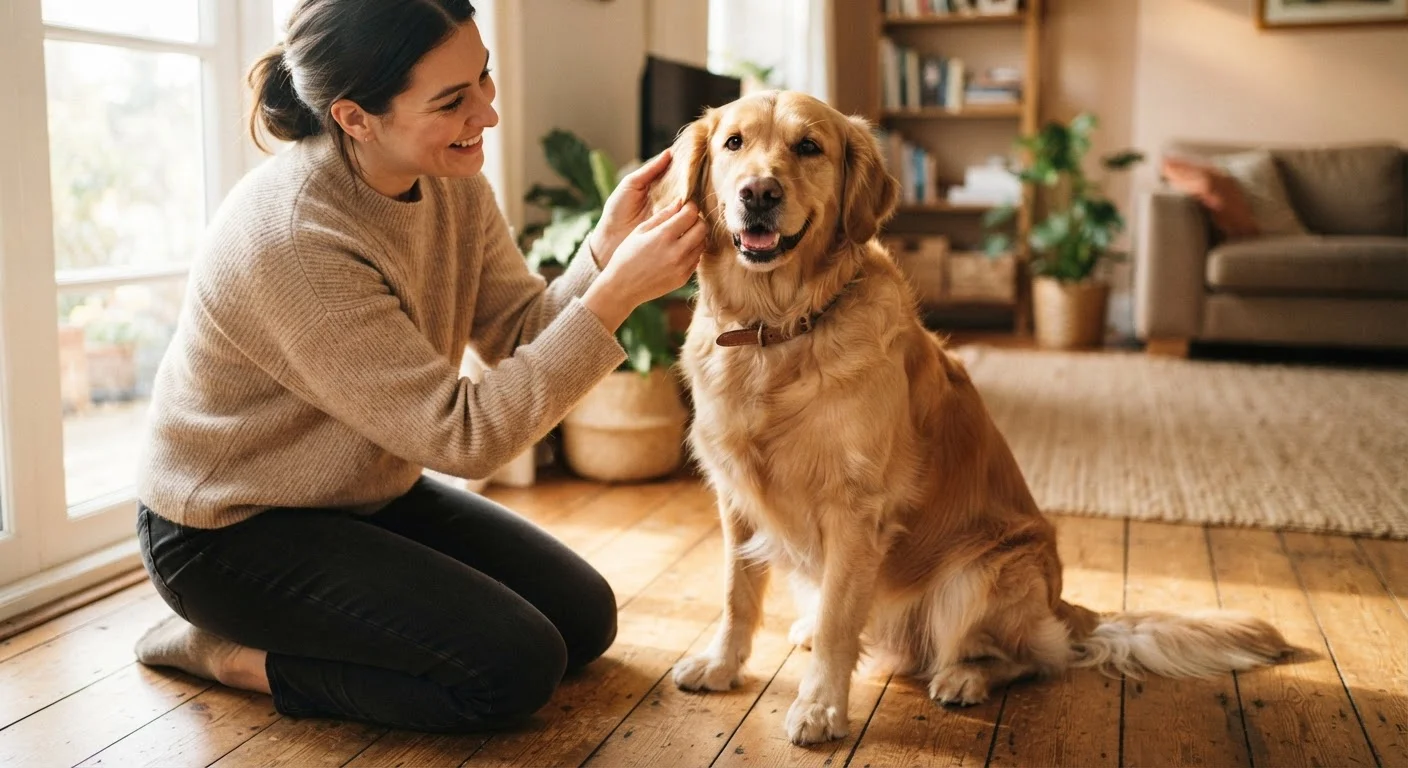
Healthy eyes are bright, clear, and free of excessive discharge. A small amount of sleep crust in the morning can be normal, but persistent goopy discharge, cloudiness, or redness warrants a vet check. Similarly, ears should be clean-smelling and free of dark buildup or odor.
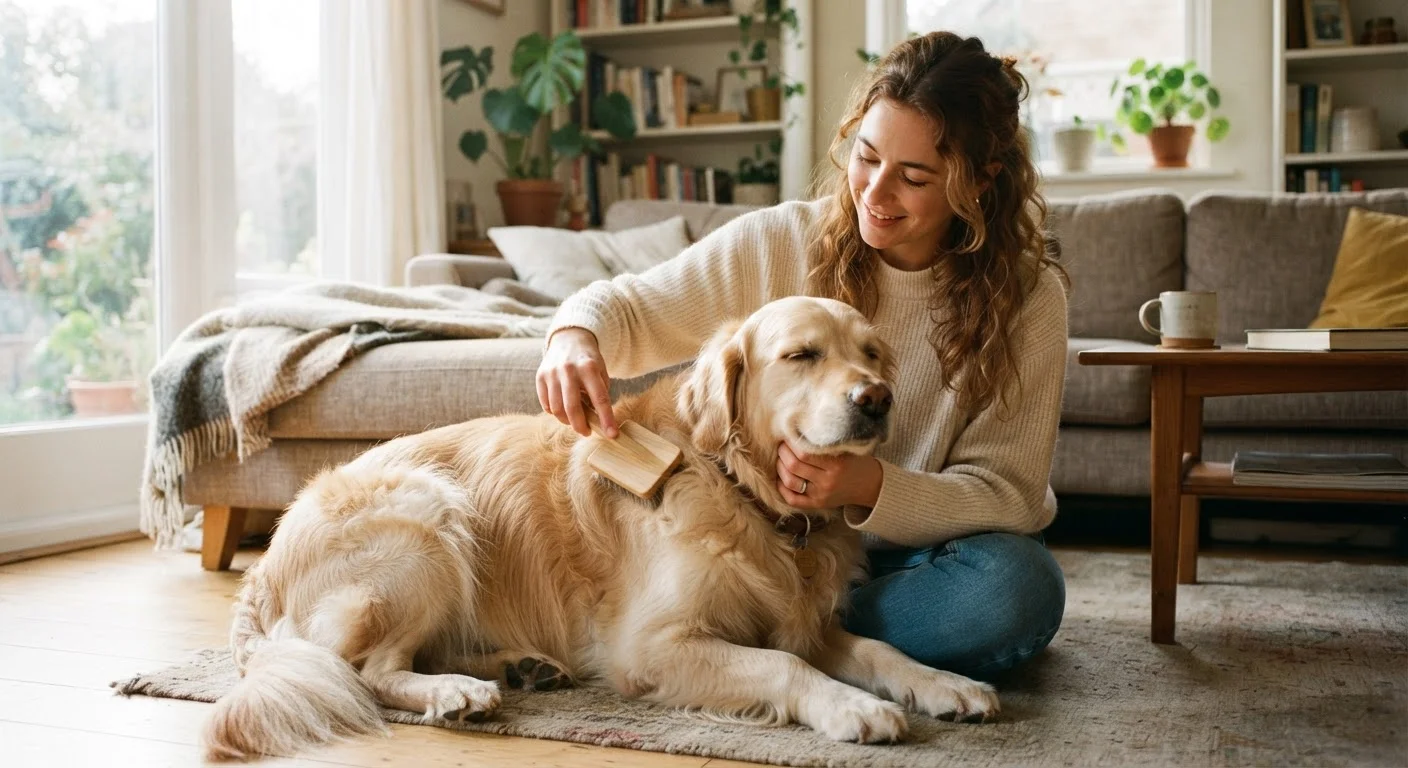
Many first-time owners skip these checks during everyday handling. Building a habit of gently looking at your pet's eyes and ears a few times a week - especially during grooming - makes it far easier to catch changes early. Our guide on common home grooming mistakes explains how to incorporate these checks into a routine.
Clear, odor-free eyes and ears are quiet indicators of good daily health.
Comfortable, relaxed body posture
How your pet holds their body tells a story. A healthy dog at rest typically lies with relaxed muscles - no rigid tension, no tucked tail when calm. A healthy cat may lounge loosely, slow-blink in your presence, and show relaxed ear positioning. These are subtle but meaningful signs of comfort and safety.
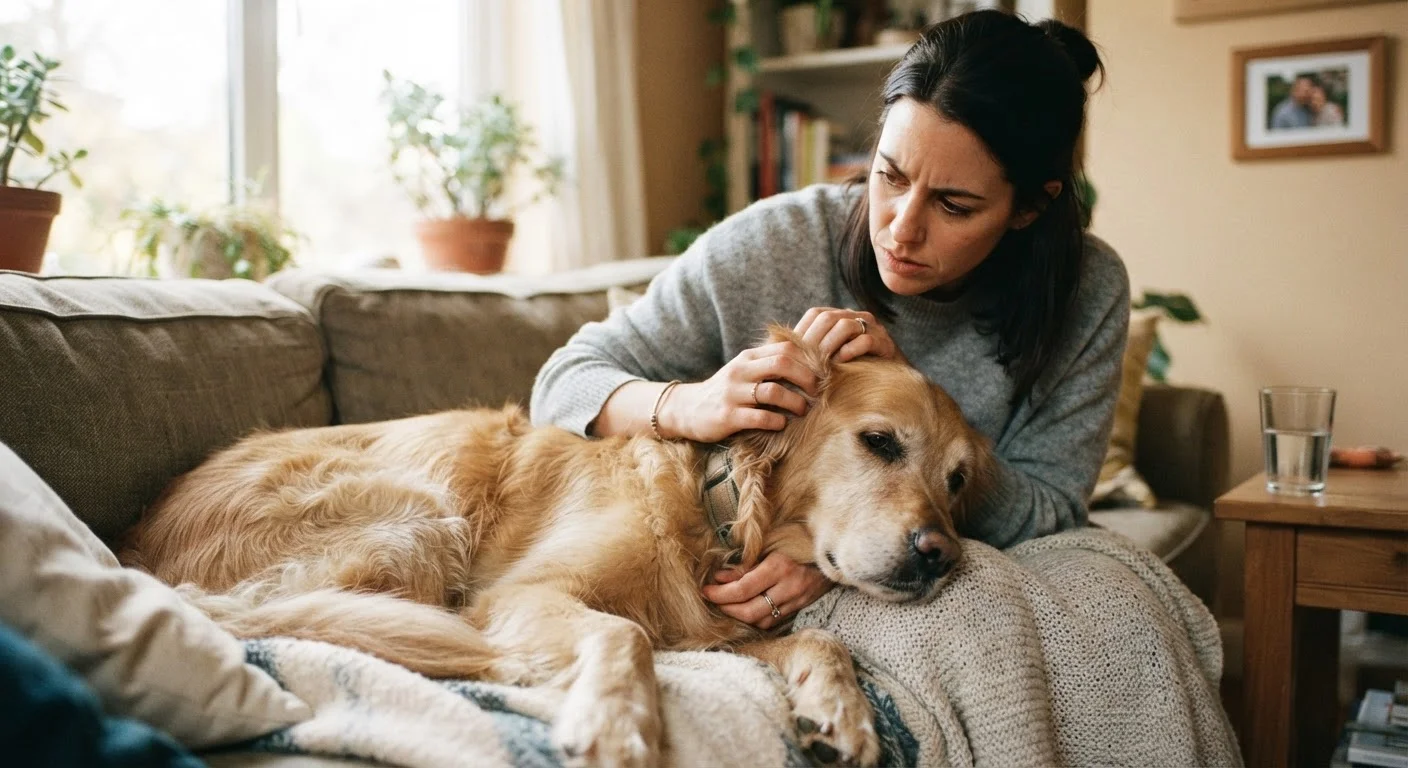
By contrast, a pet that consistently hunches, guards certain body parts, or seems stiff when moving may be experiencing discomfort. Understanding posture is a skill that pays off - our guide to reading body language during health scares goes deeper on the warning signs.
A relaxed, loose posture at rest is one of the clearest indicators of a comfortable pet.
Healthy hydration habits
Most healthy pets drink water in moderate, regular amounts throughout the day. While exact intake varies by diet, size, and species, dramatic increases or decreases in water consumption can signal underlying issues such as kidney changes, diabetes, or dental pain affecting the ability to drink comfortably.
Keep water bowls consistently filled and note if your pet suddenly seems to be drinking far more or avoiding the bowl altogether. Our article on pet hydration covers the general markers of good and poor hydration in more detail.
Steady water intake throughout the day is a quiet but important sign of good health.
Responsive to familiar people and routines
Healthy pets typically recognize and respond to familiar people, sounds, and routines. Your dog perking up when you grab the leash, or your cat trotting toward you at feeding time - these small responses show that your pet's senses and cognition are working as expected.
A pet that suddenly becomes indifferent to people or activities they previously enjoyed may be signaling something worth investigating. This is also why building consistent daily routines matters: it gives you a reliable baseline, which is a core habit covered in our monthly pet health habit framework.
Responding to familiar routines shows your pet's senses and mood are functioning well.
Do a quick weekly hands-on check
Once a week, spend two or three minutes running your hands gently along your pet's body during a calm moment. You're feeling for lumps, tender spots, coat changes, or anything that seems different from the week before. This habit doesn't replace vet care, but it dramatically improves your ability to notice subtle changes early. Pair it with a quick look at eyes, ears, and gums.
Making observation a habit
None of these signs require medical training to notice - they just require attention. The more time you spend with your pet in everyday situations, the more naturally you'll develop a feel for what's normal for them specifically. That personal baseline is more useful than any general checklist.
If you're ever unsure whether something you've observed is worth worrying about, a quick call to your vet's office is always a reasonable first step. And if you're ready to build a more structured routine around your pet's health, our monthly pet health habits guide offers a practical framework to follow. For the flip side - what signs suggest something may be wrong - see our article on signs your pet may be in pain or discomfort.
This article is for general informational purposes only and is not a substitute for professional veterinary advice. Always consult a licensed veterinarian for guidance about your specific pet's health.