
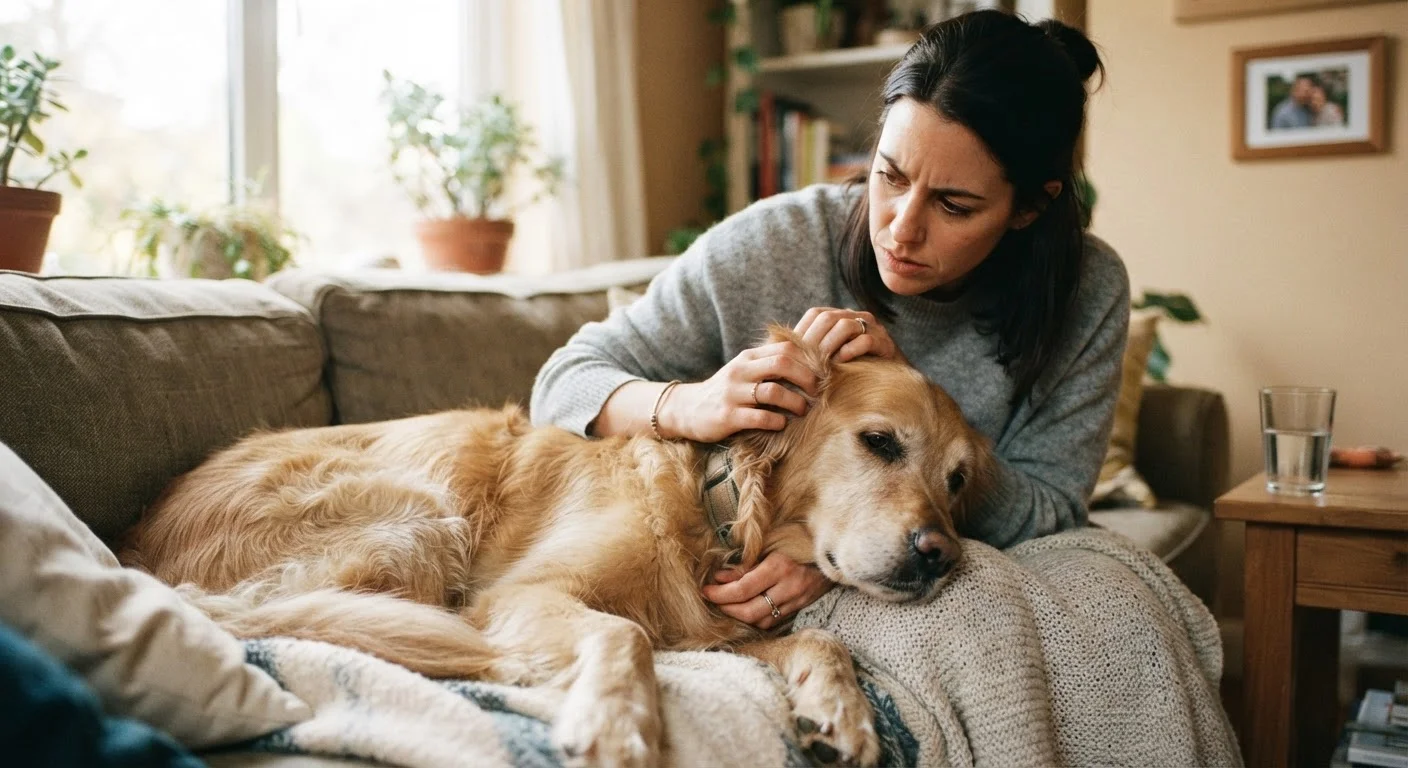
Why Behaviour Is Your Pet's Primary Language
Pets cannot tell you when they have a headache, feel nauseous, or experience joint pain. What they can do is act differently. A dog who skips breakfast, a cat who stops grooming, or a rabbit who retreats to the back of their enclosure - these shifts are the closest thing to a spoken complaint your pet can offer.
Understanding this reframes how you should think about behaviour. It is not just a personality trait; it is also a health indicator. The better you know your individual pet's normal routines and tendencies, the more clearly an unusual pattern will stand out. This is why the signs of a healthy pet are worth learning early - they give you a personal benchmark to measure against.
~70%
Pet owners who first noticed illness through behaviour
Surveys by veterinary wellness organizations consistently find that behaviour change is among the most common reasons owners first suspect something is wrong with their pet.
2-3 days
Threshold before contacting a vet for persistent lethargy
General veterinary guidance suggests that lethargy lasting more than 24-48 hours, especially alongside other changes, warrants a professional evaluation rather than continued monitoring at home.
Common Behaviour Changes and What They May Signal
No single change automatically points to a specific condition, and this article is not a diagnostic guide. What follows are patterns that veterinarians commonly consider when evaluating a pet's wellbeing.
Lethargy or Reduced Activity
A pet that suddenly sleeps more, refuses walks they normally enjoy, or shows little interest in play may be experiencing anything from a mild digestive upset to pain or fever. A single sleepy afternoon is rarely cause for alarm, but lethargy that persists beyond 24 hours - or accompanies other changes - is worth reporting to a vet.
Changes in Appetite or Thirst
Skipping one meal can happen. Refusing food consistently, eating significantly more than usual, or dramatically increasing or decreasing water intake are changes worth tracking and discussing with a professional. These patterns can be associated with a wide range of physical health factors.
Aggression That Appears Suddenly
When a gentle animal suddenly growls, snaps, or swipes, pain is frequently the underlying cause. An animal who does not want to be touched in a particular area, or who flinches when approached, may be protecting a sore spot. Signs your pet may be in pain are not always obvious, and sudden aggression is one of the less intuitive ones.
Hiding or Social Withdrawal
Cats especially, but also dogs and other animals, will isolate themselves when they feel unwell. If your pet is avoiding rooms they usually inhabit, hiding under furniture, or not greeting you as they normally would, take note of when it started and whether anything else has changed.
Changes in Bathroom Habits
House-trained dogs having accidents indoors, cats urinating outside the litter box, or any pet showing straining, unusual frequency, or changes in stool consistency are all signals that something may need attention. Some of these can indicate urgent conditions, so do not wait too long before consulting a vet.
Keep a Simple Behaviour Log
You do not need a formal system - even a few notes in your phone can make a real difference. Record the date, what you observed, how long it lasted, and whether your pet ate and drank normally. This kind of log helps your vet identify patterns you might otherwise struggle to recall under the stress of an appointment.
How to Document Changes Before Your Vet Appointment
When you contact your vet, clear observations are more useful than general worry. Keep a short log noting what changed, when it started, and how often you observe it. If the behaviour is visible - such as a limp, a tremor, or unusual posture - a short phone video taken at home can give your vet valuable context they could not otherwise see in the clinic.
Tracking your pet's habits consistently also makes it easier to catch early changes. Building a monthly pet health habit routine trains your eye to notice what is normal so that abnormal patterns are immediately obvious.
When speaking to your vet, mention any other household changes - a move, a new family member, altered feeding times, or a change in food. Context helps rule out environmental causes and focus on physical ones.
When Behaviour Change Overlaps With Age
Older pets present a particular challenge: some changes really are normal parts of ageing, while others are treatable conditions that can look similar. A senior dog moving more slowly may be arthritic, not simply old. A cat drinking more water may have a thyroid or kidney issue, not just a preference shift.
If your pet is in their senior years, reviewing how ageing affects pet health and comfort can help you distinguish what warrants monitoring from what genuinely requires a vet visit. The key principle remains the same: if a change is sudden, persists, or clusters with other changes, a professional evaluation is the right next step.
This article is for general informational and educational purposes only and does not constitute veterinary or medical advice. Always consult a qualified veterinarian for concerns about your pet's health.