
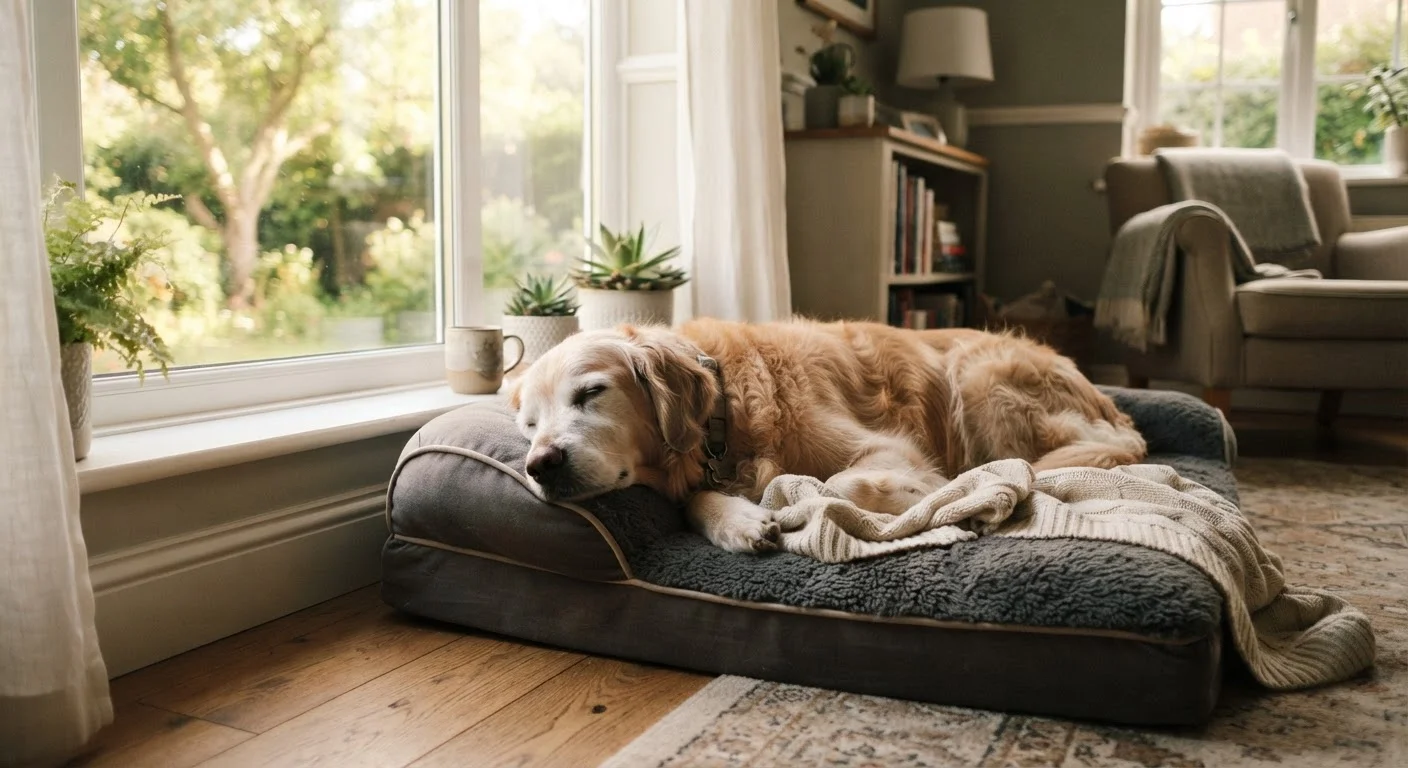
When Is a Pet Considered 'Senior'?
Age thresholds for senior pets vary by species and size. For dogs, small breeds (under 20 pounds) typically reach senior status around age 10-12, while large and giant breeds may be considered senior as early as age 6-7. Cats are generally classified as mature adults around age 7 and seniors around age 11, though individual variation is significant.
These aren't just calendar milestones - they signal a shift in how your pet's body functions. Metabolism slows, the immune system becomes less efficient, and organ systems that once recovered quickly start to show wear. Knowing where your pet falls on this spectrum helps you set appropriate expectations and adapt your care approach before problems become serious. For a helpful baseline on what healthy looks like across all life stages, see signs of a healthy pet that first-time owners often overlook.
How Mobility and Joints Change With Age
One of the most visible changes in older pets is a shift in how they move. Stiffness after rest, reluctance to climb stairs, slower walks, and hesitation when jumping are all common signs that joints are working harder than they used to. Osteoarthritis - inflammation of joint cartilage - is especially prevalent in senior dogs and cats, though pets are skilled at masking discomfort.
When assessing mobility changes, film a short video of your pet walking on their normal surface during a typical moment - not when they know they're being watched. This footage is often more revealing to a vet than an in-clinic gait assessment.
Pets frequently mask discomfort in unfamiliar environments like a vet clinic, making it difficult to assess true mobility. Video evidence from home provides an accurate picture of everyday movement.
Track your senior pet's resting respiratory rate monthly. A rate consistently above 30 breaths per minute during sleep can indicate cardiac or respiratory changes worth discussing with your vet.
Resting respiratory rate is one of the few objective metrics owners can measure at home, and veterinary cardiologists commonly use it as an early monitoring tool for heart conditions in dogs and cats.
Watch for subtle cues: a dog that used to greet you enthusiastically at the door but now stays on the couch, or a cat that has stopped jumping to a favorite perch. These behavioral withdrawals are often the first signal of joint pain rather than personality change. See our guide on signs your pet may be in pain or discomfort for more physical and behavioral cues to watch for.
Your vet can assess joint health and discuss options appropriate to your pet's situation. Never adjust or introduce pain management strategies without veterinary guidance.
Senses, Cognition, and Behaviour Shifts
Older pets frequently experience gradual decline in vision and hearing. Cloudy eyes (a condition called nuclear sclerosis, different from cataracts), reduced responsiveness to calls, or startling more easily can all reflect sensory changes rather than stubbornness or disobedience. Cognitive changes are also possible - a syndrome in dogs called Canine Cognitive Dysfunction (CCD) and a similar condition in cats can produce disorientation, altered sleep cycles, and increased vocalization, particularly at night.
These changes can be easy to misread. A senior pet that seems withdrawn, confused, or suddenly reactive may be compensating for diminished senses or experiencing cognitive shifts. Sudden behaviour changes in pets deserve attention - especially when they appear gradually over weeks or months. Your vet can differentiate between sensory loss, cognitive decline, and pain-related behaviour.
Gradual Changes Are Easy to Miss
Because age-related changes in pets tend to develop slowly, owners often adapt alongside their pet without noticing the cumulative decline. Comparing your pet's current behavior and mobility to how they were 6-12 months ago - rather than last week - can make these shifts more apparent. Photos and short videos taken regularly are useful for this kind of comparison.
Nutrition and Weight Management in Older Pets
Senior pets often need adjustments to what and how much they eat. Muscle mass tends to decrease with age, while the risk of obesity increases as activity levels drop. Some older animals, particularly cats, actually lose weight due to reduced digestive efficiency or underlying conditions like hyperthyroidism or kidney disease.
Feeding a diet formulated for senior animals can support joint health, kidney function, and digestion - but what's appropriate varies significantly by species, breed, and existing health conditions. Avoid making dietary changes without consulting your vet first, as the wrong formulation can worsen existing health issues. Keeping a monthly pet health habit routine - including regular weight checks at home - makes it easier to catch gradual changes before they become serious.
Creating a Senior-Friendly Home Environment
Simple home modifications can significantly improve quality of life for an aging pet without requiring major expense. Consider these practical adjustments:
- Orthopedic bedding: Supportive foam beds reduce pressure on arthritic joints and are especially helpful for larger dogs.
- Ramps and steps: Providing a ramp to the sofa or car eliminates painful jumping for pets with joint issues.
- Non-slip surfaces: Hardwood and tile floors are difficult to navigate for pets with weakened rear legs. Rugs or yoga mats in key pathways help significantly.
- Raised food and water bowls: Reduce neck strain for dogs with arthritis in the spine or shoulders.
- Litter box accessibility: For senior cats, a box with a low entry point reduces the effort needed to get in and out.
- Warmth and shelter from drafts: Older pets regulate body temperature less efficiently, making a warm, draft-free resting spot important.
These adjustments work best when introduced gradually, giving your pet time to adjust without added stress.
Veterinary Care: How Often and What to Expect
Most veterinary guidelines recommend moving senior pets to biannual check-ups rather than the annual schedule appropriate for younger animals. More frequent visits allow vets to catch gradual changes - in kidney values, thyroid function, dental health, and blood pressure - while they are still manageable.
Bloodwork and urinalysis become especially important in older pets, as many age-related conditions (kidney disease, diabetes, liver changes) show up in lab results before obvious symptoms appear. Dental disease, which affects the majority of pets over age three, tends to worsen significantly in senior years and can affect overall systemic health.
Keep a record of any behavioral or physical changes you notice between visits - including eating, drinking, sleeping, elimination, and activity patterns. Your observations are genuinely useful clinical information. Reading your pet's body language during a health scare can help you translate what you're seeing into a clear description for your vet.
This article provides general educational information about senior pet care and is not a substitute for veterinary advice. Always consult a licensed veterinarian regarding your specific pet's health needs.