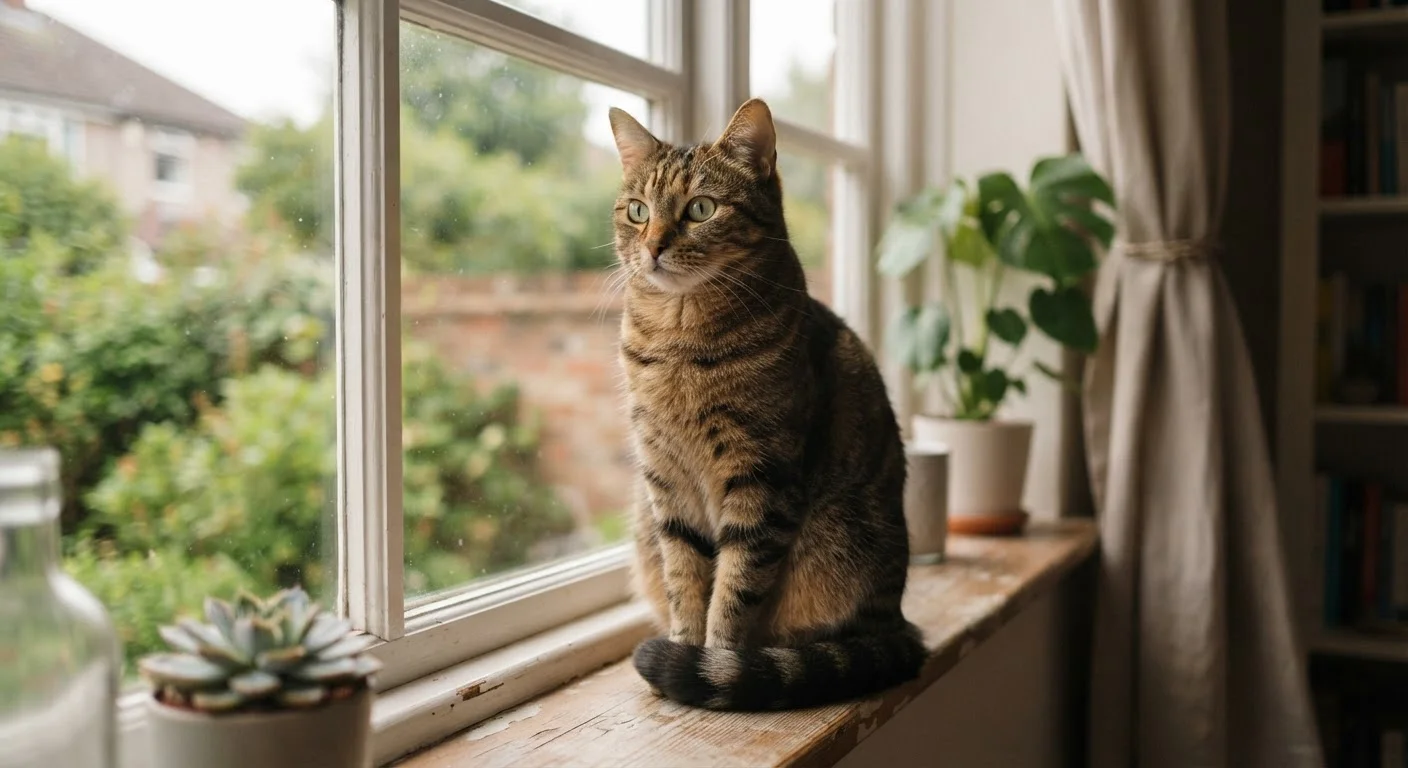

Why Body Language Is Your Pet's Primary Health Signal
Animals cannot describe a headache or explain that their stomach hurts. Instead, they communicate through subtle physical and behavioral shifts that, once you know what to look for, become surprisingly readable. Building this skill is one of the most practical things a pet owner can do - not to diagnose illness, but to recognize when something has changed and when a veterinarian's input is needed.
The foundation of this skill is knowing your individual pet. General signs matter, but deviation from your specific animal's normal is what gives them real weight. If you're new to pet ownership, a grounded starting point for new pet owners can help you build that foundational knowledge before a health concern arises.
This Is Observation Guidance, Not Diagnosis
The information in this article helps you recognize and describe physical and behavioral cues in your pet. It is not a substitute for professional veterinary evaluation. If your pet shows signs of acute distress - difficulty breathing, collapse, seizure, or severe bleeding - contact a veterinarian or emergency animal clinic immediately.
Below, we walk through a practical observation process you can apply the next time something seems off with your animal.
How to Read Your Pet Step by Step
Use the following steps whenever your pet's behavior or appearance raises a concern. These are observation practices - not diagnostic checklists. Each step builds a clearer picture to share with your veterinarian.
What you will need
Symptom observation journal or notes app
Records changes in behavior, posture, or appetite with timestamps to share with your vet.
Soft, indirect lighting
Helps you clearly observe eye appearance, coat condition, and subtle postural cues without startling your pet.
Veterinarian contact information
Ensures you can quickly reach professional guidance if observed signs concern you.
Establish your pet's normal baseline
You can only recognize something unusual if you know what's typical for your individual animal. Spend a few minutes each day noticing how your pet moves, holds their body, and interacts with you and their environment when they're feeling well.
Key things to note at baseline: posture while resting and standing, eye brightness and openness, ear position, how readily they eat and drink, and their general energy level. Signs of a healthy pet can be subtler than you'd expect, so building this habit early pays off.
Observe posture and movement
A pet in discomfort often changes the way they hold or move their body. Look for a hunched or tucked posture, reluctance to bear weight on a limb, stiffness when rising, or an arched back. Dogs may stand with their head low and weight shifted; cats may sit in an unusually tight, loaf-like position with limbs tucked closely under their body.
Pay attention to gait changes - stumbling, favoring one side, or moving more slowly than usual. These are often among the first visible indicators that something may be physically wrong. For aging animals, mobility changes with age can overlap with signs of pain, which is why veterinary input matters.
Check facial and eye cues
The face communicates a great deal. Squinting, partially closed eyes, or eyes that appear sunken or glassy can all signal that your pet is not feeling well. Dilated pupils in a brightly lit room, or pupils that appear unequal in size, are worth noting specifically for a vet conversation.
Facial tension is another cue - tightened muscles around the muzzle, brow furrowing, or ears pinned flat against the head (particularly in cats) can suggest stress or pain. Feline body language has its own nuances that differ meaningfully from dogs and other pets.
Notice behavioral and appetite changes
A pet that suddenly withdraws, stops greeting you, hides in unusual spots, or becomes uncharacteristically clingy may be responding to physical discomfort. Similarly, a previously food-motivated animal refusing meals - or a pet drinking dramatically more or less water than usual - is a signal worth taking seriously.
Behavioral shifts are often the earliest signs owners notice. Sudden behavior changes in pets deserve a closer look, especially when they appear without an obvious environmental cause like a recent move or new household member.
Document what you observe and contact your vet
Once you've observed changes in posture, facial expression, movement, or behavior, write down what you've seen as specifically as possible. Note when it started, whether it's constant or comes and goes, and whether anything seems to make it better or worse. This information directly helps your veterinarian triage the situation.
Don't try to interpret or self-diagnose - your role here is to be an accurate, calm reporter. For a deeper look at the types of signals that indicate pain specifically, the signs your pet may be in pain guide covers behavioral and physical cues in more detail.
Don't Wait for Obvious Pain Signals
Many animals, especially cats, instinctively conceal pain as a survival behavior. Subtle changes in routine, appetite, or social interaction are often the earliest warning signs. Waiting for a pet to cry out or refuse to move may mean waiting too long.
Keep a Simple Symptom Log
When you notice something unusual, write it down with the time and date. A brief log of changes - even minor ones - gives your veterinarian far more useful information than memory alone. A few notes on your phone can make all the difference during a vet visit.
Your pet's coat condition can also reveal useful information - what your pet's coat is telling you covers how fur texture and appearance relate to underlying health. Use the Pet Care Basics hub to continue building your knowledge across all everyday care essentials.
This article is for general educational purposes only and is not a substitute for professional veterinary advice. Always consult a licensed veterinarian for concerns about your pet's health.