What a Healthy Coat Actually Looks Like
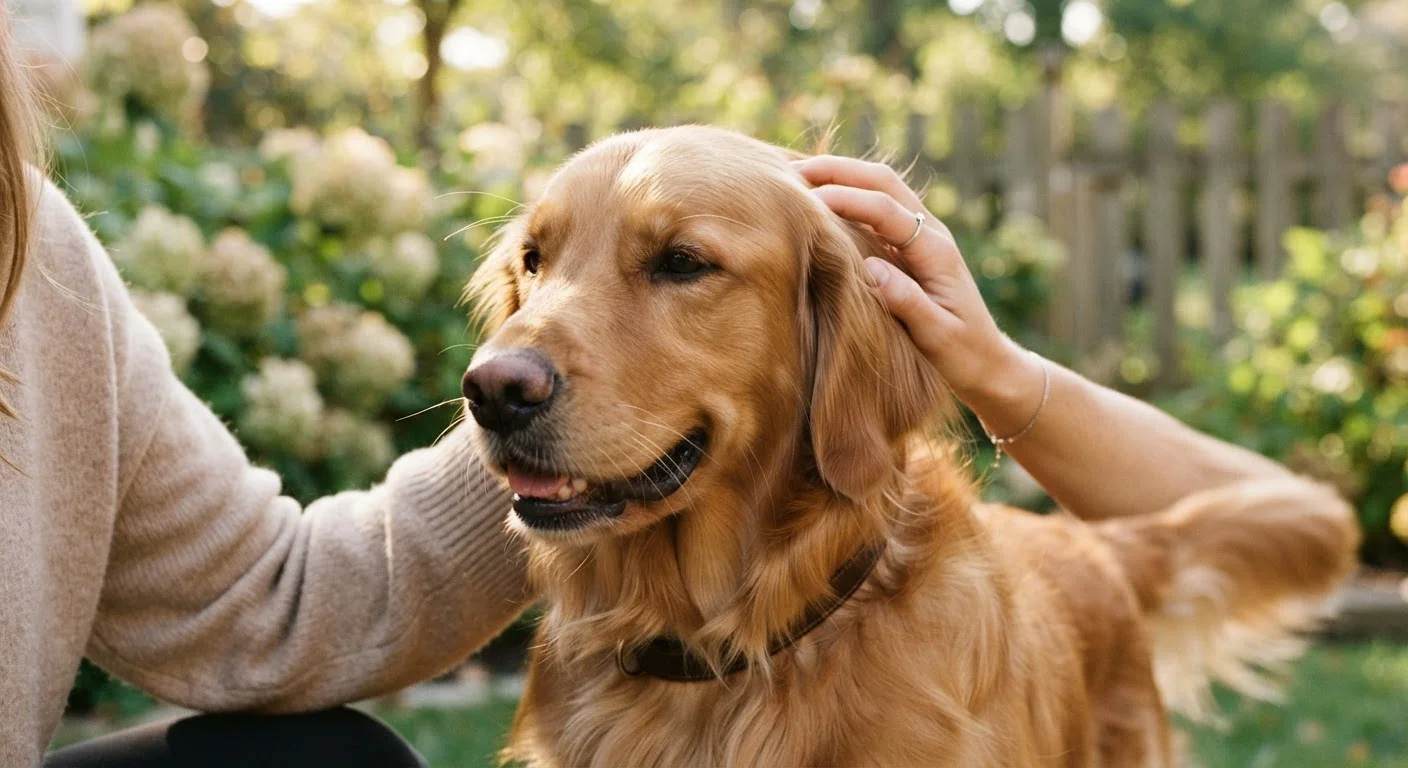
Before spotting problems, it helps to know what you're aiming for. A healthy coat - whether short, long, curly, or double-layered - shares a few consistent qualities across most dogs and cats:
- Shine or luster: Fur should reflect light and feel soft, not brittle or straw-like.
- Even coverage: No unexplained thinning, bald spots, or patchy areas.
- Minimal odor: A mild, clean scent is normal. A strong or sour smell is not.
- Clean skin underneath: Parting the fur should reveal skin that is pale pink or normally pigmented, without redness, flaking, or crusting.
Coat quality varies by breed - a Labrador's dense double coat looks very different from a Siamese cat's fine, sleek fur - but the underlying signs of health are similar across species. As part of understanding your pet's overall health signals, learning your individual pet's baseline is essential.
Common Coat Changes and What They May Signal
Not every change in your pet's coat is a crisis, but certain patterns deserve closer attention. Here's what different coat changes may suggest - and when they matter most.
~70%
Skin conditions linked to allergies in dogs
Veterinary dermatology resources estimate that allergies - environmental or food-related - account for a significant proportion of skin and coat complaints in dogs seen in clinical practice.
2-4x
Increased shedding during seasonal transitions
Many double-coated breeds shed considerably more during spring and fall coat changes, a normal biological process often mistaken for a health problem.
1 in 5
Pets with undiagnosed thyroid imbalances
Hypothyroidism in dogs and hyperthyroidism in cats are among the more common hormonal conditions that can cause coat and skin changes, yet they often go unrecognized without routine bloodwork.
Dull or Brittle Fur
When a coat loses its shine or feels rough to the touch, the most common culprits are nutritional gaps - especially insufficient protein or omega-3 fatty acids - or dehydration. Some medical conditions affecting the thyroid or adrenal glands can also cause fur to become dry and lackluster. If your pet's diet hasn't changed and the dullness persists, it's worth raising with your vet.
Excessive Shedding
Some shedding is completely normal, particularly during seasonal transitions in spring and fall. Shedding becomes a concern when it's constant, results in visible thinning, or comes with other symptoms like lethargy or changes in appetite.
Bald Patches or Thinning Areas
Localized hair loss - especially around the ears, tail base, or limbs - can indicate mange, ringworm (a fungal infection), hormonal imbalances, or allergies. These require veterinary diagnosis, not a wait-and-see approach.
Persistent Itching, Licking, or Chewing
When a pet repeatedly scratches or licks the same spot, the skin in that area often becomes inflamed, secondary infections can develop, and the coat deteriorates. Environmental allergens, food sensitivities, or parasites like fleas are frequent triggers. This overlaps with broader behavioral cues covered in our guide on reading your pet's body language during a health scare.
The Role of Nutrition and Grooming
Two of the most directly controllable factors in coat health are what your pet eats and how regularly they're groomed.
Make Coat Checks Part of Your Routine
Incorporate a quick coat and skin check into every grooming session. Part the fur in several spots to look at the skin beneath, feel along the body for any lumps or sensitive areas, and take note of any new odor. Doing this regularly means you'll catch changes early - when they're easiest to address.
Nutrition: A diet that meets your pet's complete nutritional needs - appropriate protein levels, healthy fats, vitamins, and minerals - is the foundation of a healthy coat. Omega-3 and omega-6 fatty acids, in particular, support skin barrier function and fur luster. Before adding supplements, talk to your veterinarian; over-supplementing can cause its own problems.
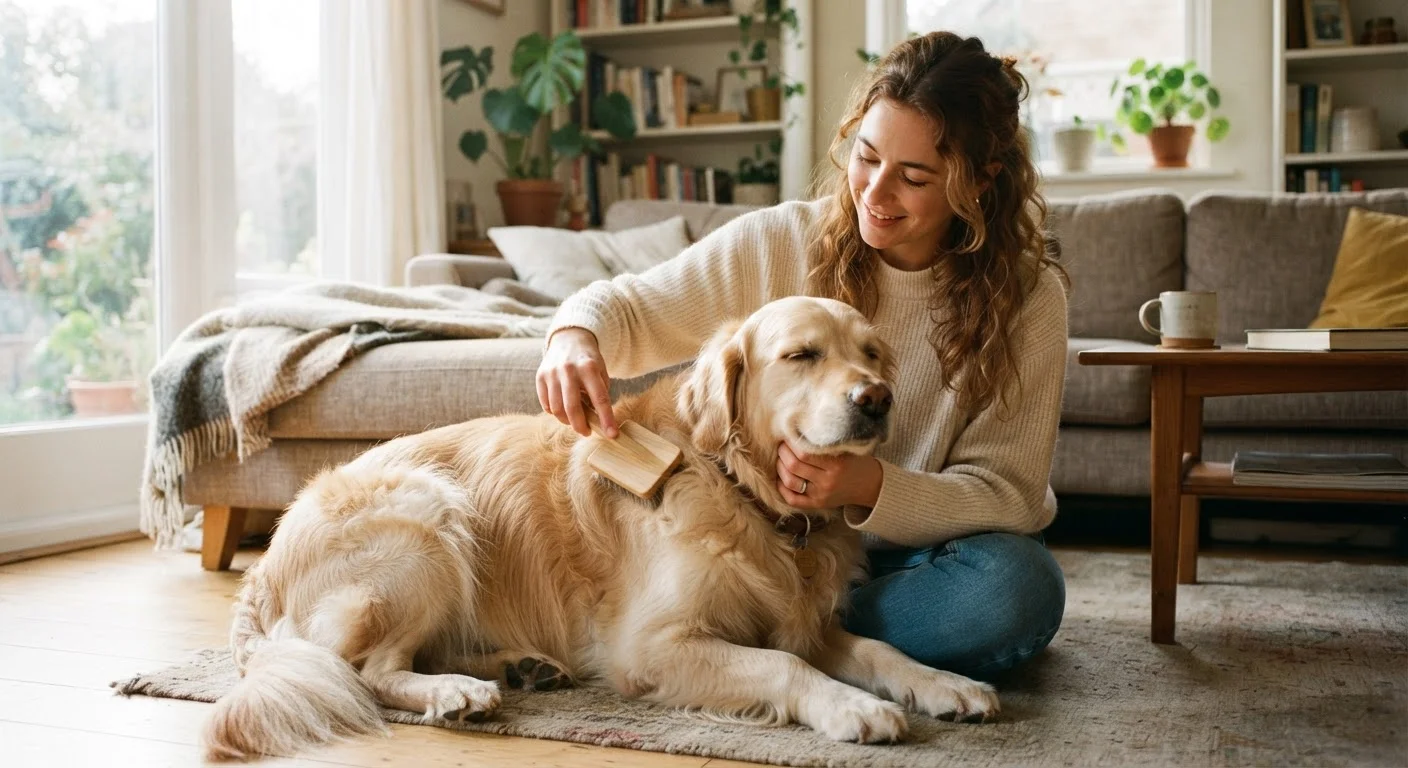
Grooming: Regular brushing isn't just cosmetic - it distributes natural skin oils through the coat, removes loose hair and debris, and gives you a regular opportunity to feel for lumps, sores, or unusual skin texture. That said, grooming mistakes are common. Over-bathing strips protective oils, while skipping brushing allows mats to form, which can harbor moisture and bacteria. Our article on grooming at home walks through the most frequent slip-ups new owners make.
Coat health is also a useful checkpoint when monitoring your pet's broader physical condition - something that connects naturally to subtler signs of a thriving pet that go beyond appearance alone.
This article is for general informational purposes only and is not a substitute for professional veterinary advice. If you have concerns about your pet's coat or overall health, consult a licensed veterinarian.