
What Is a Calorie, Actually?
A calorie is a unit of energy. In nutrition, the term refers to a kilocalorie (kcal) - the amount of energy needed to raise one kilogram of water by one degree Celsius. When food is metabolized (broken down) by your body, that stored chemical energy is released and used to power everything from breathing to exercise.
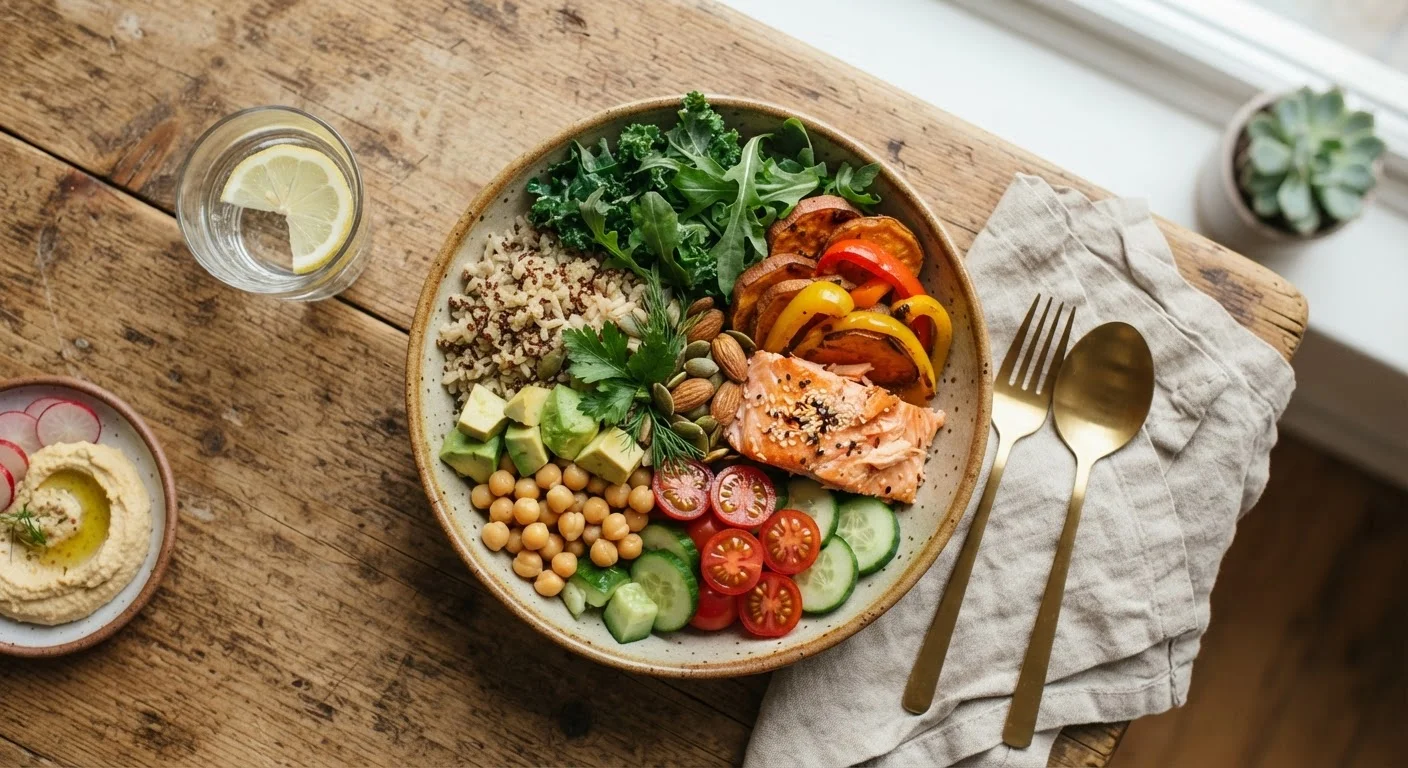
This makes calories a genuinely objective measurement of energy content. The challenge is that energy content and nutritional value are not the same thing. A 100-calorie pack of crackers and a handful of walnuts with similar calories behave very differently once you eat them - affecting satiety, blood sugar, and nutrient absorption in distinct ways. That gap between what a calorie measures and what it means for your health is where the debate begins.
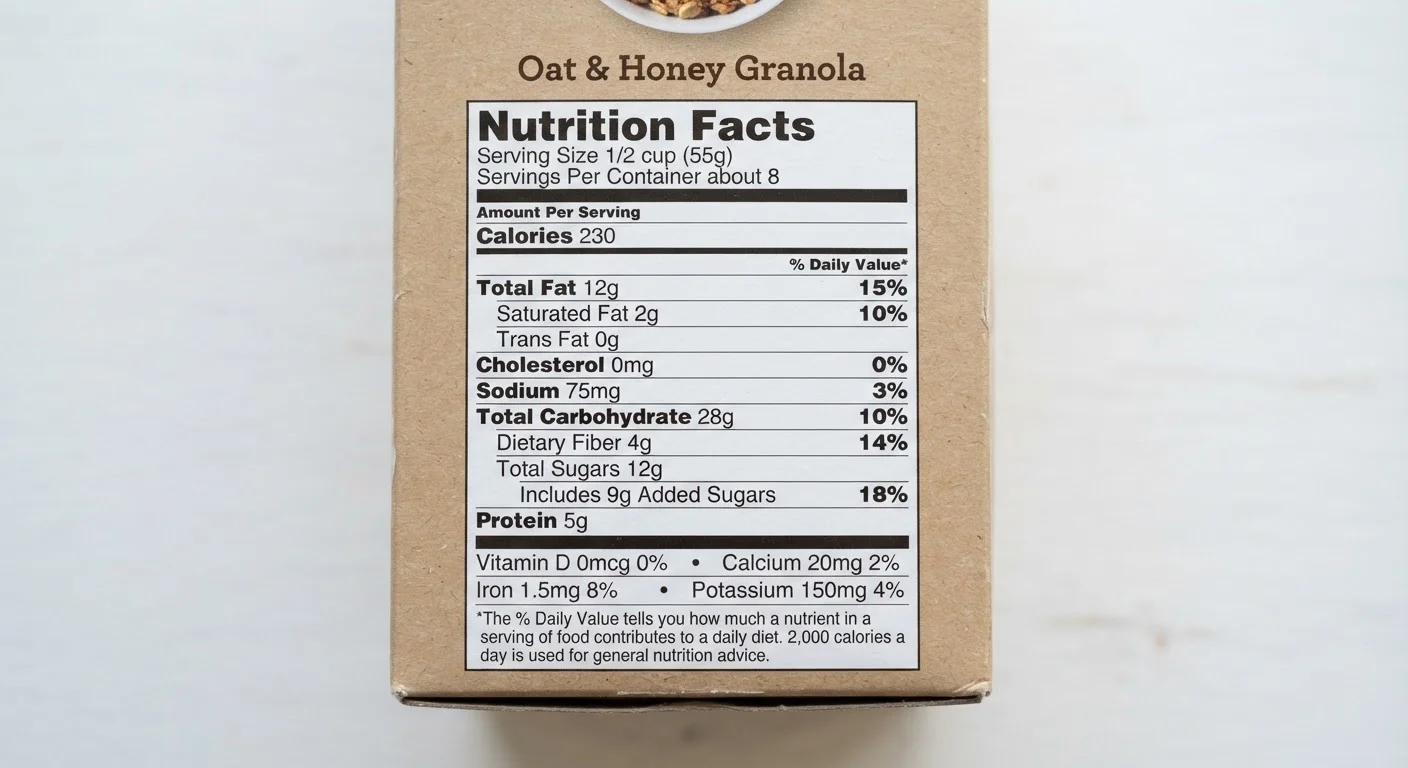
For a practical primer on the numbers you'll encounter on packaging, see our guide on reading a nutrition label without getting lost.
The Case For Calorie Counting
Despite its limitations, tracking calories has real advantages - especially for people just starting to pay attention to their eating habits.
Creates concrete awareness of portion sizes
Estimating calories forces you to notice serving sizes in a tangible way. Many people find this eye-opening - especially with calorie-dense foods like oils, nuts, or packaged snacks.
Provides a common, measurable language for food energy
Because calories are standardized, they make it easier to compare foods and understand energy intake at a basic level - a useful starting point for nutrition literacy.
Can support weight management goals when used thoughtfully
Research supports the principle that sustained energy deficit contributes to weight loss; calorie awareness helps people understand the scale of changes needed without guesswork.
Encourages more deliberate food choices
Even loosely tracking calories tends to shift attention toward what you're eating, which can reduce mindless snacking and promote more intentional meal planning.
~53%
Adults who have tried calorie counting
Survey data from the International Food Information Council (IFIC) Foundation suggests roughly half of U.S. adults track calories or have done so at some point.
Up to 20%
Calorie label margin of error allowed
The U.S. FDA permits nutrition label calorie values to deviate from actual content by up to 20%, meaning counted calories are always approximate.
The biggest strength of calorie counting is that it makes the invisible visible. Most people significantly underestimate how much they eat, and putting numbers to meals can reveal patterns that feel surprising. That awareness alone - even without strict restriction - can prompt more mindful choices.
Where Calories Fall Short
Calorie counts don't tell you whether a food supports or undermines your health beyond energy balance. This is where over-relying on numbers can lead beginners astray.
Ignores nutrient quality and food composition
Two foods with identical calorie counts can have vastly different effects on blood sugar, satiety, and long-term health. Calories alone can't capture this complexity.
Calorie estimates are often inaccurate
Nutrition labels can legally differ from actual content by a meaningful margin, and estimating calories in home-cooked or restaurant meals introduces further uncertainty.
Can encourage an unhealthy relationship with food
For some people, strict calorie tracking contributes to anxiety, guilt, or disordered eating patterns. It's important to be honest with yourself about how monitoring affects your mindset.
Doesn't account for individual metabolic variation
Age, gut microbiome composition, genetics, and activity level all affect how individuals process the same foods - meaning one person's 2,000-calorie day looks very different from another's.
May overlook satiety signals in favor of numbers
When people focus on hitting a calorie target, they may eat past fullness or stop before satisfied based on numbers rather than their body's actual cues.
Research also suggests that the thermic effect of food - the energy your body uses to digest and process what you eat - varies significantly by food type. Protein, for example, requires more energy to metabolize than fat or refined carbohydrates, meaning the net energy gain from equal calorie counts isn't always equal. Our article on common beginner mistakes with eating healthy covers several of these misunderstandings in depth.
Calories and Special Populations
Calorie needs vary widely based on age, sex, activity level, pregnancy status, and underlying health conditions. General calorie guidance is not appropriate as a personal prescription for children, people who are pregnant or breastfeeding, older adults, or those managing chronic health conditions. If you fall into any of these groups, please consult a registered dietitian or your healthcare provider before adjusting your diet based on calorie targets.
A More Balanced Approach for Beginners
Rather than obsessing over exact numbers or abandoning calorie awareness entirely, most nutrition professionals suggest treating calories as a loose framework while prioritizing food quality and hunger signals. Some practical ways to do this include:
- Use calories as a rough guide, not a daily pass/fail score. Knowing approximate calorie ranges helps build portion literacy without demanding precision.
- Pay attention to how foods make you feel - energy levels, satiety, and mood after meals are useful data points alongside any number.
- Focus on whole foods where possible. Foods that are minimally processed tend to be more filling per calorie and deliver more micronutrients.
- Notice hunger and fullness cues. Eating slowly enough to register satiety is often more effective than tracking every bite.
If you're new to thinking about nutrition holistically, our beginner's guide to building a balanced plate is a good next step. And if you're also tracking fitness progress, it's worth reading about tracking progress without obsessing over the scale - the same principle applies to food metrics.
This article is for general informational purposes only and does not constitute medical or dietary advice. Please consult a registered dietitian or qualified healthcare professional before making significant changes to your diet.