
Why Lease Assumptions Are So Common - and So Expensive
Signing your first lease is exciting. It's also one of the more consequential financial commitments you'll make as a young adult, and most people go in underprepared. The lease document - sometimes 10 to 20 pages of legal language - doesn't exactly invite careful reading when you're eager to get the keys.
The result is that many new renters operate on assumptions: that the landlord will be reasonable, that verbal agreements will hold, that the deposit comes back automatically. When those assumptions turn out to be wrong, the financial hit can set you back months. The good news is that most lease mistakes are avoidable once you know where to look.
If you'd like a structured walkthrough before diving into your own document, reading a lease agreement without getting lost is a solid starting point for understanding which clauses deserve the most scrutiny.
Verbal Agreements Rarely Hold Up
If a landlord promises to repaint, fix an appliance, or waive a fee before you move in, that promise is worth very little unless it appears in writing. Courts and dispute resolution processes almost always rely on the signed lease document. Before you sign, ask for any agreed-upon changes to be added as a written addendum.
The Most Costly Mistakes New Renters Make
The errors below show up repeatedly among first-time renters. They're not the result of carelessness so much as inexperience - most people simply don't know what to look for the first time around.
Assuming rent covers all housing costs.
Why it happens: The advertised monthly figure is attention-grabbing, and new renters often treat it as the total monthly outlay without reading further.
Trusting verbal promises from a landlord without getting them in writing.
Why it happens: The excitement of securing a place makes it easy to accept assurances at face value, especially in a competitive rental market.
Skipping a careful read of the early termination clause.
Why it happens: New renters often assume they'll stay for the full term, so penalty clauses feel irrelevant - until they aren't.
Assuming the security deposit will be returned automatically.
Why it happens: Renters often view the deposit as a formality rather than money at genuine risk.
Thinking the landlord's insurance covers your belongings.
Why it happens: It's easy to conflate property insurance (which protects the building) with coverage for what's inside your unit.
Misunderstanding who is responsible for repairs and maintenance.
Why it happens: The split between landlord duties and tenant duties isn't always obvious, and many renters assume the landlord handles everything.
Early Exit Can Be Costly
Many leases include an early termination clause that requires you to pay two or three months' rent as a penalty, or to keep paying rent until a new tenant is found - whichever comes first. If there's any chance your situation could change (new job, relocation, relationship changes), locate this clause and understand the exact financial consequences before you sign.
Understanding these pitfalls is only part of the picture. Budgeting accurately for a rental - including everything beyond rent - is equally important. Our budgeting basics hub walks through simple frameworks for tracking your monthly outgoings once you're settled in.
Before You Sign: A Few Final Checks
Even if you've read the lease carefully, a few additional steps can prevent problems later. First, confirm in writing who holds your security deposit and whether it will be held in a separate account - some states require this. Second, note every promise made during your showing or application process and ask for those to be reflected in a signed addendum. Third, clarify the exact process for submitting maintenance requests and what response timeline the landlord commits to.
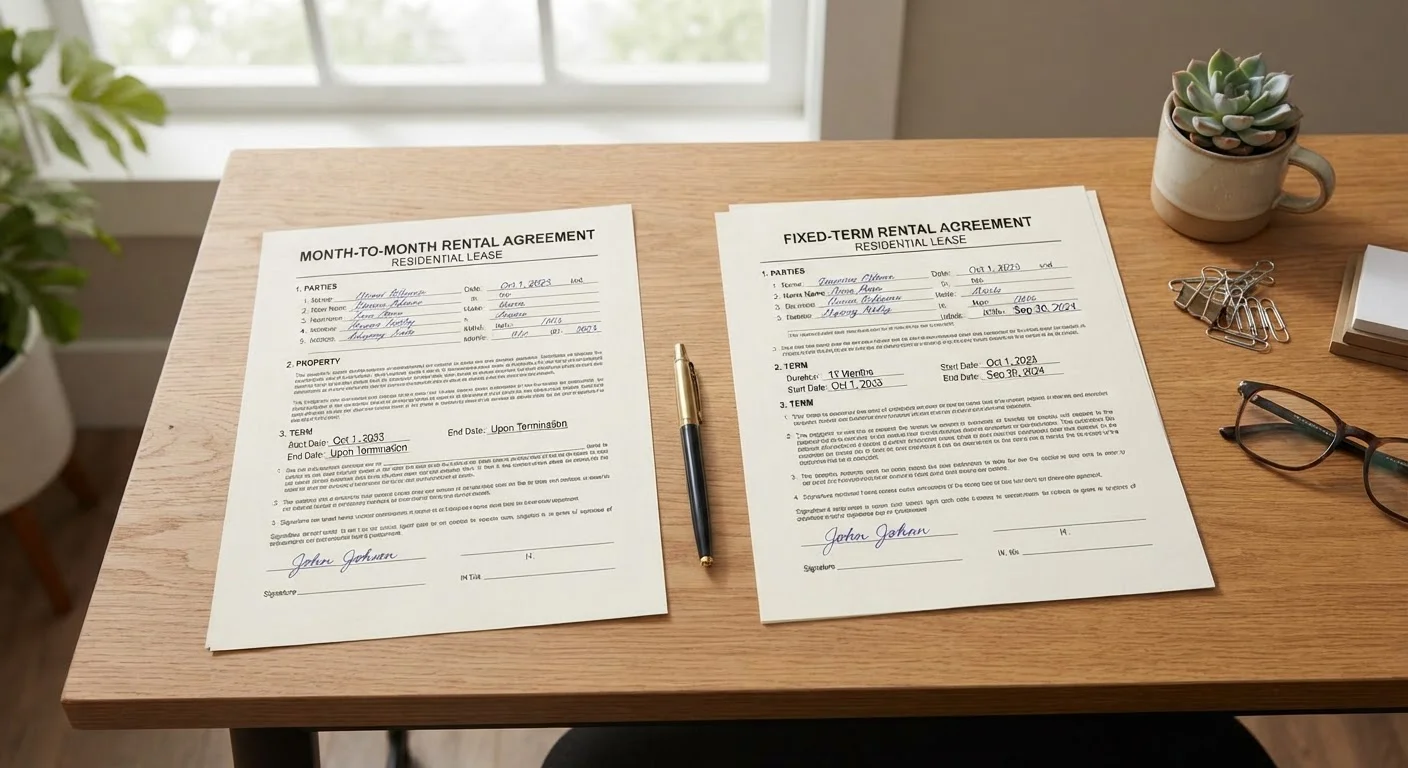
It's also worth comparing what you're about to commit to against your alternatives. Some renters benefit from a shorter-term arrangement, especially if their plans are uncertain. Month-to-month and fixed-term leases carry different cost and flexibility trade-offs worth understanding before you decide.
Finally, don't let the pressure of a tight rental market rush you into skipping these steps. A few hours of careful reading now is far cheaper than the disputes, fees, or lost deposits that can result from signing something you didn't fully understand.
This article provides general information for educational purposes only and does not constitute legal or financial advice. Lease terms, tenant rights, and landlord obligations vary by state and locality. Consult a qualified professional or local tenant advocacy organization for guidance specific to your situation.