Why Pet-Proofing Matters Before Day One
Bringing a new pet home is exciting, but animals - especially young ones - explore the world with their mouths, paws, and curiosity. A space that looks perfectly safe to you can present serious hazards to a dog, cat, rabbit, or small animal seeing it for the first time. The good news: most risks are easy to address once you know where to look.
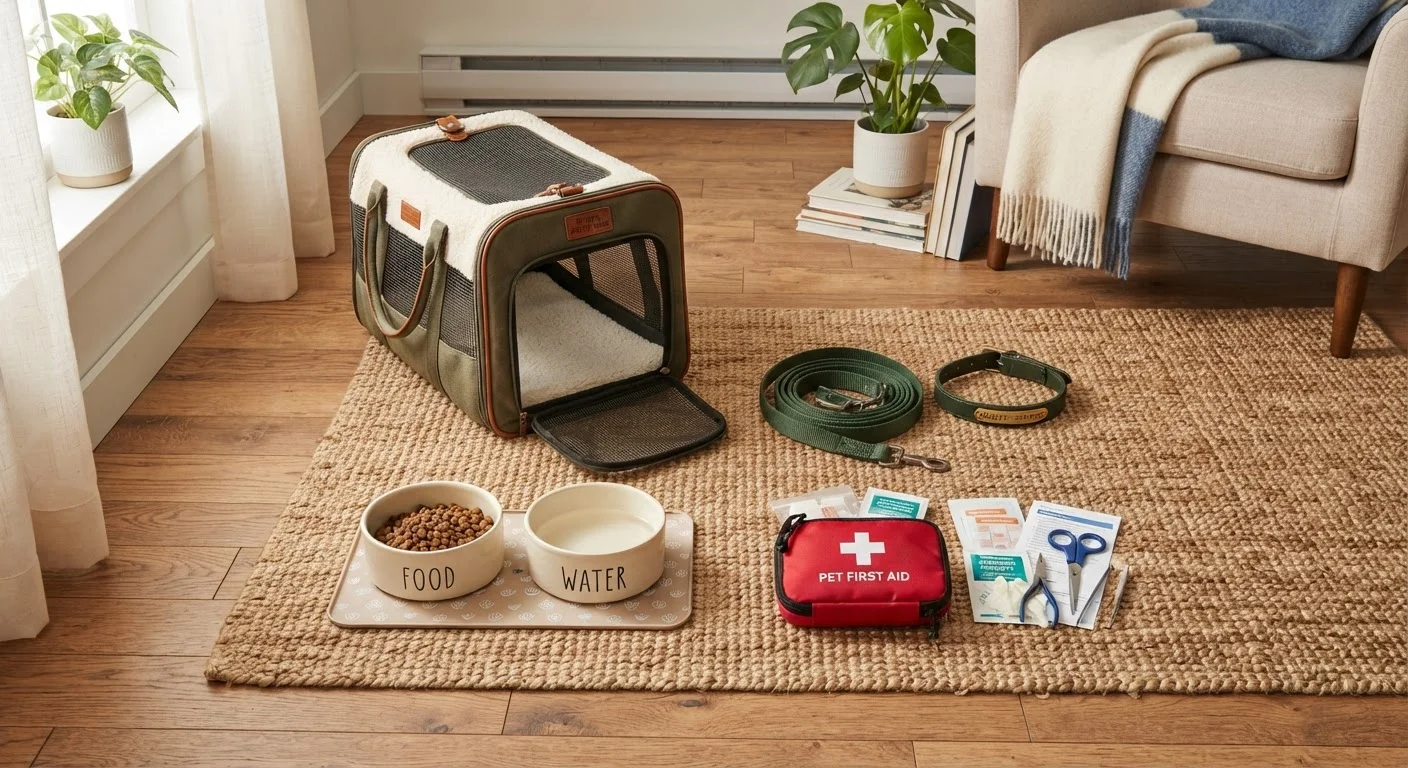
This checklist takes a room-by-room approach so you can audit your home methodically before your animal arrives. Pair it with our day-one readiness checklist to make sure both your home and your supplies are ready at the same time.
Before you begin, get down on your hands and knees in each room. Viewing your space from your pet's level reveals dangling cords, small gaps, and enticing objects that are invisible from standing height. It takes only a few minutes and makes the whole process far more effective.
Toxic Plants Are a Top Hazard - Check Every Room
Many popular houseplants are toxic to dogs, cats, and small animals. Lilies, in particular, are severely toxic to cats and can cause kidney failure even in small amounts. Before your pet arrives, cross-reference every plant in your home against a reliable toxicity list, such as the one maintained by the ASPCA. When in doubt, move the plant to a location that is completely inaccessible, or rehome it entirely.
Room-by-Room Pet-Proofing Checklist
Work through each area of your home systematically. Check off items as you go, and note anything that needs a follow-up purchase or repair before your pet arrives.
All Rooms - Universal Checks
Kitchen and Dining Areas
Bathroom and Laundry
Living Spaces and Bedrooms
Garage, Outdoor, and Entry Areas
Once your home is secured, it is worth learning to read your pet's health signals early. Our guide to pet health for new owners is a practical starting point. And if you want to avoid common missteps that even well-meaning owners make, pet health assumptions that lead owners astray is worth reading early.
Hazards Differ by Species - Ask Your Vet
A hazard serious for a cat may be low-risk for a rabbit, and vice versa. This checklist covers the most common risks across species, but your veterinarian can give you a species-specific and age-specific hazard list tailored to your exact pet. Schedule a new-pet wellness visit before or shortly after your animal arrives, and bring a list of any plants, chemicals, or foods in your home that you are uncertain about.
Tools and Supplies That Make Pet-Proofing Easier
You do not need expensive equipment to pet-proof effectively. A small set of household safety items covers the vast majority of hazards. The list below focuses on what is genuinely useful rather than what is merely marketed toward pet owners.
Cabinet safety latches
Prevent pets from nosing open low cabinets that contain hazardous items.
Electrical cord covers or cable management sleeves
Protect exposed cords from chewing and keep cables organized and out of reach.
Animal-resistant trash can
Stop dogs and cats from tipping or opening the trash and accessing dangerous food scraps.
Baby gates or pet barriers
Block off rooms, stairways, or kitchen areas while your pet is still learning boundaries.
Non-toxic pet-safe cleaning products
Reduce chemical exposure risk during routine cleaning in spaces your pet accesses.
Furniture anchoring straps
Secure bookshelves and tall furniture against climbing cats or larger excitable dogs.
ASPCA Animal Poison Control Center number (888-426-4435)
Keep this contact accessible in case your pet ingests something potentially toxic.
Building consistent habits around your pet's environment is just as important as the initial setup. Check out our monthly pet health habits framework for a practical routine you can build from the very first month. And if you have heard conflicting advice about what is truly dangerous for pets, common pet care myths debunked separates fact from fiction.
This article is for general informational and educational purposes only. It is not a substitute for advice from a licensed veterinarian. If you have specific concerns about hazards for your individual pet's species, breed, age, or health condition, consult a qualified veterinary professional before your animal arrives.