Why Good Intentions Aren't Enough
Most pet owners who make health mistakes aren't being careless - they're applying reasonable human logic to animals that operate by different rules. The result is a set of assumptions that feel sensible but can quietly work against a pet's wellbeing.
If you're new to pet ownership, the foundations of pet health are worth understanding before those habits calcify. Recognizing the most common missteps early is one of the most protective things you can do. See also our guide to common pet care myths for related misconceptions worth correcting.
When in Doubt, Call Your Vet
This article is general health information for educational purposes and is not a substitute for veterinary advice. If your pet is showing concerning symptoms - lethargy, appetite loss, labored breathing, or sudden behavioral changes - contact a licensed veterinarian promptly. Do not attempt to diagnose or treat your pet at home based on online information alone.
The Mistakes That Catch Owners Off Guard
The following patterns come up repeatedly in veterinary contexts. They don't reflect bad ownership - they reflect knowledge gaps that are easy to close once you know what to look for.
Assuming a pet is healthy because it's eating and acting normally.
Why it happens: Owners naturally look for dramatic signals - vomiting, limping, visible wounds. But many conditions, including dental disease, kidney issues, and early infections, develop quietly over time.
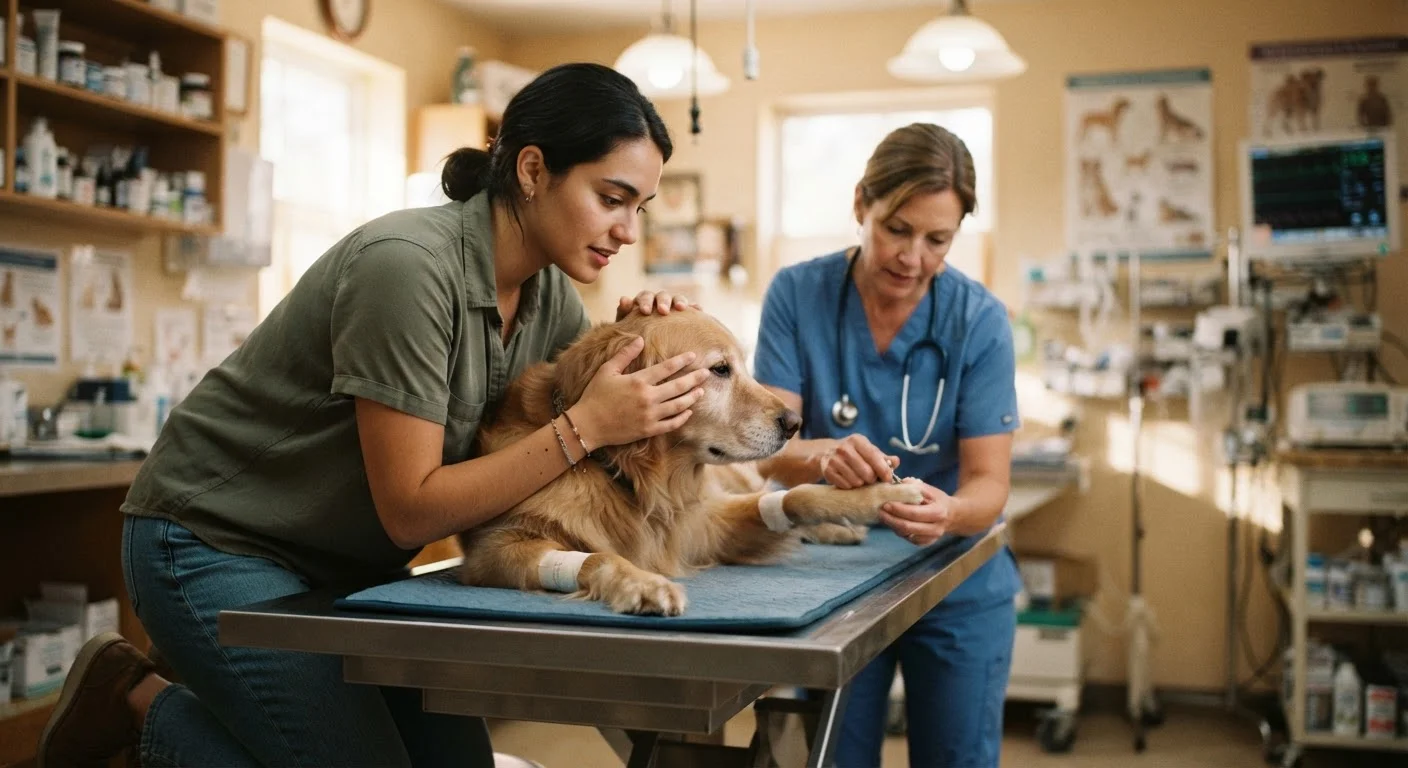
Skipping annual vet visits when the pet appears well.
Why it happens: It feels counterintuitive to spend money on a checkup for an animal that seems fine, especially when budgets are tight.
Interpreting a wagging tail or purring as proof the pet is not in pain.
Why it happens: Owners project human emotional signals onto pets. A wagging tail can signal excitement, anxiety, or arousal - not exclusively happiness. Cats often purr when stressed or uncomfortable, not just when content.
Assuming human-safe foods are automatically safe for pets.
Why it happens: It feels generous and natural to share food with a pet, and many owners don't realize how differently certain compounds affect animal physiology.
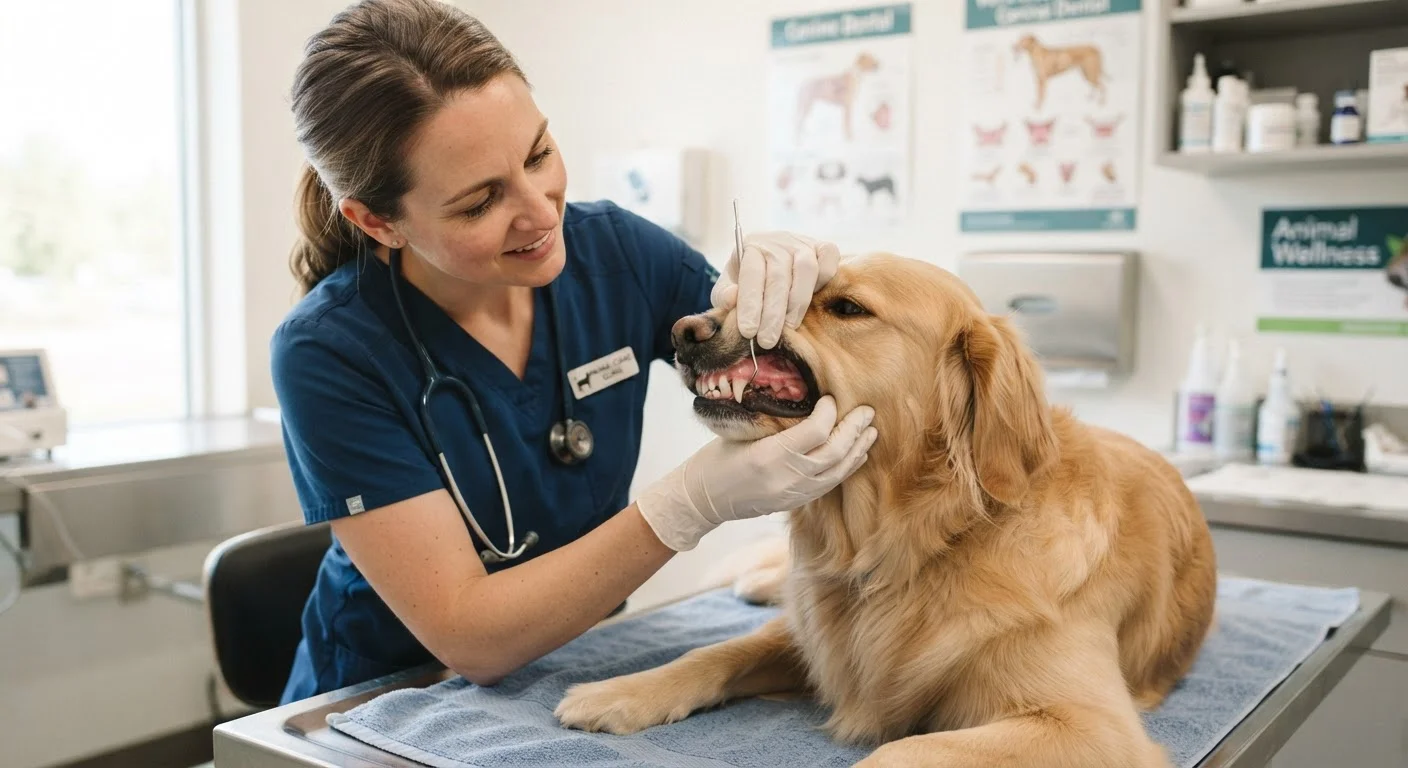
Treating dental hygiene as optional or purely cosmetic.
Why it happens: Dental disease develops gradually and doesn't produce obvious distress in most pets early on, so owners underestimate how serious it becomes.
Dismissing behavioral changes as personality quirks rather than health signals.
Why it happens: Owners who know their pet well can rationalize new behaviors as temporary moods, seasonal changes, or aging rather than symptoms worth investigating.
Behavioral Calm Isn't Always a Good Sign
Many animals instinctively mask pain or illness as a survival behavior. A pet that seems quiet, still, or 'low maintenance' may actually be unwell rather than simply relaxed. If your normally active pet becomes unusually withdrawn, that warrants a closer look - not reassurance.
A useful companion to avoiding these pitfalls is building consistent habits over time. Our overview of monthly pet health habits offers a practical framework for doing exactly that.
Building a More Accurate Picture of Pet Health
The common thread across these mistakes is that owners are working from incomplete information - about their pet's baseline, about species-specific signals, and about what professional monitoring actually catches. That's fixable.
~80%
Dogs showing dental disease by age 3
The American Veterinary Medical Association notes that most dogs show signs of periodontal disease by their third birthday, often without obvious pain signals.
2 in 3
Pet owners who skip annual wellness exams
Surveys by the American Pet Products Association have found that a significant portion of pet owners visit the vet only when illness or injury is already apparent.
Start by documenting your pet's normal: weight, coat quality, appetite, energy, and bathroom habits. Changes relative to that baseline are far more informative than any single snapshot. If your household setup plays a role in your pet's health exposure, indoor versus outdoor environments each carry distinct risk profiles worth understanding.
For a broader look at the belief systems underlying these errors, common pet health myths explores where many of these assumptions originally come from.
This article is for general informational and educational purposes only and does not constitute veterinary advice. Always consult a licensed veterinarian for guidance specific to your pet's health.