
Why Pet Care Myths Are So Sticky
Pet care advice gets passed down through generations the same way folk remedies do - repeated often enough that it starts to feel like established fact. For new pet owners already navigating food choices, vet schedules, and behavioral questions, these myths can be genuinely disorienting. Worse, acting on them sometimes delays care that matters.
This article works through the most common misconceptions using what veterinary and behavioral science actually supports. For a broader look at owner missteps worth knowing early, see common owner assumptions that can lead you astray.
Myth
A dog eating grass must be sick or trying to make itself vomit.
Fact
Grass eating is a normal, common behavior in dogs and is not a reliable indicator of illness.
Studies observing dogs in domestic settings consistently find that the majority of grass-eating episodes are not followed by vomiting, and most dogs show no signs of illness beforehand. Dogs may graze out of boredom, dietary preference, or simple curiosity. Occasional grass eating is generally harmless, though persistent or sudden changes in behavior are worth mentioning to your vet at a routine visit.
Myth
A wagging tail always means a dog is happy and safe to approach.
Fact
Tail wagging signals arousal and engagement, not necessarily friendliness - the position and speed of the wag matter significantly.
A slow, low wag can indicate uncertainty or submission, while a stiff, high wag at speed can signal agitation or a heightened alert state. Reading the whole dog - body posture, ear position, facial expression - gives a more accurate picture than the tail alone. Teaching children especially to ask for permission before approaching any unfamiliar dog remains an important safety practice regardless of what the tail is doing.
Myth
Cats are self-sufficient and don't need much care beyond food and a litter box.
Fact
Cats have complex social, environmental, and medical needs that require regular owner attention.
While cats are more independent than dogs, they still need mental stimulation, social interaction, environmental enrichment, and routine veterinary care. Indoor cats in particular can develop stress-related behaviors - such as over-grooming or elimination outside the litter box - when their environment lacks sufficient variety. Annual wellness exams help catch conditions early, since cats are skilled at masking discomfort. A grounded starting point for new pet owners outlines what to watch for across species.
Myth
Purring always means a cat is happy and content.
Fact
Cats also purr when they are anxious, unwell, or in pain - purring is a self-soothing mechanism, not just an expression of happiness.
The mechanics of purring involve a rhythmic laryngeal muscle contraction that cats can produce both when inhaling and exhaling. Research suggests purring may have a self-calming function and has even been linked to vibration frequencies thought to support healing in some studies - though this remains an area of ongoing research rather than established clinical guidance. If a cat that normally purrs contentedly begins purring in unusual contexts (hiding, refusing food, after a fall or injury), that shift in behavior is worth discussing with a vet.
Myth
A dog's mouth is cleaner than a human's mouth.
Fact
Dogs and humans simply carry different types of bacteria - neither is categorically cleaner.
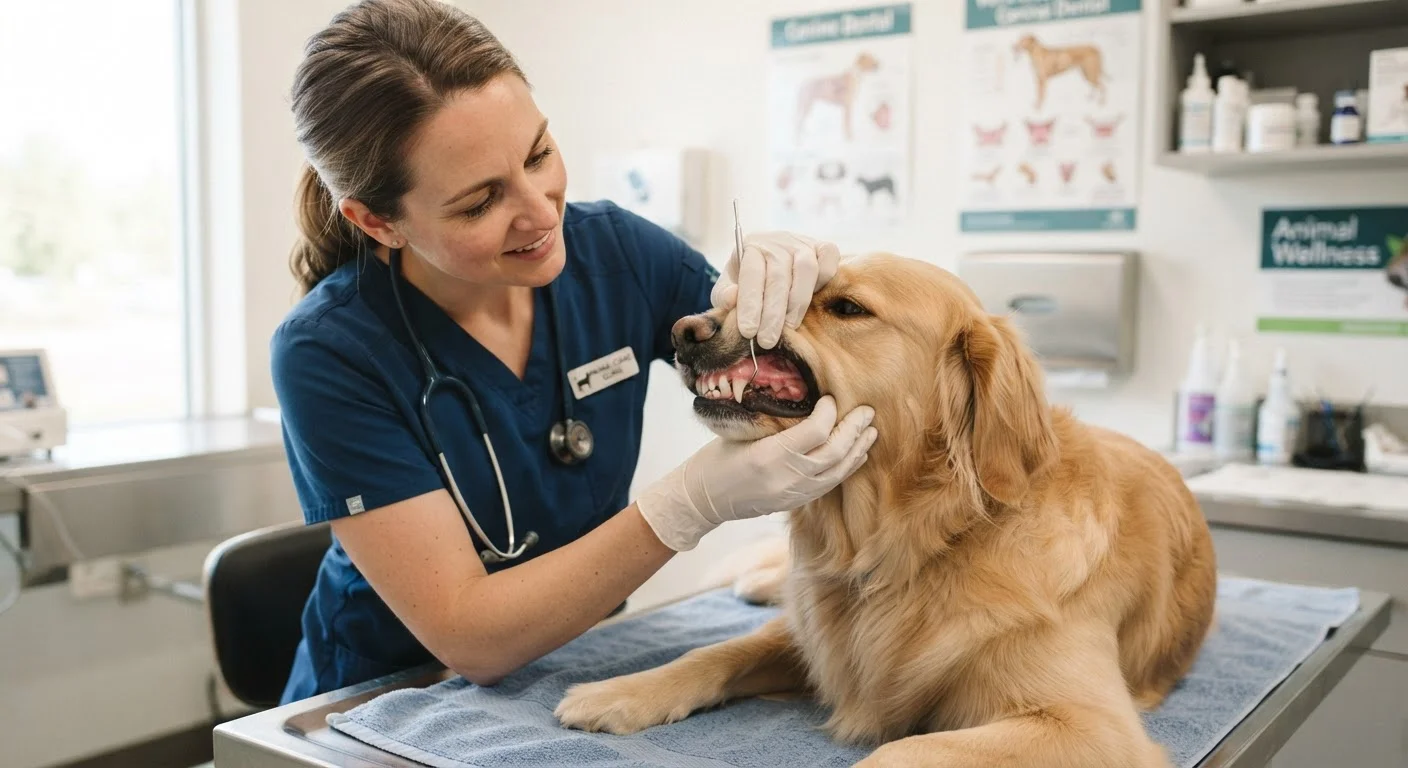
This claim often gets repeated as a reason to let dogs lick wounds, which veterinarians advise against. A dog's oral bacteria are largely harmless to the dog but can cause infections in humans, particularly in open wounds or in people with compromised immune systems. Dogs also commonly mouth things during outdoor exploration that carry additional pathogens. Dental health in pets is also worth understanding: plaque and periodontal disease are common in dogs, meaning the mouth isn't a reliably hygienic environment by any measure.
Myth
You don't need to groom short-haired pets - they take care of themselves.
Fact
All pets benefit from regular grooming regardless of coat length, including ear checks, nail trims, and skin inspections.
Short coats still shed, accumulate dander, and can develop mats in areas of friction. More importantly, routine grooming is an opportunity to check for lumps, skin irritation, parasites, and ear issues that might otherwise go unnoticed. Grooming at home covers common slip-ups - including over-bathing and skipping ear checks - that can affect your pet's skin and coat health over time.
Behavioral Myths That Affect Training
Some of the most persistent myths involve how pets think and communicate. Acting on faulty behavioral beliefs can stall training and damage trust. For a deeper look at how these misconceptions affect training outcomes, pet training myths that frustrate more than they help breaks down where popular approaches go wrong.
~80%
Dogs showing signs of periodontal disease by age 3
According to the American Veterinary Medical Association, the majority of dogs show early signs of dental disease by their third year, making routine dental care essential from an early age.
1 in 3
Pet owners who skip annual vet visits
Surveys conducted by the American Pet Products Association suggest a significant portion of pet owners forgo annual wellness exams, often due to the misconception that healthy-seeming pets don't need checkups.
Understanding your pet's actual signals - rather than the ones we assume - leads to a more responsive relationship on both sides.
Health Myths That Can Delay Real Care
Health-related myths are the most consequential because they can cause owners to wait when a vet visit is warranted, or skip preventive care entirely. Dental health is a clear example: many owners assume their pet's teeth are fine because they're eating normally. Oral disease is actually one of the most common conditions seen in dogs and cats, and it often progresses silently. dental health in cats and dogs is more serious than most owners realise.
When to Contact Your Vet Promptly
Sudden changes in behavior, appetite, water intake, litter box habits, or energy level are signals that warrant a veterinary conversation - even if your pet seems otherwise normal. Myths that normalize these changes (such as 'cats are just moody' or 'old dogs slow down') can delay diagnosis of treatable conditions. When in doubt, call your vet's office. Many practices offer brief phone consultations to help you determine whether an in-person visit is needed.
For a comprehensive starting point on what healthy pets look like day to day, pet health for new owners offers a grounded, beginner-friendly overview. More health misconceptions are addressed in detail at the truth behind common pet health myths.
This article is for general informational purposes only and does not constitute veterinary or medical advice. Always consult a licensed veterinarian for guidance specific to your pet's health needs.