
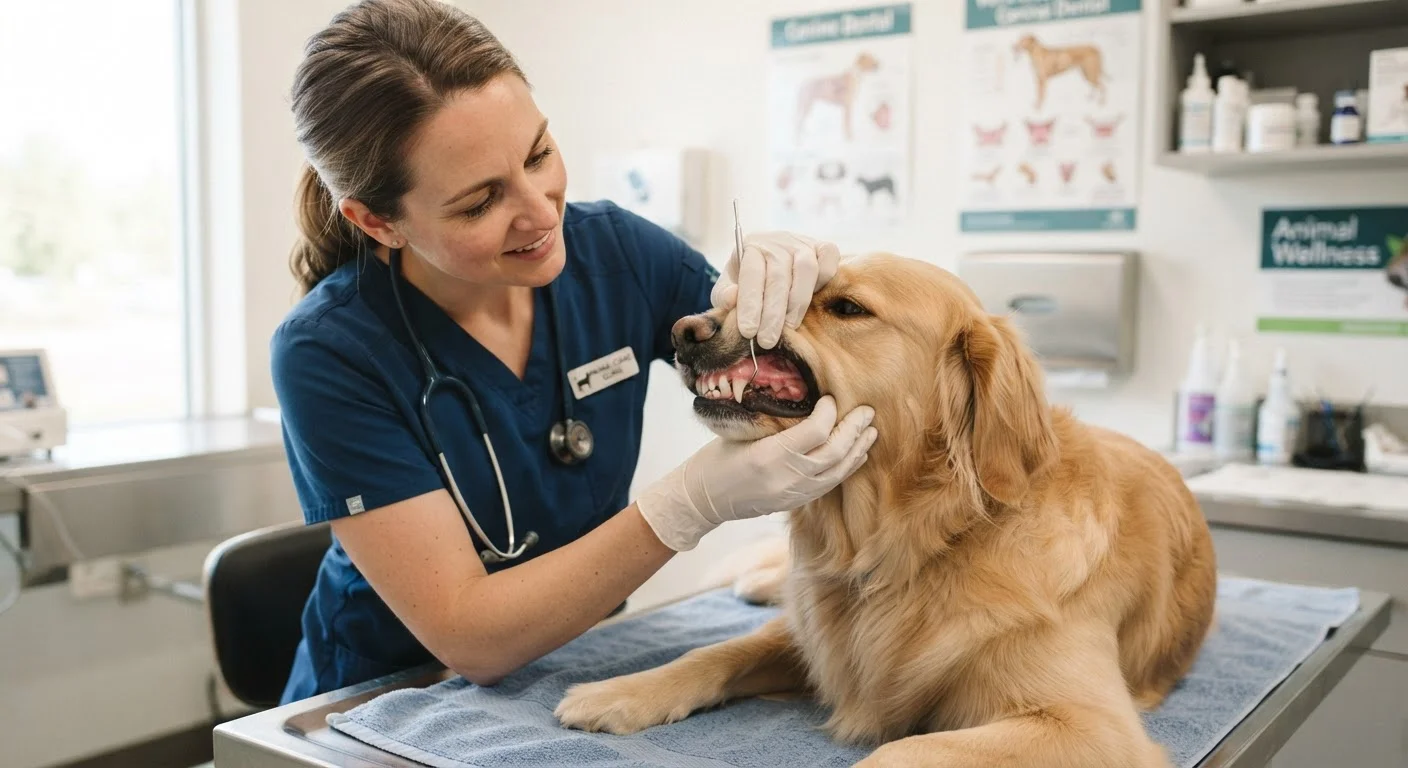
Why Pet Dental Health Deserves More Attention
Most pet owners think about vaccinations, parasite prevention, and nutrition - but dental health often falls to the bottom of the list. That's a significant gap. According to veterinary organizations, periodontal disease (infection and inflammation of the structures supporting the teeth) is one of the most frequently diagnosed conditions in adult cats and dogs. Many animals show signs before their third birthday.
The mouth is a window into broader health. Bacteria from infected gums can enter the bloodstream and reach the kidneys, liver, and heart over time. This isn't meant to alarm - it's a reason to take routine dental care seriously from the start. If you're building healthy habits early, see our monthly pet health habit guide for a practical framework that includes oral care.
Cats and Dogs Have Different Dental Risks
While both species are susceptible to periodontal disease, cats are also prone to a painful condition called feline tooth resorption, where the tooth structure breaks down from the inside. Dogs, on the other hand, more commonly fracture teeth through hard chewing. Your vet can screen for species-specific risks during routine exams. For a deeper look at how cat and dog health needs diverge, see our wellness comparison guide.
Recognising Signs of Dental Problems
Pets rarely signal tooth pain the way humans do. They often continue eating even when their mouths are uncomfortable, which makes owner observation especially important. Here are common signs that warrant a veterinary conversation:
- Persistent bad breath - not just post-meal odour, but a consistently unpleasant smell
- Yellow or brown buildup on teeth, particularly near the gumline
- Red, swollen, or bleeding gums when you inspect the mouth
- Dropping food, chewing on one side, or reluctance to eat hard food
- Pawing at the face or rubbing the mouth along surfaces
- Loose or visibly broken teeth
None of these observations constitute a diagnosis - only a veterinarian can assess the actual condition of your pet's teeth and gums. But recognising these signals helps you know when to schedule a check-in. For a broader look at health signals new owners often miss, this starting-point guide covers the essentials.
Best Practices for At-Home Dental Care
Consistent at-home care meaningfully reduces the rate of plaque and tartar buildup between veterinary visits. The following practices are grounded in guidance from veterinary dental specialists.
Brush your pet's teeth daily using pet-specific toothpaste
Daily brushing disrupts plaque before it hardens into tartar. Human toothpaste contains fluoride and xylitol, which are toxic to pets - only use formulas designed for animals. Consistency matters more than duration; even 30 seconds of gentle brushing adds up.
Start dental handling early and build comfort gradually
Puppies and kittens that are accustomed to having their mouths touched are far easier to brush as adults. Desensitising slowly - touching the lips, then the gums, before introducing any tool - reduces resistance and stress for both pet and owner.
Schedule a veterinary dental assessment at least once a year
A vet can identify early-stage periodontal disease, fractured teeth, or oral masses that are not visible or detectable at home. Annual assessments allow for timely intervention before issues progress and become more complex to manage.
Inspect your pet's mouth briefly each week
Regular visual checks help owners notice changes between vet visits - such as new discolouration, swelling, or a broken tooth. You don't need to be an expert; you're looking for anything that looks or smells different from your pet's baseline.
Use veterinary-approved dental supplements as a complement, not a replacement
Water additives, dental gels, and certain chews may help reduce bacterial load in the mouth when brushing isn't fully possible. Look for products that carry the Veterinary Oral Health Council (VOHC) seal, which indicates independently verified efficacy.
One common misconception is that hard kibble or dental chews alone are sufficient. While some products carry a veterinary seal of approval for plaque reduction, none replaces brushing. For more on separating dental myths from evidence, see our guide to common pet care myths.
What Professional Dental Cleanings Actually Involve
A professional veterinary dental cleaning goes far beyond what any at-home tool can achieve. The procedure involves scaling tartar from above and below the gumline, probing each tooth for pockets or damage, and dental X-rays to detect issues invisible to the naked eye. General anesthesia is required - this allows the vet to work safely and thoroughly, and to keep your pet still and pain-free.
Anesthesia carries some risk, and your vet will assess your pet's overall health before recommending a cleaning. Annual wellness exams are the right opportunity to discuss whether a professional cleaning is due. Learn more about what those visits cover in our guide to veterinary checkups.
This article provides general pet care information and is not a substitute for professional veterinary advice. Always consult a licensed veterinarian for guidance specific to your pet's health.