Why 'Seeming Fine' Isn't the Whole Story
One of the most important things new pet owners learn - often the hard way - is that pets are remarkably good at masking discomfort. This is especially true for cats, but dogs do it too. In the wild, showing vulnerability invites danger, so animals evolved to maintain normal-looking behavior even when something is wrong internally.
That means a pet who is eating, playing, and acting normally can still have developing dental disease, early kidney stress, a growing lump, or gradual weight changes that would be easy to address if caught soon. By the time behavioral changes become obvious, a condition has often progressed significantly.
This is the core reason preventive care exists. Your vet isn't looking only for sick animals - they're tracking your pet's health over time, building a record that makes it possible to spot the kind of slow, quiet changes that you simply can't see at home. For a practical look at what healthy actually looks like day to day, see signs of a healthy pet that first-time owners often overlook.
What Actually Happens During a Wellness Exam
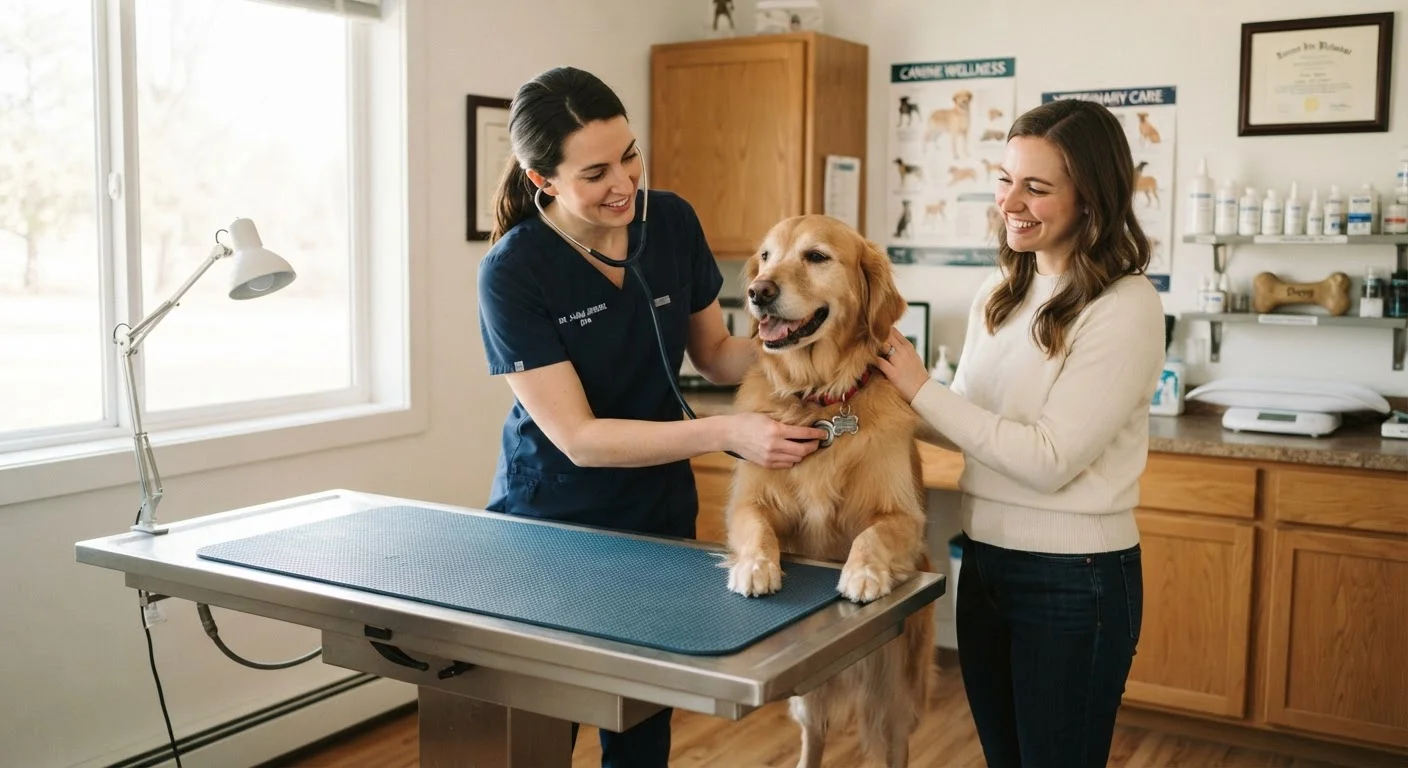
A routine wellness visit covers considerably more ground than most first-time owners expect. It is not simply a vaccine appointment. From the moment your vet begins the exam, they are systematically evaluating your pet's physical condition from nose to tail.
80%
Dogs showing dental disease by age 3
According to the American Veterinary Medical Association, the majority of dogs and cats show signs of periodontal disease by age three - a condition largely detectable and manageable at routine wellness visits.
1 in 3
Pets diagnosed with a serious illness annually
The American Animal Hospital Association notes that approximately one in three pets will experience a significant health event each year, many of which benefit from early detection through preventive care.
7 years
Human-equivalent aging per pet year (senior pets)
Veterinary guidelines note that older pets age faster relative to humans, which is why more frequent exams are recommended as pets enter their senior years.
- Weight and body condition: Vets use a standardized body condition score to assess whether your pet is at a healthy weight - not just by number on a scale, but by feel and proportion.
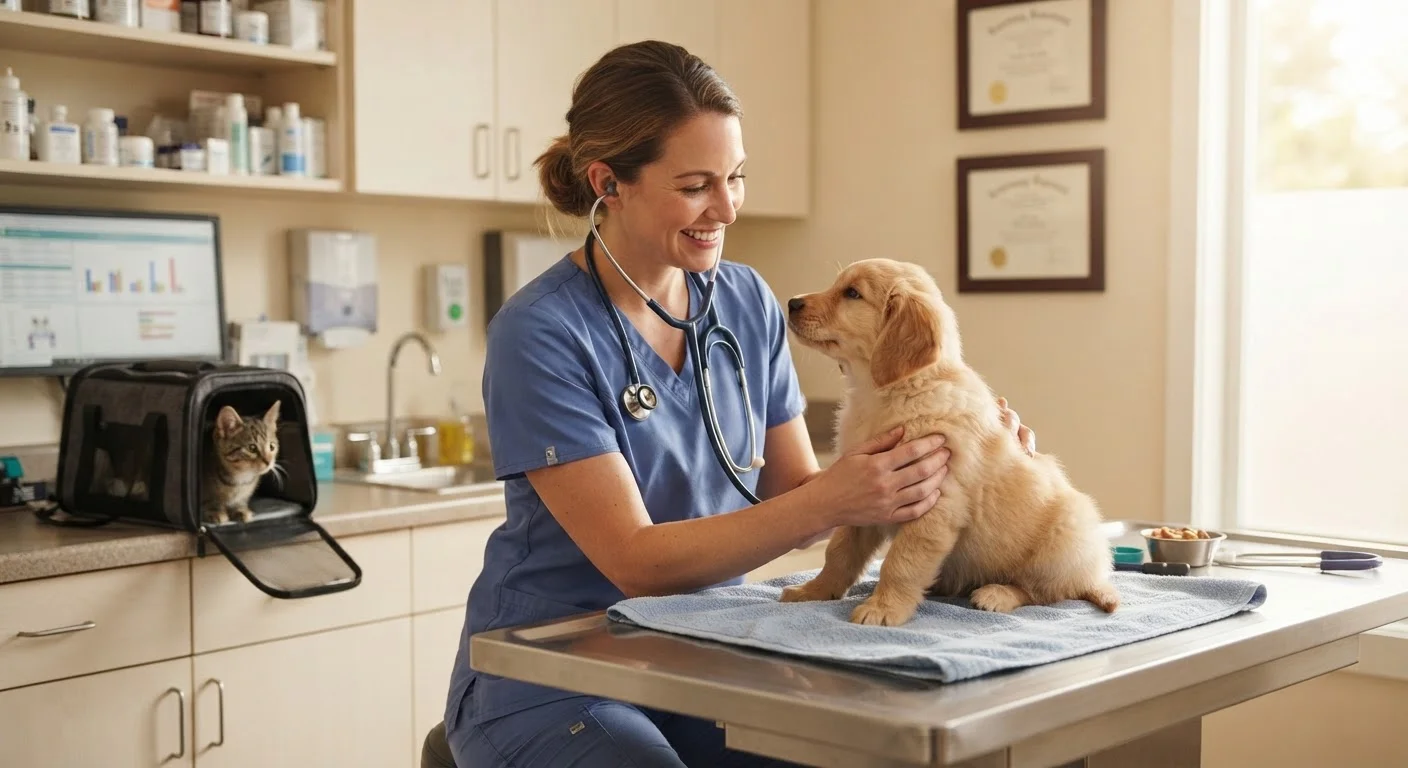
- Heart and lungs: A stethoscope check can detect early murmurs, irregular rhythms, or changes in breathing patterns that owners rarely notice.
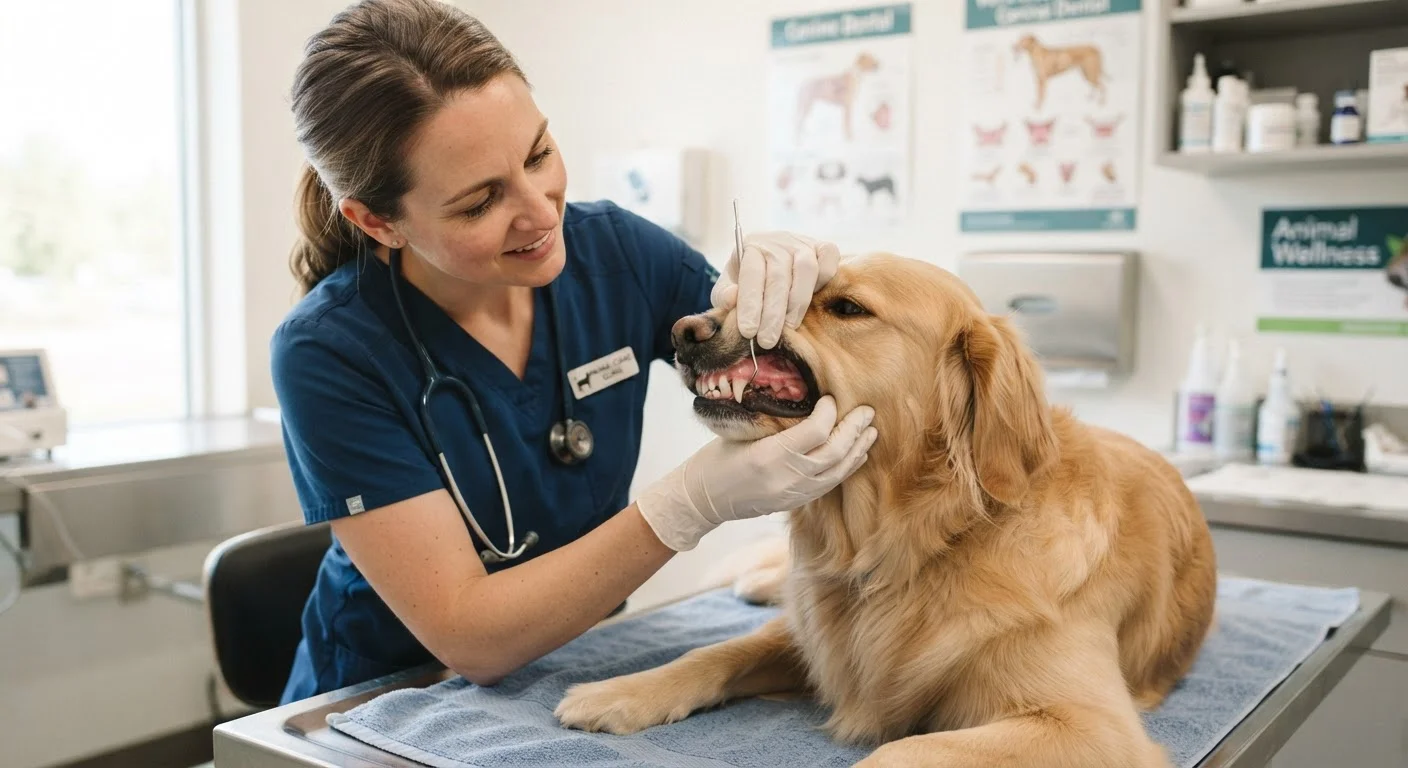
- Teeth and gums: Dental disease is one of the most under-recognized health issues in pets. Checking oral health at every visit is a key preventive step - and it's worth reading more in our article on dental health in cats and dogs.
- Eyes, ears, and skin: Signs of infection, allergies, or parasites can often be identified before they become painful or costly to treat.
- Abdomen: Palpation helps vets assess organ size and detect anything unusual, such as enlarged lymph nodes or masses.
Your vet will also review vaccination schedules and parasite prevention, and may ask about changes in appetite, energy, or behavior. That conversation is just as valuable as the physical exam itself.
For a deeper look at what these visits involve, pet wellness visits: what happens and why they matter walks through the full process.
The Case for Annual Visits - Even on a Budget
Cost is a real concern for many pet owners, and it's worth being honest about: veterinary care is an expense that requires planning. But the financial logic of preventive care is straightforward - conditions caught early are nearly always less expensive to manage than those identified late.
Ask About a Pet Wellness Plan
Many veterinary practices offer annual wellness plans that spread the cost of routine care into monthly payments. These plans often include the exam, core vaccinations, and parasite prevention screenings. Ask your vet's office what options they provide - it's a practical way to budget for preventive care without a large upfront cost.
A dental cleaning performed before disease advances, for example, costs far less than tooth extractions or treatment for infection that has spread. A weight management plan started early avoids the long-term costs associated with obesity-related conditions like joint disease or diabetes.
Building monthly pet health habits at home complements what vets do at annual exams - and helps you arrive at each appointment with useful observations rather than vague concerns. Pairing that habit with a consistent daily routine also reduces overall health risks; see our guide on building a daily routine your pet can rely on.
Think of annual wellness visits not as an optional add-on, but as the foundation of responsible pet ownership - the same way regular checkups matter for people, regardless of how well they feel.
This article is for general informational and educational purposes only. It is not a substitute for professional veterinary advice, diagnosis, or treatment. Always consult a licensed veterinarian for guidance specific to your pet's health needs.