Why Small Pets Are Often Misunderstood
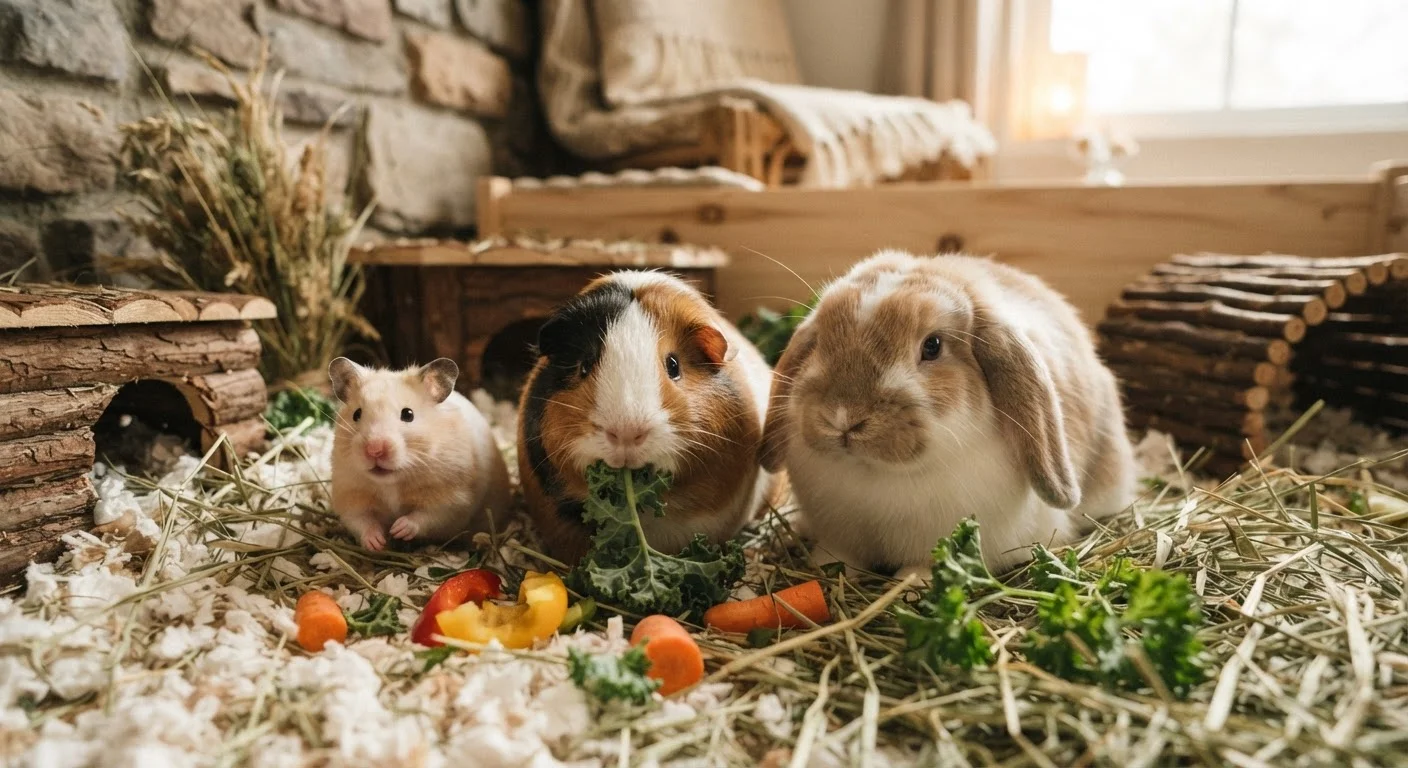
Small animals are frequently marketed as low-maintenance starter pets, but the reality is more nuanced. Hamsters, guinea pigs, and rabbits each have specific behavioral, dietary, and environmental needs that, when unmet, lead to stress, illness, and shortened lifespans. Understanding these needs up front is what separates a thriving small pet from one that merely survives.
One of the most common mistakes new owners make is applying the same assumptions across all small species. In truth, a rabbit's needs look nothing like a hamster's, and treating them similarly can cause real harm. This guide breaks each animal down clearly so you can make informed decisions - before and after bringing one home.
For a broader orientation to pet health signals worth knowing as a new owner, see our grounded starting point for new pet owners.
Space and Housing: Bigger Than You Think
Enclosure size is one of the most consistently underestimated factors in small pet care. Many commercially sold cages - especially those marketed specifically for hamsters - fall well below the space minimums recommended by animal welfare organizations.
When shopping for a hamster enclosure, measure the actual floor space rather than trusting the packaging label. A 40-gallon breeder tank or a large bin cage often provides better space at lower cost than purpose-marketed hamster cages.
Commercial packaging routinely overstates suitability, and floor area is the single most important housing variable for hamster welfare.
Weigh your guinea pig or rabbit weekly using a kitchen scale and log the numbers. A drop of even a few ounces over a short period can be an early warning sign of illness, often before any other symptom appears.
Prey species mask vulnerability instinctively, so objective measurements catch health changes that behavioral observation alone will miss.
- Hamsters: Syrian hamsters are solitary and need a minimum of 450 square inches of unbroken floor space. Dwarf species need somewhat less, but still far more than most starter cages provide. Wheels are essential - a solid-surface wheel at least 8 inches in diameter for Syrians.
- Guinea pigs: These animals are highly active and social. A single guinea pig needs at minimum 7.5 square feet of floor space; two guinea pigs need at least 10.5 square feet. Multilevel cages do not substitute for floor area, as guinea pigs do not naturally climb.
- Rabbits: Rabbits need more space than almost any new owner expects. A rabbit should be able to take at least three full hops in any direction and stand fully upright without their ears touching the ceiling. Many rabbit welfare groups recommend enclosures of at least 12 square feet, paired with several hours of supervised free-roaming time daily.
Bedding matters too. Hamsters need deep bedding - at least 6 inches - so they can burrow, which is a core behavioral need. Guinea pigs do well with fleece liners or paper-based bedding. Avoid cedar and pine shavings for all species, as the aromatic oils can irritate their respiratory systems.
Diet Fundamentals for Each Species
Feeding small pets correctly is straightforward once you understand the core principles for each species.
Hamsters
Hamsters are omnivores. A quality commercial hamster mix or lab block can form the base of their diet, supplemented with small amounts of fresh vegetables and occasional protein sources like plain cooked egg or mealworms. Avoid citrus fruits and sugary treats. Fresh water should always be available.
Guinea Pigs
Guinea pigs, like humans, cannot synthesize their own vitamin C - making dietary sources essential. Timothy hay should make up roughly 80% of their diet and be available at all times. Fresh leafy greens high in vitamin C (such as bell peppers and leafy romaine) should be offered daily. Commercial guinea pig pellets formulated with added vitamin C can fill nutritional gaps, but hay remains the foundation. Avoid iceberg lettuce, which offers little nutrition and can cause digestive upset.
Rabbits
Rabbits are strict herbivores. Unlimited timothy hay is critical for both digestive health and dental wear, since rabbit teeth grow continuously. Fresh leafy greens (not iceberg lettuce or starchy vegetables) can be offered in measured amounts. Pellets, if used, should be plain timothy-based and given in limited quantities - they are a supplement, not the main meal. Never feed rabbits muesli-style mixed feeds, as animals selectively eat the unhealthy parts and miss key nutrients.
Avoid Muesli-Style Mixed Feeds for Rabbits
Muesli or mixed-grain feeds allow rabbits to selectively eat their preferred pieces - typically the high-sugar, low-fiber components - while leaving behind the nutritious parts. This leads to dental disease, obesity, and gut problems over time. Plain timothy-based pellets in small amounts are a safer option if pellets are used at all.
Handling, Socialization, and Behavior
Understanding the natural social structure of each species prevents a lot of frustration and mishandling.
Hamsters are solitary animals and generally prefer to live alone. Cohousing two hamsters - even of the same species - often results in fighting and serious injury. They are also crepuscular, meaning they are most active at dawn and dusk. Waking a hamster during the day to handle it causes significant stress. Plan your interaction time around their natural schedule.
Guinea pigs are highly social herd animals. A lone guinea pig can become lonely and depressed; most animal welfare organizations recommend keeping them in same-sex pairs or groups. They communicate through a range of vocalizations - wheeking (excitement), purring (contentment), and teeth chattering (warning). Learning these signals helps you respond appropriately.
Rabbits have complex social and behavioral needs that often surprise new owners. They can be bonded in pairs and generally enjoy companionship, but introductions must be done carefully. Rabbits also have a strong need for mental stimulation and physical activity. Our article on exercise needs across common pet types covers how rabbits specifically compare to other species.
With all three species, handling should start slowly and be done close to the ground to minimize injury risk from falls. Never pick up a guinea pig or rabbit by the scruff of the neck.
Health Basics and When to See a Vet
Small animals are prey species, which means they instinctively hide signs of illness. By the time a hamster, guinea pig, or rabbit appears visibly unwell, the condition may already be advanced. This makes routine observation a critical owner skill.
Signs that warrant a vet visit for any small animal include:
- Lethargy or unusual stillness
- Loss of appetite or reduced water intake
- Labored, noisy, or rapid breathing
- Discharge from eyes, nose, or mouth
- Changes in droppings (fewer, much softer, or absent)
- Overgrown teeth or drooling (common dental issue in rabbits and guinea pigs)
Not all veterinarians see small mammals, so it's worth identifying an exotic or small animal vet in your area before you need one urgently. Annual wellness checks are worthwhile even if your pet appears healthy, as a trained eye catches what owners miss.
For a structured approach to monitoring your pet month to month, our monthly pet health habits guide offers a practical framework that applies to small pets too.
This article is for general informational purposes only and is not a substitute for professional veterinary advice. Always consult a qualified veterinarian for guidance specific to your pet's health.
Building a Care Routine That Works
Consistency is the foundation of good small pet care. A simple daily and weekly routine prevents most common problems before they start.
Daily tasks for all three species include: refreshing water, spot-cleaning the enclosure, checking food levels, and observing the animal's behavior and physical appearance for any changes.
Weekly tasks include a more thorough enclosure clean, checking nails and teeth for signs of overgrowth, and weighing your pet. Regular weighing - especially in guinea pigs and rabbits - is one of the most reliable early indicators of illness, since these animals often lose weight before showing other symptoms.
Many of the common missteps in small pet ownership come from assumptions carried over from dogs and cats. If you want to avoid the most frequent pitfalls early, our article on pet health assumptions that lead owners astray is worth reading before problems arise.
Small pets ask for less attention than dogs, but the attention they do need must be deliberate and informed. Building good habits early - appropriate housing, species-correct diet, and consistent observation - gives these animals a genuinely good quality of life and makes you a more confident, capable owner.