Why Routine Maintenance Matters More Than You Think
A car is one of the most complex machines most people own - and one of the most expensive to fix when something goes wrong. Routine maintenance is what keeps those expensive breakdowns from happening. Think of it less like a chore and more like an investment: spending a modest amount today on scheduled upkeep routinely prevents repairs that cost ten times more later.
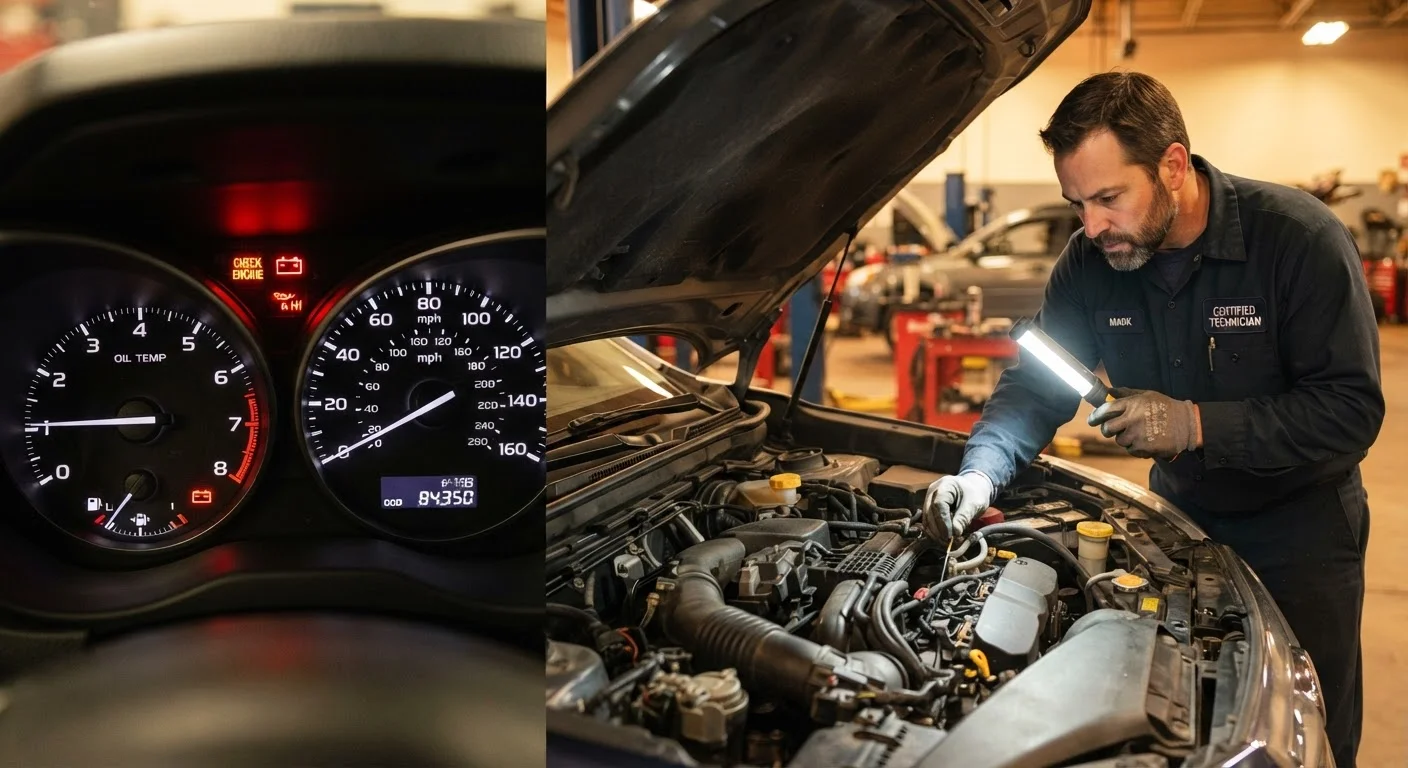
New drivers often underestimate how quickly a neglected issue can escalate. A worn brake pad, for instance, can grind through a rotor if ignored - turning a $30 part replacement into a $300+ repair. Our companion article on how small car problems compound walks through several real-world examples worth reading early in your ownership journey.
The good news: most routine maintenance follows a predictable rhythm. Once you understand the basic intervals, staying on schedule becomes straightforward.
Your Owner's Manual Is Your Best First Resource
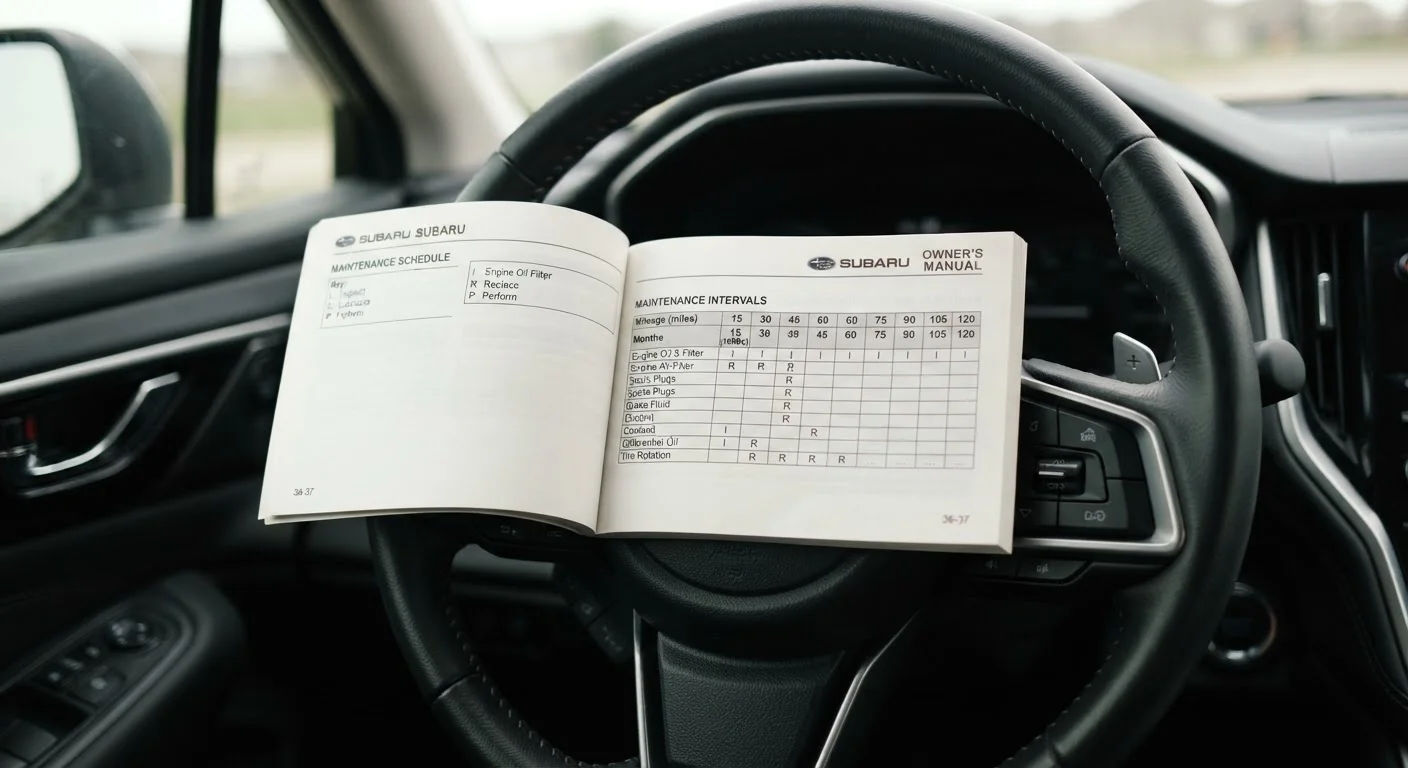
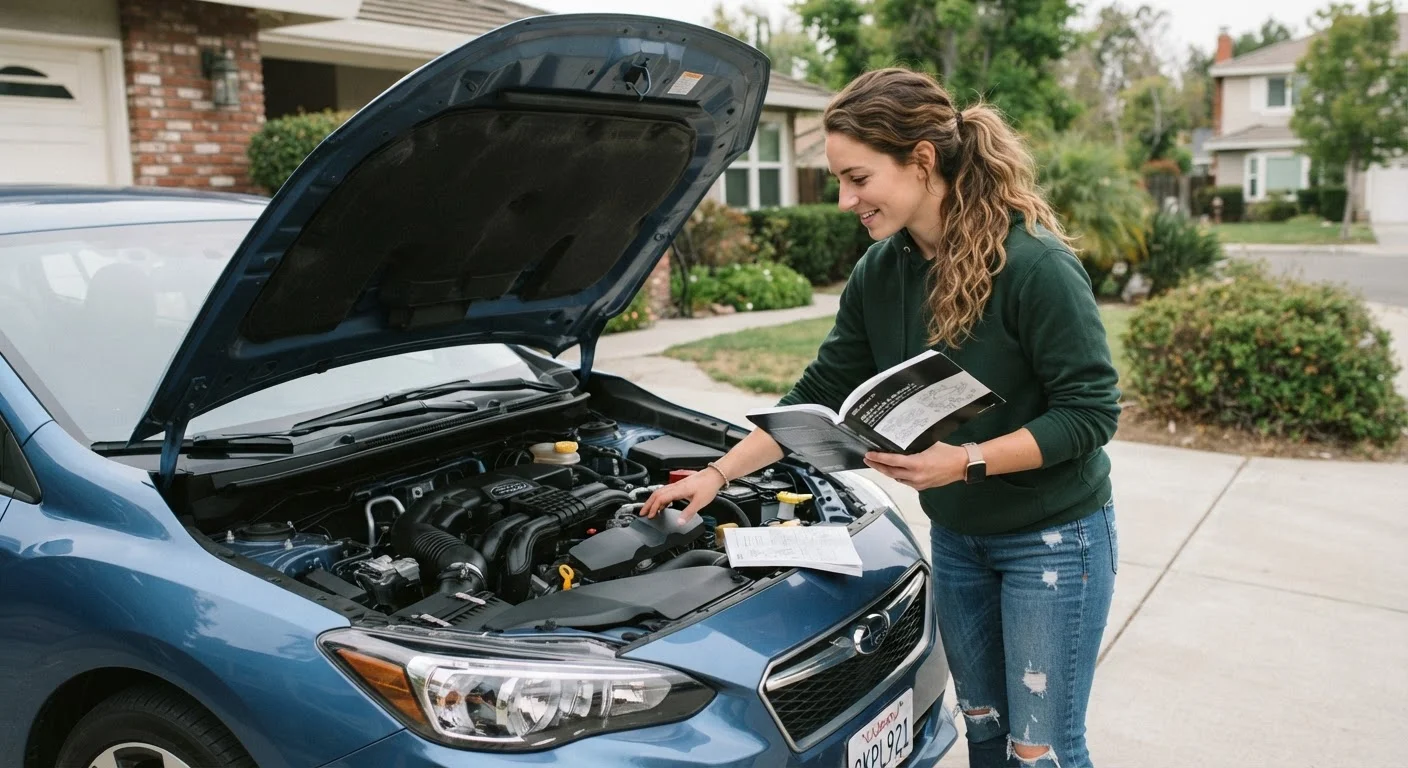
Before searching online for maintenance advice, check your owner's manual first. It contains manufacturer-specific intervals, fluid specifications, and warning light explanations tailored exactly to your vehicle. If you bought a used car without one, most manufacturers offer digital versions on their official websites at no cost.
The Core Tasks Every New Driver Should Know
While your specific car's needs vary, most vehicles share a common set of maintenance tasks. Here's what to keep on your radar:
- Engine oil: Oil lubricates the engine's moving parts and degrades over time. Check the level monthly and change it per your manufacturer's schedule - typically every 5,000-10,000 miles depending on oil type.
- Tire pressure and tread: Under-inflated tires wear unevenly and reduce fuel efficiency. Check pressure monthly using a tire gauge (the correct PSI is listed on a sticker inside your driver's door). Check tread depth with the penny test - insert a penny into the tread groove; if you can see the top of Lincoln's head, it's time for new tires.
- Coolant: This fluid prevents your engine from overheating. Check the reservoir level periodically and top it off with the correct type listed in your manual.
- Brake fluid, power steering fluid, and transmission fluid: These are checked less frequently but should be inspected at each oil change or during routine services.
- Air filter: A clogged engine air filter reduces performance and fuel economy. Most need replacement every 15,000-30,000 miles.
- Wiper blades and lights: Both are safety items - inspect them seasonally and replace when performance drops.
Engine oil
A lubricating fluid that reduces friction between your engine's moving metal parts. It degrades with heat and use, which is why it needs to be changed regularly.
Tire PSI
PSI stands for pounds per square inch - the unit used to measure tire pressure. Each vehicle has a recommended PSI range, usually found on a sticker inside the driver's door.
Service interval
A specific mileage or time point at which a maintenance task is scheduled to be performed, as outlined in your vehicle's owner's manual.
Coolant
A liquid (also called antifreeze) that circulates through your engine to regulate its temperature and prevent overheating or freezing in extreme weather.
Tread depth
The measurement of the grooves on your tire's surface. Adequate tread depth is essential for grip, especially in wet conditions; worn tread significantly increases stopping distance.
Air filter
A replaceable component that prevents dust and debris from entering your engine. A clogged filter restricts airflow and can reduce fuel efficiency and engine performance.
Reading Your Service Schedule Without Getting Lost
Every car comes with an owner's manual containing a service schedule - a table showing which maintenance tasks are due at which mileage (or time) intervals. Many new drivers find it confusing at first glance, but it follows a logical structure once you know how to read it.
Look for two categories: scheduled maintenance (things done at fixed intervals regardless of problems) and condition-based items (things inspected and replaced when worn). Common scheduled items include oil changes, spark plug replacement, and transmission fluid changes. Condition-based items include brake pads, belts, and tires.
If you'd like a detailed walkthrough of how to interpret these schedules, our guide on reading your car's service schedule breaks it down section by section.
One practical tip: mark your calendar or set a phone reminder every 3,000 miles to do a quick fluid and visual check. This habit alone can catch most problems before they worsen.
What You Can Check Yourself vs. When to Call a Mechanic
Not every maintenance task requires a shop visit - and knowing the difference saves both money and time. Here's a general breakdown:
Tasks most beginners can handle safely
- Checking and topping off windshield washer fluid
- Checking tire pressure and adding air
- Inspecting exterior lights and replacing bulbs (on most vehicles)
- Checking engine oil and coolant levels
- Replacing wiper blades
Tasks better left to a qualified mechanic
- Brake inspection, adjustment, or replacement
- Timing belt or serpentine belt replacement
- Suspension and steering components
- Transmission or differential fluid changes (requires special tools and procedures)
- Any repair involving airbags or advanced safety systems
Our detailed guide on DIY vs. mechanic decisions helps you assess each task before you start. When you do go to a shop, knowing how to communicate clearly matters - see our article on talking to a mechanic with confidence for practical scripts and questions to ask.
Keeping Track and Keeping Costs in Check
One of the simplest habits that pays off disproportionately is keeping a maintenance log - a running record of every service, repair, fluid top-off, and part replacement, along with the date and mileage. It takes minutes to update and has outsized value: it helps you spot recurring issues, proves service history to future buyers, and gives mechanics the context they need to diagnose problems accurately. Our guide on keeping a car maintenance log shows you how to set one up in under ten minutes.
On the cost side, being proactive is the most effective strategy. Staying current on scheduled maintenance means you rarely face emergency repair bills that weren't coming anyway - they're just caught earlier and cheaper. For a broader look at managing the full picture of what a car costs to own, explore our overview of keeping running costs down and the companion piece on car ownership finances for young adults.
Maintenance doesn't need to be overwhelming. With a basic understanding of what needs doing, a readable schedule, and a simple log, you're already ahead of most first-time owners.