
Why Car Costs Go Beyond the Monthly Payment
For many young adults, the car-buying conversation starts and ends with one question: Can I afford the monthly payment? That framing misses a large share of what vehicle ownership actually costs. Across a typical ownership period, expenses beyond the loan payment - insurance, fuel, maintenance, registration, and unexpected repairs - can collectively approach or even exceed what you're paying the lender each month.
Understanding the full picture before you commit is not just smart financial planning; it protects you from the cash-flow strain that forces many new owners to cut corners on maintenance or miss other financial goals. For a detailed breakdown of every line item you'll encounter, see the true cost of owning a car.
APR
Annual Percentage Rate - the yearly interest cost of a loan expressed as a percentage. A higher APR means you pay more in interest over the life of the loan.
Loan term
The length of time you agree to repay a loan, usually expressed in months. A longer term lowers monthly payments but increases the total interest you pay.
Down payment
An upfront cash amount paid toward the purchase price. A larger down payment reduces the amount you need to borrow and lowers your total interest cost.
Depreciation
The gradual loss of a vehicle's value over time. New cars typically depreciate fastest in the first few years after purchase.
Routine maintenance
Scheduled, preventive service tasks - like oil changes and tire rotations - that keep a vehicle running safely and help avoid costly repairs later.
Emergency repair fund
A dedicated savings amount set aside specifically for unexpected vehicle repairs, so that unplanned costs don't disrupt your regular monthly budget.
The Major Cost Categories Every Owner Faces
Breaking ownership costs into categories makes them far less intimidating. Here are the main buckets you need to account for:
- Insurance: Required in virtually every U.S. state. Premiums vary widely based on your age, driving record, location, and the vehicle itself. Young drivers often pay higher rates; shopping for coverage and understanding what each policy type covers is essential.
- Fuel: Depends on how much you drive and the vehicle's fuel efficiency (measured in miles per gallon, or MPG). Estimate monthly fuel cost by dividing your expected monthly miles by your vehicle's MPG, then multiplying by the local price per gallon.
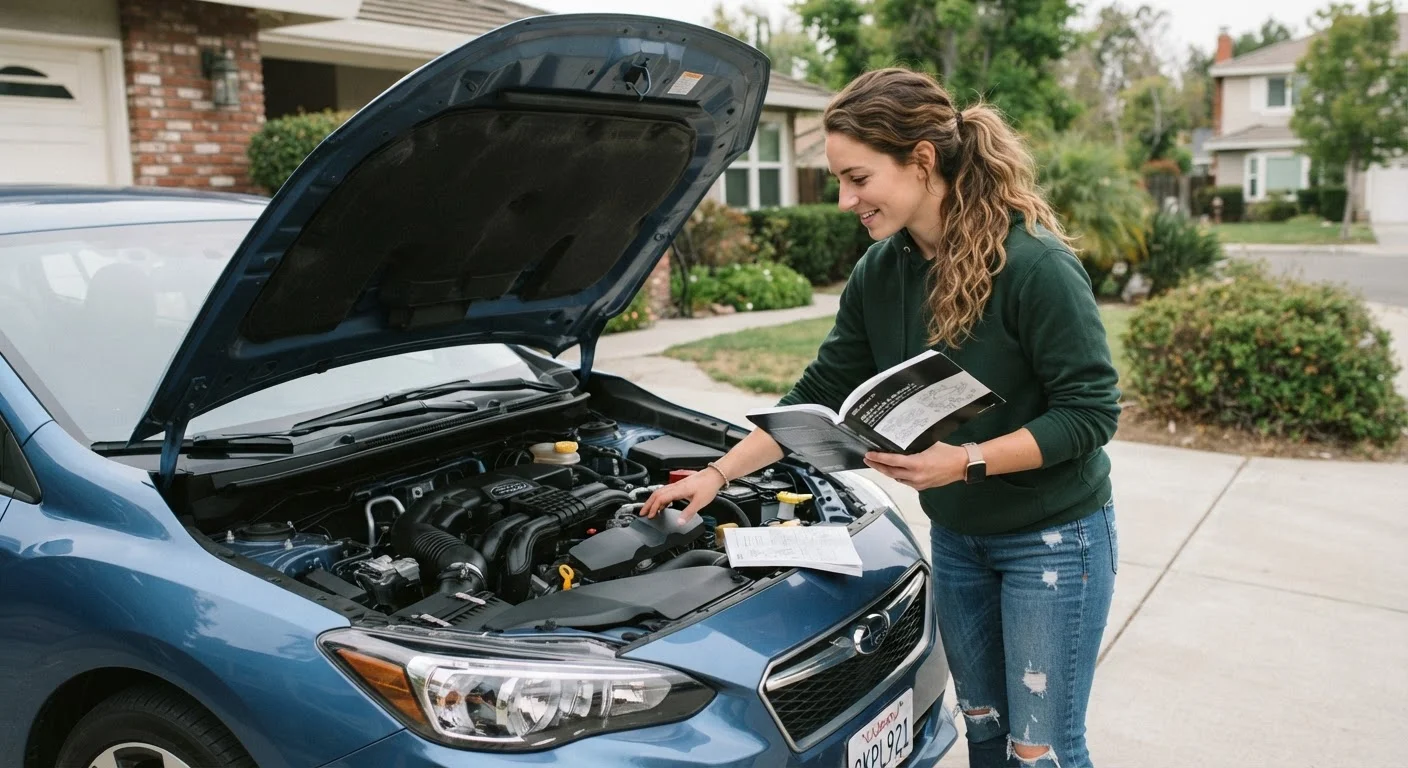
- Routine maintenance: Oil changes, tire rotations, air filters, and brake inspections are recurring expenses. Skipping them typically leads to larger repair bills later. The car maintenance overview for new drivers explains what these tasks involve.
- Registration and taxes: Annual vehicle registration fees and any applicable state or local taxes vary by location. Budget for these as a yearly expense, not a one-time cost.
- Unexpected repairs: Tires wear out, batteries fail, and brake pads need replacing. A dedicated repair fund prevents these events from derailing your budget.
How Financing Affects Your Total Outlay
If you're taking out a loan, three variables shape how much you'll ultimately pay: the interest rate (APR), the loan term, and your down payment.
APR - Annual Percentage Rate - is the yearly cost of borrowing expressed as a percentage. A higher APR means more interest paid over the life of the loan. Loan term refers to how many months you'll be repaying; longer terms lower monthly payments but increase total interest. A larger down payment reduces the amount you borrow, shrinking both your payment and your interest cost.
For example, borrowing $15,000 at 7% APR over 60 months costs meaningfully more in total interest than the same loan over 36 months, even though the monthly payment is lower. Understanding these mechanics lets you make an informed choice rather than defaulting to whichever option minimizes this month's payment. If you're new to credit and concerned about qualifying, building credit from zero is a useful starting point. For a glossary of financing terminology, see key car ownership terms.
Get Insurance Quotes Before You Buy
Insurance premiums vary significantly by vehicle make, model, and year - not just by your driving record. Before finalizing any purchase, request quotes for the specific vehicle you're considering. This prevents a situation where a car that fits your loan budget turns out to carry an insurance premium that doesn't.
Building a Simple Car Budget
A practical car budget lists every recurring and expected expense in one place. Start by estimating monthly amounts for each of the following:
- Loan payment (if financing)
- Insurance premium
- Estimated monthly fuel cost
- Monthly maintenance reserve (divide your estimated annual maintenance cost by 12)
- Registration and taxes (divided by 12 to smooth the annual hit)
- Emergency repair fund contribution
Add those figures together and compare the total against your monthly take-home pay. If the total strains your budget, consider adjusting the vehicle choice, loan terms, or your timeline before purchasing. Tracking these categories in a simple spreadsheet or budgeting app keeps you accountable throughout ownership. For broader guidance on maintenance schedules, reading your car's service schedule is a helpful companion resource.
Common Financial Mistakes New Owners Make
Knowing where others go wrong helps you sidestep the same traps:
- Focusing only on the monthly payment: A longer loan term lowers payments but raises total cost. Always evaluate total interest paid, not just the monthly figure.
- Underestimating insurance costs: Get insurance quotes for a specific vehicle before you buy it - not after. The premium may change your decision.
- Skipping the maintenance reserve: Treating maintenance as an optional expense leads to deferred service, which typically results in larger repair bills down the line.
- No emergency fund: An unexpected repair with no savings often means putting the cost on a high-interest credit card, compounding the financial impact.
- Choosing a vehicle at the edge of affordability: Aim to leave a comfortable margin so that rising fuel prices or an unexpected expense doesn't create an immediate crisis.
Car ownership is manageable when approached as a system of predictable and plannable costs. The car maintenance hub and credit and debt hub offer deeper dives into the two areas that trip up new owners most often.
Avoid Stretching Loan Terms to Lower Payments
A 72- or 84-month auto loan may make an expensive vehicle feel affordable month-to-month, but you'll pay substantially more in interest overall and may owe more than the car is worth mid-loan - a situation called being "underwater." Evaluate total cost of the loan, not just the monthly payment, before signing. This article provides general financial education and is not personalized financial advice; consult a qualified financial professional for guidance specific to your situation.