Why the Purchase Price Is Only the Start
When most people think about what a car costs, they picture the number on the window sticker or the monthly loan payment. In reality, those figures cover only a fraction of what you will spend. Industry estimates consistently show that ongoing ownership expenses - fuel, insurance, maintenance, depreciation, and fees - can add up to tens of thousands of dollars over just a few years of ownership.
That gap between sticker price and true cost catches many first-time owners off guard. Understanding every expense category before you commit is how you avoid stretching your budget to a breaking point. See our introduction to car ownership finances for a broad overview of every major cost category.
~$10,000+
Average annual cost of car ownership in the U.S.
According to AAA's annual 'Your Driving Costs' study, total ownership costs for a typical new vehicle consistently exceed $10,000 per year when all expense categories are combined.
~20%
Value a new car can lose in its first year
Depreciation rates vary by vehicle type, but many new cars lose roughly 15-20% of their value within the first 12 months of ownership.
15-20%
Of take-home pay recommended for all car costs
A commonly cited personal finance guideline suggests keeping total vehicle expenses - including loan, insurance, and fuel - within 15-20% of monthly take-home income.
Depreciation: The Silent Budget Drain
Depreciation is the loss of a vehicle's value over time. A new car can lose roughly 15-20% of its value in the first year alone, and around 50% within five years - though the exact rate varies by make, model, mileage, and condition. Because this loss never appears on a monthly bill, it is easy to overlook, yet it is often the single largest cost of ownership.
Depreciation matters most when you eventually sell or trade in the vehicle. The difference between what you paid and what you receive back represents real money lost. For a deeper understanding of how this works and what it means for your budget, see our article on car depreciation and why it matters.
Before buying, look up the insurance quote for any specific vehicle you are considering - not just the loan payment. A car that seems affordable can become a financial strain if insuring it costs $300+ per month for a young driver.
Insurance is determined by the vehicle as well as the driver, and sports cars, luxury models, or vehicles with poor safety ratings carry significantly higher premiums that are often overlooked during the purchase decision.
When comparing two vehicles at different price points, calculate the five-year total cost of ownership - including projected depreciation, fuel, and insurance - not just the monthly payment. The cheaper car on paper is not always the cheaper car to own.
Total cost of ownership gives a more accurate picture of value than any single figure, and vehicles with lower sticker prices sometimes carry higher running costs that erode the initial saving.
Insurance, Registration, and Taxes
Auto insurance is legally required in almost every U.S. state, and for young drivers it is often the most expensive recurring bill after a loan payment. Premiums depend on your age, driving record, location, coverage level, and the vehicle itself. A higher-value or higher-performance car typically costs significantly more to insure.
Beyond insurance, factor in:
- Annual registration fees - these vary widely by state and sometimes by vehicle value or weight.
- Sales tax - typically calculated on the purchase price at the time of sale.
- Title and documentation fees - one-time costs at the point of purchase, sometimes buried in paperwork.
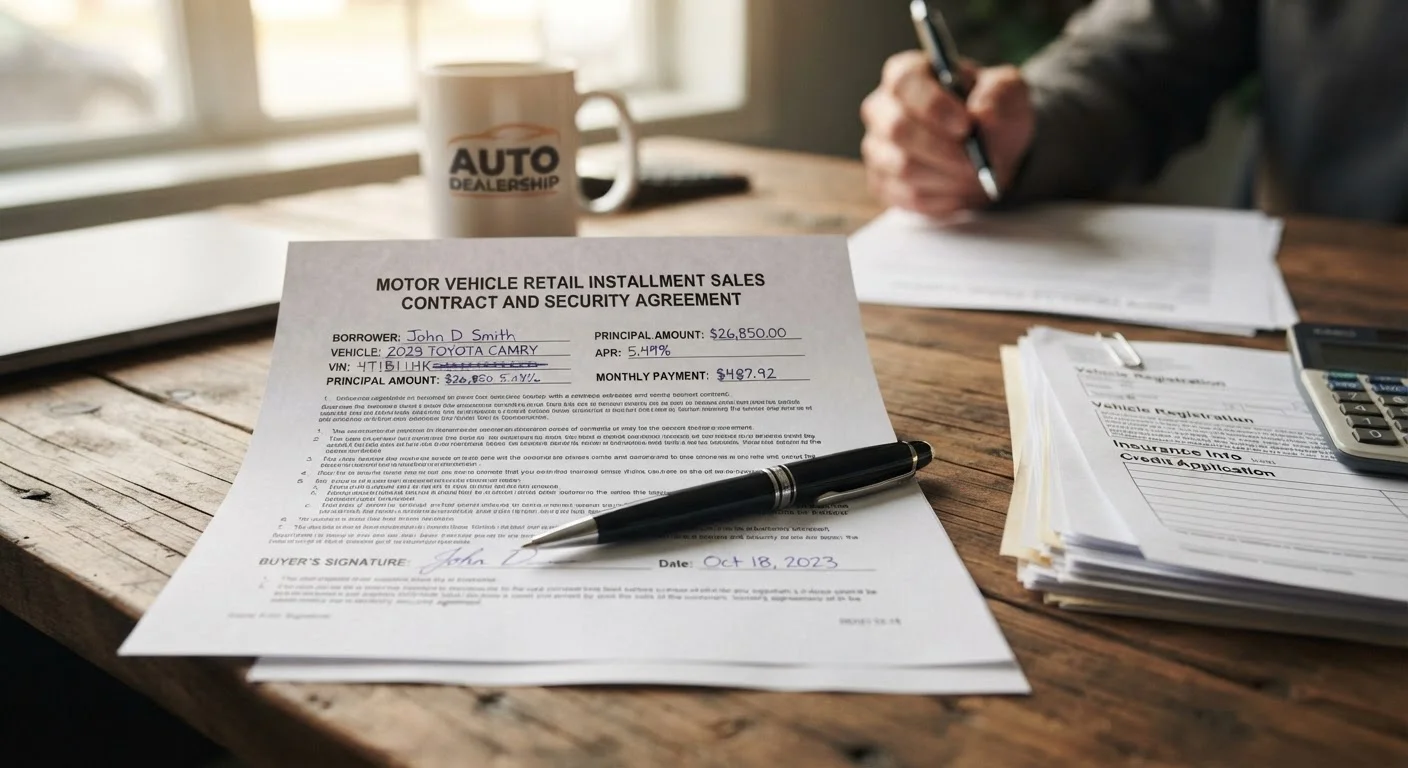
If you are financing your vehicle, lenders often require comprehensive and collision coverage, which costs more than liability-only policies. Review any finance agreement carefully - our guide on hidden charges in car finance agreements explains the fine print worth scrutinizing.
Fuel: Your Most Variable Ongoing Cost
Fuel expenditure depends on three things: how much you drive, the vehicle's fuel efficiency (measured in miles per gallon, or mpg), and the price of gas in your area. A vehicle rated at 25 mpg driven 12,000 miles per year uses roughly 480 gallons annually - multiply that by the local pump price to estimate your yearly fuel spend.
Electric vehicles (EVs) replace fuel costs with electricity costs, which are generally lower per mile but require factoring in home charging setup or public charging fees. Plug-in hybrids sit in between, drawing on both sources depending on trip length.
Driving habits also affect fuel consumption significantly. Aggressive acceleration, highway speeds above 65 mph, and carrying heavy loads all reduce efficiency. For practical ways to stretch every tank further, explore sensible habits for keeping running costs down.
Maintenance, Tires, and Repairs
Routine maintenance - oil changes, air filters, brake inspections, fluid top-ups - is predictable and relatively affordable when kept on schedule. Skipping it, however, leads to much costlier repairs down the line. A typical rule of thumb is to budget around $500-$1,000 per year for routine maintenance on a reliable used vehicle, though this varies considerably by age and mileage.
Tires are a significant separate expense. A set of four replacement tires for a standard sedan can cost anywhere from $400 to over $1,000 installed, and most tires need replacing every 25,000-50,000 miles depending on the type and your driving conditions.
Unexpected repairs are the cost most likely to blindside new owners. A transmission issue, a failed alternator, or brake replacement can each run into the hundreds or thousands of dollars. Building a dedicated car emergency fund - even just $50-$100 set aside each month - provides a financial cushion when something breaks. The Car Maintenance hub has straightforward guides to help you stay on top of your vehicle's needs.
Parking, Tolls, and Other Everyday Fees
Costs that seem small in isolation can accumulate quickly. Consider how often these apply to your daily routine:
- Parking - monthly garage or lot fees in urban areas can range from $100 to $400 or more per month. Street parking tickets are an avoidable but common expense.
- Tolls - if your commute or frequent routes include toll roads or bridges, factor this in weekly and annually.
- Car washes and detailing - maintaining the vehicle's exterior protects resale value and can cost $20-$200+ depending on frequency and service level.
- Roadside assistance - a membership plan or add-on through your insurer provides peace of mind for breakdowns, typically for $50-$100 per year.
None of these individually seems significant, but together they can add $100-$500 or more per month depending on where you live and how you drive.
Building Your Full-Cost Budget
Once you have mapped out every cost category, add them all up - monthly and annually. A straightforward way to approach this is:
- List your fixed monthly costs: loan payment, insurance premium, registration amortized monthly.
- Estimate variable costs: fuel, parking, tolls - based on your realistic driving habits.
- Set aside a monthly maintenance and repair reserve rather than treating these costs as surprises.
- Account for depreciation if you plan to sell or trade in within a few years.
This total figure is your true monthly cost of ownership - and it should comfortably fit within your overall budget, not just your loan approval amount. For a structured worksheet approach, our article on building a realistic monthly car budget from scratch walks through the process step by step.
Familiarizing yourself with common finance and ownership terminology also helps you spot costs before they appear. The key car ownership terms every young driver should know is a useful jargon-free reference to bookmark.
This article provides general financial education and is not personalized financial advice. Costs will vary based on your individual circumstances, location, and vehicle. Consult a qualified financial professional for guidance specific to your situation.