Why Depreciation Is the Cost Most People Miss
When most people budget for a car, they think about the monthly payment, fuel, and insurance. Depreciation rarely makes the list - yet for many owners, it accounts for more money lost than all other costs combined.
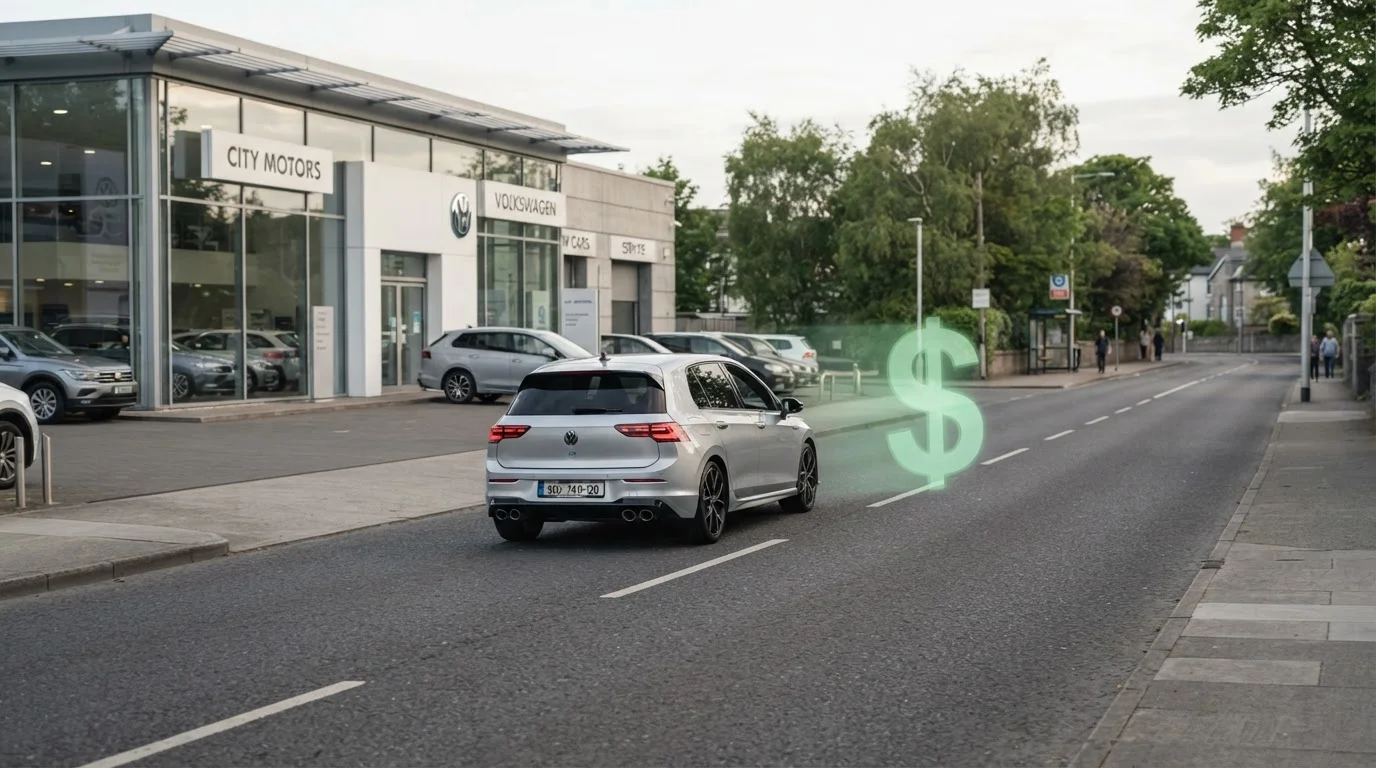
Here's a straightforward way to picture it: if you purchase a new vehicle for $30,000 and sell it three years later for $18,000, you've lost $12,000 to depreciation - roughly $333 every single month, on top of everything else you paid. That loss doesn't show up as a line item on any bill, which is exactly why it catches so many first-time owners off guard.
For a complete look at all the costs that follow a purchase, see The True Cost of Owning a Car. Depreciation is one piece of a larger financial picture covered in Car Ownership Finances: A Starting Point for Young Adults.
20%
Average first-year new car value loss
Industry estimates consistently show new vehicles lose approximately 15-25% of their value within the first 12 months of ownership.
~50%
Value retained after five years
Many new vehicles retain only around half their original purchase price after five years, according to automotive valuation research.
$0
Bills received for depreciation
Depreciation generates no invoice - making it the most commonly overlooked cost in a first-time car owner's budget.
How Depreciation Actually Works
Depreciation follows a curve, not a straight line. The steepest drop happens in the earliest years of ownership, then gradually flattens.
- Year 1: A new car typically loses 15-25% of its value the moment it leaves the dealership and within the first 12 months.
- Years 2-3: Depreciation continues, often at 10-15% per year.
- Years 4-5: The rate slows further, and many vehicles stabilize at roughly 40-60% of their original value.
Several factors accelerate or slow this process:
- Brand and model reputation: Vehicles known for reliability tend to hold their value better because buyers remain willing to pay for them used.
- Mileage: Higher mileage signals more wear, which drives down resale value.
- Condition: Dents, worn interiors, and a poor maintenance history all reduce what a buyer is willing to pay.
- Market demand: Fuel-efficient vehicles may hold value better when gas prices rise; large trucks can lose more value during economic downturns.
- Color and features: Niche colors or configurations limit the pool of interested buyers, which can accelerate depreciation.
The New vs. Used Depreciation Difference
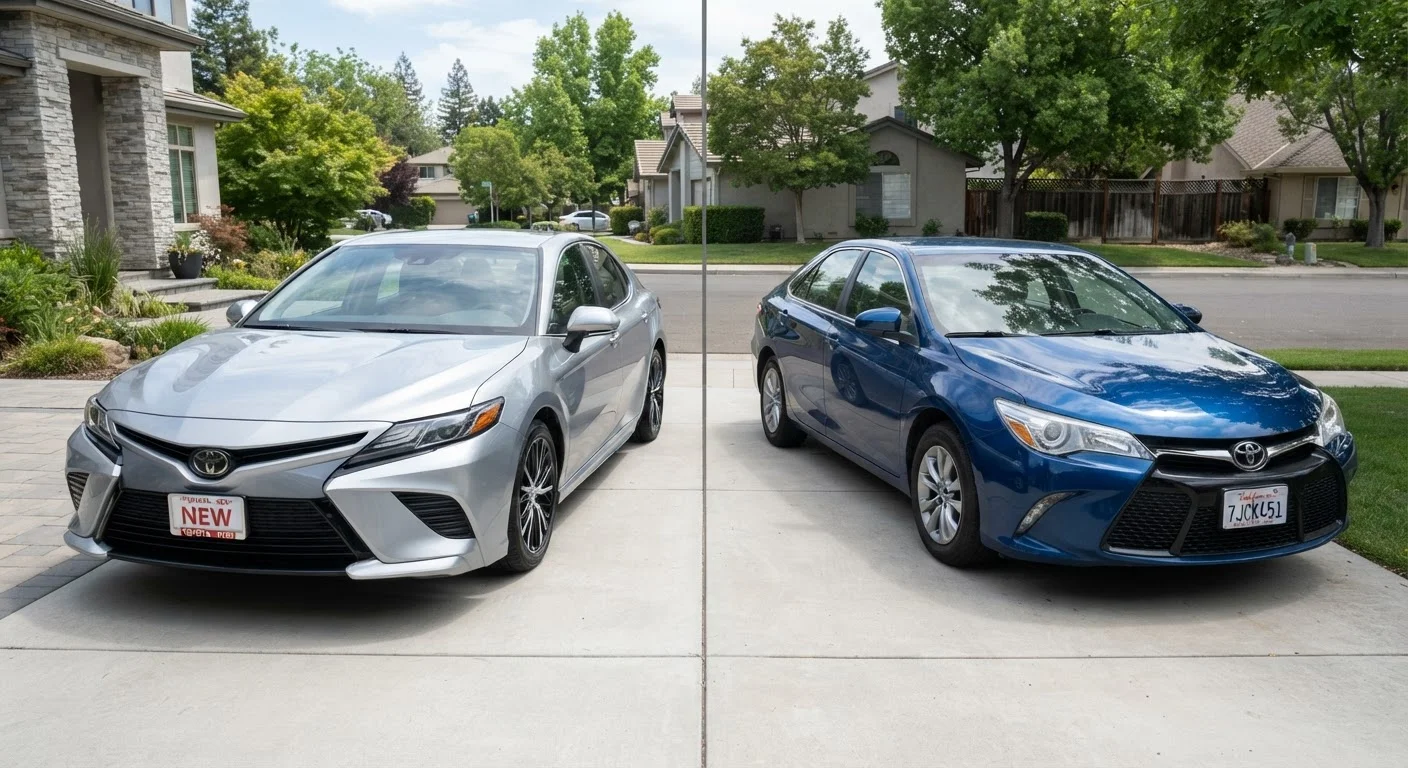
One of the most practical applications of understanding depreciation is the new-versus-used decision. When you buy a used vehicle that is two to three years old, the original owner has absorbed that sharp first-year drop. You effectively step onto a gentler part of the depreciation curve.
For example, a vehicle that sold new for $28,000 might be available used at around $19,000 after two years. You've avoided roughly $9,000 in depreciation loss - money that stays in your pocket or your savings account.
Of course, used vehicles come with their own trade-offs: potentially shorter manufacturer warranty coverage, unknown maintenance history, and possibly higher financing rates. The New Car vs Used Car financial comparison article walks through how to weigh these factors side by side.
Use Residual Value Data Before You Buy
Before committing to any vehicle, look up its projected residual value - the percentage of original price it's expected to retain over three to five years. Independent automotive valuation services publish this data. A vehicle with a higher residual value percentage will cost you less in depreciation over the ownership period, all else being equal.
Depreciation's Effect on Loans and Your Financial Health
Depreciation intersects with auto financing in a way that can quietly create financial stress. When you finance a car, you owe the full loan balance regardless of what the car is worth. If your car depreciates faster than you pay down the loan - a situation known as being "underwater" or "upside down" on your loan - you owe more than the vehicle's market value.
This becomes a real problem if you need to sell the car, trade it in, or if it's totaled in an accident. In the last scenario, your insurance company pays current market value, not your loan balance - leaving you to cover the gap out of pocket.
Strategies that reduce this risk include making a larger down payment, choosing a shorter loan term, and avoiding financing add-ons that inflate the loan amount. For a broader look at managing auto-related debt responsibly, the Credit & Debt hub is a useful resource.
To factor depreciation into your monthly planning, use the monthly car budget guide to build a complete picture of what ownership truly costs you each month.