Why Oil Myths Persist - and What They Cost You
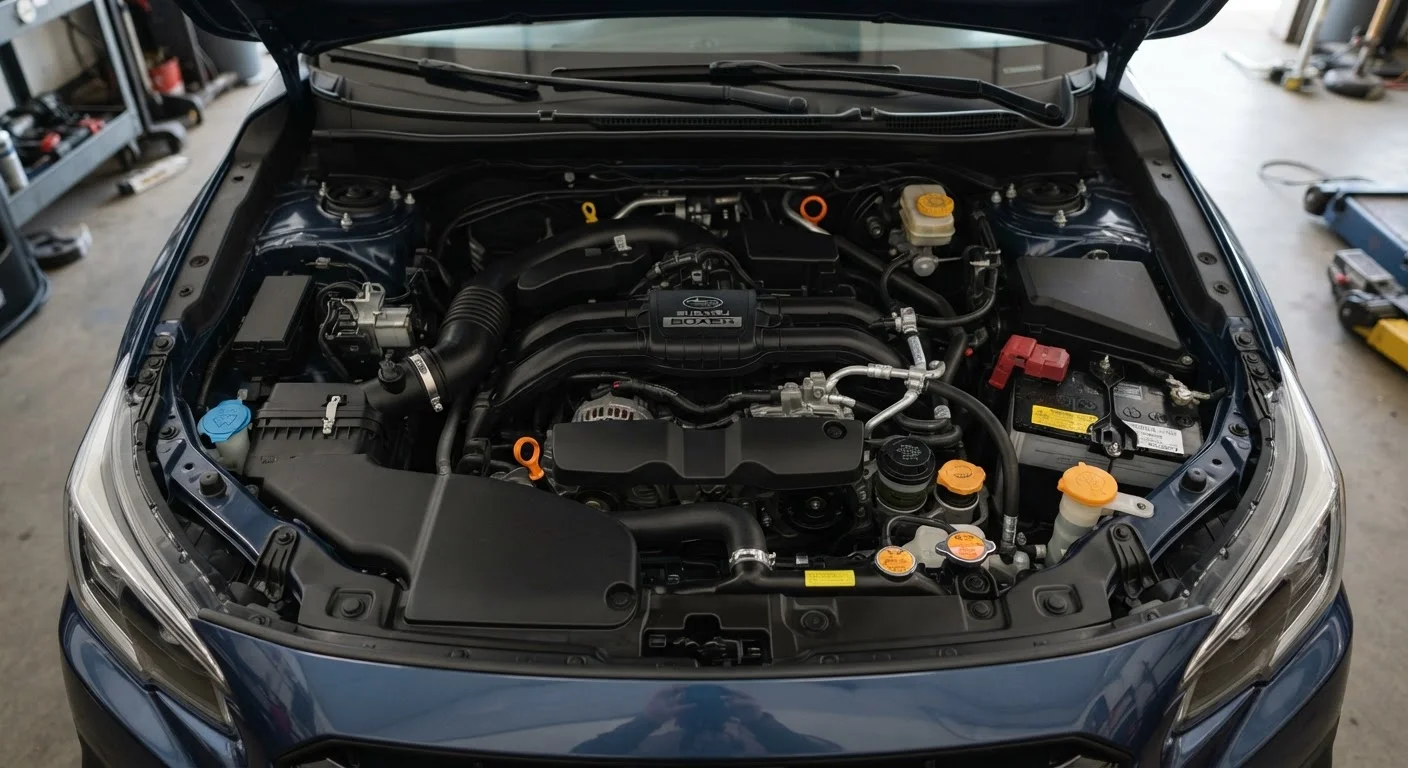
Engine oil mythology is surprisingly expensive. Drivers who change oil too frequently waste money on unnecessary service visits, while those who stretch intervals dangerously risk accelerated engine wear. Both mistakes stem from the same source: outdated rules of thumb that haven't kept pace with modern engine and lubricant technology.
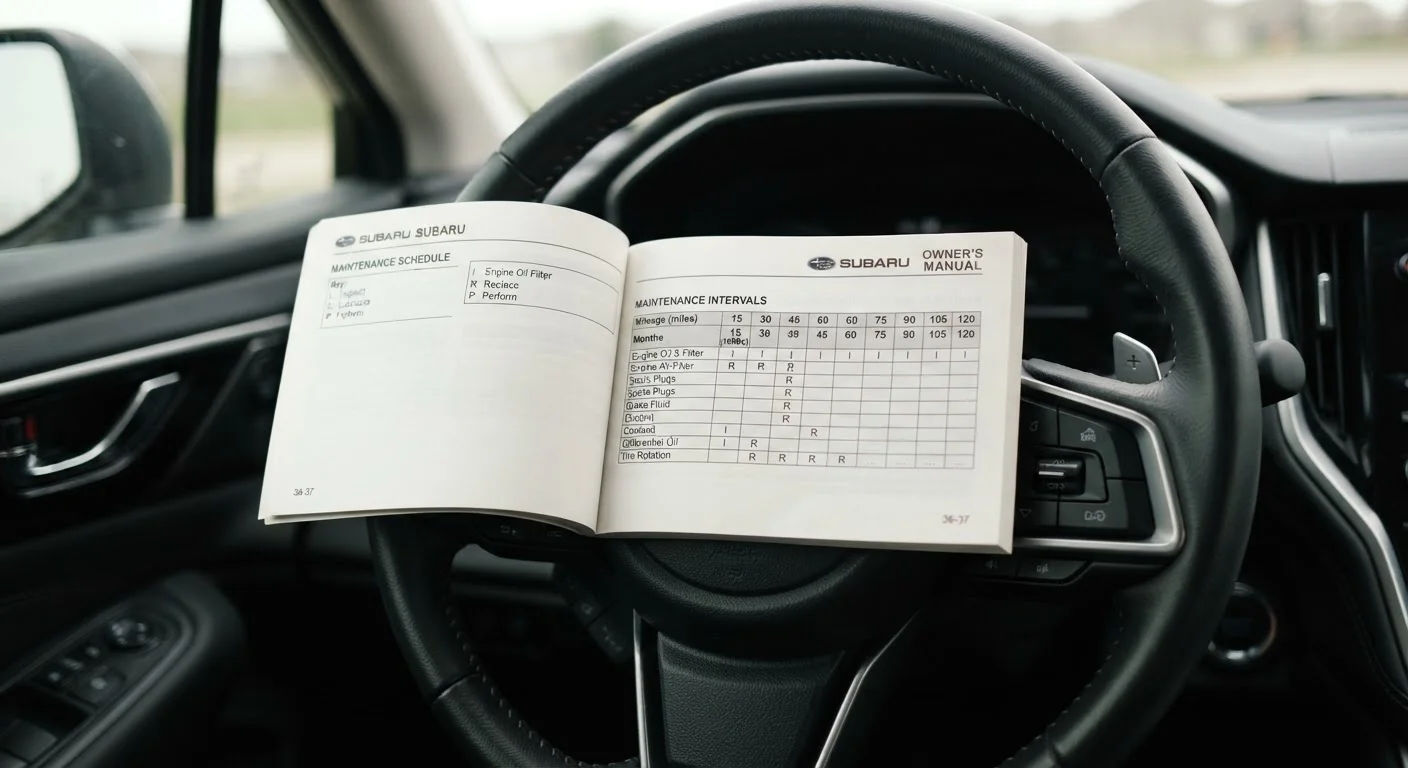
The good news is that the correct guidance for your specific car is already in your hands - it's written in your owner's manual. Before diving into the myths, it helps to understand what oil viscosity grades actually mean. A label like 5W-30 describes how the oil flows: the number before the "W" (which stands for winter) indicates cold-weather flow, and the number after indicates thickness at normal operating temperature. Matching the grade your manufacturer specifies keeps internal engine parts properly lubricated across the temperature range your car is designed for. For more on routine service intervals and what they cover, see our guide to reading your car's service schedule.
Myth
You need to change your engine oil every 3,000 miles, no exceptions.
Fact
Most modern vehicles - especially those using full synthetic oil - are engineered for intervals of 5,000 to 10,000 miles or longer, as specified by the manufacturer.
The 3,000-mile rule was a reasonable guideline for older engines using conventional mineral oil. Today's engines have tighter tolerances and run cleaner, and synthetic lubricants are formulated to maintain their protective properties far longer. Following an unnecessarily short interval wastes money and generates more used oil waste without any engineering benefit. Always defer to your owner's manual - it's written specifically for your engine.
Myth
If the oil looks dark, it must be dirty and needs to be changed immediately.
Fact
Oil turns dark through normal operation, partly because it suspends combustion byproducts to keep them from settling in the engine. Color alone is not a reliable indicator that an oil change is due.
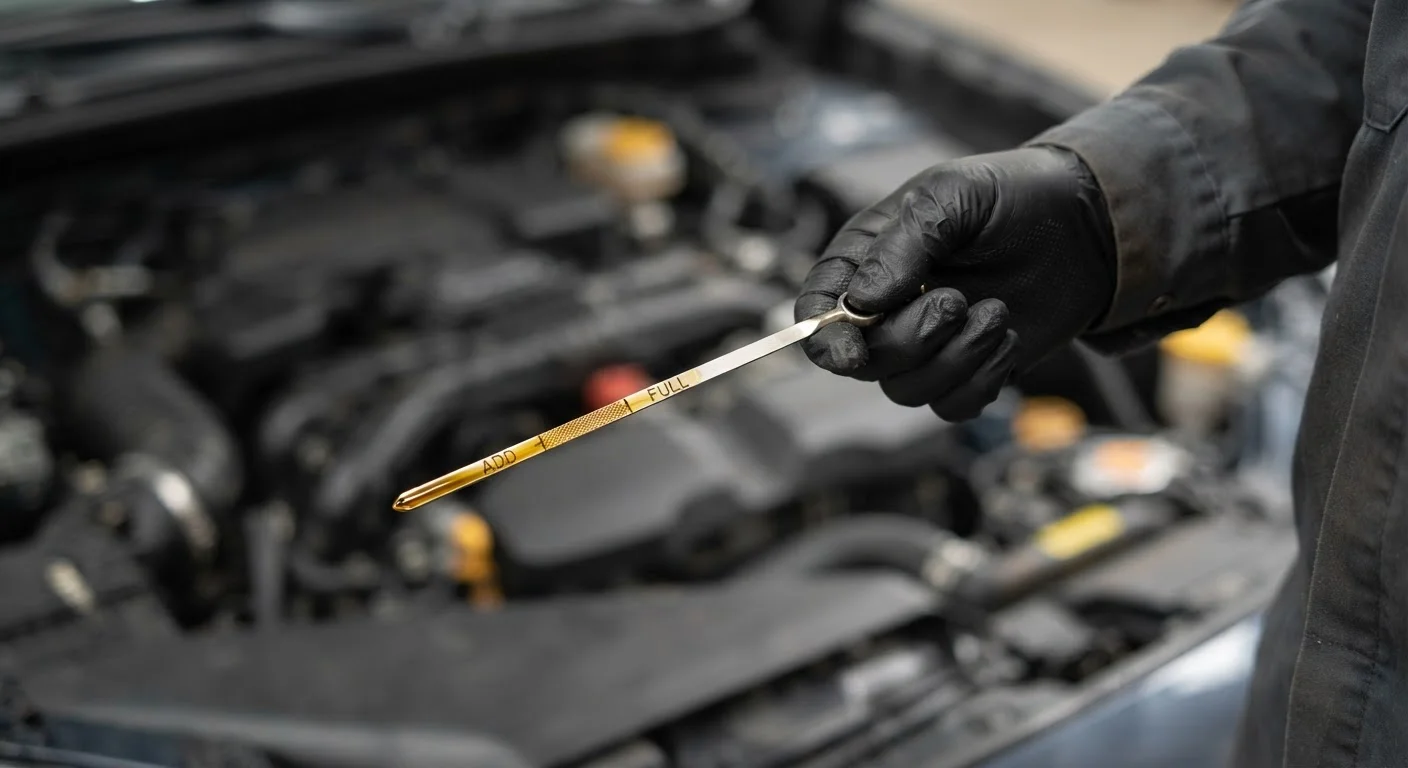
A more meaningful check is the oil's level and consistency. Rub a small drop between your fingers - if it feels gritty, that's a stronger signal of degradation than color. For used synthetic oil especially, dark color is entirely normal well before the change interval is reached. Use the dipstick regularly to monitor level, and rely on mileage, the manufacturer's schedule, or an oil life monitor to time your changes.
Myth
You can use any oil grade that fits - thicker oil gives better protection.
Fact
Using a viscosity grade different from your manufacturer's specification can reduce lubrication efficiency, particularly during cold starts, and may void your powertrain warranty.
Viscosity affects how quickly oil reaches critical components when you first start the engine. An oil that's too thick in cold conditions flows sluggishly, leaving parts momentarily dry. One that's too thin at operating temperature may not maintain the film needed to prevent metal-to-metal contact. The grade in your owner's manual was determined through engineering testing for your specific engine - treat it as a requirement, not a suggestion. For a deeper look at oil type differences, see our article on synthetic vs. conventional motor oil.
Myth
Switching from conventional to synthetic oil will cause leaks in an older engine.
Fact
Modern synthetic oils are compatible with the seals and gaskets found in the vast majority of current and recent vehicles; switching does not cause new leaks to develop.
This myth has roots in very early synthetic formulations that used chemical compositions somewhat incompatible with certain old seal materials. Modern synthetics are engineered to be seal-safe. If an older car develops an oil leak around the time of a switch, the leak almost certainly existed beforehand - the cleaner synthetic oil may simply make it more visible. If your vehicle has a genuine pre-existing seal issue, address that separately with a qualified mechanic.
Myth
Oil change intervals in your owner's manual are set conservatively by manufacturers just to protect themselves legally.
Fact
Manufacturer intervals are determined through engineering and durability testing designed to protect your engine under normal operating conditions - they are not arbitrary legal cushions.
Some drivers assume they should change oil more frequently than the manual states, believing the official recommendation is too generous. In practice, extending your change interval well beyond the manual's guidance carries real risk, while cutting it short offers no measurable benefit. If you drive under conditions the manual defines as "severe" - such as frequent short trips under 5 miles, dusty environments, or consistent towing - your manual will typically specify a shorter interval for those conditions specifically.
Myth
You never need to check the oil level between changes if you're on schedule.
Fact
All engines can consume or lose small amounts of oil between changes; going several months without a level check risks running low without warning.
Oil consumption varies by engine design, age, and driving style. A car might be well within its change interval yet still have dropped to a low-oil condition due to minor consumption or a slow leak. Running an engine with insufficient oil - even briefly - causes disproportionate wear. A monthly dipstick check takes under two minutes and is the most direct way to confirm your engine is properly protected between service visits.
What Good Oil Maintenance Actually Looks Like
Once you've replaced the myths with facts, a practical routine becomes straightforward. Check your oil level roughly once a month - pull the dipstick, wipe it clean, reinsert it fully, then withdraw it again to read the level. Low oil is a more urgent concern than slightly dark oil. Top up with the grade specified in your owner's manual if the level is near or below the minimum marker.
5,000-10,000 mi
Typical modern synthetic oil change interval
Many vehicle manufacturers specify this range for full synthetic oil under normal driving conditions; check your owner's manual for the figure that applies to your car.
$4,000+
Potential engine repair cost from chronic oil neglect
Severe engine damage caused by inadequate lubrication - such as a spun bearing or seized components - routinely costs thousands of dollars in parts and labor.
~2 min
Time needed for a monthly dipstick check
A brief monthly oil level inspection is one of the lowest-effort, highest-impact maintenance habits a driver can develop.
For your change intervals, follow the manufacturer's schedule or the oil life monitor if your car has one. Drivers who log a lot of short trips, tow loads, or operate in extreme heat or cold may fall into a "severe service" category - check your owner's manual for that definition, as it typically calls for more frequent changes. You can find a plain-language breakdown of exactly how to track service items in our car maintenance overview for new drivers.
Finally, remember that oil isn't the only fluid your engine depends on. Coolant, brake fluid, and others have their own service lives. See our guide to car fluids at a glance to get the full picture. Staying on top of all these basics is one of the most reliable ways to keep ownership costs down - a theme explored further in our article on sensible habits for keeping running costs down.
Never Ignore a Low Oil Warning Light
If your dashboard illuminates an oil pressure or low oil warning, stop driving as soon as it is safe to do so - do not assume you can make it to the next service station. Running an engine with critically low oil pressure can cause irreversible damage within minutes. Check the level immediately with the dipstick and add the correct grade of oil to bring it within the safe range. If the light returns after topping up, have the vehicle inspected by a qualified mechanic before driving further.
This article provides general educational information about engine oil maintenance and is not a substitute for the specific guidance in your vehicle's owner's manual. Consult a qualified mechanic for advice tailored to your car's condition and driving situation.