Why Seasonal Checks Matter More Than You Think
Most new car owners assume their vehicle will handle changing seasons without much input. In reality, the shift from summer heat to winter cold - and back again - places real stress on your battery, tyres, fluids, and brakes in ways that compound quietly over time. Catching a weakening battery in October costs far less than a dead battery and a tow truck in January.
This checklist is designed to be run twice a year: once before temperatures drop significantly (typically late September through October in most US regions), and once before summer heat peaks (late April through May). It's separate from your regular oil change schedule - think of it as a health audit triggered by the calendar, not the odometer.
If you want to understand how everyday habits also affect vehicle wear, see our article on habits that quietly wear out your car - many of them are amplified by seasonal extremes.
Tyre pressure gauge
Used to measure tyre inflation accurately - digital or dial gauges are more precise than the stick-type included with some pumps.
Penny (for tread depth test)
A simple, no-cost method for checking whether tyre tread depth is still within a safe range.
Owner's manual
Contains your vehicle's recommended fluid types, tyre pressure specs, and service intervals - the authoritative reference for your specific car.
Flashlight or phone torch
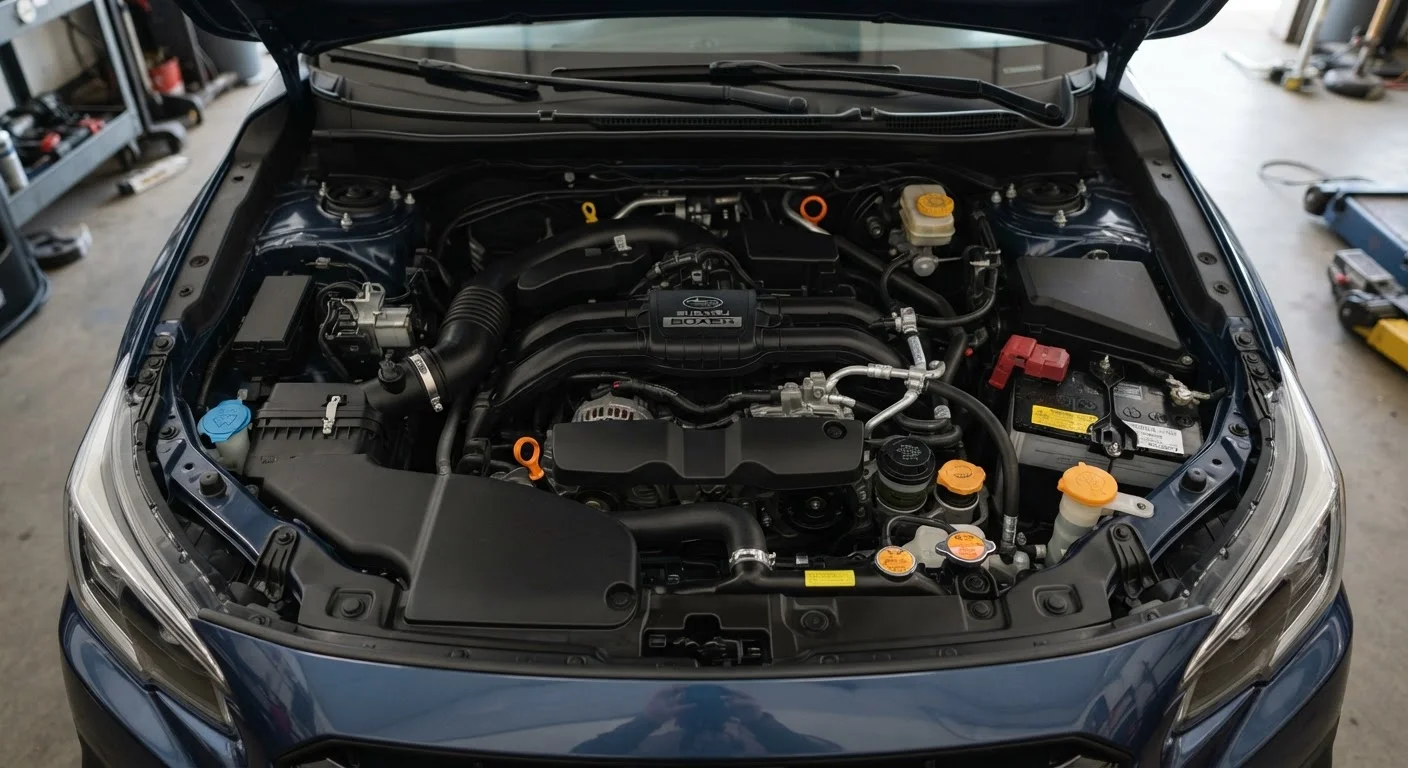
Helps you inspect dark areas under the hood, around tyres, and inside the engine bay with enough visibility to spot problems.
Clean rag or paper towels
Used to wipe dipsticks when checking oil level and to clean battery terminals safely.
The Seasonal Checklist: Items to Inspect
Work through the groups below in order. Items marked must are non-negotiable for safety; should items are strongly recommended; nice to have items add an extra layer of protection. For any check you're unsure about, consult a qualified mechanic rather than guessing.
Battery & Electrical
Tyres
Fluids
Wipers & Visibility
Brakes
Belts, Hoses & Air Filter
Emergency Kit
Don't Check Brakes or Belts Yourself If Unsure
Brake inspections and serpentine belt replacements involve safety-critical components that require proper training and tools. If you notice warning signs - grinding noises, a spongy brake pedal, or visible belt fraying - have a qualified mechanic assess them before driving further. Attempting repairs you're unfamiliar with can cause greater damage or create a safety hazard on the road.
After completing these checks, it's also worth reading up on how to read road conditions in rain, ice, and fog - mechanical readiness and driving technique work together.
What to Do If You Find a Problem
Finding something out of spec during a seasonal check is a success, not a failure - you've caught it before it fails on the road. Here's a simple triage approach:
- Tyre pressure low: Add air to the manufacturer-recommended PSI (found on the sticker inside your driver's door jamb, not the tyre sidewall). Check again after driving when tyres are cold.
- Fluid levels low: Top up with the correct fluid type specified in your owner's manual. If you're unsure which fluids your car uses, our fluids guide breaks down every reservoir under the hood.
- Battery showing weakness or corrosion: Have it load-tested at an auto shop - this service is typically free and takes minutes.
- Worn wipers or a cracked belt: These are straightforward replacements but ensure you buy the correct size for your specific vehicle year and model.
- Brake concerns: Do not attempt DIY brake repairs without proper training. Have a licensed mechanic inspect them promptly.
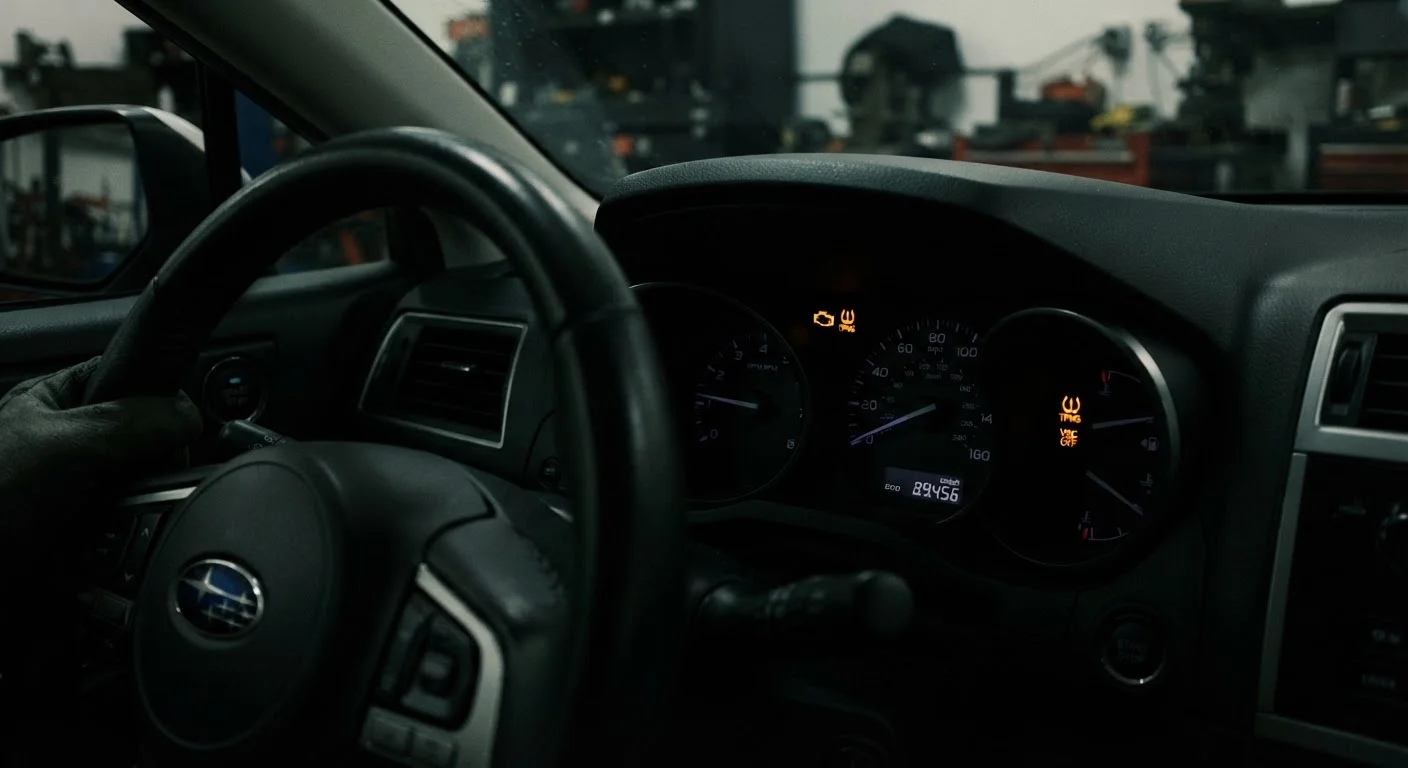
If a dashboard warning light appears during or after your checks, don't ignore it. Our guide on what dashboard warning lights mean explains which symbols require immediate action and which can wait until your next scheduled service.
Never Ignore Overheating or Brake Warning Lights
If your temperature gauge spikes into the red zone or a brake warning light appears on your dashboard, stop driving as soon as it is safe to do so. Continuing to drive an overheating engine can cause irreversible damage costing thousands of dollars. Driving with compromised brakes puts you and others at serious risk. In both cases, have the vehicle towed to a mechanic rather than pushing it further.
Running a seasonal check before any major trip also pairs well with a full pre-road trip checklist, which covers additional travel-specific items like emergency kit contents and fuel planning.