Why Warning Lights Exist (and Why You Shouldn't Ignore Them)
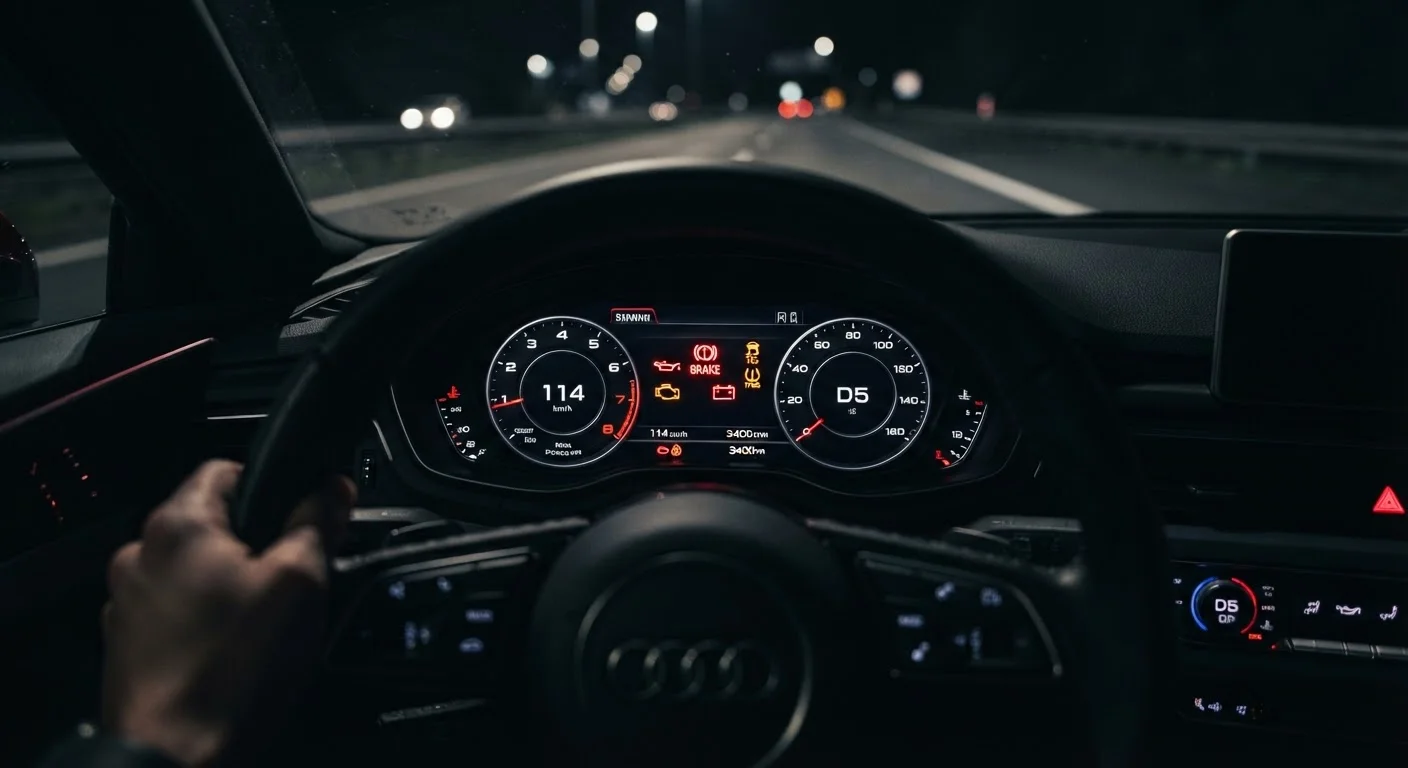
Modern vehicles are equipped with onboard diagnostic systems that continuously monitor dozens of sensors - from engine temperature to brake fluid levels. When something falls outside a normal range, the system triggers a warning light on your instrument cluster. Think of these lights as your car sending you a text message: some are urgent, others are reminders, and a few just need a quick check.
The color of a light is your first clue about urgency. Red lights signal a serious, potentially dangerous condition - pull over safely if possible and address it immediately. Amber or yellow lights indicate a less critical issue that still needs attention soon, typically within days. Green or blue lights are informational, confirming that a system (like your high beams) is active. Understanding this color hierarchy alone can help you avoid panic - and avoid dangerously ignoring something real.
For a broader picture of how warning lights fit into routine upkeep, see our plain-language maintenance overview.
| Number of warning lights (typical modern vehicle) | 50-200+ possible indicators (Varies by make, model, and trim level) |
| Red light urgency | Stop or act immediately (Standard automotive color-coding convention) |
| Amber/yellow light urgency | Service needed soon (within days) (Standard automotive color-coding convention) |
| TPMS requirement (US) | Mandatory on all new passenger vehicles since 2008 (TREAD Act, US federal regulation) |
| OBD-II standard introduced | Required on all US cars from 1996 (US Environmental Protection Agency (EPA) regulation) |
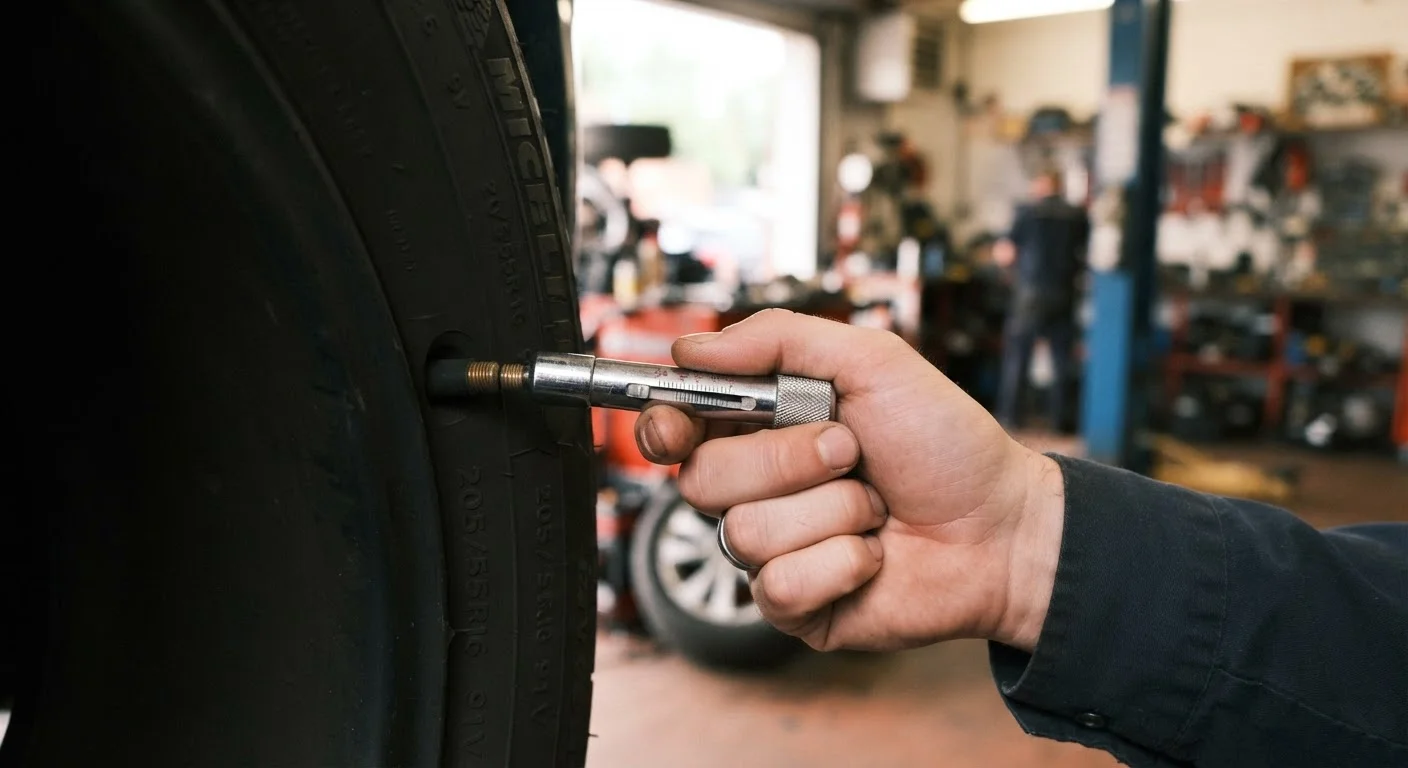
| Correct tyre pressure location | Driver's door jamb sticker (not the tyre sidewall) (Vehicle manufacturer specification) |
The Most Common Warning Lights Decoded
Here are the lights new drivers encounter most often, and what each one actually means:
- Check Engine (amber engine outline): One of the most misunderstood lights. It can range from a loose gas cap to a misfiring cylinder. A steady light means schedule a diagnostic scan soon; a flashing check engine light means pull over and call for service - it signals active engine misfiring that can damage your catalytic converter.
- Oil Pressure (red oil can): This is a stop-immediately light. Low oil pressure can cause irreversible engine damage within minutes. Pull over safely, turn off the engine, and check the oil level. Do not continue driving.
- Battery (red battery outline): Your charging system isn't maintaining voltage. This could be a failing alternator, a dying battery, or a loose connection. The car may keep running temporarily on battery power alone - head to a mechanic promptly rather than risking a roadside breakdown.
- Coolant Temperature (red thermometer in waves): Your engine is overheating. Pull over, turn off the engine, and let it cool before checking the coolant reservoir. Never open the radiator cap while the engine is hot.
- Tyre Pressure (TPMS - amber exclamation in a U-shape): One or more tyres are significantly under- or over-inflated. Check pressures at a gas station and inflate to the figure listed on your door jamb sticker - not the number on the tyre sidewall. Our guide on checking tyre pressure correctly explains exactly where to find the right PSI. Also read up on common tyre myths that may be costing you safety.
- Brake Warning (red circle with exclamation or "BRAKE"): Could mean your parking brake is engaged, brake fluid is low, or there's a fault in the braking system. Release the parking brake first; if the light stays on, have your brakes inspected immediately.
- ABS (amber "ABS" in a circle): The Anti-lock Braking System has a fault. Your regular brakes still work, but the ABS - which prevents wheel lock during hard braking - may not engage. Schedule a repair; don't defer it.
Onboard Diagnostics (OBD)
A standardized system built into most vehicles since 1996 that monitors engine and emissions components. When a sensor detects a problem, OBD logs a fault code and triggers a warning light. Mechanics use an OBD scanner to read these codes.
TPMS
Tyre Pressure Monitoring System - sensors inside each wheel that alert you when tyre pressure drops significantly below the recommended level. Required on all new US passenger vehicles since 2008.
Catalytic Converter
An emissions control device in your exhaust system that converts harmful combustion gases into less toxic compounds. Engine misfires can overheat and permanently damage it, making repairs expensive.
ABS (Anti-lock Braking System)
A safety feature that rapidly pulses the brakes during hard stops to prevent wheels from locking up and skidding. This allows the driver to maintain steering control while braking hard.
Alternator
A generator driven by the engine that recharges the battery while the car is running. A failing alternator means the battery drains even while driving, eventually causing the engine to stall.
Coolant (Antifreeze)
A fluid that circulates through the engine to regulate its temperature - preventing both overheating and freezing. Low coolant levels or leaks can cause rapid and severe engine damage.
When to Drive On vs. When to Stop Immediately
Not every warning light requires you to pull over on the spot, but knowing the line between "schedule a visit" and "stop now" matters enormously for your safety.
Stop immediately and call for help: Oil pressure warning, coolant temperature in the red, a flashing check engine light, or any brake system warning that persists after releasing the parking brake.
Drive cautiously to a mechanic within 1-2 days: Steady (non-flashing) check engine light, battery warning, ABS light, or a TPMS alert (after confirming tyres aren't dangerously flat).
Monitor and schedule at your next convenience: Service interval reminders (a wrench icon or mileage counter), washer fluid low, or door ajar indicators.
A useful habit: keep a small notebook or use a phone note to log when a light appears, under what conditions, and how long it stays on. This information is genuinely helpful to a mechanic during diagnosis. Before seasonal driving changes - which stress batteries and fluids differently - a proactive check pays off. Our seasonal car check guide walks through what to look for before winter and summer.
This article is for general informational purposes only. Always consult a qualified mechanic for diagnosis and repair of any vehicle warning light.