Why Tyre Myths Are a Safety Problem
Tyres are the only part of your car that actually touches the road. Yet they are also the component most new drivers understand least. Widespread misconceptions about pressure, tread, and tyre age lead people to drive on tyres that are unsafe - often without realising it.
This article corrects the most persistent myths so you can make genuinely informed decisions. For a deeper look at how tyre condition connects to braking, see our guide to stopping distance.
Myth
The number on the tyre sidewall tells me the correct inflation pressure for my car.
Fact
That number is the maximum pressure the tyre can safely hold - not the recommended operating pressure for your vehicle.
The figure moulded into the sidewall (often something like "Max. Press. 51 PSI") is a structural limit set by the tyre manufacturer, not a driving recommendation. Inflating to that number can make your tyres overinflated for your specific vehicle, reducing the contact patch with the road and making handling unpredictable.
The correct pressure for your car is found on a sticker inside the driver's door jamb or in your owner's manual. It accounts for your vehicle's weight distribution and is typically well below the sidewall maximum.
Myth
As long as my tyres look fine and aren't flat, they're safe to drive on.
Fact
Tyres age from the inside out. A tyre can have adequate-looking tread but still be dangerously degraded due to age, heat exposure, or slow leaks.
Rubber compounds break down over time through a process called oxidation, regardless of mileage. Micro-cracks can form in the tyre's internal structure before they are visible on the surface. Heat, UV exposure, and even storage conditions accelerate this process.
Most tyre manufacturers and safety organizations recommend having tyres inspected by a professional once they reach six years of age, and replacing them by ten years - even if they appear undamaged and have tread remaining. Check the four-digit DOT date code on your sidewall to find out when your tyres were manufactured.
Myth
The penny test is the best way to check if my tread is still safe.
Fact
The penny test only tells you when your tyres are already at a legally marginal level - not when they become genuinely unsafe in adverse conditions.
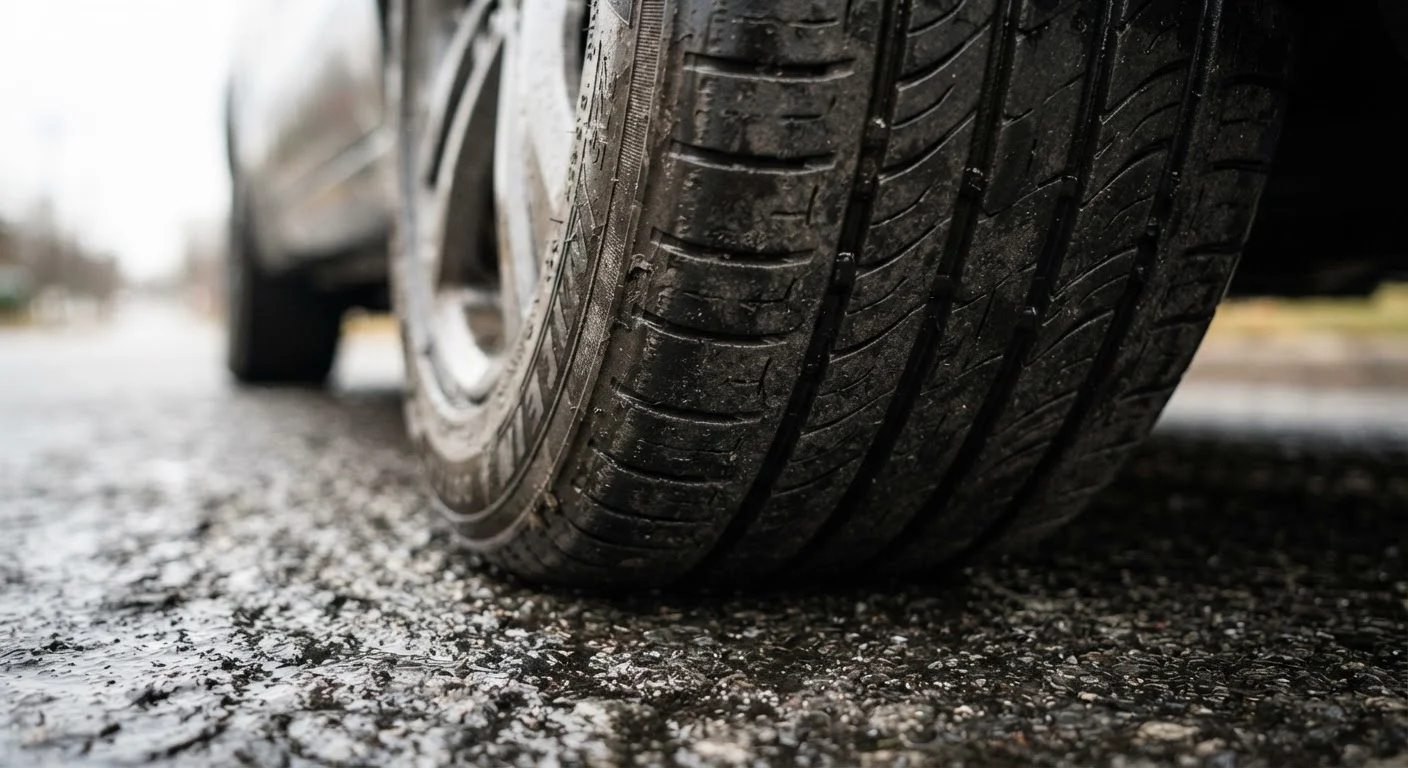
The penny test - inserting a penny into the tread groove to see if Lincoln's head is fully visible - identifies tyres at roughly 2/32 of an inch of tread depth, which is the legal minimum in most US states. But research from safety organizations suggests that braking performance, particularly on wet roads, begins to degrade noticeably well before that point, around 4/32 of an inch.
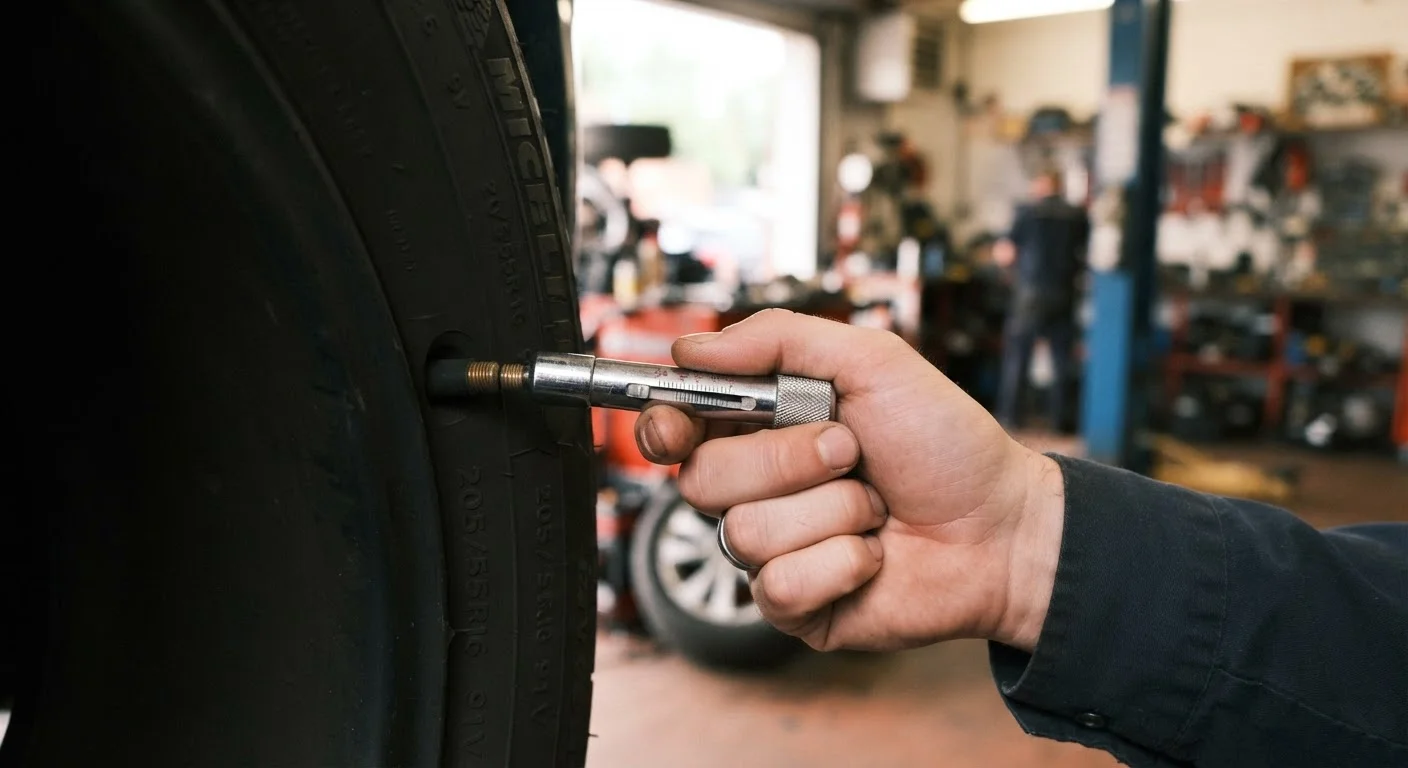
A dedicated tread-depth gauge costs very little and gives you an actual measurement. If you drive in rain regularly, consider replacing tyres closer to 4/32 rather than waiting until 2/32.
Myth
Slightly underinflated tyres give better grip because more rubber contacts the road.
Fact
Underinflation distorts the tyre's shape, reduces steering precision, increases heat buildup, and can lead to tyre failure - it does not meaningfully improve grip.
A properly inflated tyre is engineered to make optimal contact with the road in a specific shape. When underinflated, the sidewalls flex excessively, generating heat that accelerates internal wear and raises the risk of a blowout at highway speeds. Handling and braking become less predictable, not better.
Underinflated tyres also reduce fuel efficiency and cause uneven tread wear along the outer edges. Maintaining the correct pressure - checked when the tyre is cold - is one of the simplest and most effective things you can do for both safety and tyre longevity.
Myth
All-season tyres mean I don't need to do anything special for winter driving.
Fact
All-season tyres are a compromise designed for mild year-round conditions - they perform significantly worse than dedicated winter tyres once temperatures drop below about 45°F or in heavy snow and ice.
The rubber compound in all-season tyres is formulated to work across a broad temperature range, but it hardens noticeably in cold weather, reducing the tyre's ability to conform to road surface irregularities. Dedicated winter tyres use softer compounds and distinct tread patterns - including sipes (small cuts in the tread blocks) - that maintain flexibility and channel slush and snow more effectively.
If you live in a region with regular snowfall, black ice, or sustained freezing temperatures, winter tyres on all four wheels provide a meaningful safety advantage that all-season tyres cannot replicate.
What to Actually Check - and How Often
Correcting these myths only helps if you put that knowledge into practice. Here is what a basic tyre check should cover:
- Pressure: Check cold pressure monthly and before long trips. Find the correct PSI on the sticker inside your driver's door jamb - not the sidewall. Our tyre pressure guide explains exactly how to do this.
- Tread depth: Use a tread-depth gauge (under $5 at most auto parts stores) rather than improvised coin tests. Replace tyres at or before 2/32 of an inch - and consider replacing them earlier in wet climates.
- Age: Check the DOT code on the sidewall. The last four digits indicate the week and year of manufacture. Tyres older than six years warrant a professional inspection regardless of appearance.
- Visual damage: Look for cracking, bulges, or embedded objects. Any of these warrant immediate professional evaluation.
Never Ignore a Tyre Pressure Warning Light
A TPMS warning light means at least one tyre is already measurably underinflated. Do not assume the sensor is malfunctioning. Check all four tyres with a gauge as soon as it is safe to do so. Driving on significantly underinflated tyres - especially at highway speeds - raises the risk of sudden tyre failure.
For a fuller picture of how small habits affect your vehicle over time, see our article on habits that quietly wear out a car. And if your tyre pressure warning light has appeared on your dashboard, this dashboard warning lights guide explains what to do next.