
How Everyday Habits Add Up
Most car problems don't start with a dramatic failure. They develop gradually - the result of small, repeated habits that each seem harmless in isolation. For first-time owners especially, it's easy to mistake "the car still works" for "the car is fine." The two are not the same.
The habits below are common among everyday drivers, often invisible in the short term, and collectively responsible for a significant share of premature mechanical wear. Recognising them early is one of the most cost-effective things you can do as a new car owner. For a broader look at how deferred attention compounds costs, see why ignoring small car problems usually makes them bigger.
Braking hard as a default, not a last resort
Frequent, aggressive braking wears brake pads and rotors far faster than gradual deceleration. Brake pads typically last between 25,000 and 65,000 miles under normal use - but hard-braking habits can compress that range significantly. Beyond the components themselves, repeated heavy braking generates excess heat, which accelerates rotor warping over time.
The fix is straightforward: increase your following distance and ease off the accelerator earlier when approaching stops. This is sometimes called anticipatory driving, and it reduces the mechanical load on your braking system while also improving fuel economy. For a fuller breakdown of what's happening each time you stop, see how your car's braking system actually works.
Anticipatory driving reduces brake wear and fuel costs at the same time.
Running the fuel tank consistently low
Most modern vehicles use an electric fuel pump submerged in the fuel tank. Fuel acts as both a coolant and a lubricant for this pump. When you regularly drive on a near-empty tank, the pump draws in air or sediment from the tank's bottom instead of clean fuel - which can cause it to overheat and wear prematurely.
Fuel pump replacements typically run between $400 and $900 including labor, making this one of the more expensive consequences of a habit that seems trivially inconvenient. A general guideline is to refuel before the gauge drops below one-quarter of a tank.
Fuel cools and lubricates the pump - running low repeatedly puts that component at risk.
Ignoring tyre pressure
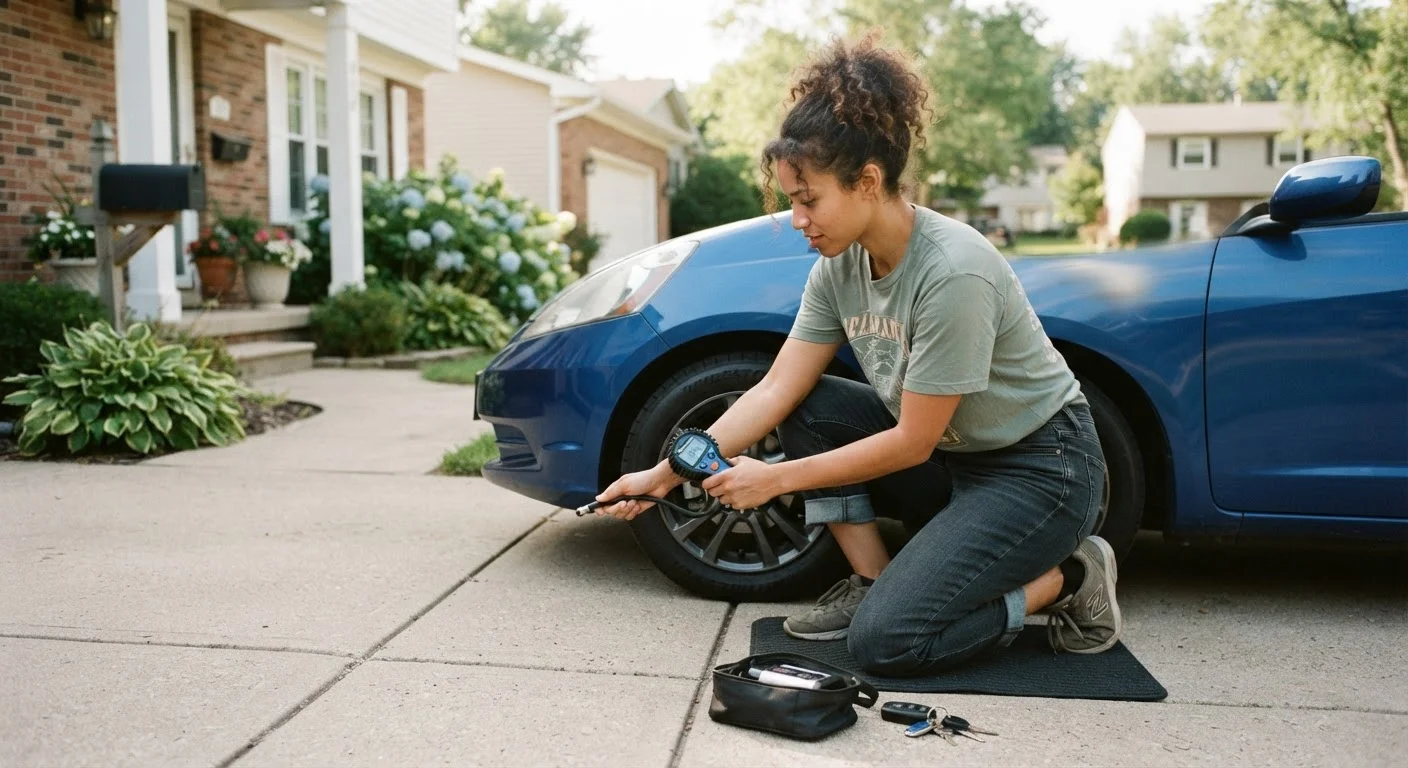
Tyres lose roughly 1 PSI per month under normal conditions, and temperature drops accelerate this further - for every 10°F decrease in ambient temperature, tyres lose approximately 1 PSI. Under-inflated tyres wear unevenly along the outer edges, reduce fuel efficiency, and compromise handling and stopping distance.
Over-inflation is equally problematic: it concentrates wear in the centre of the tread and makes the tyre more vulnerable to impact damage. Checking pressure monthly with an inexpensive gauge - and comparing it to the figure on the sticker inside your driver's door jamb, not the number printed on the tyre sidewall - takes under five minutes and can meaningfully extend tyre life. Common tyre misconceptions are worth understanding before you assume you know your tyres' ideal pressure.
Five minutes of monthly pressure checks can add thousands of miles to tyre life.
Skipping the brief warm-up in cold weather
Engine oil thickens in cold temperatures and takes a short period to fully circulate through the engine's components. Driving hard immediately after a cold start - before the oil has reached operating temperature - means metal parts are briefly running with less lubrication than they need. Over years of cold-weather starts, this contributes to accelerated engine wear.
Modern fuel-injected engines don't need the extended warm-ups that older carbureted engines required. However, allowing 30 to 60 seconds of idle time before pulling away - and avoiding high RPMs for the first few minutes of driving - is generally considered sound practice by automotive engineers.
A brief, gentle start in cold weather gives engine oil time to circulate properly.
Resting your hand on the gear selector
This is one of the least-known wear habits among new drivers. In manual transmission vehicles, the gear selector connects directly to the transmission's selector fork via a series of linkages. Resting your hand on the lever - even lightly - applies constant lateral pressure to the selector fork, causing it to press against a rotating collar called the synchronizer ring. Over time, this causes premature wear on components that are expensive to replace.
The habit feels natural, especially on long drives, but keeping your hand on the steering wheel between gear changes eliminates the problem entirely. Drivers of automatic vehicles don't face this specific issue, but resting a hand on the selector while in drive can still engage internal components unnecessarily.
Keeping your hand off the gear lever between shifts protects the transmission's internal components.
Accelerating aggressively from a standstill
Rapid acceleration stresses the drivetrain - the chain of components transferring power from your engine to the wheels, including the transmission, driveshaft, CV joints, and axles. It also burns significantly more fuel and increases tyre wear at the contact patch. This habit is especially wearing in front-wheel-drive vehicles, where all traction and steering loads fall on the same two tyres.
Smooth, progressive acceleration distributes mechanical load more evenly and is far gentler on every component in the power delivery chain. The hidden costs of aggressive driving covers both the safety and mechanical dimensions of this in more detail.
Smooth acceleration from a stop protects the entire drivetrain, not just your tyres.
Neglecting fluid levels between service intervals
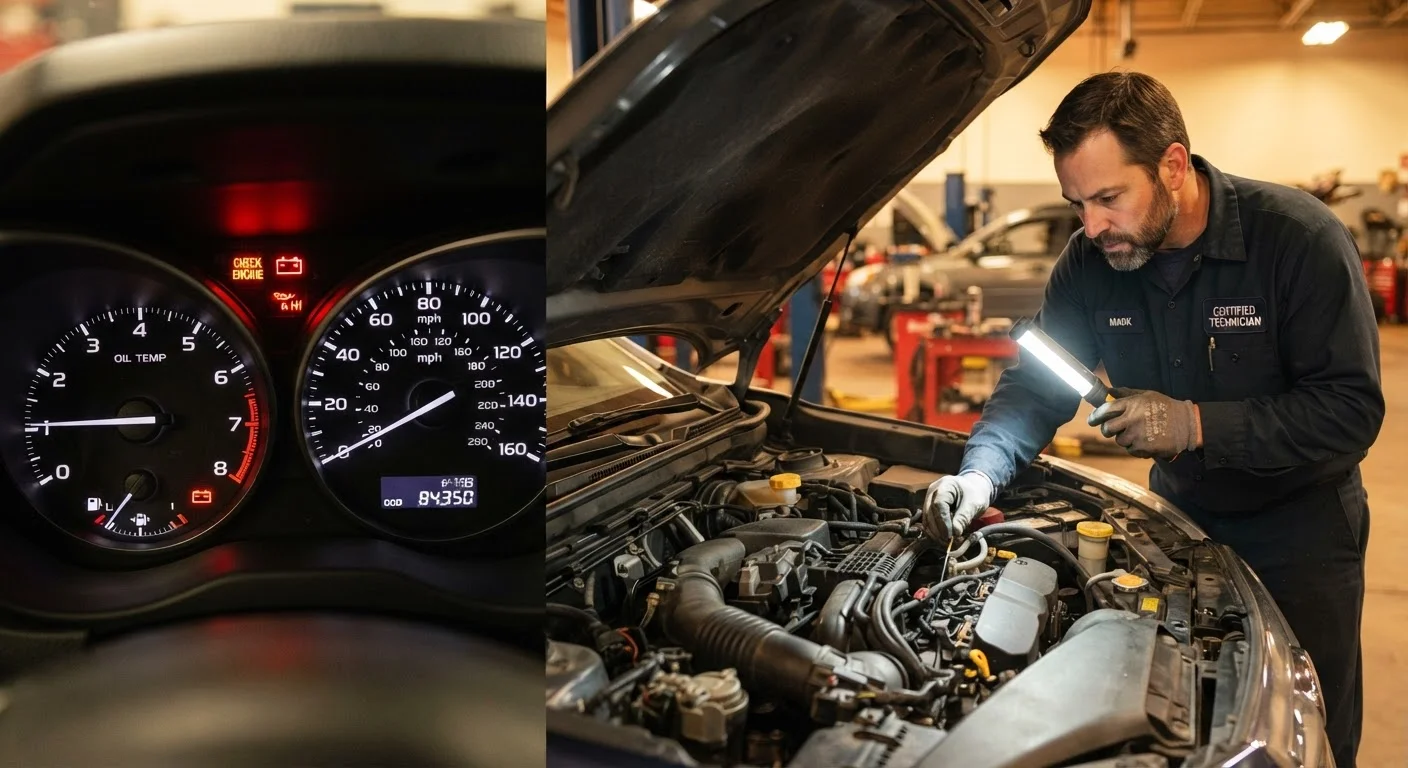
Engine oil, coolant, brake fluid, and power steering fluid all degrade and slowly diminish between scheduled services. Most manufacturers recommend checking oil at least once a month - not just at oil-change intervals. Low oil is one of the leading causes of premature engine wear, while low coolant can result in overheating that causes head gasket failure, a repair that can run $1,500 to $2,000 or more.
Checking these fluids takes a few minutes and requires nothing more than pulling a dipstick or looking at a reservoir level. Building it into a monthly routine - or pairing it with each time you fill up with fuel - prevents small shortfalls from becoming serious damage.
Monthly fluid checks cost nothing but minutes and prevent some of the most expensive repairs.
Building Better Habits Before Problems Start
None of these habits require expensive equipment or specialist knowledge to fix - they require awareness and small adjustments made consistently. A driver who brakes smoothly, keeps fluid levels topped, and glances at tyre pressure monthly will almost always spend less on repairs over three to five years than one who doesn't.
Make a Monthly Habit Loop
Pair your monthly tyre pressure check with a quick fluid level inspection - both take under ten minutes and are most accurate when the car has been parked for at least two hours. Setting a recurring calendar reminder removes the need to rely on memory. Consistent, low-effort attention like this is what separates drivers who catch problems early from those who pay for avoidable repairs.
If you want to translate these habits into concrete savings, sensible habits for everyday car ownership covers practical steps for reducing fuel, servicing, and wear costs without compromising safety. And for a seasonal perspective on when these checks matter most, the seasonal car check is a useful companion resource.