Tyres, fluids, lights, and more — a practical checklist to work through before heading out on any long journey.
Key Takeaways
Tyre pressure, tread depth, and fluid levels are the most critical pre-trip checks.
A working spare tyre and emergency kit can determine whether a breakdown becomes a crisis.
Lights, wipers, and mirrors should be verified the day before departure, not in the driveway.
Most pre-trip checks require no tools and take under an hour to complete.
Catching a small issue before you leave is far less disruptive than dealing with it on the road.
Why a Pre-Trip Check Is Worth the 30 Minutes
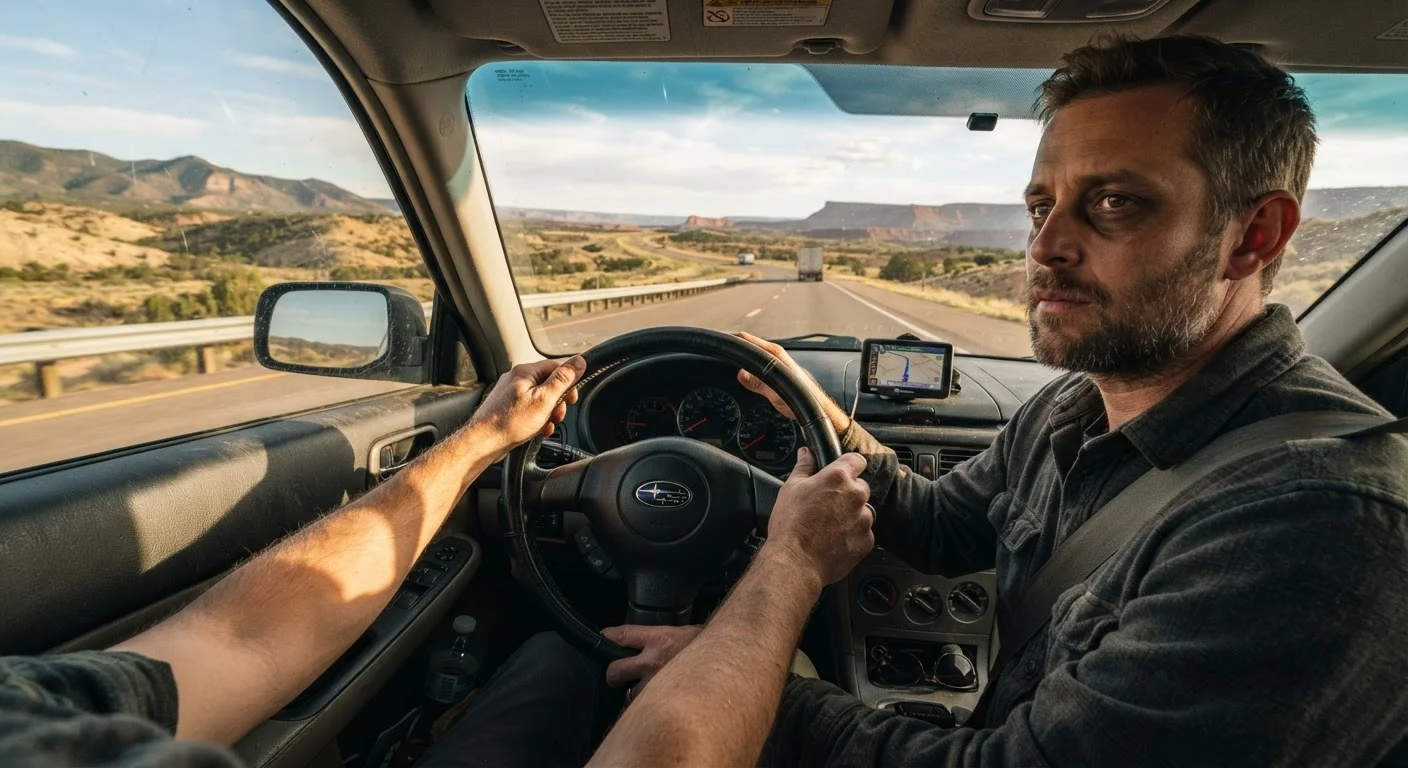
Long drives put your vehicle under sustained stress that short commutes never reveal. Tyres that hold fine around town can fail at highway speeds. Coolant levels that seem adequate may not handle hours of engine heat. A battery weakened by age may not restart at a gas station 200 miles from home.
The good news: most of the items on this checklist require no mechanical skill - just your eyes, your hands, and a little time. Working through it the day before you leave (rather than minutes before departure) means you have time to address anything unexpected.
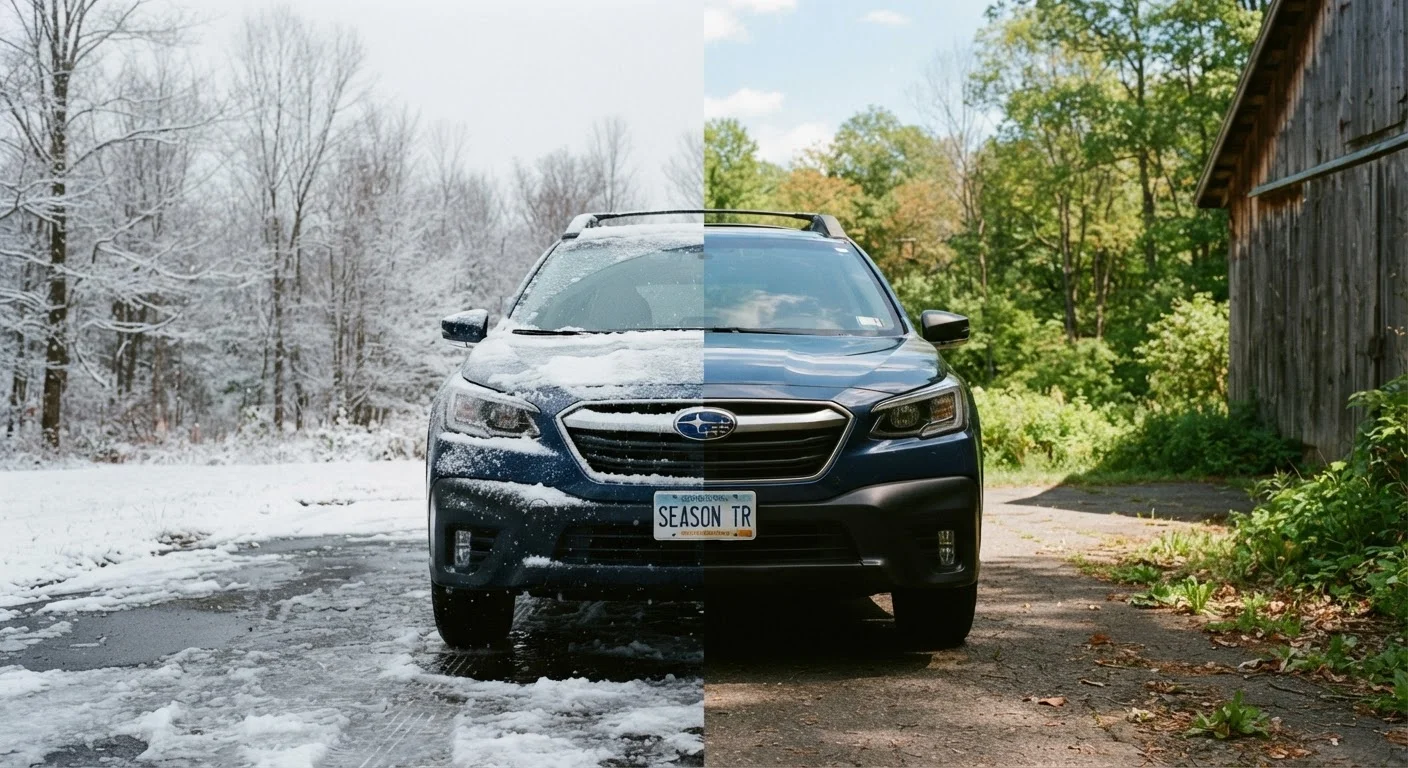
This checklist is designed for new and first-time vehicle owners who want a methodical, confidence-building process. If you're planning a seasonal trip, also consider running through the seasonal car inspection guide to cover weather-specific concerns like battery performance in cold temperatures and tyre pressure changes in heat.
Required
Tyre pressure gauge
Accurately measure PSI in all four tyres and the spare - eyeballing tyre pressure is unreliable.
Required
Penny (for tread check)
A quick, no-cost method to test whether tread depth is still within a safe threshold.
Required
Vehicle owner's manual
Locate fluid reservoirs, recommended PSI, and service intervals specific to your make and model.
Optional
Portable jump starter
Restart a dead battery without needing another vehicle - particularly useful on remote or overnight trips.
Optional
Flashlight or headlamp
Inspect the engine bay, tyres, and undercarriage in low-light conditions and during a roadside emergency.
The Full Pre-Road-Trip Checklist
Work through these groups in order. Each item is short enough to complete yourself; anything that raises concern should be seen by a qualified mechanic before you depart.
Tyres
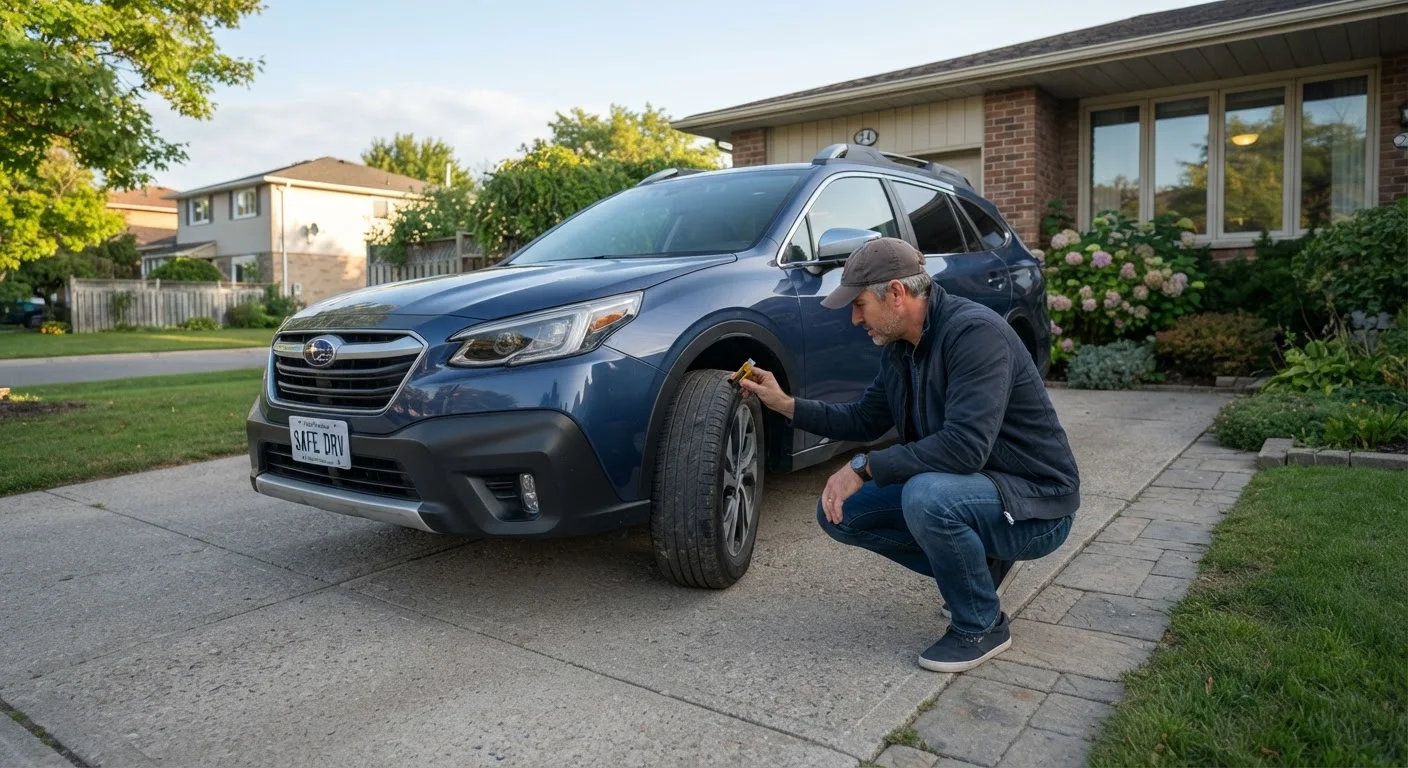
Check tyre pressure on all four tyres (including the spare) using a gauge and compare to the recommended PSI on the sticker inside your driver's door jamb - not the maximum printed on the tyre sidewall.Must
Inspect tread depth by placing a penny upside down in the tread groove; if you can see the top of Lincoln's head, the tyre is worn and should be replaced before a long trip.Must
Look around the entire tyre surface for cuts, bulges, or embedded objects like nails that could cause a blowout at speed.Must
Confirm the spare tyre is present, properly inflated, and that the jack and lug wrench are accessible in the boot.Must
Fluids
Check engine oil level using the dipstick with the engine cold; the oil should sit between the two marks and appear amber or light brown, not black and gritty.Must
Verify coolant (antifreeze) level is within the MIN and MAX markers on the translucent reservoir - never open the radiator cap on a warm engine.Must
Top up windshield washer fluid if it is below half, since a long drive will use it faster than city driving.Should
Inspect brake fluid level through the reservoir window on the master cylinder; a notably low level warrants professional inspection before departure.Must
Check power steering fluid if your vehicle has a hydraulic system - locate the reservoir under the hood using your owner's manual if unsure.Should
Lights and Visibility
Test all exterior lights - headlights (low and high beam), tail lights, brake lights, turn signals, and reverse lights - ideally with a second person to confirm brake and reverse lights illuminate.Must
Inspect wiper blades by running them on a wet windshield; replace any that streak, skip, or leave large dry patches.Must
Clean all windows inside and out, including mirrors, to reduce glare from oncoming headlights at night.Should
Under the Hood and Mechanical
Check that no warning lights are illuminated on your dashboard; if the check-engine, oil pressure, or battery light is on, have it diagnosed before a long trip.Must
Listen for any unusual noises when you start the engine cold - grinding, knocking, or squealing can indicate issues that worsen under sustained highway use.Must
Verify the drive belts visible in the engine bay show no obvious cracking, fraying, or glazing - a snapped belt can disable the engine entirely.Should
Emergency Preparedness
Pack a basic emergency kit including jumper cables (or a portable jump starter), reflective triangles or road flares, a flashlight, and basic first-aid supplies.Must
Confirm your vehicle registration and proof of insurance are in the car and current.Must
Download offline maps for your route in case you lose cell signal in rural or mountainous areas.Should
Carry a portable phone charger or ensure your car charger works so your navigation and emergency communication stays powered.Should
Pack water and non-perishable snacks for all passengers in case of a breakdown in a remote area.Nice to have
Brake Concerns Mean Stop, Don't Drive
If your brake pedal feels soft or spongy, your vehicle pulls to one side when braking, or you hear grinding when you apply the brakes, do not attempt a long trip. Brakes are the single most safety-critical system on your vehicle. Have them inspected by a qualified mechanic immediately. This is not a check-it-later item.
Before You Pull Out of the Driveway
Even after running through the mechanical checks, there are a few driver-side habits worth building before every long journey. Adjust your mirrors before you move - not while you're rolling. Confirm your phone is mounted and navigation is loaded so you're not fumbling with screens once you're in traffic.
This article provides general vehicle maintenance information for educational purposes. For any concern about your vehicle's safety or mechanical condition, consult a qualified mechanic before driving.
Car Ownership Editorial Team is the collective byline for our editorial team and contributor network. Articles published under this byline or an editorial pen name are researched, written, and reviewed according to our editorial standards for clarity, consistency, and independence before publication.
The content provided on our blog site traverses numerous categories, offering readers valuable and practical information. Readers can use the editorial team’s research and data to gain more insights into their topics of interest. However, they are requested not to treat the articles as conclusive. The website team cannot be held responsible for differences in data or inaccuracies found across other platforms. Please also note that the site might also miss out on various schemes and offers available that the readers may find more beneficial than the ones we cover.