Why Motorways Feel Different
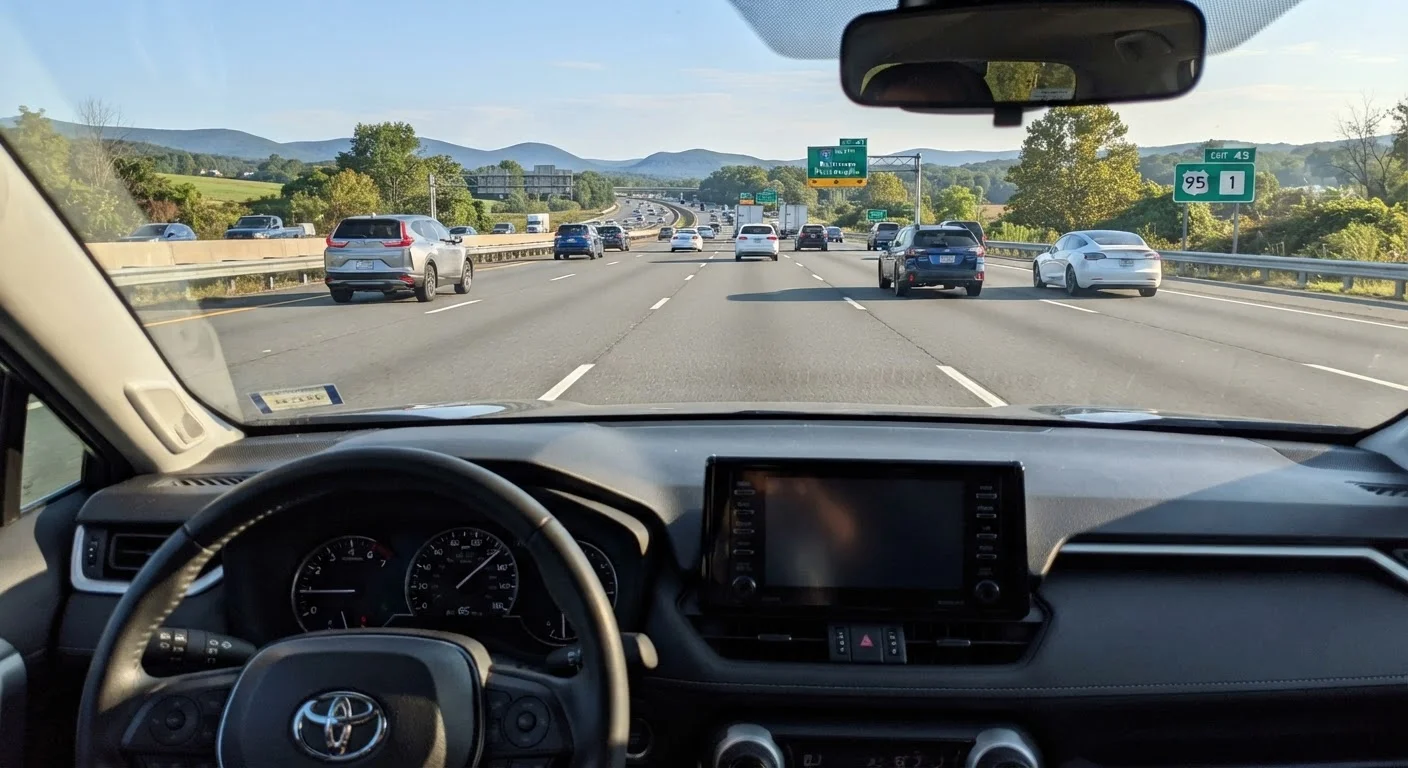
Most new drivers are surprised by how different a motorway feels compared to the roads they learned on. It is not just the speed - it is the combination of higher speeds, longer sight lines, heavier vehicles, and less margin for hesitation. Everything happens faster, and minor errors have greater consequences.
The good news: motorway driving is a skill set, not a talent. Understanding what is genuinely different allows you to prepare rather than panic. The core challenges are joining moving traffic smoothly, maintaining appropriate spacing, and staying mentally sharp over longer distances.
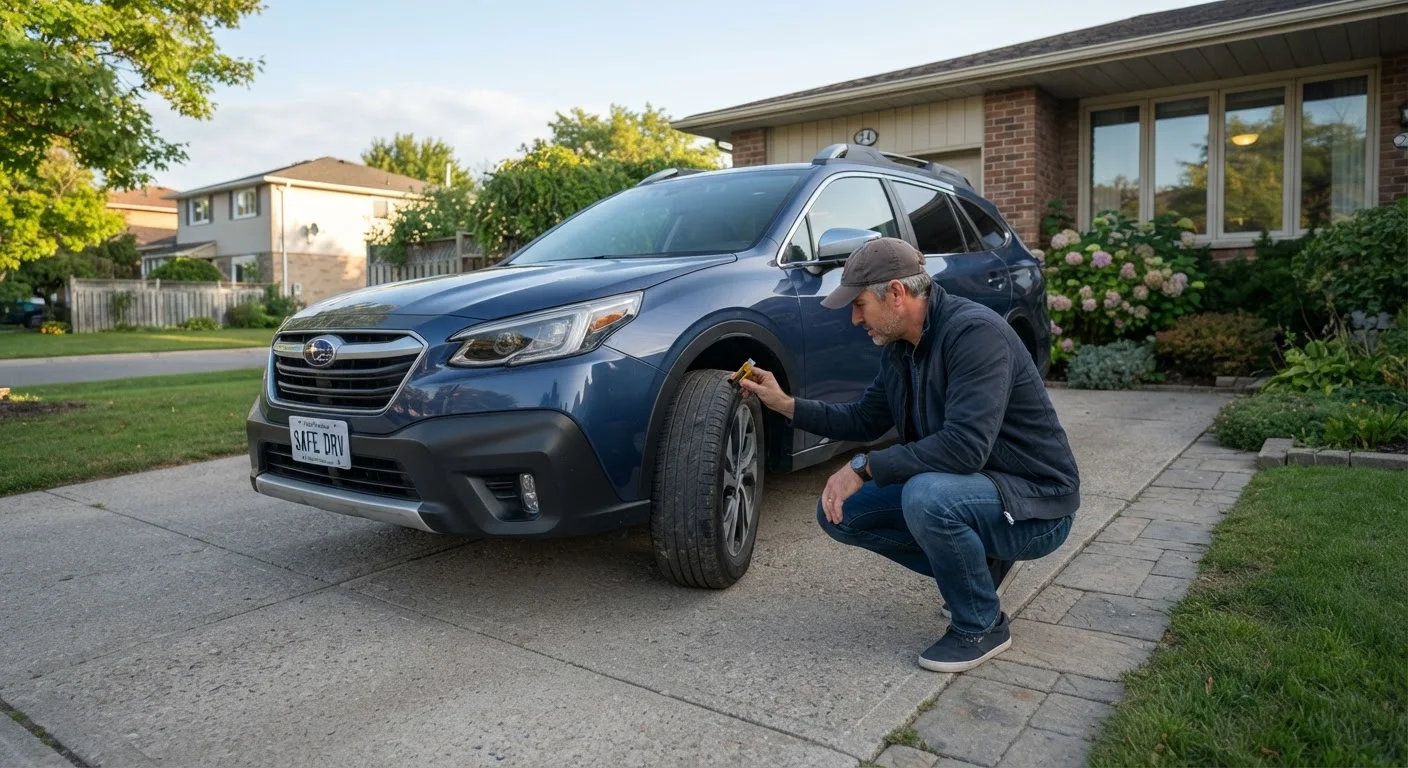
Before your first motorway trip, run through this pre-drive checklist to make sure your tyres, fluids, and lights are road-ready. A breakdown at 65 mph is significantly more hazardous than one on a side street.
Slip road / On-ramp
The short road that connects a regular road to a motorway or highway. You use it to build speed before merging with faster traffic.
Lane discipline
The practice of staying in the correct lane for your speed and only moving to an outer lane to overtake, then returning promptly.
Two-second rule
A simple method for judging following distance: you should pass any fixed point at least two seconds after the vehicle ahead does. Double this in poor conditions.
Highway hypnosis
A state of reduced alertness caused by the monotony of long stretches of motorway driving, where a driver may complete miles without full conscious awareness.
Stopping distance
The total distance your vehicle travels from the moment you perceive a hazard to the moment the car fully stops - including reaction time and braking distance combined.
Joining the Motorway: The Slip Road
The slip road - called an on-ramp in the US - is where most first-time motorway nerves peak. The instinct to slow down or stop at the end is understandable but dangerous. Your job on a slip road is to accelerate to match the speed of motorway traffic so you can merge without forcing other drivers to brake.
As you travel down the slip road, check your mirrors and signal early. Look for a gap in the left-hand lane (UK) or right-hand lane (US entry) that you can slot into smoothly. Give way to traffic already on the motorway - you do not have right of way - but use the full length of the slip road to build speed before that gap closes.
If the slip road is short or traffic is heavy, it may take a little patience. Experienced drivers on the motorway will often move over to give you room - but do not count on it. The key is early observation and steady acceleration, not a last-second dart across.
Practice at quieter times first
If possible, plan your first motorway trip for an early weekday morning or a Sunday, when traffic volumes are lower. This gives you more time and space to merge, settle into a lane, and build confidence without the pressure of rush-hour traffic. Even a short 15-minute motorway stretch in quiet conditions is a valuable first experience.
Lane Discipline and Overtaking
Lane discipline is one of the most misunderstood aspects of motorway driving for beginners. The rule is straightforward: keep to the leftmost (or rightmost in the US) lane unless you are overtaking. The outer lanes are not fast lanes to cruise in - they are overtaking lanes. Once you have passed a vehicle, move back.
When overtaking, check your mirrors well in advance, signal, move out smoothly, pass at a steady speed, check it is clear ahead and behind, signal left, and return. Avoid hovering alongside a vehicle - complete the manoeuvre cleanly.
A common mistake is matching speed with the car ahead in the middle lane and staying there. This forces faster traffic into unnecessary lane changes, which increases collision risk. Defensive driving is partly about reducing unpredictability for everyone around you - and consistent lane use is one of the most effective ways to do that.
Following Distances at Speed
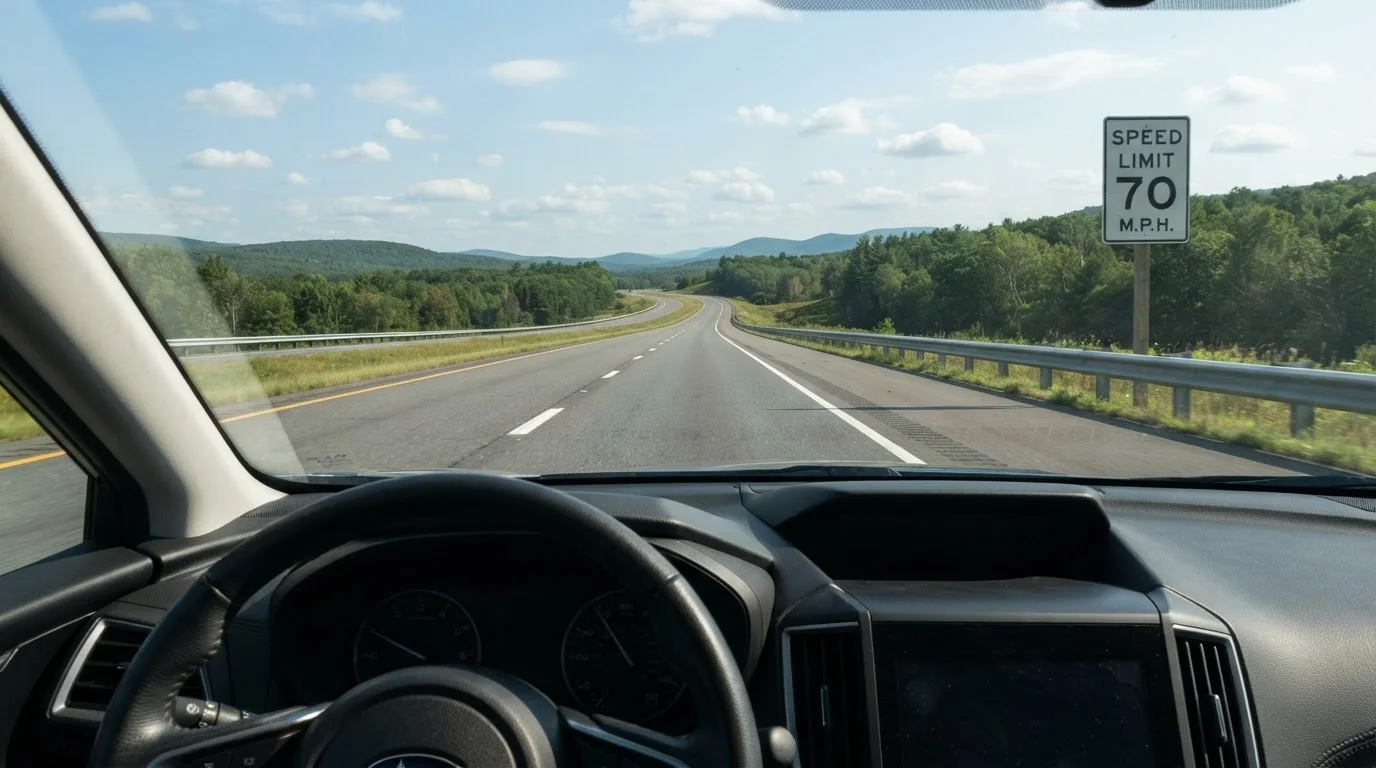
Stopping distances increase dramatically with speed. At 70 mph, your total stopping distance - reaction time plus braking distance - can exceed 315 feet (around 96 meters) under typical conditions. That is longer than a football field. Most new drivers severely underestimate this.
The two-second rule gives you a practical way to judge your gap: pick a fixed point on the road (a sign or bridge), and count two full seconds from when the car ahead passes it to when you do. In wet or icy conditions, double it. See the key figures every driver should know for a detailed breakdown.
One thing nobody warns new drivers about: gaps that feel uncomfortably large at first are usually exactly right. If a gap looks too big, you are probably at a safe distance. When a gap feels comfortable, it is often too small for the speed involved.
Tailgating is one of the leading causes of motorway collisions
Driving too close to the vehicle ahead removes your ability to react in time if they brake suddenly. At motorway speeds, even a brief distraction - glancing at a sign, adjusting the radio - combined with an insufficient gap can make a rear-end collision unavoidable. If someone is tailgating you, do not speed up to appease them; maintain your safe speed and gap, and let them pass when it is safe.
Exiting Safely and Managing Fatigue
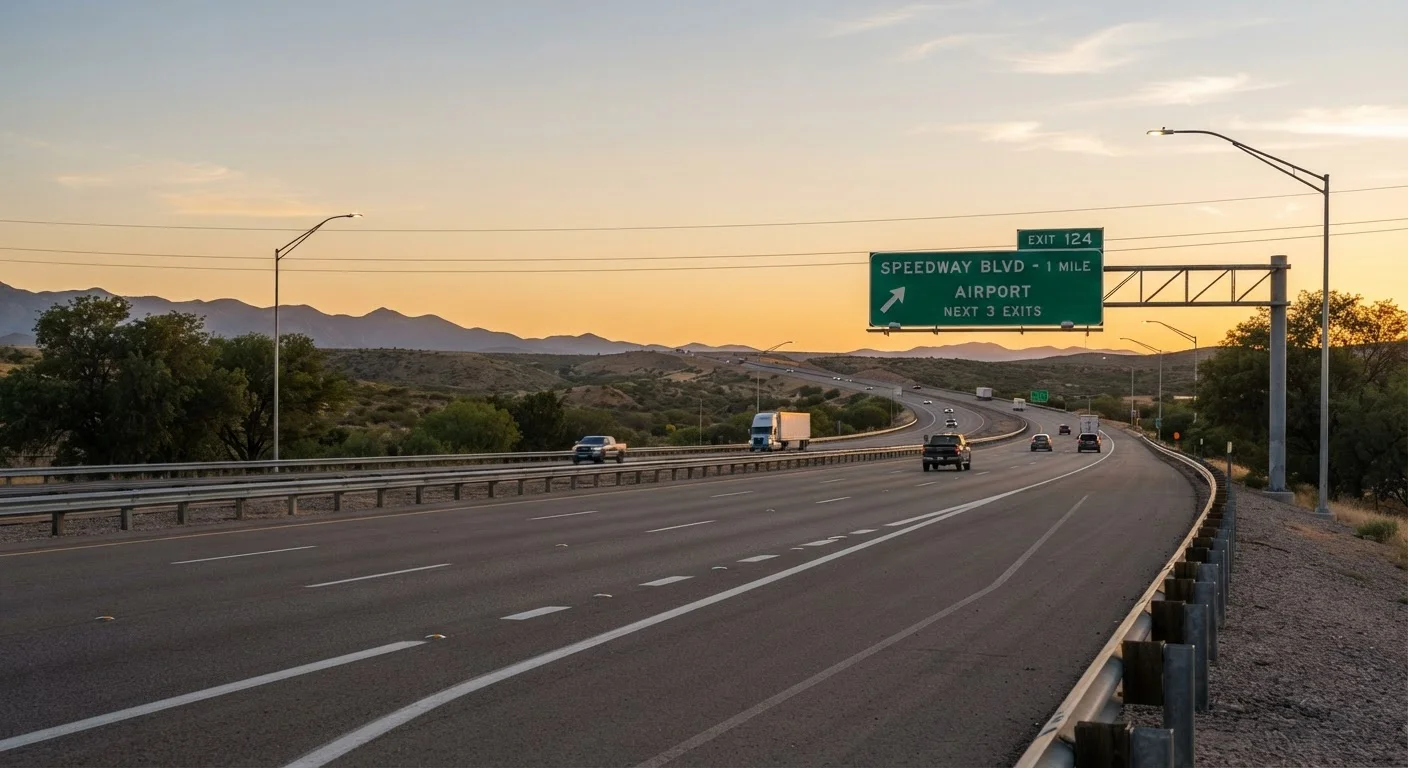
Exiting a motorway requires planning ahead. Look for countdown markers - three bars, then two, then one - that signal the approach to your exit. Move to the left lane early and signal in good time. Once on the slip road, you can begin to slow down gradually; the exit is designed to let you decelerate, so do not brake hard the moment you leave the motorway.
A subtle danger on exits: after sustained high-speed driving, 40 mph on a slip road feels deceptively slow. Glance at your speedometer rather than trusting your instincts - many drivers exit at 55-60 mph without realizing it.
Fatigue is the other factor new motorway drivers rarely anticipate. Highway hypnosis - a real phenomenon where the monotony of motorway driving reduces alertness - can set in within an hour. Plan a stop every two hours or roughly 100 miles, even if you feel fine. If your concentration wavers, exit at the next safe opportunity. No destination is worth the risk of driving impaired by tiredness. Check how weather conditions change the picture further when planning longer trips.