Why Mindset Matters More Than Reflexes
New drivers often assume that faster reflexes make safer drivers. Research consistently points the other way: the drivers who avoid accidents most reliably are those who rarely need their reflexes in the first place. They see potential hazards early enough to respond calmly - through steering, slowing gradually, or simply adjusting their position in a lane.
This is the core insight of defensive driving. It isn't a set of emergency maneuvers. It's a mental posture you maintain continuously - one that treats every drive as an information-gathering exercise. The goal is to never be surprised.
Distraction, emotional arousal, and overconfidence are the three mental states most associated with preventable crashes. A driver who is angry, tired, or mentally elsewhere doesn't process the road accurately, regardless of how many years they've been licensed. Recognizing your own state before you start driving is itself a defensive skill.
Check Your State Before You Drive
Before starting a trip - especially a long one - take 30 seconds to assess your own readiness. Are you tired, distracted, or emotionally agitated? These states affect your scanning ability and reaction quality just as meaningfully as alcohol. Building this brief self-check into your routine is one of the simplest and most effective defensive habits you can adopt.
The Core Habits: What Defensive Drivers Actually Do
Several concrete practices define defensive driving. Each one addresses a specific way that accidents tend to develop:
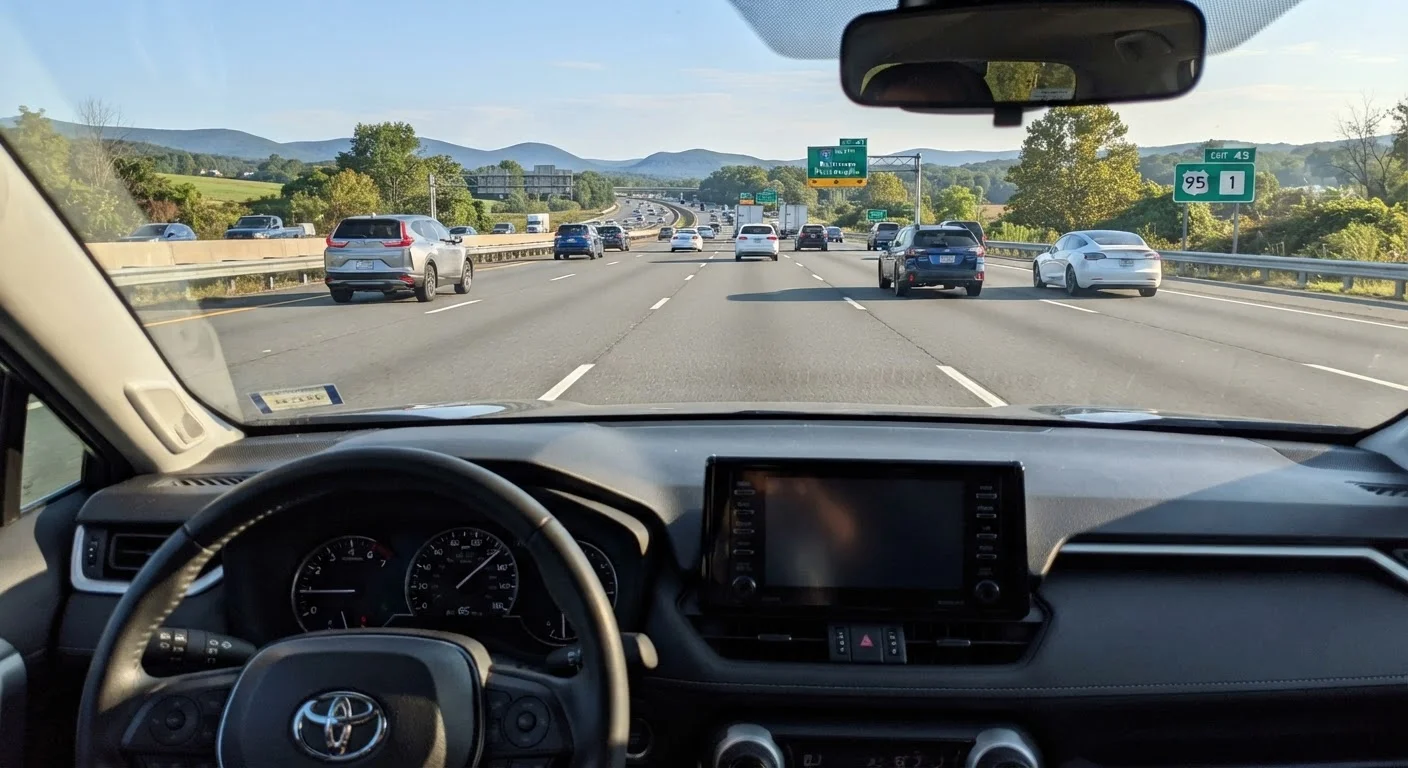
- Scan far ahead. Rather than watching only the bumper in front of you, look 10-15 seconds down the road. This gives you time to notice slowing traffic, merging vehicles, or road debris before you're reacting at close range.
- Maintain a following gap. The standard guidance is a minimum of 3 seconds between your front bumper and the vehicle ahead. In rain, fog, or at higher speeds, extend that to 4-6 seconds. Our article on stopping distances explains exactly why distance needs vary more than many drivers realize.
- Check mirrors every 5-8 seconds. Situational awareness isn't just forward-facing. Knowing what's beside and behind you means you always have an escape route if something unexpected happens ahead.
- Expect others to make mistakes. Defensive drivers assume that the car at the intersection might run the light, the merging vehicle might not check its blind spot, and the pedestrian might step out unexpectedly. Anticipating errors - without becoming paranoid - keeps you ready.
- Communicate clearly. Signal early, use headlights in low light, and position your vehicle so your intentions are unambiguous. Ambiguity is where accidents start.
For drivers preparing for higher-speed environments, our motorway driving guide covers how these habits adapt to fast-moving traffic.
94%
Crashes involving human error
According to a frequently cited analysis by the National Highway Traffic Safety Administration (NHTSA), the vast majority of crashes involve driver-related factors such as distraction, inattention, or misjudgment.
3 sec
Minimum recommended following gap
Safety organizations including the NSC recommend at least a 3-second following gap in normal conditions - a figure many drivers consistently underestimate in practice.
40%
Crashes occurring at intersections
NHTSA data indicates that approximately 40% of all US crashes occur at or near intersections, highlighting why defensive positioning at traffic signals matters disproportionately.
Managing Space: Your Most Underrated Safety Tool
Space is the resource that gives you time, and time is what converts a near-miss into a non-event. Defensive drivers think about space in three directions: ahead, beside, and behind.
Ahead is the most critical. If you can't stop in the distance you can see to be clear, you're traveling too fast for conditions - regardless of what the posted speed limit says. This is a legal principle in most US states, and it's also plain physics.
Beside you, avoid traveling in another vehicle's blind spot for extended periods. Either pull ahead or fall back until you're clearly visible in their mirrors. This is especially important around large trucks, whose blind spots extend much farther than most drivers assume.
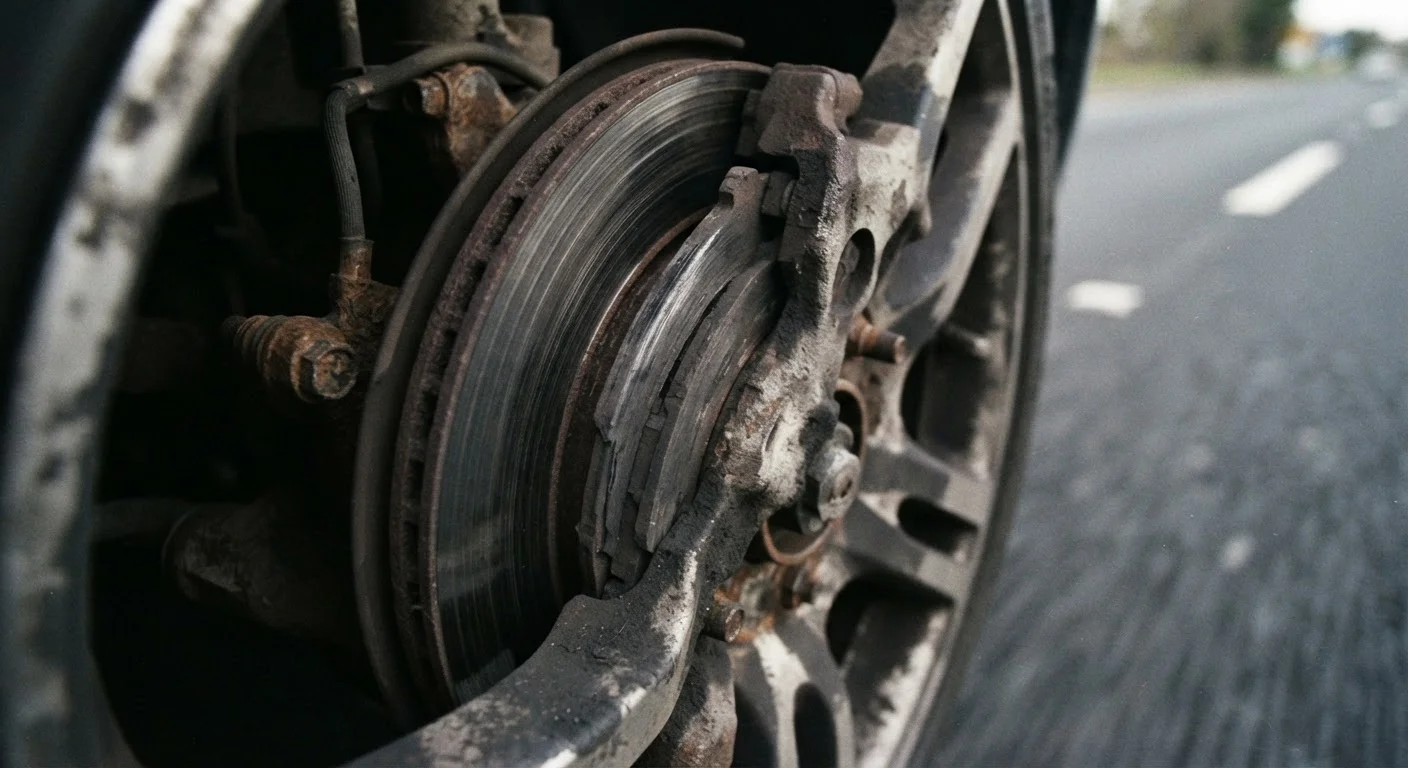
Behind you matters when you're preparing to stop. If you see brake lights ahead, ease off the accelerator early. Gradual deceleration gives the driver behind you time to respond - and reduces your own brake wear. This kind of smooth, anticipatory driving also has real financial implications; see our notes on aggressive driving costs for the mechanical side of that picture.
Understanding key numbers - following gaps, speed limits, and reaction time distances - helps enormously here. Our reference on the numbers new drivers mix up is a useful companion read.
Space Needs Change With Conditions
The 3-second following gap is a minimum for ideal conditions: dry roads, good visibility, a well-maintained vehicle. Rain, fog, darkness, worn tyres, and high speeds all demand more. Night driving introduces its own visibility challenges - our guide on night driving explains how to adjust your habits after dark.
Building the Habit: Making It Automatic Over Time
Defensive driving habits become second nature through repetition, but there's a useful shortcut: deliberate practice during low-stakes drives. On familiar routes - your commute, a trip to a local store - set a specific focus for that drive. One session, practice mirror-checking rhythm. The next, practice extending your gaze farther ahead than usual. Small, targeted practice builds durable habits more efficiently than vague intention.
Emotional management deserves equal attention. Studies consistently show that angry or stressed drivers take more risks, follow more closely, and scan less thoroughly. If you're in a state that would impair judgment in any other context, treat it the same way you'd treat fatigue: as a reason to slow down, increase margins, and stay off your phone.
Over time, the payoff is tangible. Smoother driving is easier on your vehicle - brakes, tyres, and fuel economy all benefit. For a broader look at how driving habits connect to long-term ownership costs, see our guide on keeping running costs down.
Defensive driving isn't a personality type - it's a skill set. Any driver can build it, starting on their very next drive.