What Counts as Aggressive Driving?
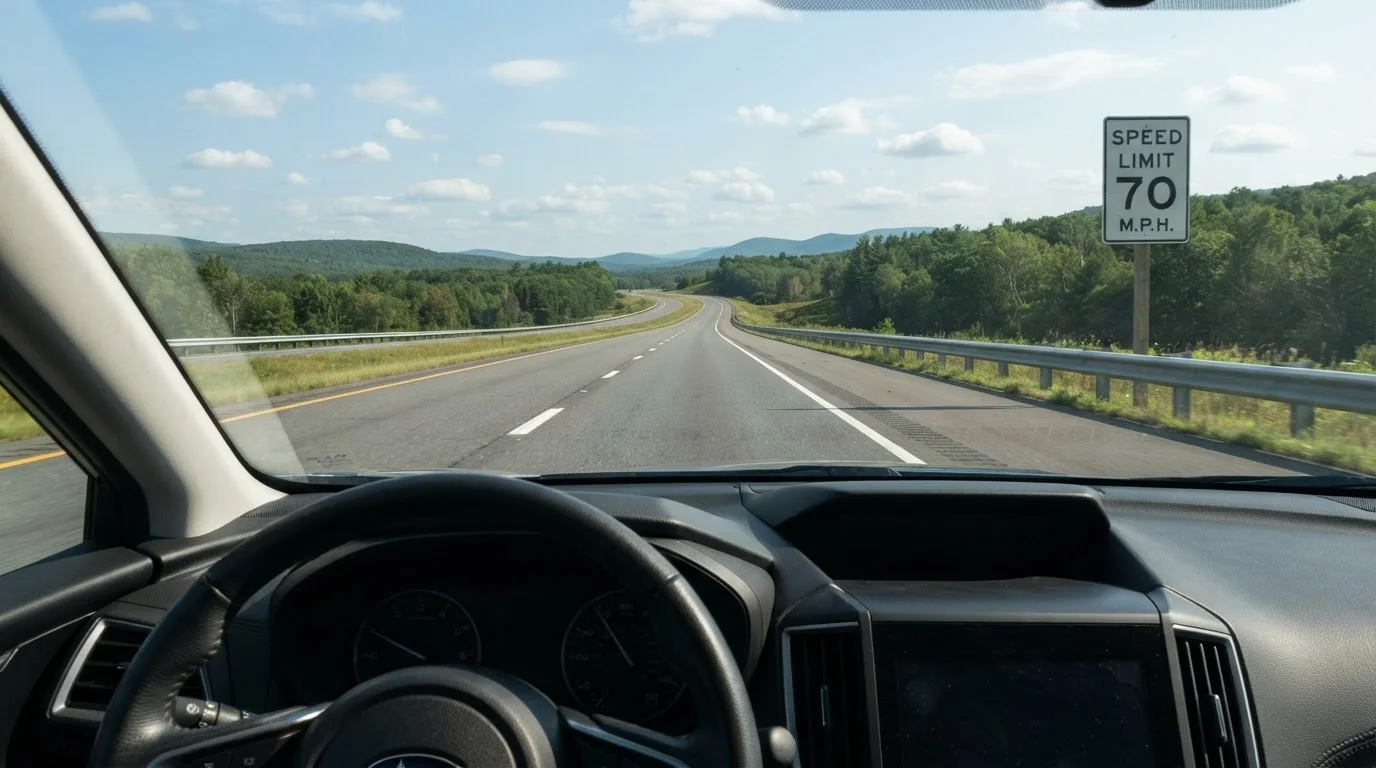
Aggressive driving covers a range of behaviors that go beyond simply speeding. The National Highway Traffic Safety Administration (NHTSA) defines it as operating a vehicle in a way that endangers or is likely to endanger people or property. Common examples include:
- Hard, late braking instead of gradual deceleration
- Rapid or "jackrabbit" acceleration from stops
- Tailgating - following too closely behind another vehicle
- Weaving between lanes without signaling
- Running yellow or red lights
Many new drivers adopt these habits without realizing it, often because they haven't yet internalized how much time and distance a car actually needs to stop safely. Our guide on stopping distances and following gaps breaks down exactly those numbers.
The Mechanical Toll on Your Vehicle
Every aggressive driving behavior puts outsized stress on specific components. Understanding the connection makes the financial cost concrete.
Brakes
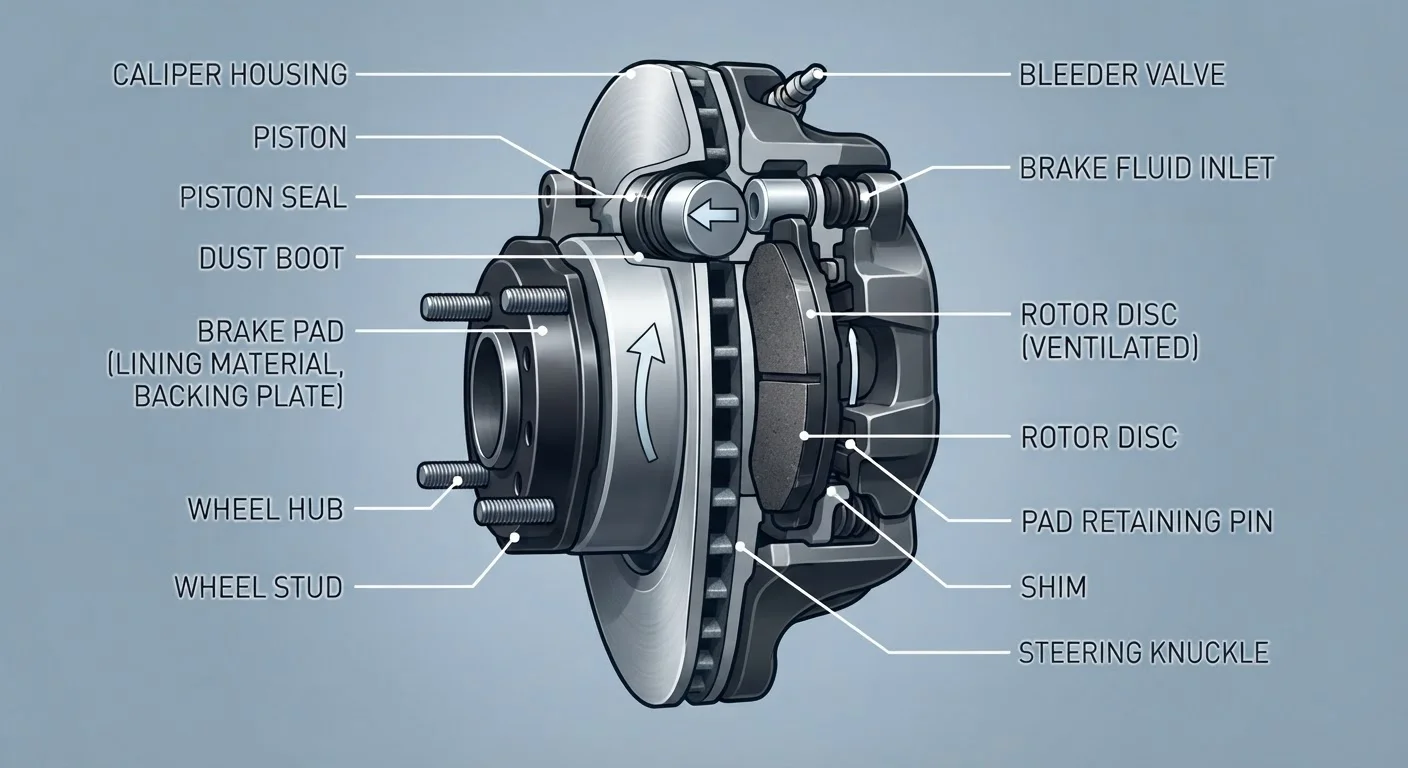
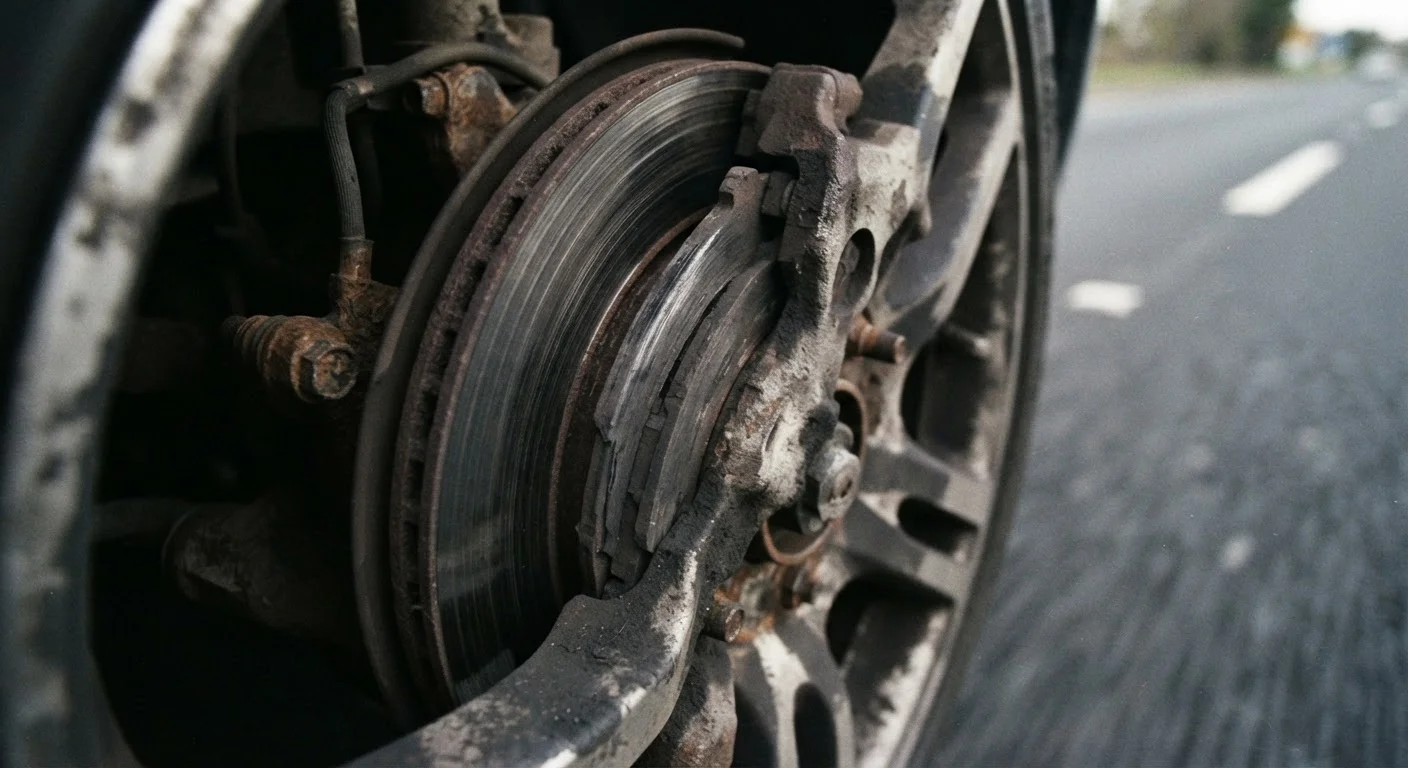
Hard braking generates intense heat, which accelerates wear on both brake pads and rotors. A driver who consistently brakes hard may replace pads twice as often as one who brakes gradually. To understand what's actually happening inside your braking system each time you stop, see our explanation of how brake pads, rotors, and calipers work.
Tires
Rapid acceleration spins tires against the road surface, scrubbing off rubber. Hard cornering does the same. Tires worn unevenly from aggressive use lose grip faster and need replacement sooner - a set of tires that might last 50,000 miles under calm driving can wear out significantly earlier under aggressive use.
Engine and Transmission
Frequent hard acceleration forces the engine to operate at high RPM before it has warmed up properly, increasing internal wear. Automatic transmissions also shift harder under aggressive throttle input, generating heat that degrades transmission fluid faster. These are among the everyday habits that quietly wear out a car before visible symptoms appear.
The Safety and Financial Consequences
Beyond mechanical wear, aggressive driving carries compounding safety and financial risks that new owners often underestimate.
15-30%
Fuel economy reduction from aggressive driving
The US Department of Energy estimates aggressive driving - hard acceleration, speeding, and hard braking - lowers fuel economy by this range on highways, with greater losses in city conditions.
~29%
Of all US traffic fatalities involving speeding
According to NHTSA data, speeding - a core component of aggressive driving - is consistently associated with roughly one in four to one in three traffic fatalities annually.
Crash Risk
Tailgating is a direct contributor to rear-end collisions, which are among the most common crash types in the US. Stopping distance is not purely a function of speed - road surface, tire condition, and reaction time all play a role, as explained in detail in our piece on what actually affects stopping distance. Cutting that already-tight margin by following too closely removes the buffer needed for any emergency.
Insurance Costs
A citation for reckless or aggressive driving, or an at-fault accident, can raise your insurance premium substantially - sometimes for three to five years. For young drivers already paying higher baseline rates, this compounds an already significant expense. The true cost of owning a car includes insurance as one of the largest recurring line items.
Fuel Economy
The US Department of Energy has noted that aggressive driving - speeding, rapid acceleration, and hard braking - can lower fuel economy by roughly 15-30% on highways and even more in city driving compared to steady, smooth operation. Over the course of a year, that gap translates directly into hundreds of dollars in extra fuel expense.
Small Problems Don't Stay Small
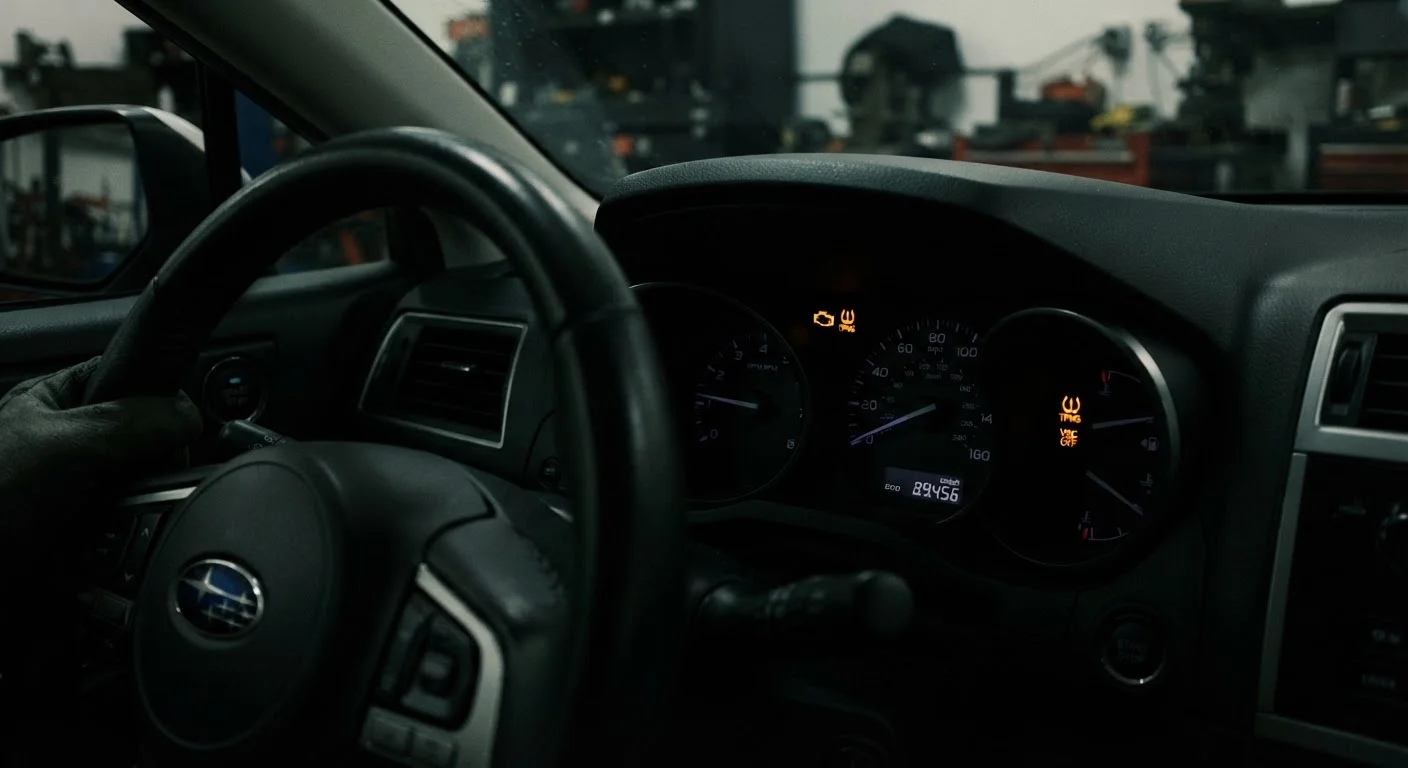
Wear caused by aggressive driving rarely announces itself loudly at first. A brake pad worn thin or a tire with uneven tread may seem functional until it isn't. Our article on why ignoring small car problems makes them bigger explains how deferred maintenance compounds - and what it typically costs when problems finally surface.
Switching to smooth, deliberate driving habits addresses all of these cost drivers simultaneously. Our guide to keeping running costs down outlines practical ways to make those habits stick.