Why Tourist-Trap Restaurants Cost So Much More
Restaurants near major attractions aren't necessarily worse because of bad intentions - they're expensive primarily because of rent. High-foot-traffic zones command high rents, and those costs flow directly into menu prices. Add multilingual menus, a staff accustomed to one-time visitors, and no real incentive to earn repeat business, and you have a formula for overpriced, underwhelming meals.
This doesn't mean you can never eat near a landmark. But understanding the pricing logic helps you make intentional choices rather than defaulting to whatever is closest when you're hungry. The solution is mostly pre-trip preparation and a willingness to walk a few extra blocks.
For a broader look at the spending patterns that catch travelers off guard - food included - see common budget travel pitfalls.
How to Find Where Locals Actually Eat
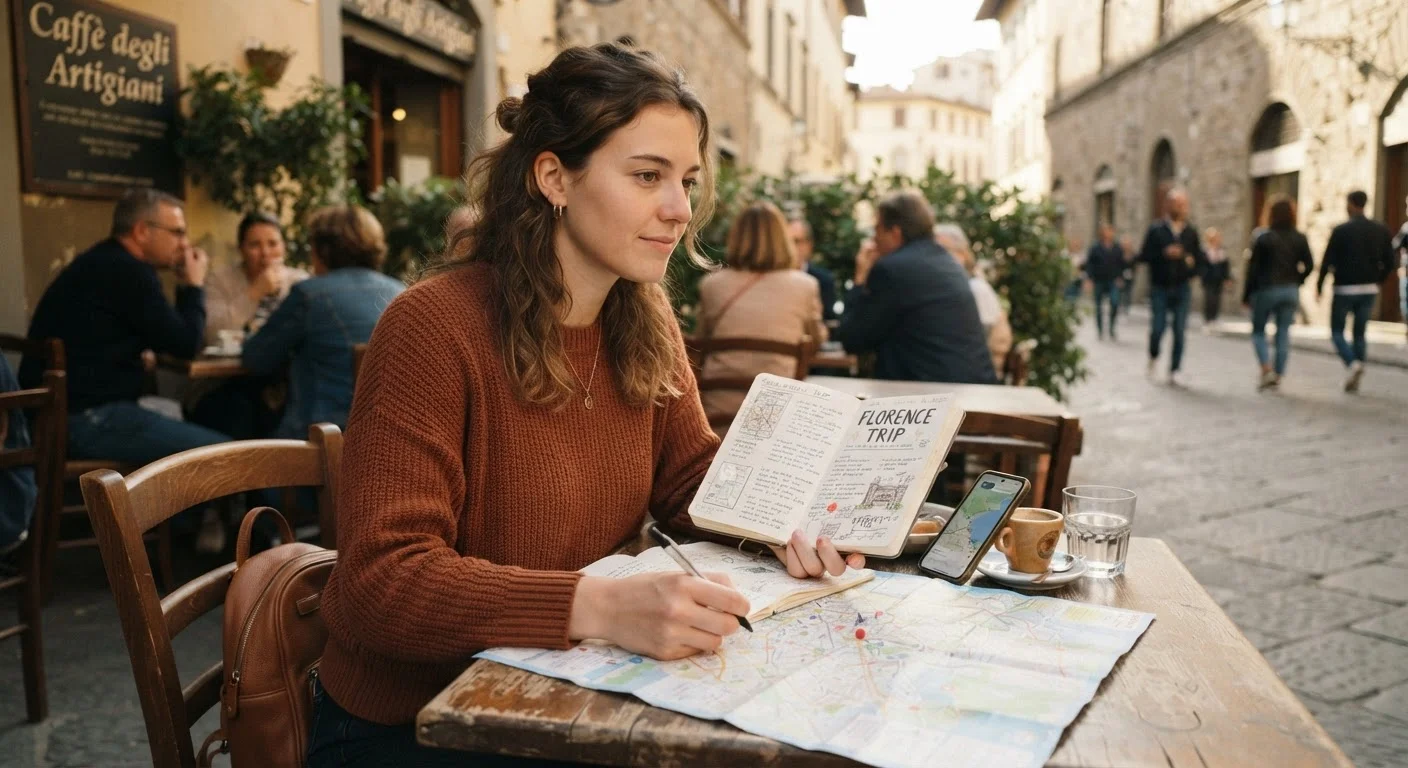
The best food research happens before you land. Destination-specific subreddits, travel forums, and city-focused food blogs written by residents (not travel influencers) are reliable starting points. Search for the city name plus terms like "neighborhood lunch," "local market," or "workers' lunch" to surface spots that don't rely on tourist traffic.
Researching your destination thoroughly before arrival pays off in ways that go well beyond food - but food is one of the most immediately useful applications. Note two or three neighborhoods known for residential dining rather than tourism, and save a handful of specific spots to try.
Trust the Lunch Rush
If a small restaurant fills up with office workers and tradespeople between noon and 1 p.m., that's a reliable quality signal. Locals eating somewhere regularly means the food is consistently good and the price is reasonable. A half-full tourist restaurant at the same time tells the opposite story.
Once you arrive, the most reliable method remains simple: look for places where the clientele is predominantly local, the menu is posted without photos, and there's no one outside trying to seat you. Lunch rush seating patterns tell you a lot about where people trust the food.
Tools and Resources You'll Need
You don't need much to eat well on the road - mostly awareness and a bit of planning.
Offline maps app with saved pins
Navigate to pre-researched local eating spots without relying on live internet access.
Translation app with offline language pack
Read menus and communicate basic food requests in the local language.
Small reusable water bottle
Reduces the cost and waste of buying bottled water throughout the day.
Compact reusable bag
Carry market purchases and snacks without needing to buy a bag at each stop.
Local currency in small denominations
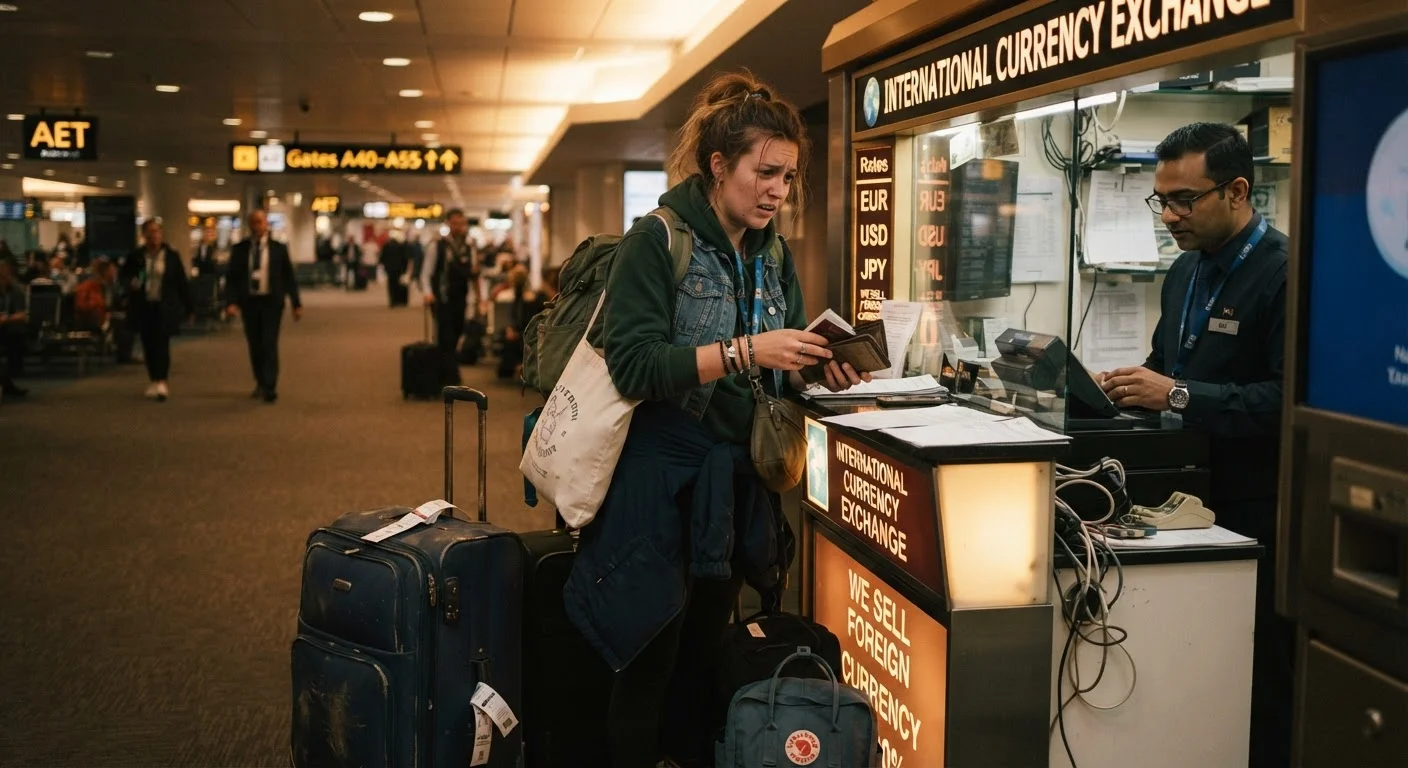
Many market vendors and small eateries do not accept cards or struggle to make change for large bills.
Step-by-Step: Eating Smart From Day One
Research two or three local eating neighborhoods before departure
Using city forums, local food blogs, and resident-focused social media groups, identify neighborhoods where locals go for everyday meals. Write down their names and save a map pin so you can navigate there without internet access if needed. This single step removes the pressure of making food decisions while tired and hungry in an unfamiliar place.
Learn ten food-related words in the local language
You don't need fluency - you need enough to read a simple menu and ask a basic question. Focus on: common proteins, the word for vegetarian or allergy if relevant, how to ask the price, and a polite way to order. Even in places where English is widely spoken, attempting the local language signals that you're not a purely tourist-facing customer, which often changes how you're treated and what you're offered.
Eat your main meal at lunch, not dinner
In many countries - particularly across Europe, Latin America, and parts of Asia - the midday meal is the main event, and restaurants offer set lunch menus (prix fixe, menú del día, set lunch) at a fraction of evening prices. The same kitchen, the same ingredients, often at 30-50% less. Make lunch your largest meal and keep dinner lighter and cheaper.
Visit a local market for breakfast supplies and snacks
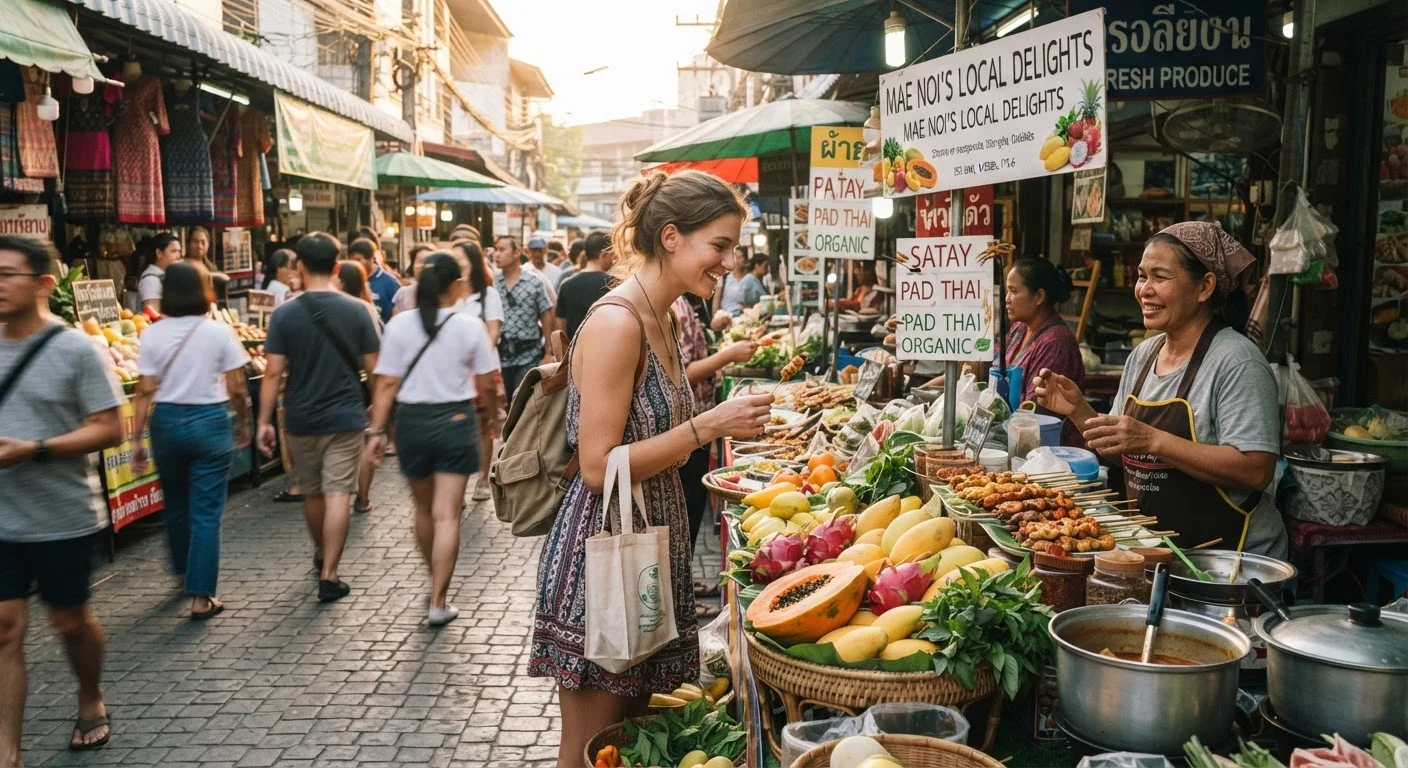
Pick up fruit, bread, cheese, or whatever the local staple breakfast items are from a market or neighborhood grocery on your first full day. Spending a few dollars on in-room or hostel-kitchen breakfasts means you start every day without a food-spend pressure and make better, less desperate decisions at lunch. This approach also gives you natural exposure to how locals shop and what's in season.
Walk at least two blocks away from any major attraction before choosing a restaurant
This is the simplest and most reliable filter. Foot traffic from tourist sites drops off quickly, and so do prices - often dramatically within a two-to-three block radius. If a street looks like it exists primarily to serve tourists (laminated photo menus, someone outside calling to passersby, prices in multiple currencies), keep walking. You're almost always within a few minutes of something significantly better.
Check the bill and understand local tipping customs
In many countries, a service charge is already included in restaurant bills - adding a further tip on top is not expected and can push your meal cost well above what you planned. Equally, in some destinations tipping is an important part of service workers' income. Research the norm for your specific destination before you sit down, not after the bill arrives.
Keeping Nutrition in Mind While Traveling
Budget eating on the road doesn't have to mean surviving on cheap carbohydrates. Markets and local eateries often feature more vegetables, legumes, and whole ingredients than tourist-facing restaurants, which tend to internationalize menus toward familiar (and often processed) comfort food.
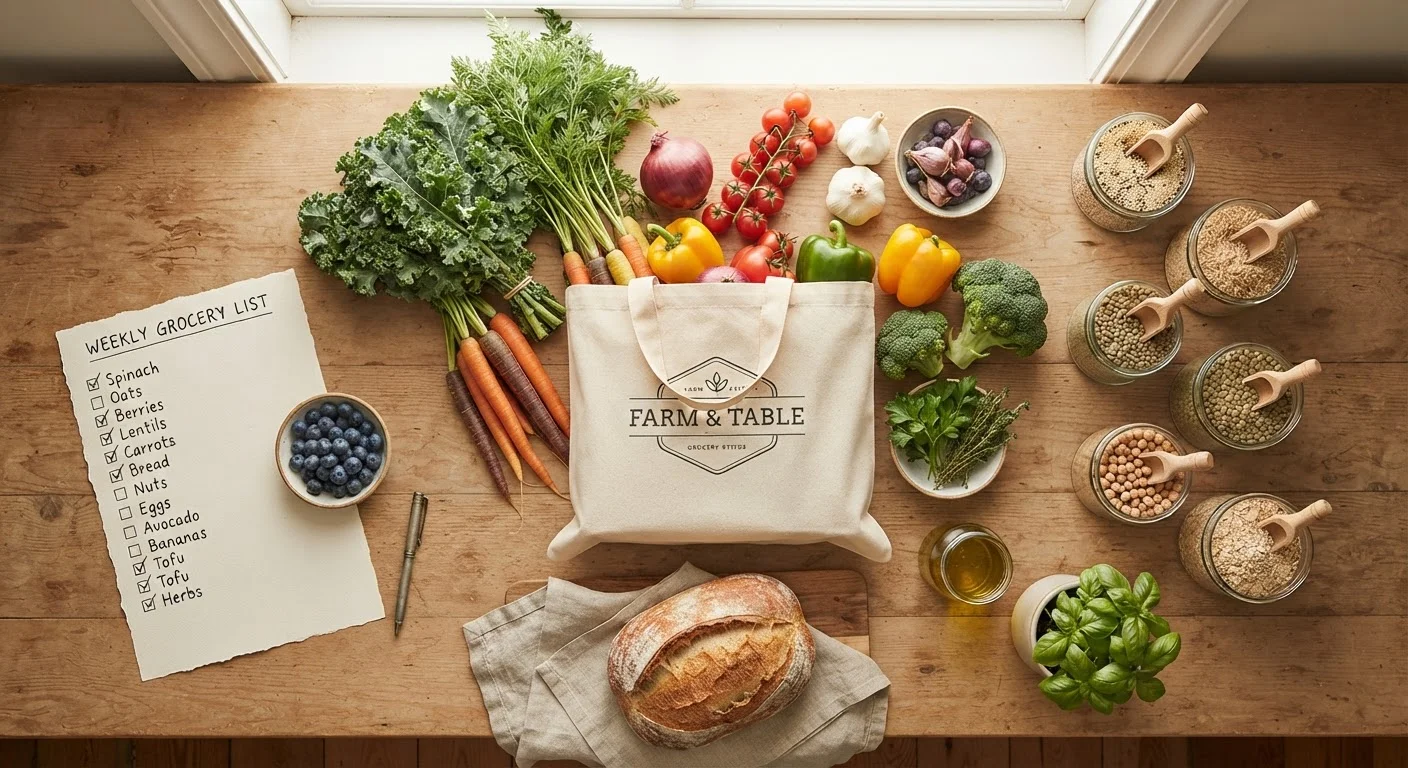
When you're shopping at a local market for snacks or a self-catered breakfast, the same principles that apply at home still hold - prioritizing variety, checking what's fresh, and not letting hunger drive every decision. Our guide on what to look for on a grocery run translates surprisingly well to navigating a foreign market stall.
It's also worth noting that budget constraints don't automatically lead to poor nutrition - and plenty of well-intentioned travelers make nutrition mistakes that have nothing to do with money. If that's relevant to you, common beginner nutrition mistakes is worth a quick read before your trip.
This article provides general travel and budgeting information for educational purposes. Food safety standards, market regulations, and hygiene conditions vary by destination. Verify current conditions and consult official government travel advisories before travelling.