
Why pre-trip research actually matters
Most travel stress doesn't happen because something went wrong - it happens because something unexpected happened. A lot of that gap between "expected" and "actual" is closeable with a focused hour or two of research before you leave home.
This isn't about over-planning every minute of a trip. It's about having enough grounding in how a place works that you can adapt when things shift. If you're still narrowing down where to go, this guide to choosing a destination covers how to approach that decision. Once you've got a place in mind, here's what's actually worth researching before you land.
Build a simple one-page destination brief
Before you travel, compile your research into a single document or note: local currency and rough exchange rate, emergency contacts, accommodation address, transport options from the airport, and one or two cultural points to remember. Keep it accessible offline. It takes 20 minutes and removes a surprising amount of arrival-day uncertainty.
Six things worth researching before arrival
Official sources matter more than travel blogs
For entry rules, safety advisories, and health requirements, always prioritize official government and institutional sources - the US State Department, CDC, and destination country embassies. Travel blogs and forums can be useful for practical tips, but they're often outdated or jurisdiction-specific in ways that aren't obvious. When in doubt, go to the primary source.
Entry requirements and visa rules
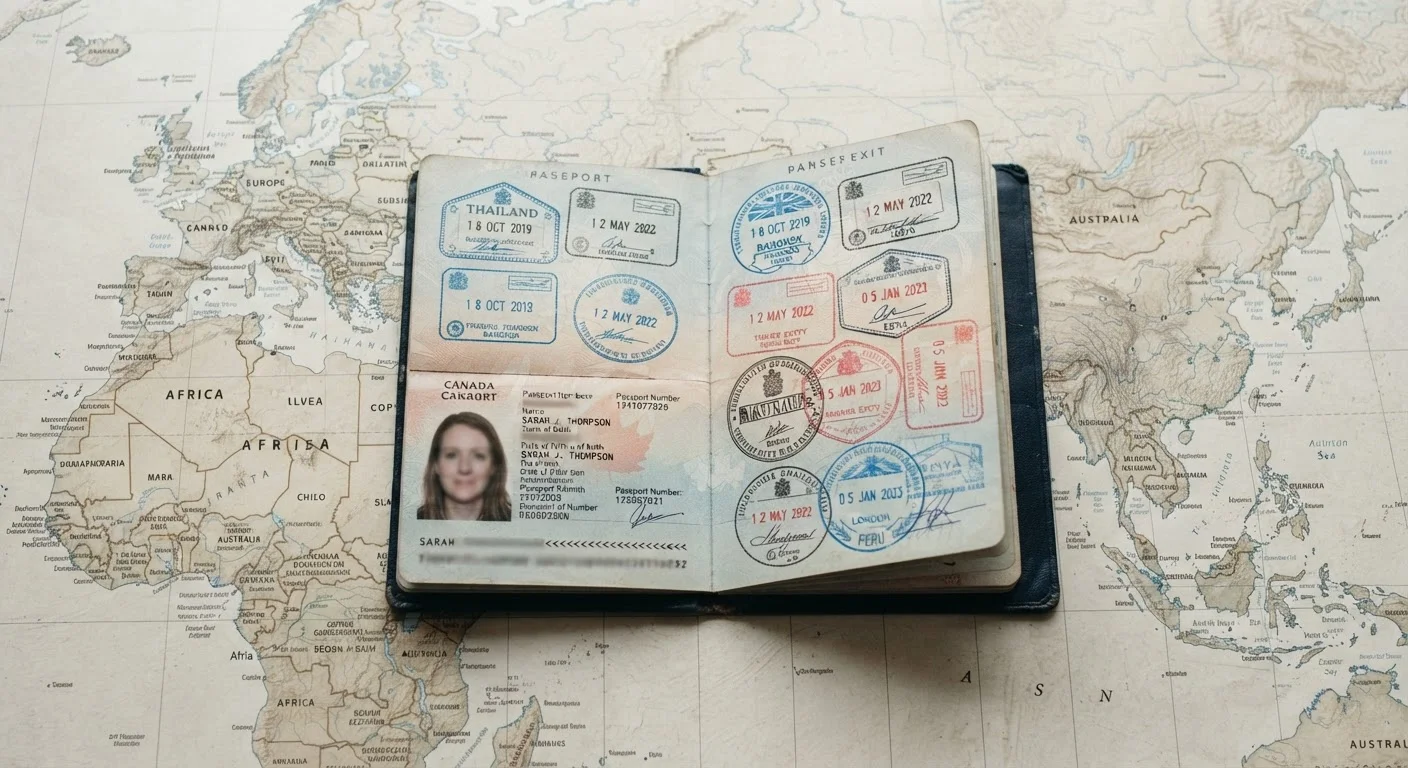
Start with the non-negotiables: can you actually enter the country, and under what conditions? Visa rules differ dramatically by nationality, destination, and even travel purpose. Some countries grant visa-free entry for short stays; others require advance applications, fees, or specific documentation.
Check the US Department of State's country information pages and the destination country's official embassy or immigration website. Do this even if you've heard the country is "easy" to enter - rules change, and third-party summaries are sometimes outdated. See our guide to visa requirements and official sources for a fuller breakdown of what to look for.
Visa rules change - always verify entry requirements through official government sources before you travel.
Current safety conditions and travel advisories
The US State Department publishes travel advisories on a four-level scale for every country. Reviewing yours before departure gives you a realistic picture of current conditions - not just crime statistics, but also natural disaster risk, civil unrest, or health alerts relevant to that region.
Check the Centers for Disease Control and Prevention (CDC) destination pages for any health precautions, and consider enrolling in the Smart Traveler Enrollment Program (STEP), which lets the nearest US embassy contact you in an emergency. For more foundational guidance, this introduction to travel safety is a good starting point.
Government travel advisories give you a grounded, current view of conditions - not a worst-case scare story.
How money works at your destination
Know the local currency, an approximate exchange rate, and whether cards are widely accepted before you land. In some destinations, cash is essential for markets, taxis, and small restaurants; in others, contactless payment is standard everywhere. ATM availability and foreign transaction fees also vary.
Research whether your bank card works internationally and whether it charges fees per withdrawal or transaction. Carrying a small amount of local currency on arrival - enough for transport and a meal - is generally practical. Our article on carrying cash vs. cards abroad covers the practical safety trade-offs in more detail.
Arriving without local currency or a working card is one of the most avoidable first-timer mistakes.
Getting around once you're there
Understanding your transport options before landing removes a major source of arrival-day stress. Research what's available: metro systems, buses, ride-hailing apps, taxis, or rental options. Some cities have excellent public transit that's cheap and easy; others require more planning or a private vehicle.
Also find out how you get from the airport to your accommodation specifically - not all airports are well-connected, and taxi pricing or booking methods can differ significantly from what you're used to. If you're renting a vehicle, check whether an international driving permit is required and what the local road rules entail.
Knowing your airport-to-accommodation route in advance prevents a disorienting and potentially costly first hour.
Key cultural norms and local etiquette
Every destination has unwritten social rules - around dress, greetings, tipping, photography, or behavior in religious spaces. Ignorance isn't always forgiven, and in some places it can lead to genuine offence or even legal consequences.
A short amount of reading goes a long way: what's considered polite at a meal, whether removing shoes indoors is expected, and what local attitudes toward photography of people or places tend to be. This isn't about memorizing a rulebook - it's about arriving with enough awareness to read the room and show basic respect.
Cultural awareness isn't about perfection - it's about arriving curious and respectful rather than oblivious.
Healthcare access and emergency contacts
Before you land, know the local emergency number (it's not always 911), the nearest hospital or clinic to your accommodation, and how healthcare is accessed by visitors. In some countries, clinics require upfront payment; in others, a travel insurance card is sufficient. Understanding this before an issue arises is far less stressful than figuring it out in a moment of need.
If you take prescription medication, research whether it's legal to bring into the country and how to access a replacement if needed. Our article on getting medical care in a foreign country walks through what to expect when something goes wrong abroad.
Knowing the local emergency number and nearest clinic before you need them is one of the smartest preparations you can make.
After the research: what comes next
Once you've worked through these areas, you've built a meaningful foundation for a smoother trip. The goal isn't certainty - no amount of research eliminates the unexpected - but it does reduce the number of things that catch you completely off guard.
To make sure nothing falls through the cracks in the days before departure, run through our pre-trip checklist, which covers passport validity, insurance, and other logistics. And if you want to stress-test your planning assumptions, this article on common planning blind spots is worth a read before you lock in your itinerary.
This article provides general travel information and education only. Entry requirements, safety conditions, and healthcare access vary by destination and change over time. Always verify current rules and advisories through official government and institutional sources before you travel.