What Visa Categories Actually Mean
A visa is an official authorization that allows you to enter, transit through, or stay in a foreign country for a defined purpose and period. The category of visa you need depends on three things: your nationality (specifically, your passport), your destination country, and the reason for your trip.
Visa
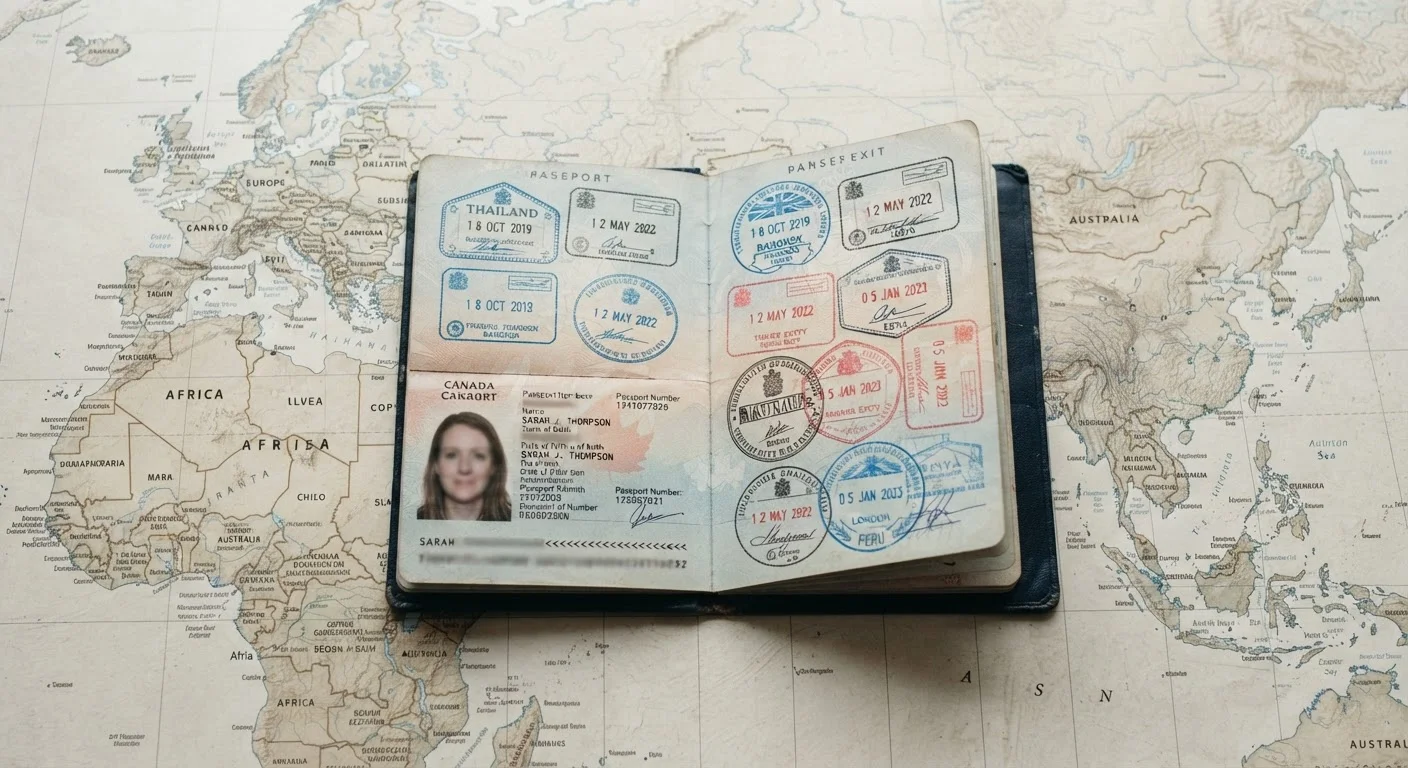
An official government endorsement - stamped in a passport or issued digitally - that authorizes entry into a country for a stated purpose and duration.
Visa on Arrival (VOA)
A visa issued at the port of entry rather than in advance. It is only available to eligible nationalities and is not guaranteed; travelers should confirm eligibility before departing.
Electronic Travel Authorization (eTA)
A digital pre-travel authorization linked electronically to your passport, required by some countries for visa-exempt travelers arriving by air. It is typically applied for online and approved within minutes to days.
Transit Visa
A visa required when passing through a country as a layover, even if you do not plan to leave the airport. Some countries waive this requirement; others enforce it strictly.
Passport Validity Requirement
Many countries require that your passport remain valid for at least 3-6 months beyond your intended departure date. Failing this requirement can result in being denied boarding or entry.
Port of Entry
The official checkpoint - an airport, land crossing, or seaport - where immigration officers review documents and decide whether to grant entry.
The most common categories US passport holders encounter include:
- Visa-free entry: No advance visa required; you may enter for tourism up to a set number of days automatically.
- Visa on arrival (VOA): You obtain a visa stamp at the port of entry, often for a small fee. Availability is not guaranteed and rules can change.
- Electronic Travel Authorization (eTA): A lightweight digital pre-approval linked to your passport - required by countries like Canada and Australia for US citizens on certain routes.
- Visa required in advance: You must apply through an embassy, consulate, or official government portal before you travel. Processing times vary widely - sometimes weeks.
- Transit visa: Required in some countries even if you never leave the airport. Missing this is one of the most common planning mistakes travellers make.
The same destination can require different visas depending on your nationality. Never assume a friend's experience - or a travel blog post - reflects what applies to your passport.
Why Requirements Change and Where to Find Accurate Information
Visa rules are set by sovereign governments and can shift due to diplomatic relations, public health situations, reciprocity agreements, or security policy - sometimes with little notice. A country that offered visa-free entry last year may now require advance applications. Third-party travel sites, influencer posts, and even published guidebooks go stale quickly.
| US passport visa-free or VOA destinations | Approximately 186 countries (Henley Passport Index - rankings shift annually as bilateral agreements change) |
| Typical advance visa processing time | 2 days to 8+ weeks (Varies by destination country and application volume) |
| Common passport validity required beyond stay | 3-6 months (Specific requirement depends on the destination country) |
| Primary official source for US travelers | travel.state.gov (US Department of State - updated as conditions change) |
| Transit visa required | Sometimes, even without leaving the airport (Check destination and any layover countries independently) |
Always start with official sources:
- The destination country's official immigration or foreign affairs website - this is the authoritative source for entry rules.
- The US Department of State's travel website (travel.state.gov) - provides country-specific entry requirements, safety advisories, and passport validity guidance for US citizens.
- The destination country's embassy or consulate in the US - for visa applications and edge-case questions.
- Your airline's transit information - carriers are responsible for ensuring passengers have the right documentation, so they often publish requirements on their websites.
Build visa research into your pre-trip checklist well before your departure date - not the week before you leave. Visa fees should also be part of your budget from day one; they can add meaningful cost to a trip. See what most travel budgets overlook for a fuller picture.
For health-related entry requirements - vaccinations, health declarations, or travel insurance mandates - review both official immigration sources and your destination country's public health authority. These requirements can be particularly dynamic. The Travel Safety & Health hub covers the health side of preparation in detail.
This article provides general travel information only. Visa and entry rules are subject to change without notice. Always verify current requirements directly with official government sources and your airline before making any travel arrangements.