Why Safety Feels Scary (And Why It Doesn't Have to Be)
Travel safety anxiety is real, and it's normal - especially when you've never navigated an unfamiliar country before. News coverage and social media tend to amplify dramatic incidents while millions of uneventful trips go unmentioned. That distortion can make international travel feel more dangerous than the evidence generally supports.
That said, dismissing risk entirely is just as unhelpful as catastrophizing it. The goal is calibration: understanding which risks actually affect travelers, how common they are, and what you can realistically do about them. Most incidents that happen to first-time travelers fall into predictable categories - petty theft, scams, minor illness, and getting disoriented. None of these are inevitable, and none require you to be a seasoned adventurer to handle.
Think of safety preparation the same way you'd think about packing a rain jacket. You're not expecting a downpour - you're just not willing to be caught unprepared if one comes. Situational awareness abroad works the same way: it's not paranoia, it's just keeping your head up.
Travel Advisory
An official government assessment of safety conditions in a foreign country or region, used to help travelers make informed decisions about whether and how to visit.
STEP Program
The Smart Traveler Enrollment Program - a free US State Department service that registers your trip with the nearest embassy so they can contact you in an emergency.
Situational Awareness
The habit of actively noticing what's happening around you - who's nearby, what's unusual, and how to exit a space - so you can respond calmly to developing situations.
Travel Insurance
A policy that can cover unexpected costs while traveling, such as medical treatment abroad, trip cancellation, or lost luggage. Coverage varies widely between policies.
Emergency Consular Services
Help provided by a US embassy or consulate when a citizen faces a serious problem abroad, such as a lost passport, arrest, or major medical crisis.
Travel Health Clinic
A medical facility that specializes in pre-travel health preparation, including destination-specific vaccinations, prescriptions, and health risk guidance.
Before You Leave: The Non-Negotiable Prep Steps
Preparation done before you board the plane has a disproportionate impact on how safely and confidently your trip unfolds. Here's where to focus:
- Check government travel advisories. The US Department of State's travel advisory system rates destinations by safety level. Read the current advisory for every country on your itinerary - not just the headline rating, but the explanatory notes about specific regions or concerns.
- Register with the STEP program. The Smart Traveler Enrollment Program (STEP) is a free State Department service that lets the nearest embassy know you're in-country, and helps reach you in an emergency or crisis situation.
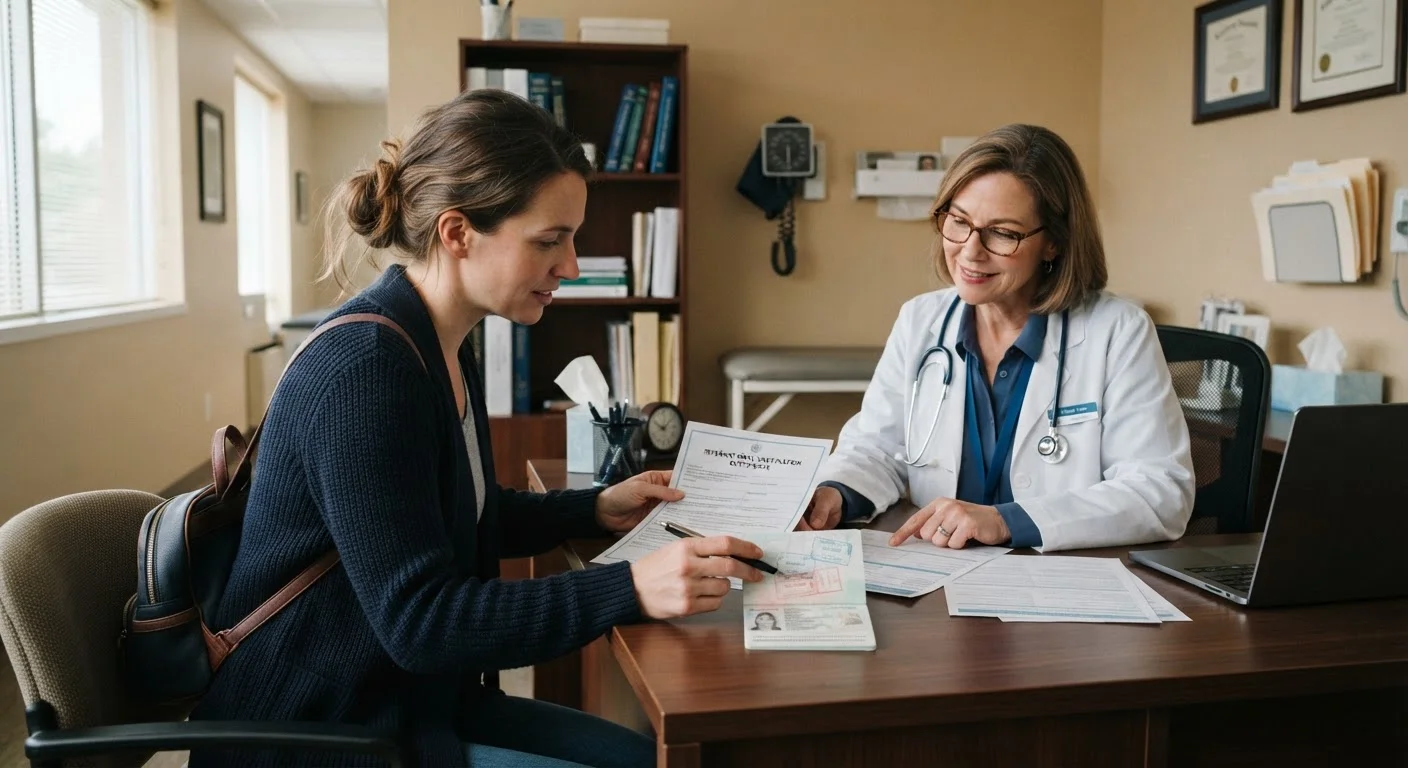
- Get health prep right. See your doctor or a travel health clinic well in advance. Vaccination requirements and health risks vary by destination. Our travel health preparation guide covers the general steps involved - but always consult a qualified healthcare professional for personal guidance.
- Understand your travel insurance. Know what your policy actually covers before you need it. Travel insurance coverage explained is a useful starting point for understanding policy types and common exclusions.
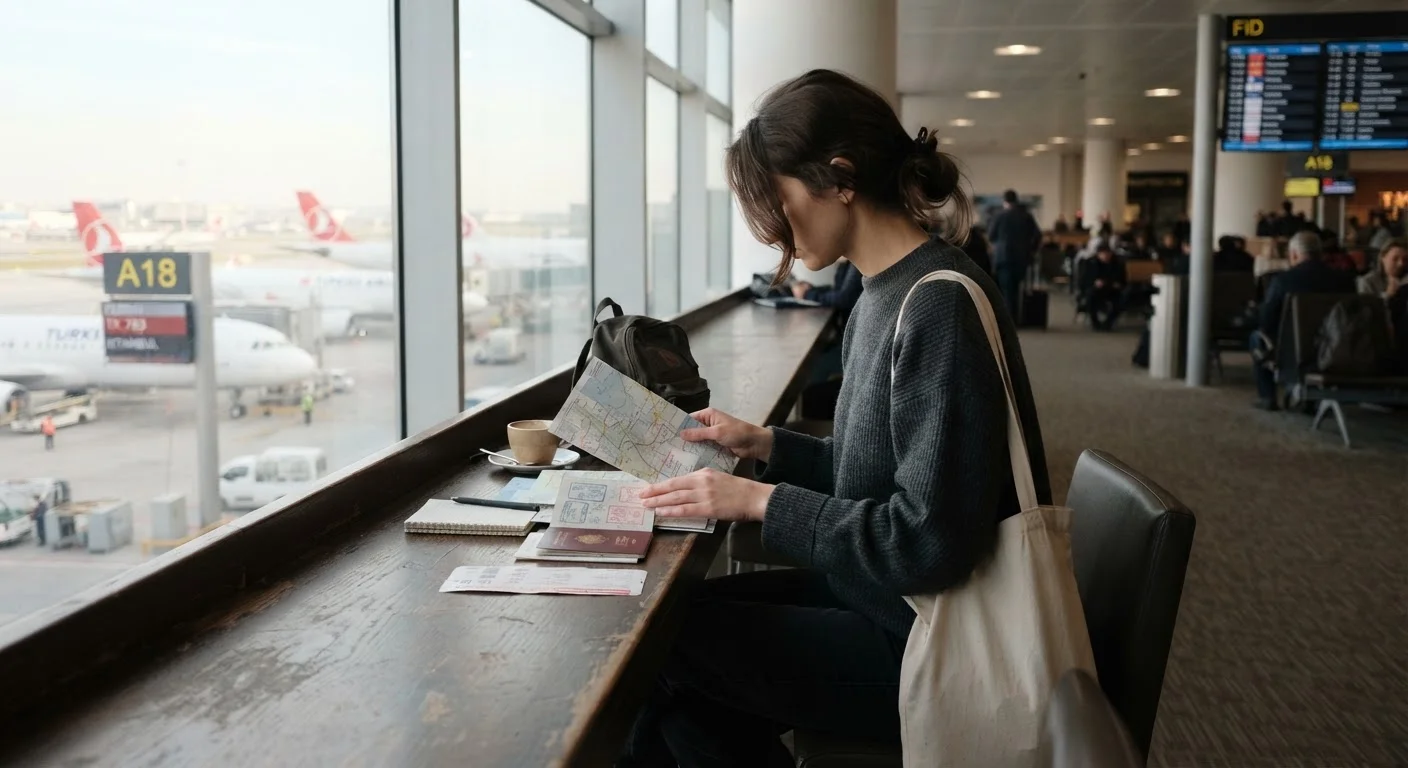
- Make copies of critical documents. Store digital copies of your passport, visa, insurance card, and emergency contacts in a secure cloud location - and keep a physical backup separate from the originals.
The Five-Minute Document Backup
Before you leave home, photograph the key pages of your passport, your travel insurance card, your visa (if applicable), and your emergency contact list. Upload these to a secure cloud service you can access from any device. If you lose your physical documents, having digital copies can dramatically speed up the replacement process.
Staying Safe on the Ground
Once you're at your destination, most safety comes down to a few consistent habits rather than any single dramatic action.
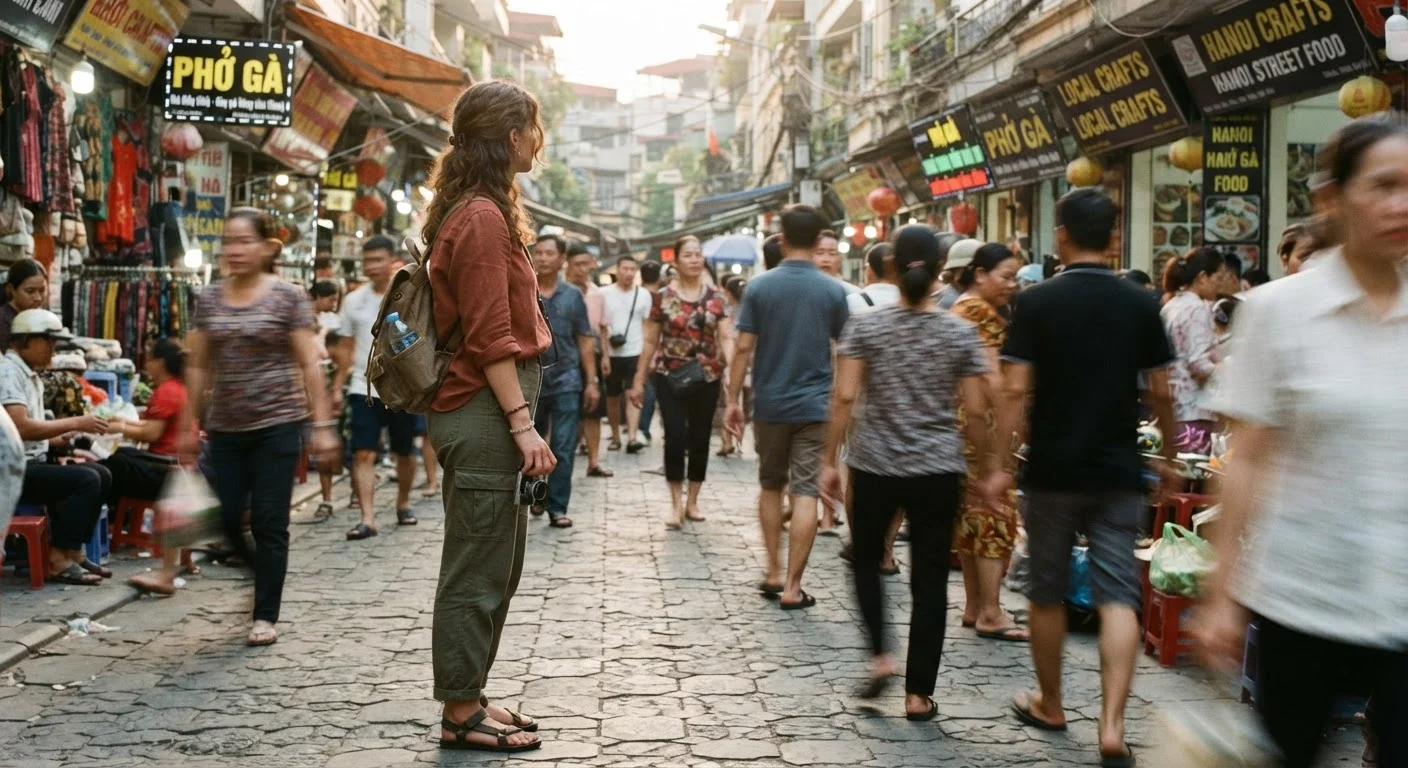
Blend in where you can. Displaying expensive gear, looking lost while staring at a phone, or broadcasting that you're a first-timer makes you a more appealing target for opportunistic theft or scams. This isn't about fear - it's about not advertising vulnerability.
Know your surroundings before you need them. Before exploring a new neighborhood, spend five minutes on destination research - local transport options, which areas are considered safe after dark, and how to get back to your accommodation. This kind of low-effort preparation removes most of the guesswork.
Protect your devices and data. Public Wi-Fi at airports and cafes carries real risks. Digital safety while traveling covers the practical habits worth adopting before you leave home.
Use transportation that's traceable. Where possible, use official taxis, ride-share apps with in-app tracking, or transport options your accommodation recommends. Unofficial rides arranged by strangers at arrivals halls carry higher risk in some destinations.
Handling Health Issues Abroad
Getting sick or injured abroad is uncomfortable, but it's manageable if you know the basics in advance. Healthcare systems vary enormously by country - what's routine in the US may require significant navigation elsewhere.
The most important step is knowing how to get help before you need it. Identify the nearest reputable medical facility to where you're staying on your first day. Your accommodation, travel insurance provider, or embassy can help point you in the right direction. Our guide to getting medical care in a foreign country explains what to expect when navigating healthcare abroad.
A basic travel first aid kit can handle minor issues without requiring a pharmacy trip in an unfamiliar language. Building a useful travel first aid kit walks through what's actually worth packing.
This article provides general travel information and is not a substitute for professional medical advice. Consult a qualified healthcare provider for guidance specific to your health and destination.
Medication and Prescription Rules Vary by Country
Some medications that are legal and routine in the US are controlled or prohibited in other countries. If you take prescription medication, check the destination country's rules well in advance and carry documentation from your prescribing physician. Your travel health clinic or the destination country's embassy website can help clarify requirements.
When Things Go Wrong: A Calm Response Framework
Even well-prepared travelers encounter problems. The difference between a stressful story and a genuinely difficult situation usually comes down to having thought through your response in advance.
Lost or stolen passport: Go to the nearest US embassy or consulate. They can issue an emergency travel document. Having your passport number and a photo of the data page stored securely makes this process faster.
Lost or stolen wallet: Cancel cards immediately using your bank's international emergency line - have that number saved somewhere other than your wallet. Keep a small amount of backup cash in a separate location from your main wallet.
Medical emergency: Contact your travel insurance provider's emergency line first - they often coordinate care directly and can direct you to appropriate facilities. In a life-threatening situation, call local emergency services and sort the paperwork later.
Feeling unsafe: Move toward populated, well-lit areas. Enter a shop, hotel lobby, or restaurant. Trust your instincts - leaving a situation that feels wrong is always the right call. For more on recognizing risky patterns, see common solo travel risk patterns.
You don't need a plan for every possible scenario - just the most likely ones. Writing down key numbers and steps on a small card before you leave costs nothing and removes most of the panic from the equation.