Why Solo Travelers Face Predictable Risks
Solo travel is genuinely rewarding, but traveling alone removes the built-in safety buffer that comes with a companion. There's no second person to flag when something feels off, hold your bag while you use the restroom, or help navigate an unfamiliar arrival at midnight. That context matters, because most solo travel incidents aren't random - they follow patterns tied to specific behaviors and situations.
Understanding those patterns is more useful than generic advice to "be careful." The mistakes below aren't about recklessness; they're often made by thoughtful, well-intentioned travelers who simply didn't know what to watch for. See our foundational safety guide if you're approaching your first international trip.
Broadcasting your itinerary and accommodation details to strangers.
Why it happens: Solo travelers often strike up conversations to feel connected, and sharing plans feels friendly and natural in those moments.
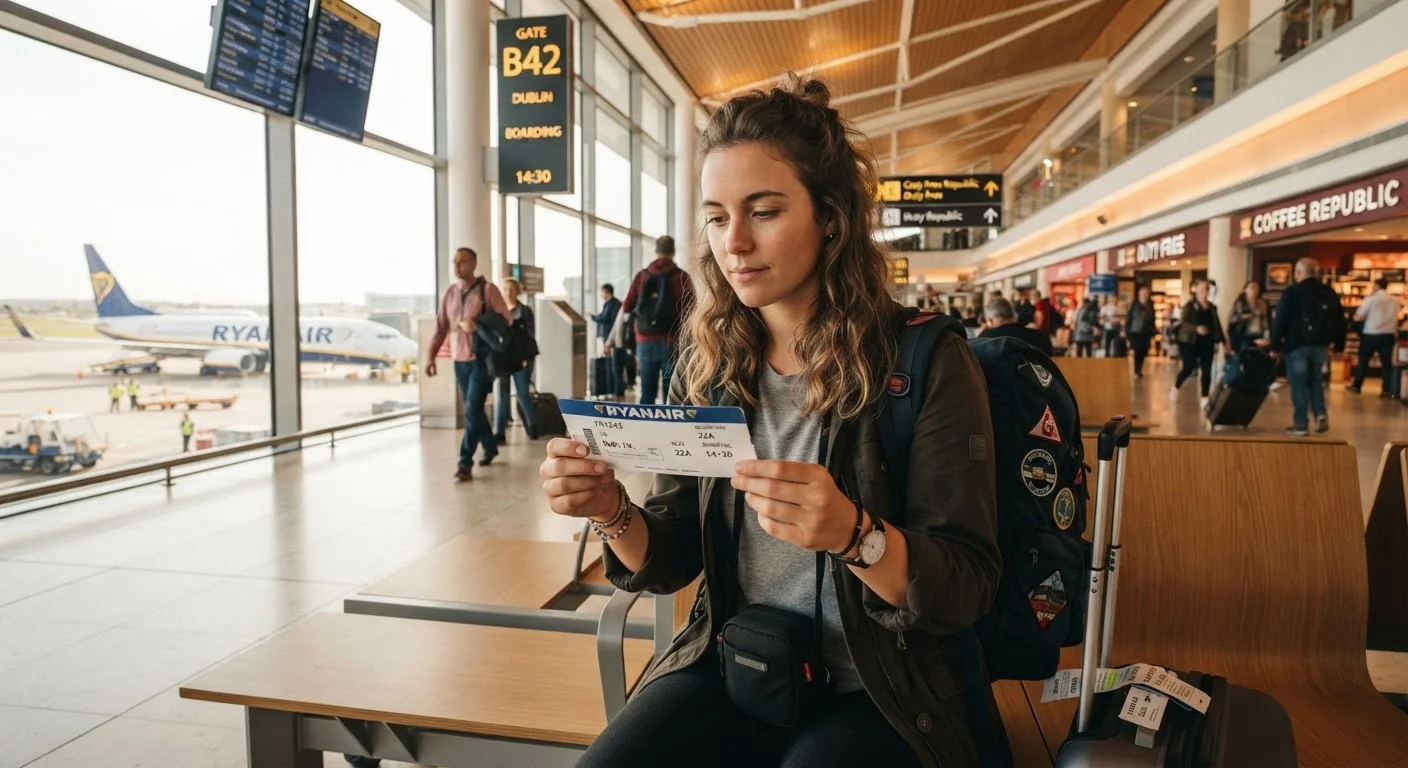
Arriving at a new destination late at night without a confirmed plan.
Why it happens: Cheap overnight transport options often deposit travelers at airports or bus stations in the early hours, and many first-timers underestimate how disorienting that is.
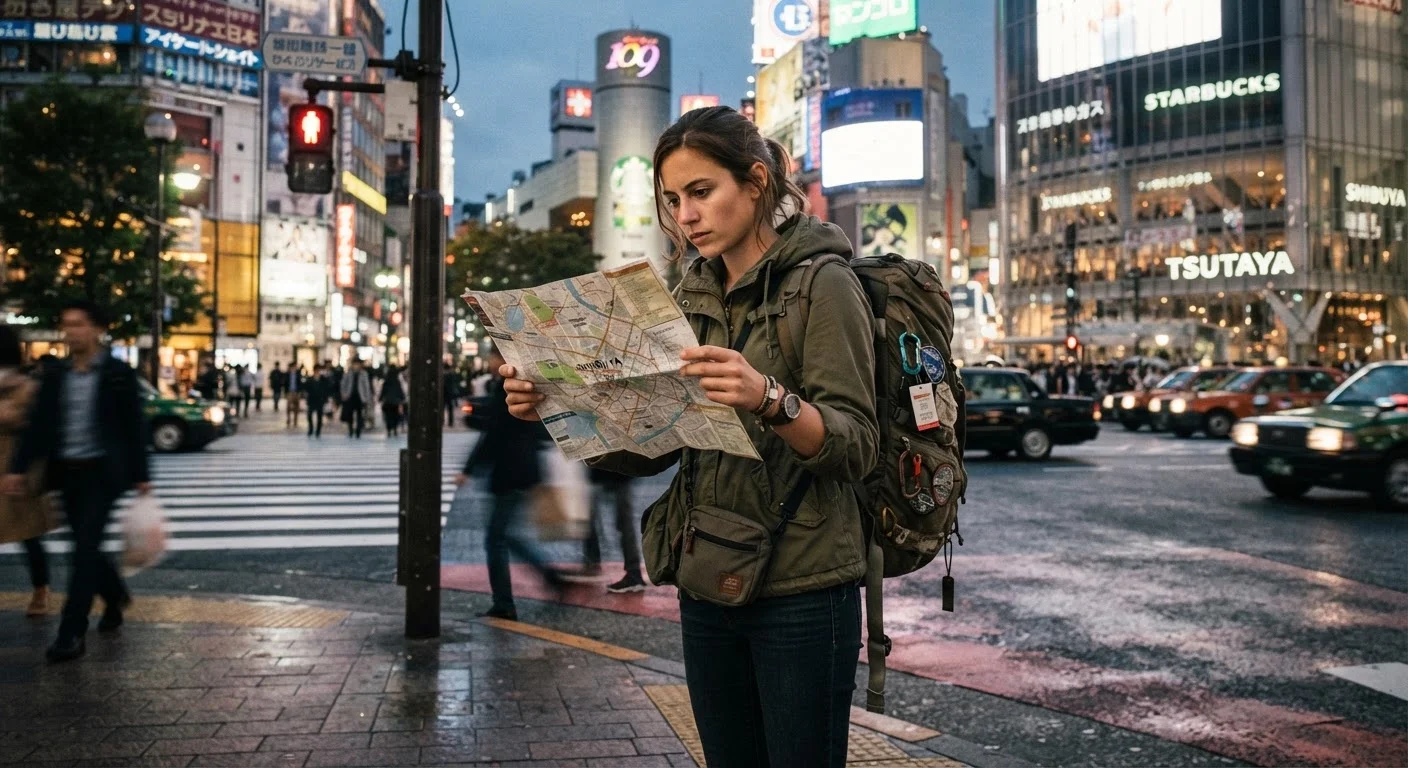
Using your phone openly in high-theft environments without situational awareness.
Why it happens: Navigating and photographing on a smartphone feels normal at home, making it easy to forget that visible devices attract opportunistic theft in crowded or unfamiliar areas.
Assuming transportation arranged on the spot is safe and legitimate.
Why it happens: Fatigue and urgency push travelers toward whoever approaches them first at arrivals - often unlicensed operators who may overcharge or, in some destinations, pose a real safety risk.
Ignoring health preparation because the trip feels short or low-risk.
Why it happens: First-time travelers often conflate destination popularity with safety from health risks, assuming a busy tourist area means no vaccination or preparation is needed.
Failing to establish a regular check-in system with someone at home.
Why it happens: It feels overly cautious, and solo travelers may not want to worry family or friends unnecessarily.
Building Safer Habits Without the Paranoia
The goal isn't to travel in a constant state of vigilance - that's exhausting and counterproductive. It's to build a handful of consistent habits that reduce your exposure to the most common risk patterns without dominating your experience.
Alcohol and Unfamiliar Environments Don't Mix Well
Impaired judgment in an unfamiliar city is one of the most consistent factors in solo traveler incidents, from theft to getting genuinely lost in unsafe areas. If you drink, do it in settings where you have trusted company or a clear, short route home. Never accept drinks from strangers you've just met, and be aware that drink-spiking does occur in tourist-heavy nightlife areas.
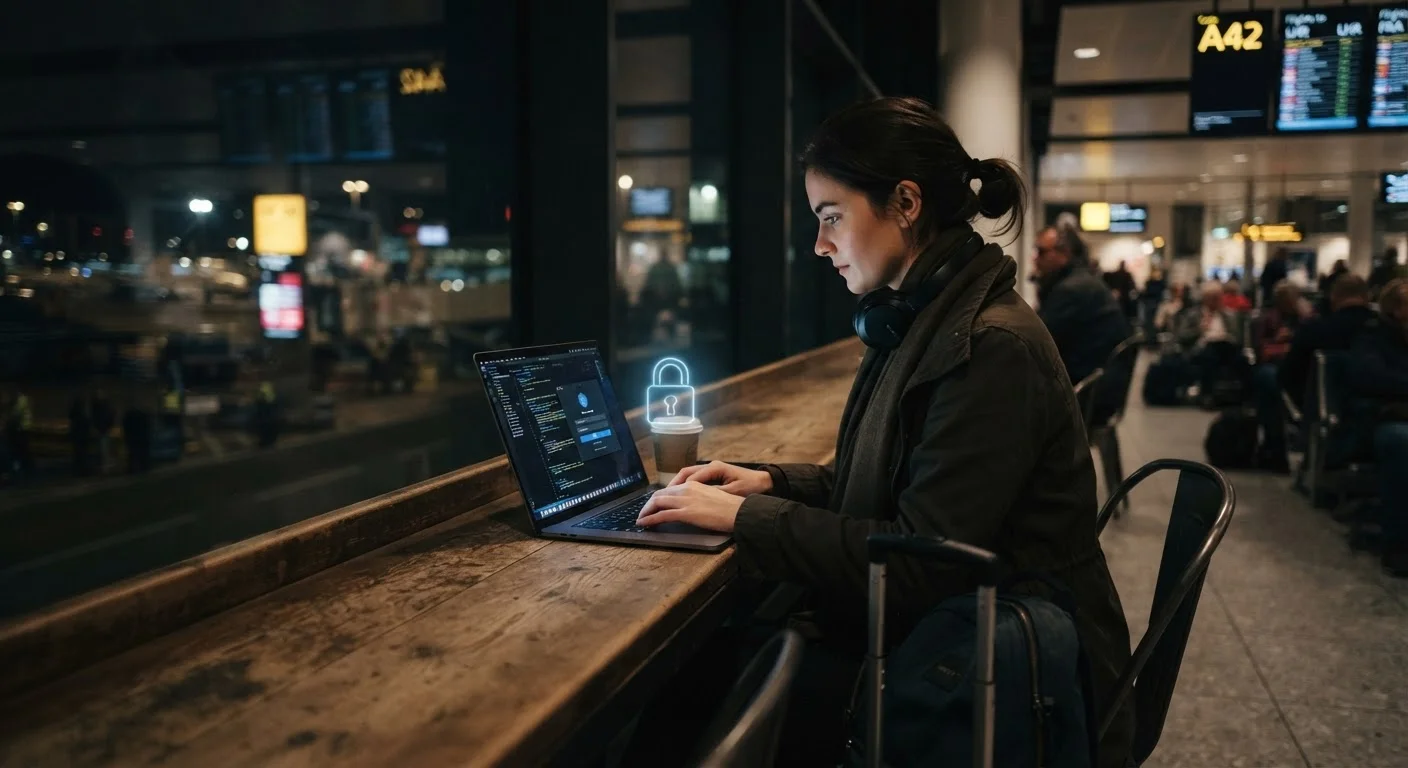
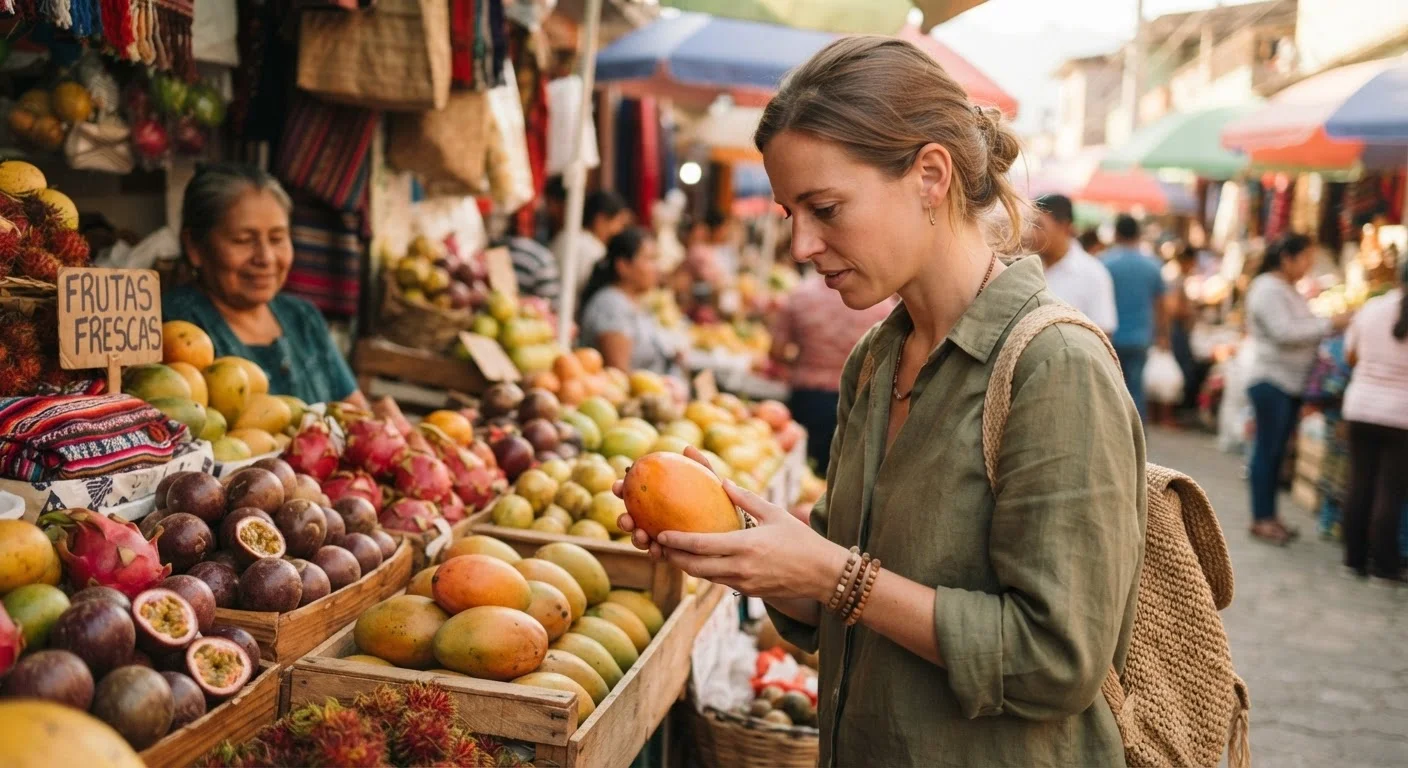
Situational awareness is one of the most underrated skills in a solo traveler's toolkit. It means staying tuned in to your environment rather than absorbed in your phone or headphones in transitional spaces like train stations, markets, or busy streets. Our guide to situational awareness abroad breaks down exactly how this works in practice.
It's also worth reviewing your planning assumptions before departure - a surprising number of safety problems start well before the trip, in the planning phase. Solid preparation, including confirmed accommodation, researched transport, and a home check-in contact, resolves a majority of the risk factors outlined above before you even board a flight.
No Safety Habit Replaces Local Research
General safety patterns are useful starting points, but conditions vary dramatically by destination, season, and neighborhood. Always check your government's official travel advisories and consult recent firsthand accounts before you go. The U.S. Department of State's travel.state.gov is a reliable starting point for Americans heading abroad.
This article provides general travel safety information for educational purposes. It is not a substitute for professional security advice, medical consultation, or official government travel guidance. Always verify current conditions through your government's official travel advisory resources before traveling.