Why Food and Water Safety Trips Travelers Up
Most travelers heading abroad spend more time worrying about pickpockets than about what's on their plate - even though foodborne and waterborne illness is one of the most common travel health complaints. Traveler's diarrhea alone affects an estimated 30-70% of international travelers depending on destination, according to general public health guidance. That's not a reason to stay home; it's a reason to get informed.
The problem isn't that travelers are careless. It's that a lot of common-sense assumptions about food safety don't hold up when you cross borders. The myths below are the ones most likely to get you sick - and the corrections are straightforward once you know them.
For a broader look at health preparation before you depart, see our guide to pre-trip health steps.
Myth
If the locals eat it, it's safe for me to eat too.
Fact
Local populations often have developed immunity to pathogens common in their region. Travelers lack that immunity and face higher risk from the same foods.
This is one of the most persistent and genuinely dangerous myths in travel. People who grew up in a given environment are regularly exposed to local microbial strains and may carry some tolerance to them. A first-time visitor's gut has no such baseline. The same street food or tap water that a local handles without issue can cause significant illness in a traveler. This doesn't mean all local food is risky - it means immunity, not food quality, is often the real variable.
Myth
Bottled water is always the safe choice abroad.
Fact
Counterfeit or improperly sealed bottled water exists in some markets; always check the seal, and consider filtered or chemically treated water as an alternative.
Commercially sealed bottled water from reputable sources is generally safe, but in some destinations, counterfeit bottles - refilled tap water with resealed caps - circulate in tourist areas. Check that the seal is intact before purchasing, and buy from established vendors when possible. Portable water filters, UV purifiers, and chemical treatment tablets are reliable alternatives that many experienced travelers carry. No single method is universally superior; the right choice depends on where you are and what's available.
Myth
Ice is fine if you're drinking at a proper restaurant.
Fact
Ice is made from water, and if the local water supply isn't safe to drink, ice made from it carries the same risk regardless of the venue.
Restaurant quality doesn't determine ice safety - water source does. In destinations where tap water isn't reliably safe, ice made from that water poses the same risk as drinking it directly. Some establishments do use purified water for ice, but this isn't universal or easy to verify. When in doubt, drinks without ice are the lower-risk choice. This includes smoothies and blended drinks, which are often made with tap water or unpeeled produce that hasn't been washed in safe water.
Myth
Raw salads and fresh fruit are healthy choices, so they're fine to eat.
Fact
Raw produce can be washed in contaminated water or handled without adequate hygiene, making it a common vehicle for foodborne illness in higher-risk destinations.
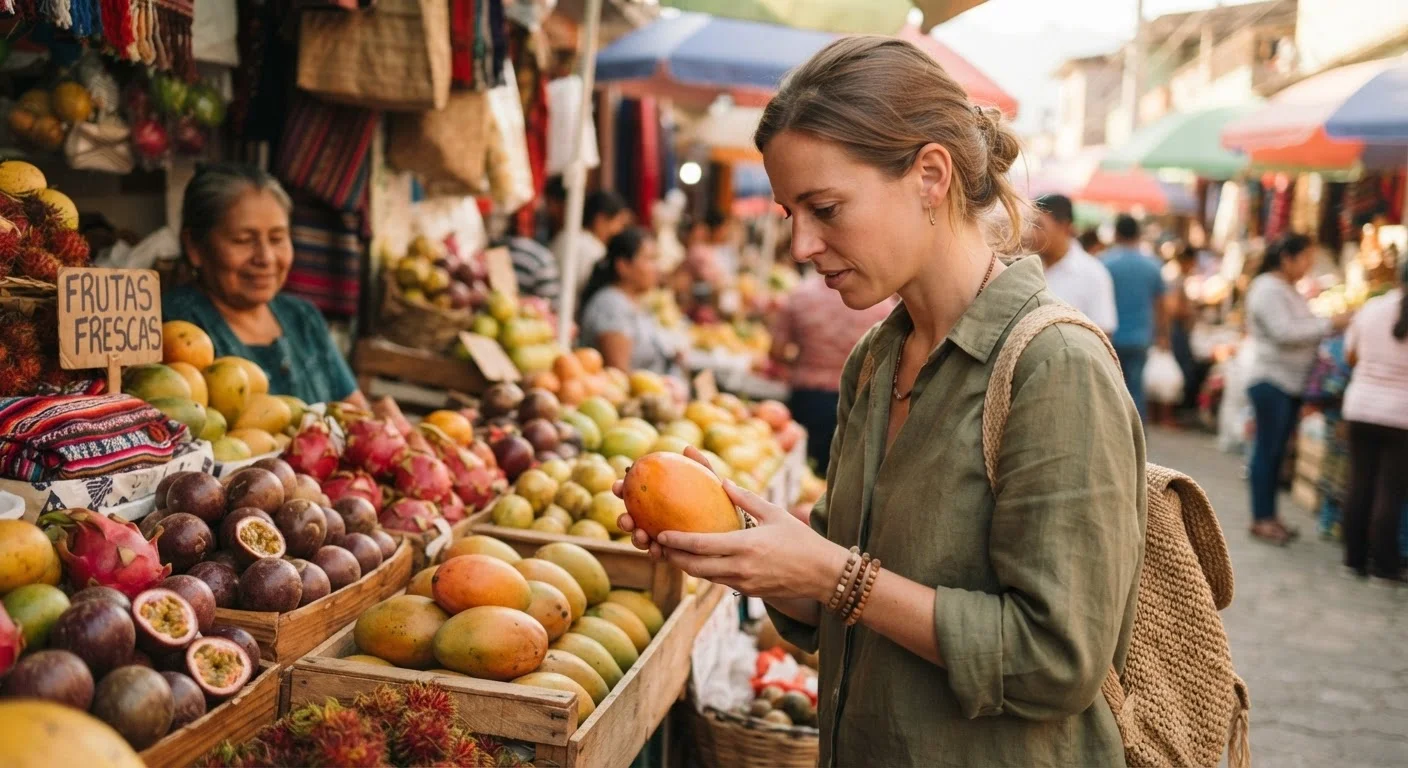
Produce that looks fresh and clean may have been washed in untreated water or handled after contact with contaminated surfaces. The general traveler's guidance - cook it, peel it, or leave it - exists for this reason. Fruit you peel yourself (bananas, oranges, mangoes) is generally lower risk. Pre-cut fruit, salads dressed with water-rinsed ingredients, and garnishes on plates are higher risk in destinations with water safety concerns. This doesn't mean avoiding all produce; it means choosing preparation methods thoughtfully.
Myth
If food looks and smells fine, it's safe to eat.
Fact
Many pathogens that cause foodborne illness are undetectable by sight or smell. Appearance is not a reliable safety indicator.
Bacteria like E. coli, Salmonella, and norovirus leave no visible or olfactory trace in food. Food that has been sitting at unsafe temperatures - between roughly 40°F and 140°F - can develop dangerous pathogen levels without any obvious signs of spoilage. The more reliable indicator is food temperature and preparation time: food cooked through and served hot is generally safer than food that looks fine but has been sitting out at room temperature for hours.
Myth
Traveler's diarrhea is just an inconvenience; it always clears up on its own.
Fact
Most cases do resolve without treatment, but some require medical attention. Dehydration is the primary danger, and certain causes need specific treatment.
Traveler's diarrhea ranges from mild and brief to serious and debilitating. The most immediate risk is dehydration, which can escalate quickly in hot climates or in people with underlying conditions. Oral rehydration salts (ORS) are widely recommended for managing fluid and electrolyte loss. However, diarrhea with blood, high fever, or symptoms lasting more than a few days warrants prompt medical evaluation - these can signal infections that require targeted treatment rather than watchful waiting. Always seek local medical care if symptoms are severe or worsening.
Building Safer Habits Without Ruining the Trip
Food safety abroad doesn't require eating only from international hotel chains or avoiding street food entirely. In many destinations, busy street stalls with high turnover and food cooked fresh to order are genuinely safer than quiet restaurants with slow-moving buffets. The key variables are heat, hygiene, and how recently the food was prepared - not how fancy the setting looks.
30-70%
Travelers affected by traveler's diarrhea
Estimated incidence rates vary significantly by destination, according to general public health guidance from organizations including the CDC.
80%
Cases caused by bacterial pathogens
The majority of traveler's diarrhea cases are bacterial in origin, with enterotoxigenic E. coli among the most frequently identified causes in published travel medicine literature.
A few durable habits cover most scenarios: stick to beverages from sealed containers or treated sources, eat cooked food that arrives hot, peel your own fruit when possible, and wash hands thoroughly before eating - especially after using public transit. These aren't exotic precautions; they're the same principles that guide food safety at home, applied with more deliberate attention.
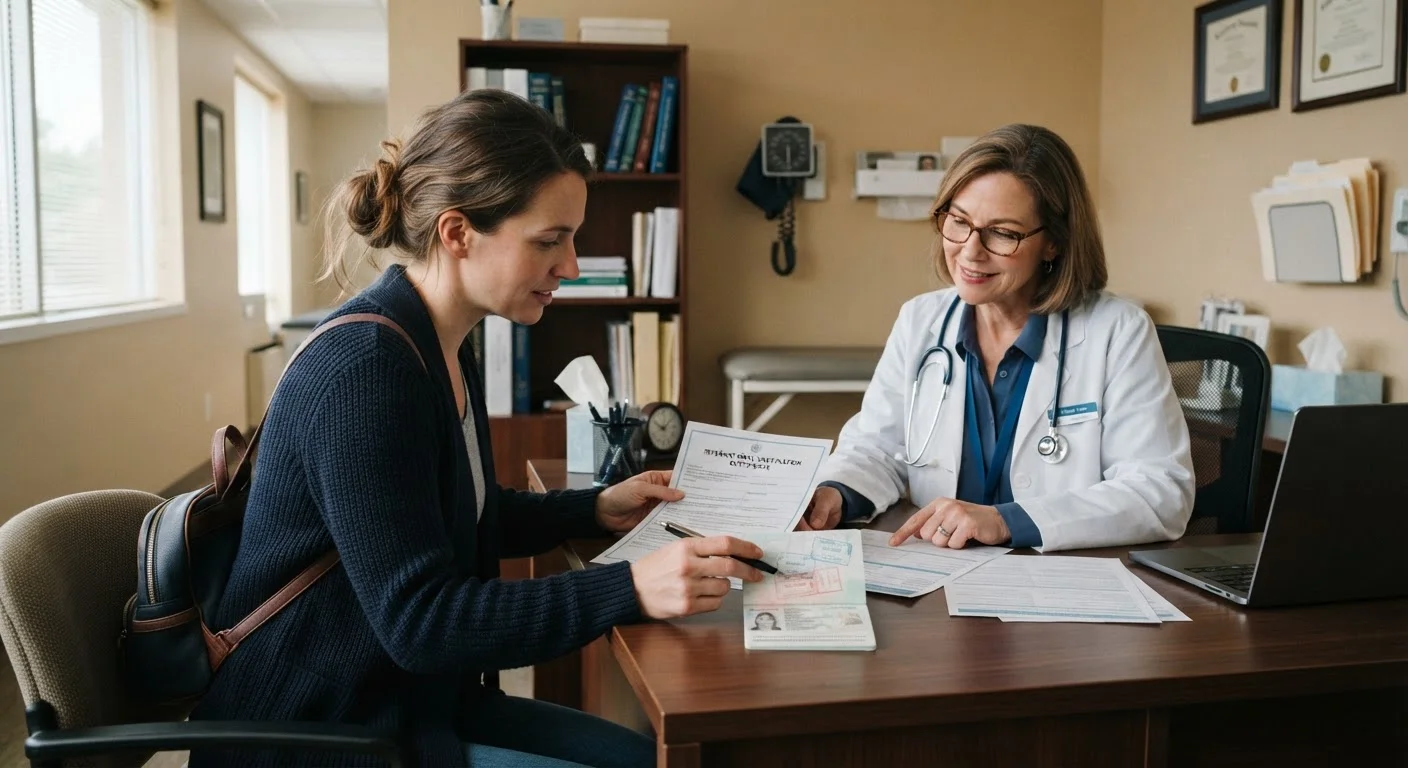
If you're traveling somewhere with significant waterborne disease risk, it's also worth reading up on other tropical health risks that may be relevant to the same region. Many destinations that carry food safety concerns also carry vector-borne disease risks, and a single pre-trip health visit can address both.
Seek Medical Attention for Severe Symptoms
If you experience diarrhea with blood or mucus, fever above 102°F, signs of severe dehydration (extreme thirst, little or no urination, dizziness), or symptoms that don't improve after 48-72 hours, seek medical care promptly. Do not attempt to self-diagnose or self-treat with leftover antibiotics or medications not prescribed for your current situation. Contact your travel insurance provider if you need help locating local medical services.
This article is for general informational purposes only and is not medical advice. Food and water safety risks vary significantly by destination, individual health status, and travel circumstances. Always consult a qualified travel health professional or your healthcare provider before traveling internationally, particularly if you have underlying health conditions or are traveling to higher-risk regions.