Four Diseases, Four Different Risks
Mosquito-borne illnesses aren't one problem - they're several, with different transmission patterns, symptoms, and prevention strategies. Travelers heading to tropical or subtropical regions are most commonly exposed to malaria, dengue fever, Zika virus, and chikungunya. Knowing how they differ is the starting point for protecting yourself.
| Primary vector (malaria) | Anopheles mosquito (dusk to dawn) (CDC, WHO) |
| Primary vector (dengue, Zika, chikungunya) | Aedes aegypti mosquito (daytime) (CDC, WHO) |
| Malaria incubation period | 7 days to several months after bite (CDC) |
| Vaccine available for travelers | None widely available for dengue, Zika, or chikungunya (WHO, as of general public health guidance) |
| High-risk regions (malaria) | Sub-Saharan Africa, parts of Asia, Central/South America (WHO World Malaria Report) |
| Zika: highest-risk group | Pregnant travelers or those planning pregnancy (CDC) |
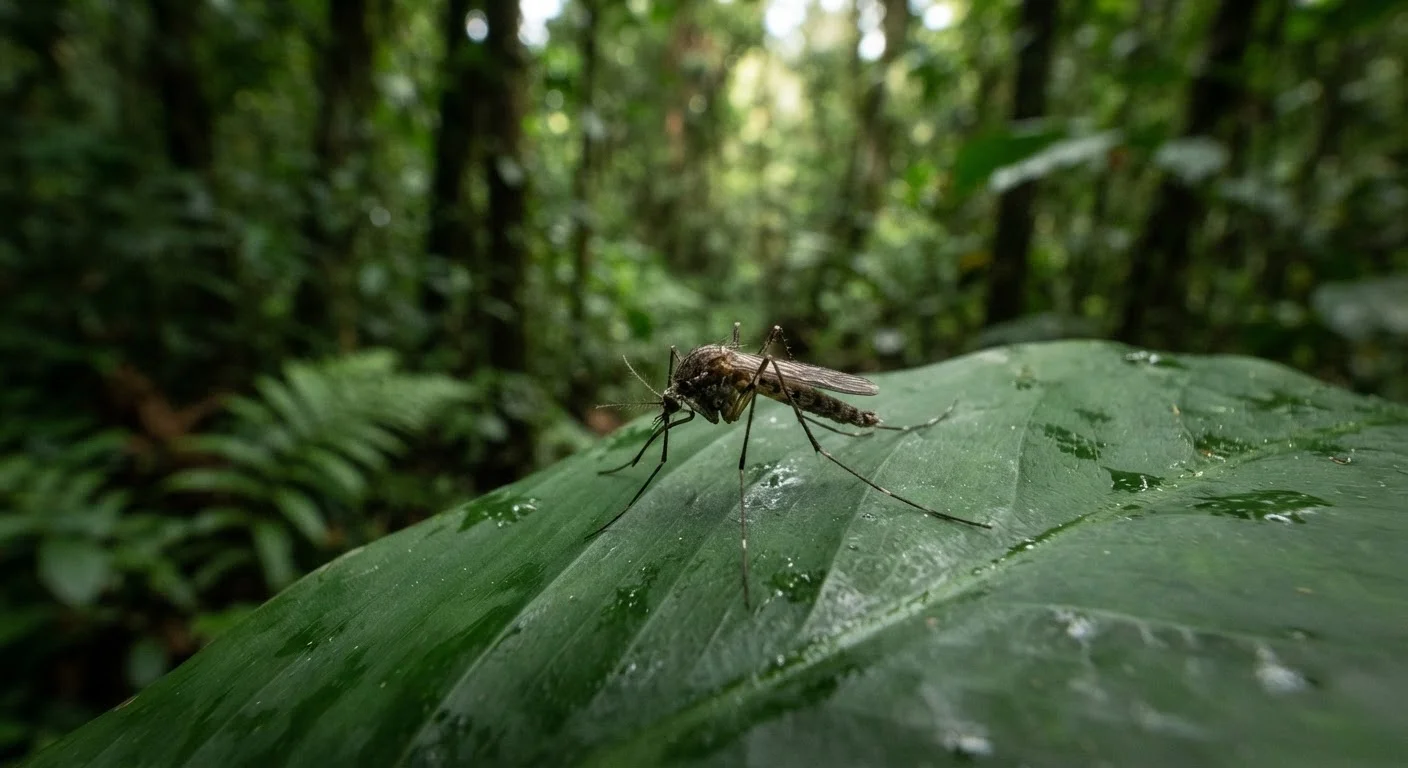
Malaria is caused by a parasite transmitted through the bite of infected Anopheles mosquitoes, which are most active at dusk and dawn. It is prevalent across sub-Saharan Africa, parts of South and Southeast Asia, and Central and South America. Symptoms - fever, chills, and flu-like illness - can appear anywhere from 7 days to several months after exposure. Malaria can become life-threatening quickly if untreated, which makes early diagnosis critical.
Dengue fever is caused by a virus and spread by Aedes aegypti mosquitoes, which bite primarily during daylight hours. It is widespread across tropical Asia, Latin America, the Caribbean, and parts of Africa. Symptoms include high fever, severe headache, and intense joint and muscle pain. Most cases resolve without hospitalization, but a small proportion develop into severe dengue, which can be dangerous. There is no widely available treatment beyond supportive care.
Zika virus is also transmitted by Aedes mosquitoes and is generally mild in healthy adults - many infected people have no symptoms at all. However, Zika infection during pregnancy carries serious documented risks to fetal development, including microcephaly. Anyone who is pregnant or planning to become pregnant should discuss destination-specific Zika risk with a healthcare provider well before travel.
Chikungunya shares the same mosquito vector as dengue and causes fever and severe joint pain that can persist for weeks or months after infection. It is rarely fatal but can be significantly debilitating.
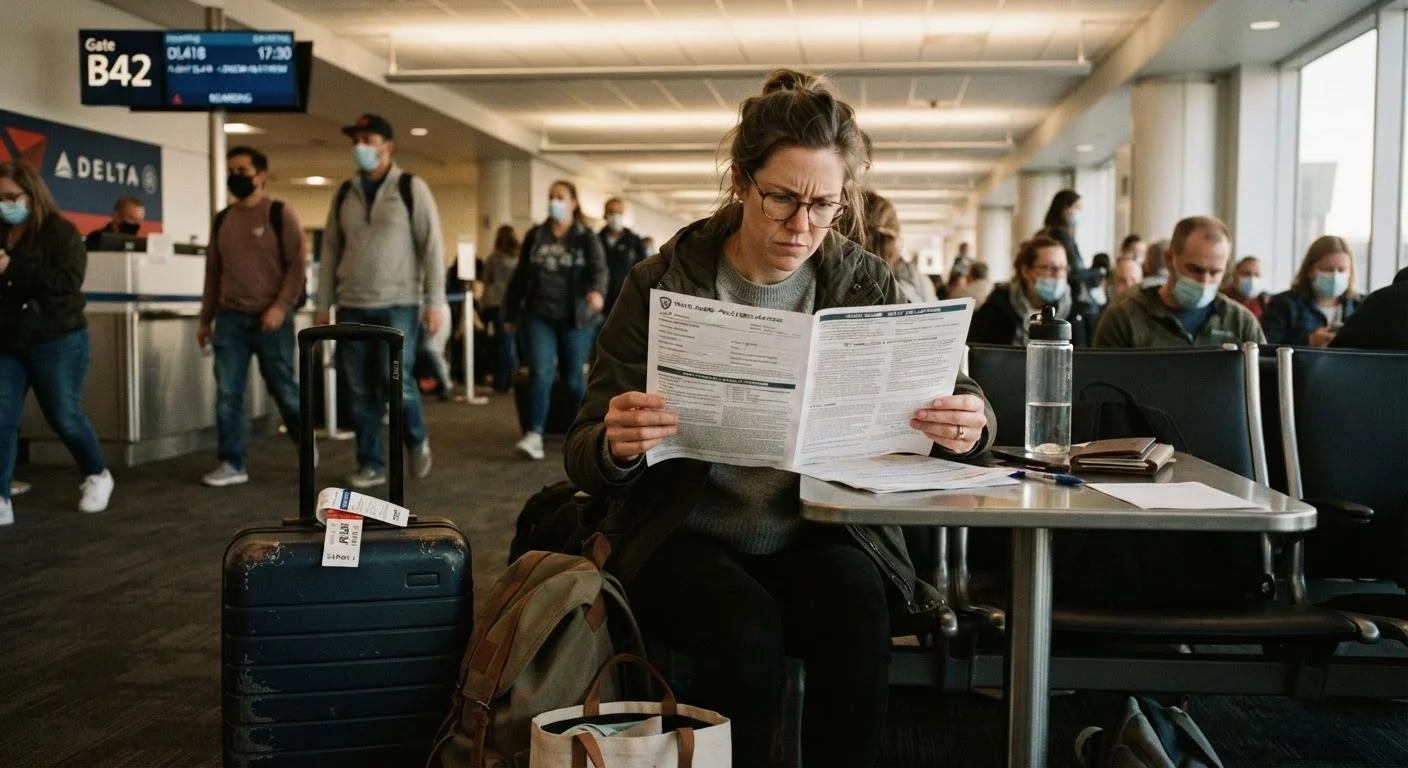
Before traveling to any region where these diseases are present, review official guidance - the U.S. Centers for Disease Control and Prevention (CDC) and the World Health Organization (WHO) both publish destination-specific health information. For personalized guidance, see what to do before you leave.
Practical Prevention Strategies
No prevention measure eliminates risk entirely, but layering multiple strategies meaningfully reduces your exposure. The core principle is straightforward: fewer mosquito bites means lower disease risk.
Chemoprophylaxis
The use of medications to prevent disease before it occurs. In travel medicine, antimalarial chemoprophylaxis involves taking prescription drugs before, during, and after travel to reduce the risk of malaria infection.
Aedes Mosquito
A genus of mosquito responsible for transmitting dengue, Zika, and chikungunya viruses. Unlike malaria-carrying mosquitoes, Aedes mosquitoes are most active during daylight hours and breed in small containers of standing water.
Anopheles Mosquito
The genus of mosquito responsible for transmitting malaria. These mosquitoes are most active from dusk to dawn, making nighttime protection especially important in malaria-endemic regions.
Microcephaly
A condition in which a baby is born with a smaller-than-typical head size, often associated with developmental complications. Zika virus infection during pregnancy is a documented risk factor for microcephaly.
Endemic Region
A geographic area where a disease is consistently present in the population at a predictable rate. Malaria, for example, is endemic to large parts of sub-Saharan Africa and Southeast Asia.
Severe Dengue
A potentially life-threatening complication of dengue fever, characterized by plasma leaking, fluid accumulation, respiratory distress, or severe bleeding. It occurs in a minority of dengue cases and requires medical attention.
Repellents and Protective Clothing
EPA-registered insect repellents containing DEET, picaridin, or oil of lemon eucalyptus are considered effective options. Always apply repellent according to label instructions, including guidance on use around children. Wearing long sleeves, long pants, and closed shoes during peak mosquito activity periods adds another layer of protection - particularly important for malaria prevention given the dusk-to-dawn activity window of Anopheles mosquitoes.
Sleeping Environments
Sleeping in air-conditioned or well-screened accommodations significantly reduces nighttime exposure. When that isn't available, a permethrin-treated bed net is a widely recommended tool for malaria prevention in particular. Check the condition of any net before use.
Malaria Chemoprophylaxis
Prescription antimalarial medications - taken before, during, and after travel - are recommended for many malaria-endemic destinations. The appropriate medication depends on the specific region, the traveler's health history, and other factors. This is a decision made with a healthcare provider, not a purchase off the shelf. Do not self-prescribe antimalarial drugs.
No Vaccine for Everything
As of current public health guidance, there is no widely available traveler vaccine for dengue (outside specific settings), chikungunya, or Zika. A malaria vaccine (RTS,S/AS01) exists but is currently targeted at children in high-burden African countries, not general travelers. This makes non-pharmaceutical prevention - repellents, clothing, bed nets - especially important.
For broader environmental health risks that often accompany tropical travel, the overview on sun, heat, and altitude risks is worth reading alongside this one.
Travel medical insurance that covers emergency evacuation can matter significantly if you become seriously ill abroad. Understanding what travel insurance actually covers before you depart is worthwhile.
This article is for general informational purposes only and is not medical advice. Consult a qualified healthcare professional or travel medicine specialist before making any health-related decisions for your trip, including medications, vaccinations, or destination-specific risks.